
A cardboard box can become far more interesting than a recycling job when there is a curious dog involved. I've made plenty of simple enrichment ideas over the years, and the beauty of a DIY cardboard dog puzzle is that it costs very little while giving your dog something to sniff, explore and investigate. Veterinary enrichment guidance also recognises homemade puzzles and foraging boxes as useful ways to add mental stimulation to a dog's day.
I am writing this as a practical home project, not a training exercise. I leave behaviour work to qualified trainers and behaviourists, but I do know the everyday side of keeping dogs occupied. My own collies, Skye and Tam, remind me that a simple idea often beats an expensive gadget.
Choosing the Right Cardboard Box for the Puzzle
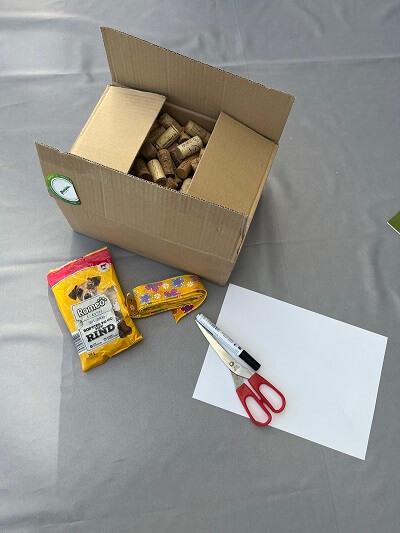
The first job is finding a box that suits your dog rather than the other way around. I've always preferred clean plain cardboard boxes with no staples, tape, plastic inserts or old food smells. A sturdy delivery box can work well, but a smaller dog may enjoy something much less intimidating.
Enrichment does not need to be complicated. Cardboard boxes can encourage sniffing and foraging, which are natural activities for dogs. I start with the easiest version first, especially for older dogs like Skye who appreciate not having to work too hard for a reward.
| Dog type | Box choice |
|---|---|
| Small dog | Low-sided box that is easy to investigate |
| Large dog | Wide box with room to sniff around |
| Senior dog | Lightweight box with simple access |
Cutting Puzzle Compartments and Hiding Spaces
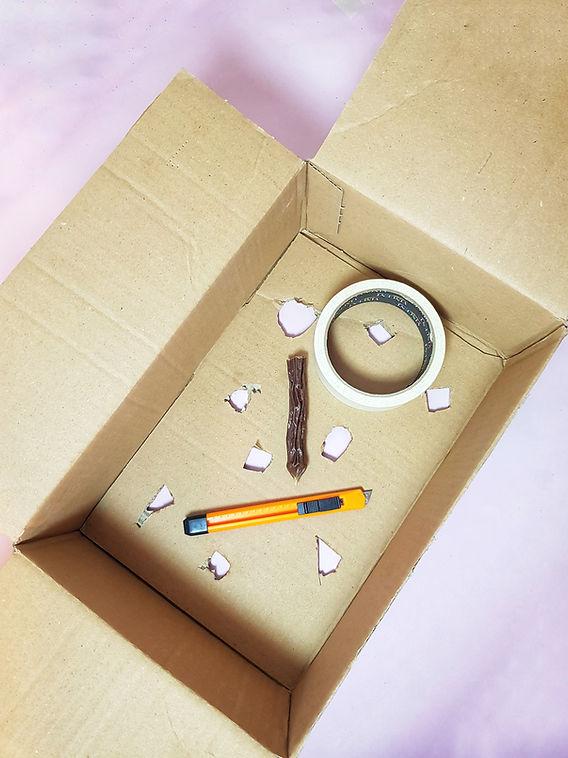
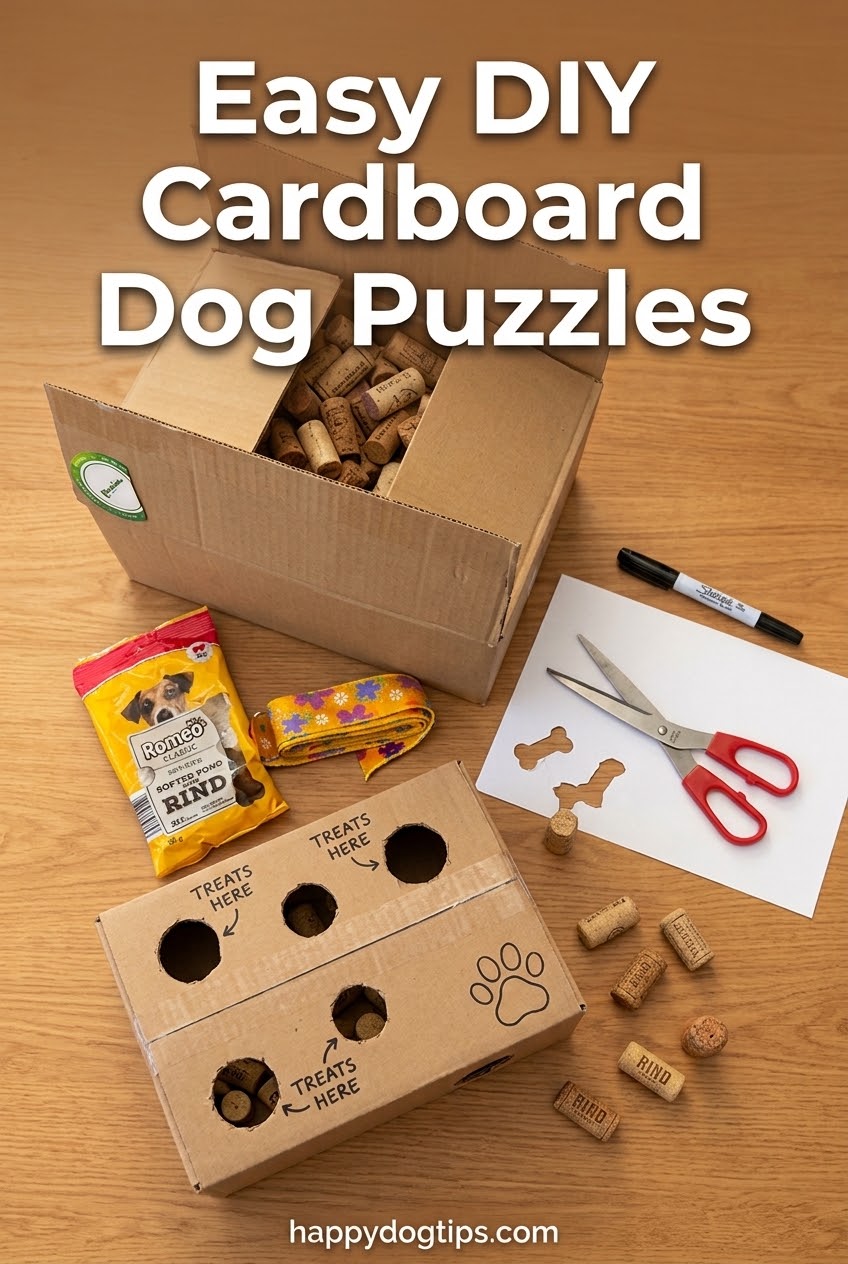
Once I have the box, I turn it into a little treasure hunt. I cut simple sections using scissors and fold cardboard pieces into safe hiding spaces rather than making a complicated maze.
I always avoid sharp edges and anything that could become a small piece. Veterinary guidance recommends supervising dogs with shredding and cardboard activities because swallowed fragments can become a hazard.
- Mark. Plan where treats or toys will sit before cutting.
- Cut. Make wide openings with smooth edges.
- Fold. Add loose cardboard dividers rather than fixed tiny compartments.
Safety note
If your dog eats cardboard instead of investigating it, this type of puzzle is not the right choice. Stay nearby and remove the box when pieces start breaking away.
Creating Treat-Filled Puzzle Challenges
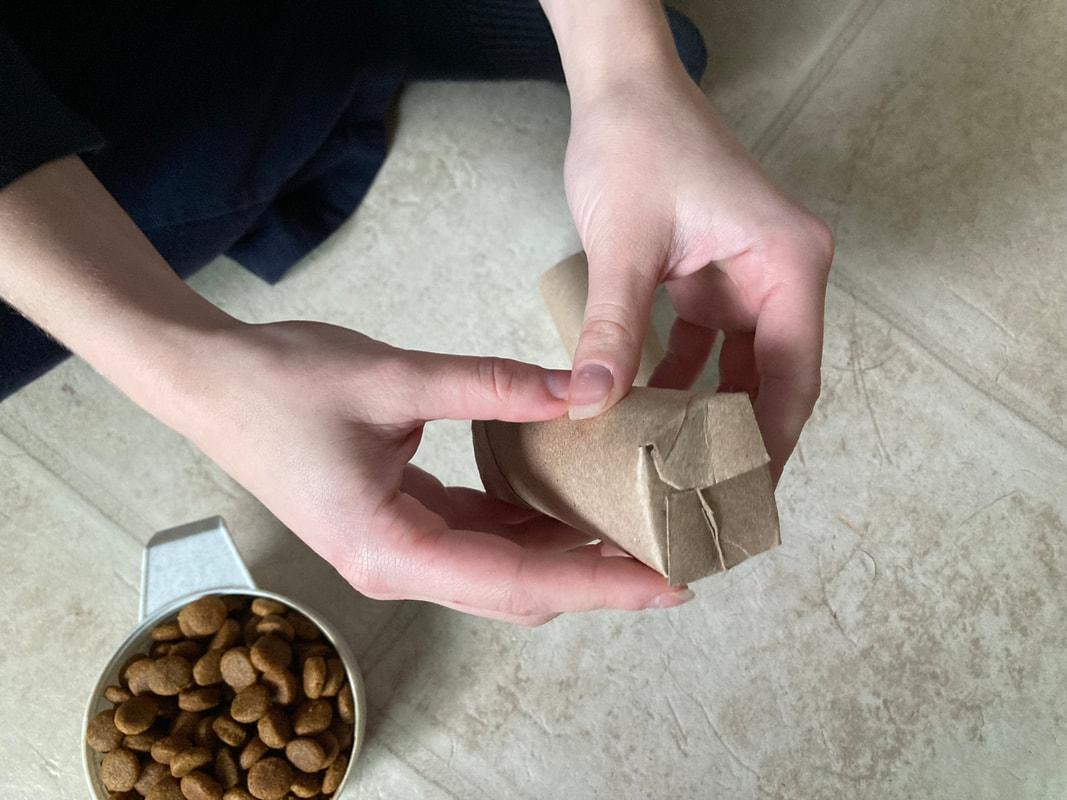
The fun part is deciding what goes inside. I usually use a few pieces of my dog's normal food allowance or suitable treats rather than adding lots of extras. A treat-filled cardboard puzzle should add interest, not quietly turn into a calorie mountain.
Food puzzles can encourage dogs to forage and work for food rather than simply eating from a bowl. I begin with treats that are easy to find, then make the puzzle slightly more interesting if my dog enjoys it.
- Use dog-safe treats or part of the usual meal.
- Keep pieces large enough that they are not a swallowing risk.
- Supervise the first few attempts.
- Stop if your dog becomes frustrated.
My practical tip
Hide a favourite toy among scrunched paper and cardboard layers for dogs who are more interested in exploring than eating.
Decorating and Strengthening the Cardboard Puzzle
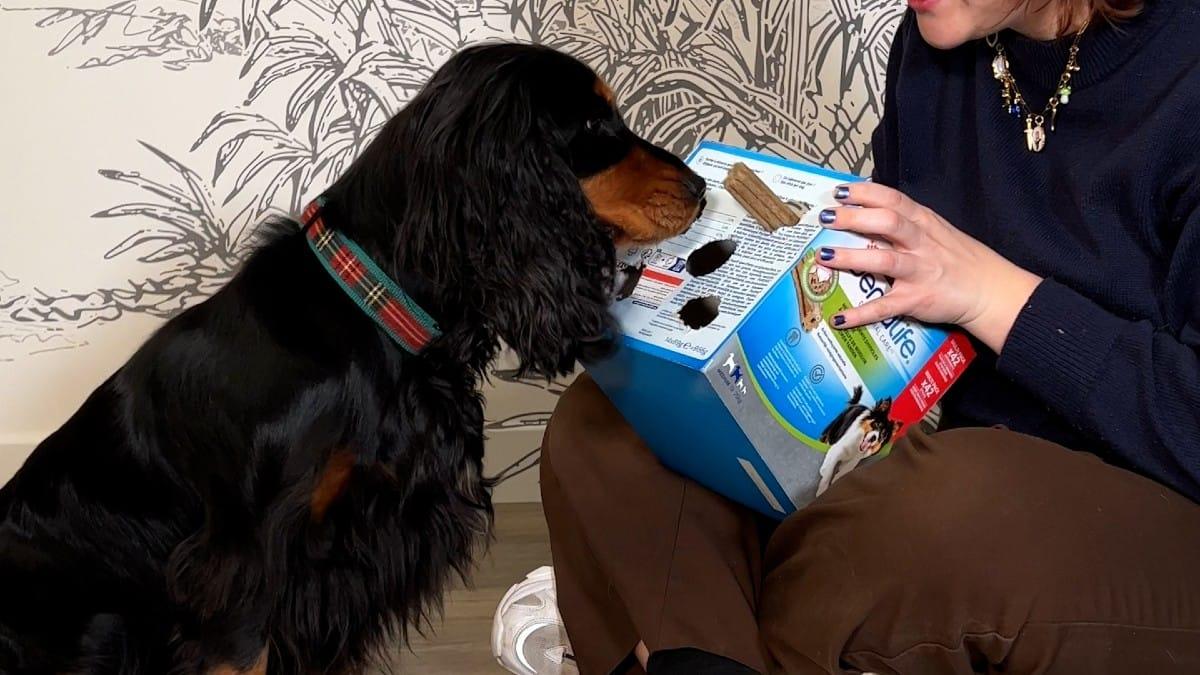
I am not one for making dog toys look like they belong in a craft competition. Dogs do not care about glitter or perfect corners; they care about smells and discovery. Still, a little strengthening can make a cardboard puzzle last longer.
I use plain paper wrapping or extra cardboard strips rather than anything with loose decorations. Remember that cardboard puzzles are temporary items, not permanent toys. VCA guidance notes that cardboard and paper enrichment items may need disposing of after use to keep them clean and safe.
Why I like cardboard puzzles
- Cheap and easy to replace
- Good for sniffing and exploring
- Uses materials already at home
Things to remember
- Not suitable for every chewer
- Needs supervision
- Gets messy quickly
Testing the Puzzle Safely With Your Dog
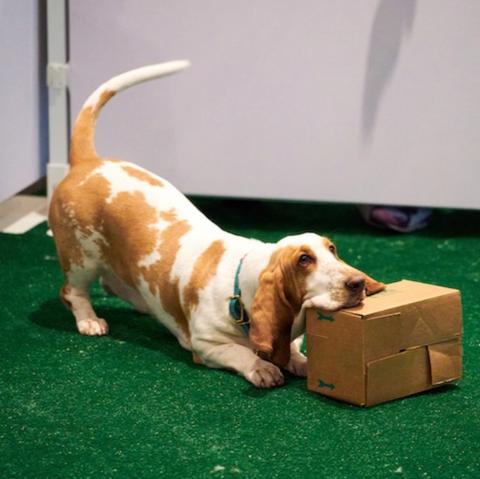
The first test is not whether the puzzle looks clever. It is whether my dog can enjoy it safely. I sit with them, watch how they interact and make changes if needed. A good dog puzzle test session is calm and successful, not a battle with a stubborn box.
Every dog is different. Tam would happily investigate a cardboard box for ages, while Skye prefers easier options these days because of her joints. I adjust activities for the individual dog, especially as they move into their senior years.
- Watch: Your dog should sniff, paw and explore without panic.
- Remove: Take away damaged cardboard before pieces become loose.
- Adjust: Make the puzzle easier or harder depending on your dog's enjoyment.
A homemade cardboard puzzle is a small thing, but small things often make the daily routine richer. I still keep a box aside for these rainy Highland afternoons when the mud is dreadful and the dogs need something interesting indoors.
More Pinterest Visuals