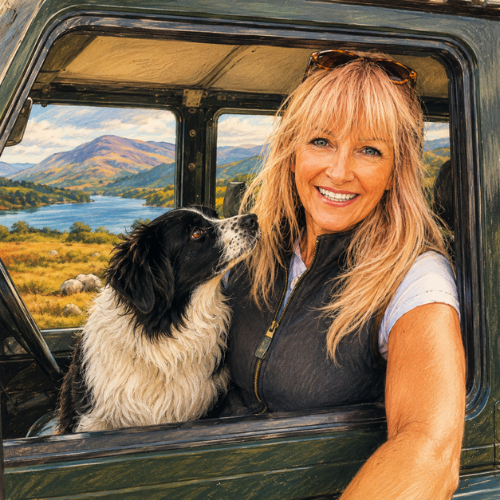
Dog nails have a habit of becoming a bigger job in our heads than they are in our hands. I've clipped plenty of paws over the years, from bouncy youngsters to older dogs like my Skye, and the trick is making the process predictable rather than turning it into a wrestling match.
I’m an RVN who left clinical practice in 2016, so I always remind readers that current health advice belongs with their own vet. What I can share is the practical side of calm nail clipping that I’ve used during years of grooming and caring for dogs at home. Veterinary guidance also supports gradual handling, suitable tools and rewards to make trims less stressful.
Prepare Your Dog’s Paws Before Nail Clipping
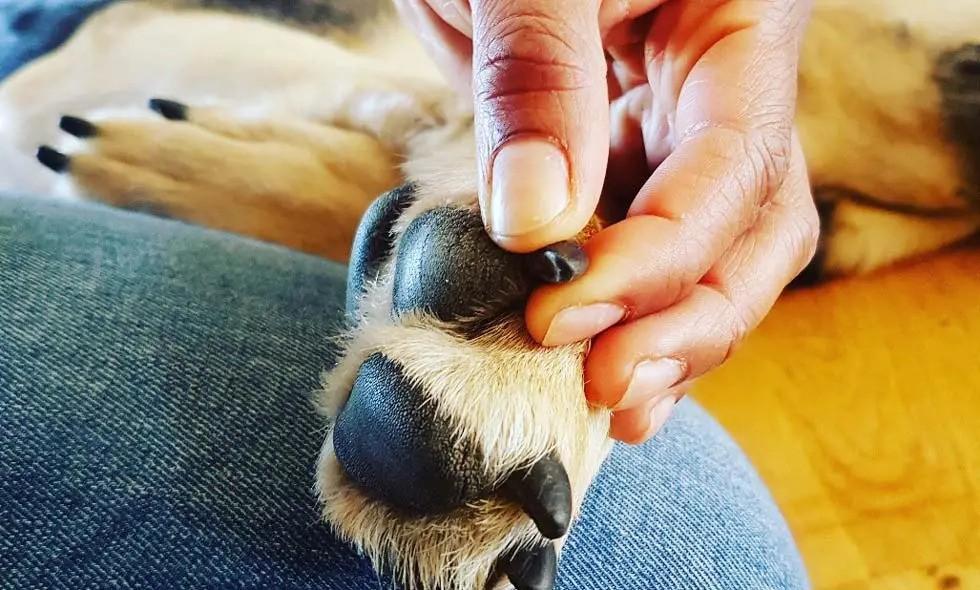
Before I pick up the clippers, I spend a minute making sure the dog is comfortable. A warm room, good lighting and a non-slip surface make a surprising difference. I gently handle each paw first because paw preparation tells me whether we are ready to trim or whether we need another quiet session.
With nervous dogs, I never rush straight to cutting. I touch the paw, reward calmness and stop before the dog feels overwhelmed. Small successes are much more useful than forcing a full trim in one go.
Use the Right Tools for Stress-Free Nail Trimming
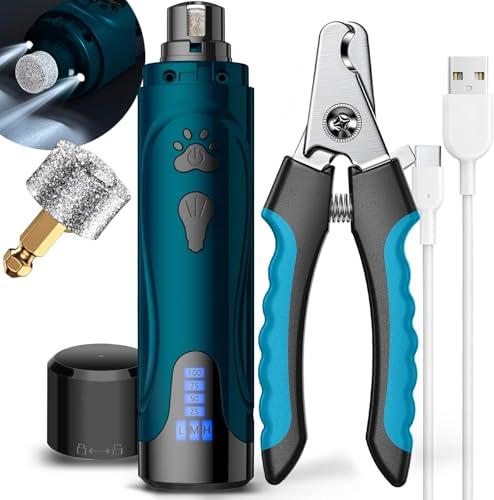
The right tool makes a huge difference. I prefer equipment that feels comfortable in my hand and suits the dog's nail size rather than buying the fanciest gadget on the shelf. Sharp clippers create a cleaner cut, while some dogs tolerate a grinder better because it removes small amounts gradually.
My grooming years taught me that good nail tools are an investment. A cheap, blunt clipper often makes the job harder for both of you.
| Tool | Useful for |
|---|---|
| Dog nail clippers | Quick trimming when used confidently |
| Nail grinder | Gradual shaping and smoothing edges |
| Styptic powder | Minor bleeding after an accidental quick nick |
Find the Quick and Clip Safely
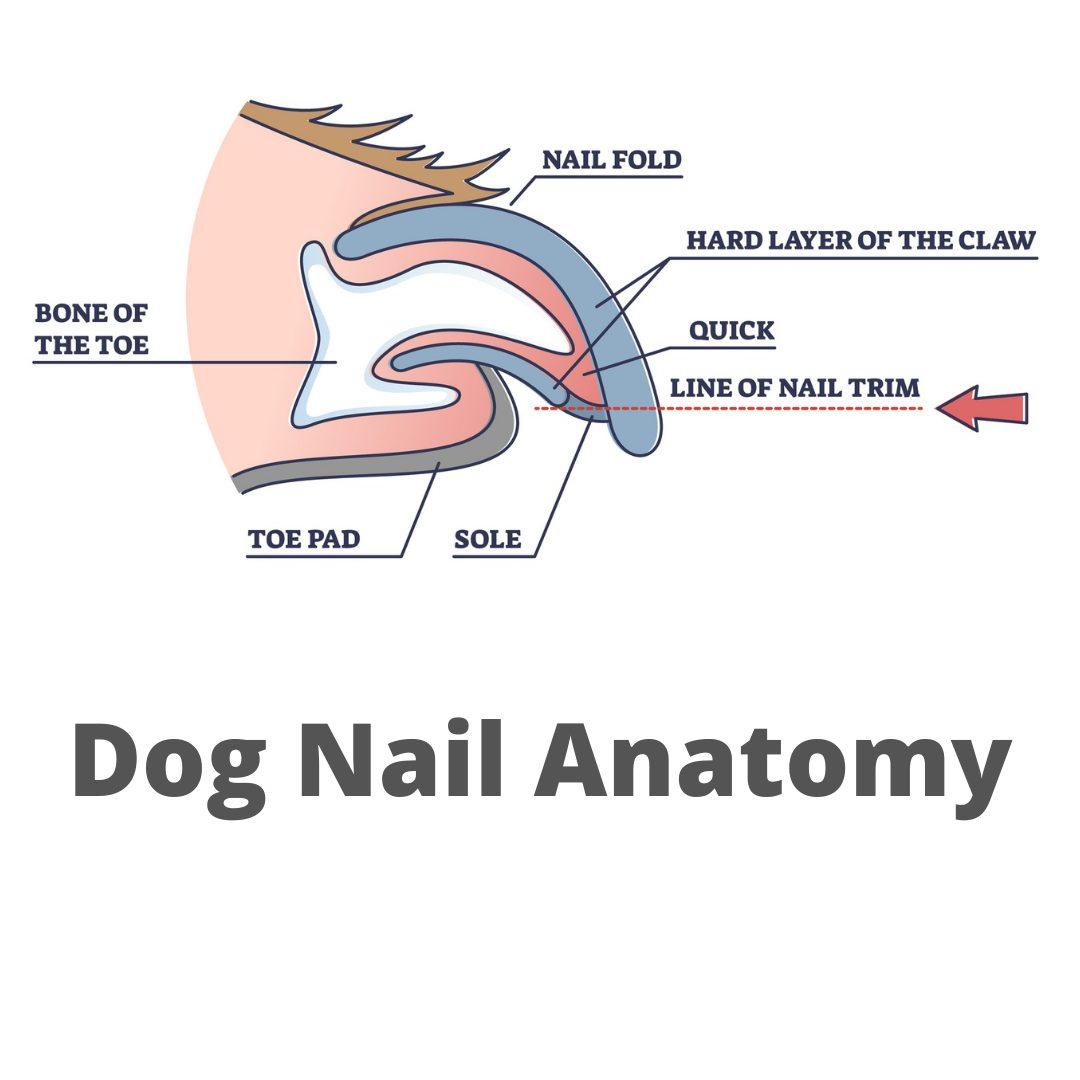
The quick is the part of the nail containing blood vessels and nerves, so it is the bit every owner worries about. On clear nails it is often easier to see, but dark nails require patience and tiny trims. I remove only a little at a time rather than trying to shorten the nail dramatically.
If you accidentally catch the quick, stay calm. A small nick can bleed, but panic from the person holding the clippers usually worries the dog more than the mistake itself. For safe nail cutting, slow and steady wins every time.
A note from me
If nails are badly overgrown, curled into the pad or your dog cannot tolerate handling, this is a job for a vet practice or professional groomer rather than a battle at home.
Make Nail Clipping Easier With Treat Rewards
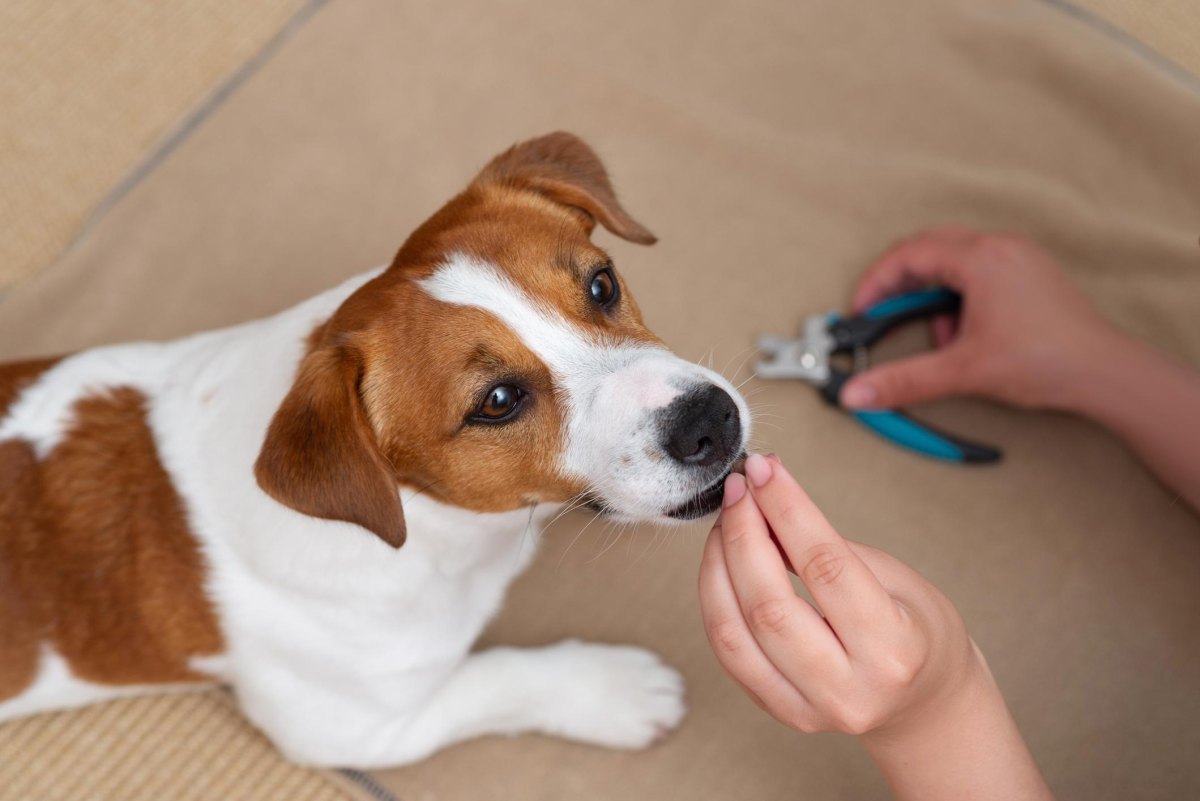
Treats are not bribery in this situation; they are a way of helping your dog build a pleasant association with grooming. I used this approach often during my home boarding and grooming years. A dog who expects something good after paw handling is usually far easier to care for.
I reward each little step: seeing the clippers, allowing a paw touch, hearing the sound and eventually accepting a trim. Reward-based nail care works best when the dog remains relaxed.
Keep Your Dog Calm During Regular Nail Care
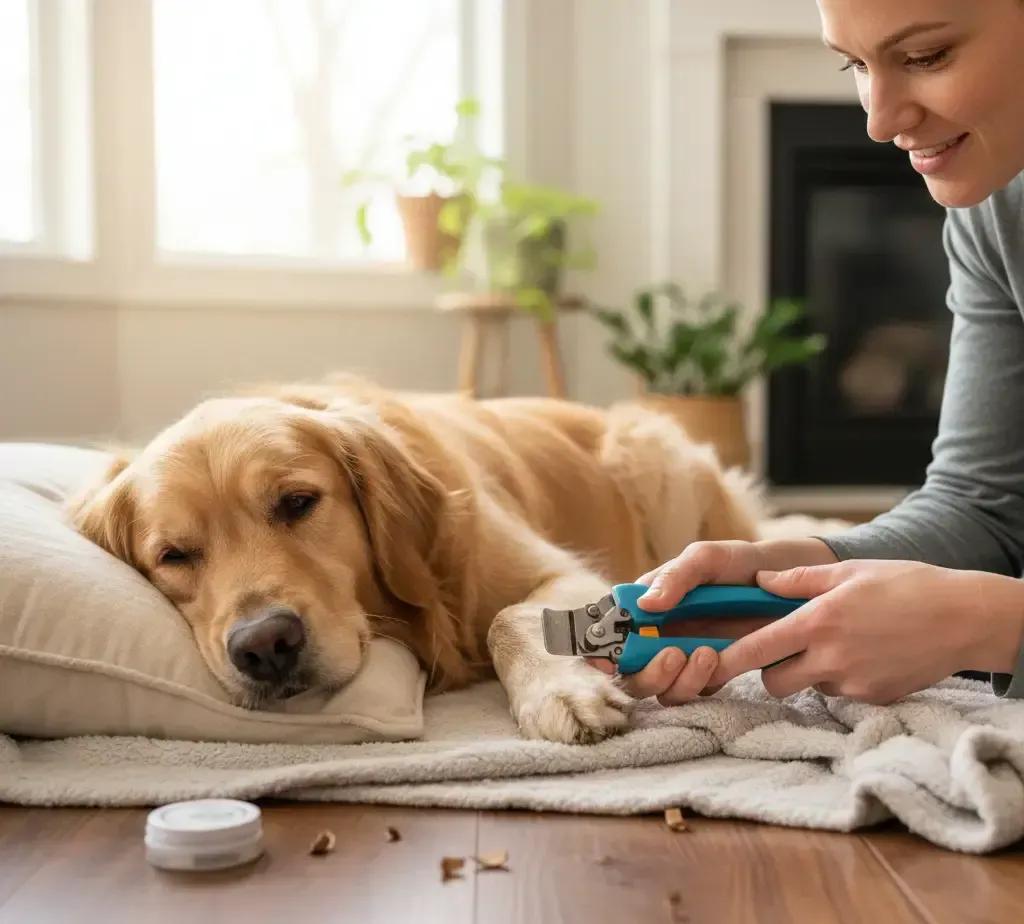
The easiest nail trim is usually the one that happens regularly. Waiting until nails are very long turns a small maintenance job into a bigger challenge. I check my dogs' nails routinely, especially because older dogs may move less and naturally wear their nails down less.
Skye’s slower pace these days has reminded me that grooming routines need to change with age. Senior dogs often need extra patience, softer handling and shorter sessions. Regular nail care is simply another part of keeping them comfortable.
A useful habit
Keep the nail clippers somewhere easy to find and check paws after walks, especially during muddy months when grit and debris can hide between toes.