
Watching a dog slow down with stiff joints is one of the harder parts of sharing your life with an older companion. I have seen it with Skye, my Border Collie, and the little changes around the cottage have made a real difference to her comfort. I spent nineteen years as a veterinary nurse, although I left clinical practice in 2016, so I always keep home care alongside advice from your own vet rather than replacing it.
These are the practical things I use and recommend for senior dog arthritis support: comfortable resting spaces, sensible movement, safer floors and careful nutrition choices. Arthritis care is usually about many small improvements rather than one miracle fix. Veterinary guidance remains important, especially when pain changes or mobility drops.
Provide a Comfortable Orthopedic Bed for Joint Support
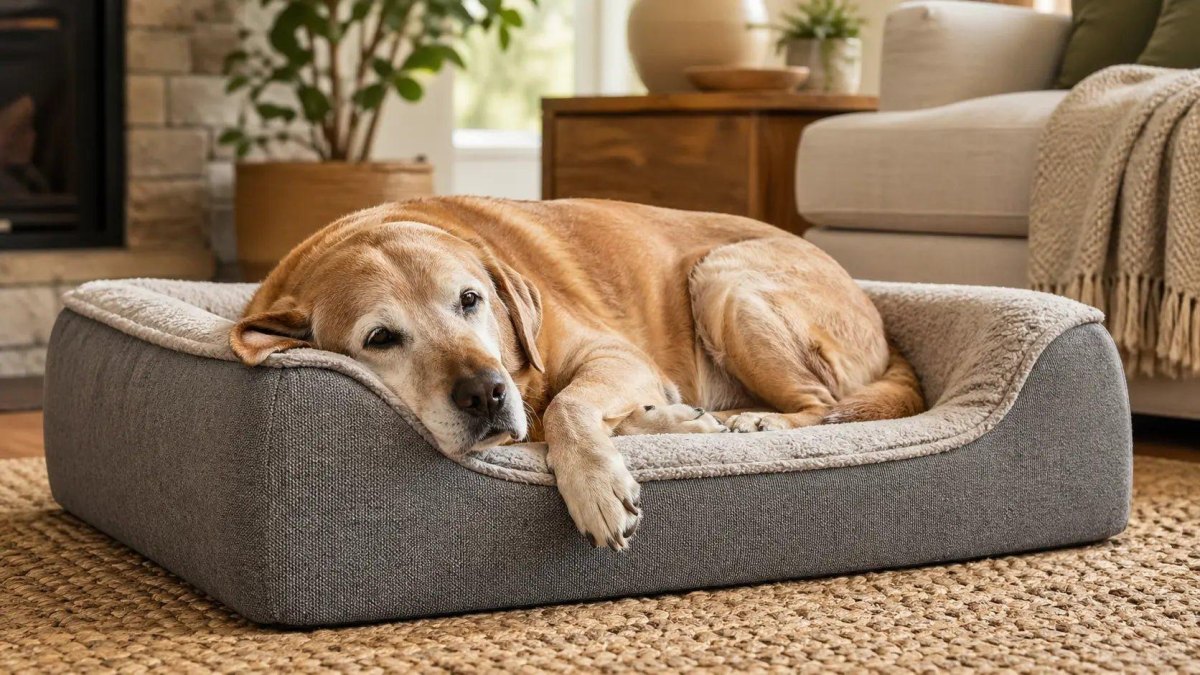
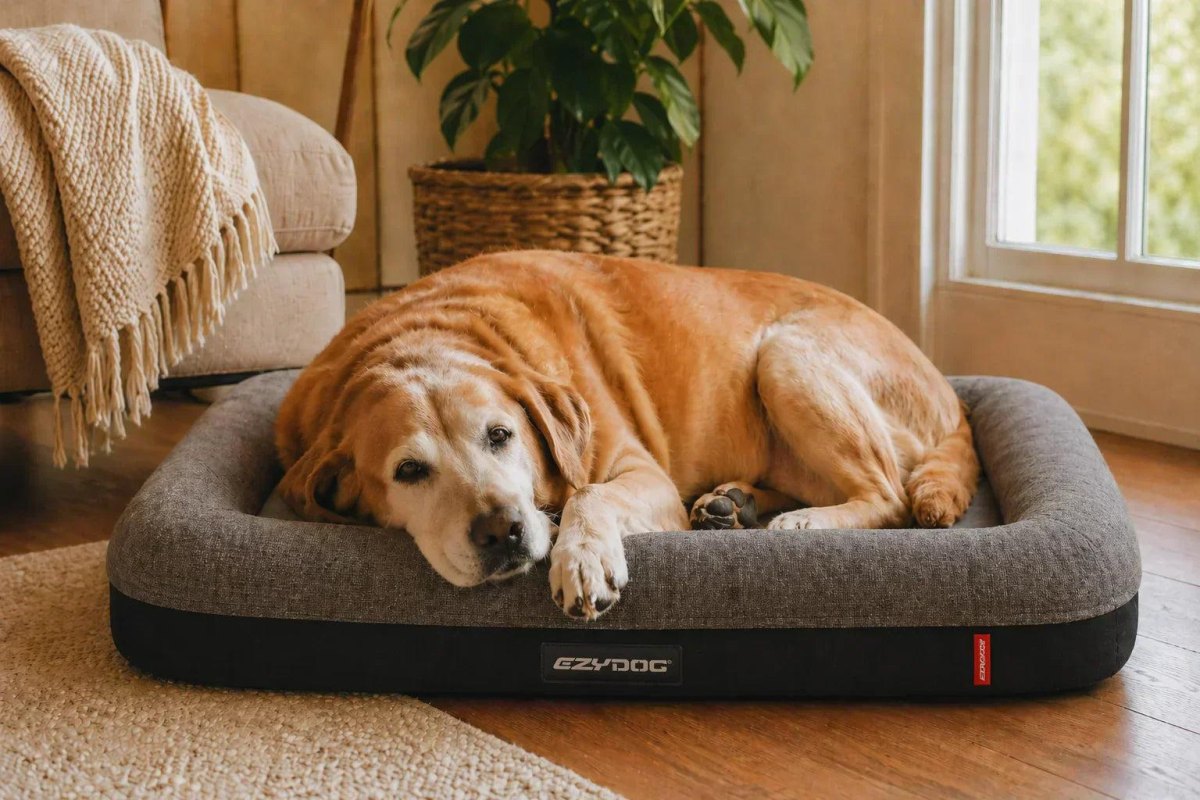
A good bed is one of the simplest changes I make for an older dog. Skye stopped enjoying cold stone floors years ago, and a supportive bed gives her joints a better place to settle. Orthopaedic dog beds can help by cushioning pressure points and making getting up easier.
I look for a low-entry bed that stays warm and dry, particularly through our damp Highland winters. Pain management guidance also recognises environmental changes, including suitable sleeping surfaces, as useful parts of chronic pain care.
A practical tip
Place beds where your dog already chooses to rest rather than expecting an older dog to change habits overnight.
Maintain a Healthy Weight to Reduce Arthritis Pain
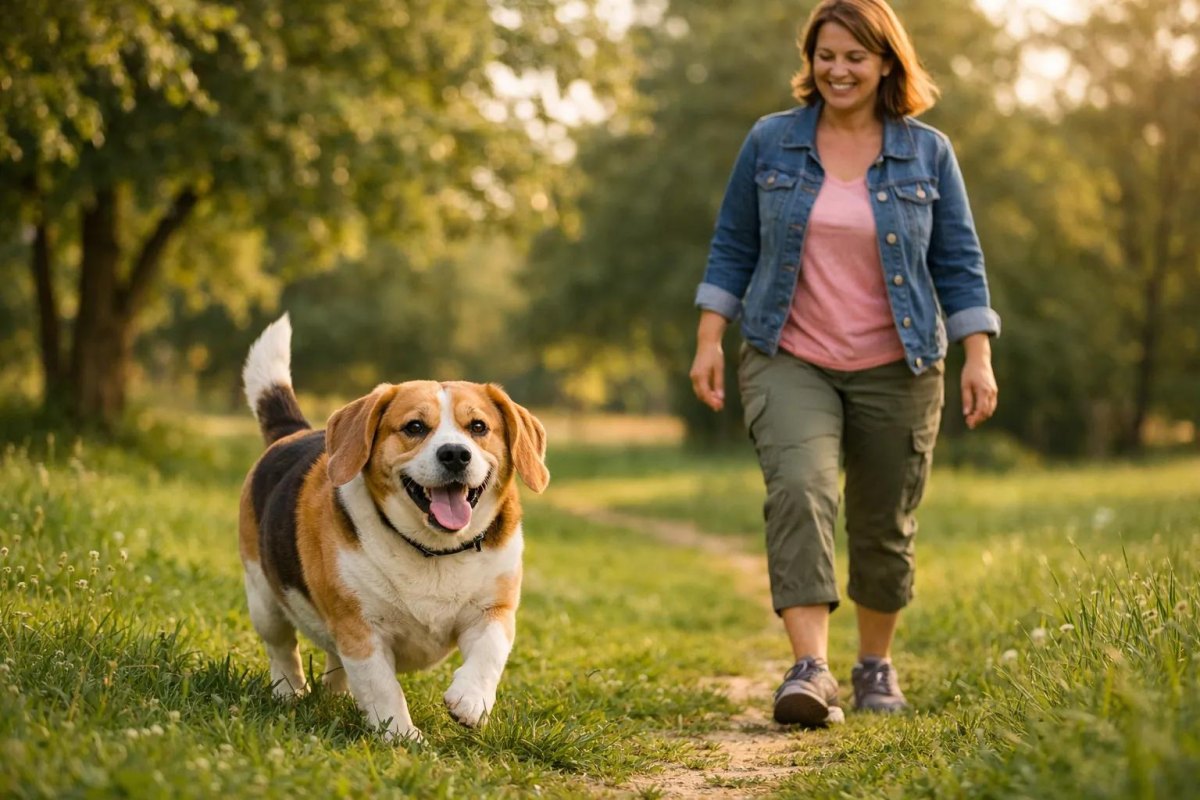
Extra weight puts more strain through sore joints, so keeping an older dog lean is one of the most useful things we can do at home. I prefer looking at body condition rather than chasing a number on the scales alone. Healthy weight management should be gradual and discussed with your vet if weight loss is needed.
AAHA guidance highlights weight optimisation as an important part of managing chronic pain and osteoarthritis in dogs.
Use Gentle Exercise to Keep Joints Moving
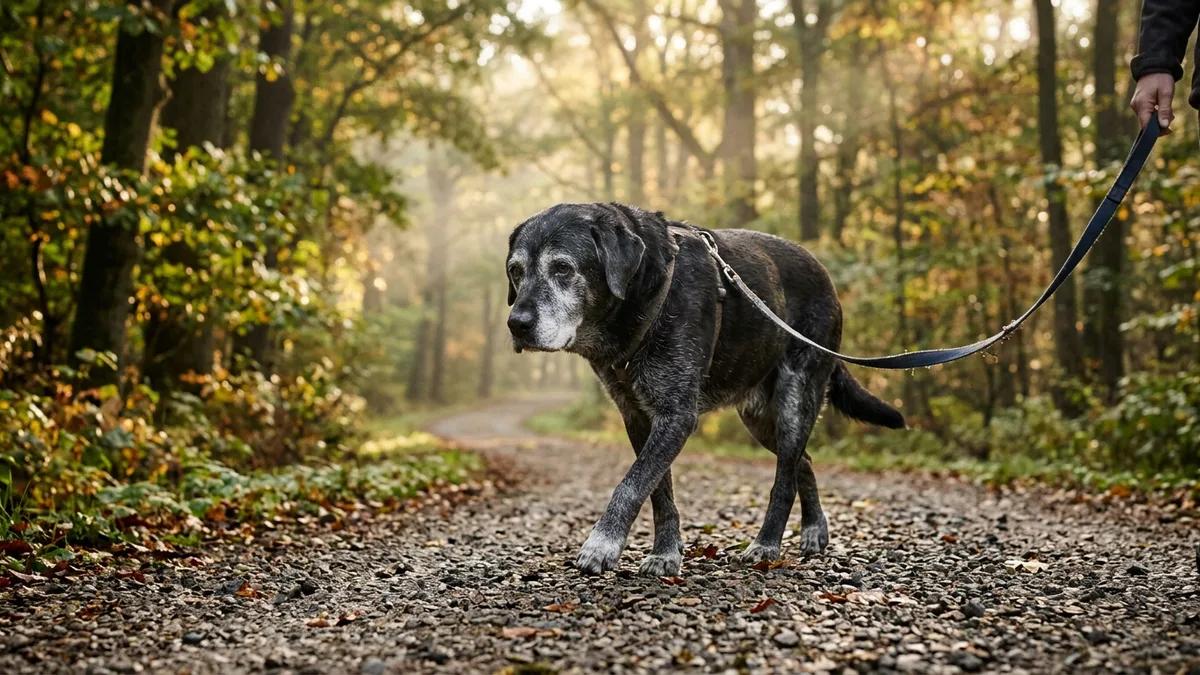
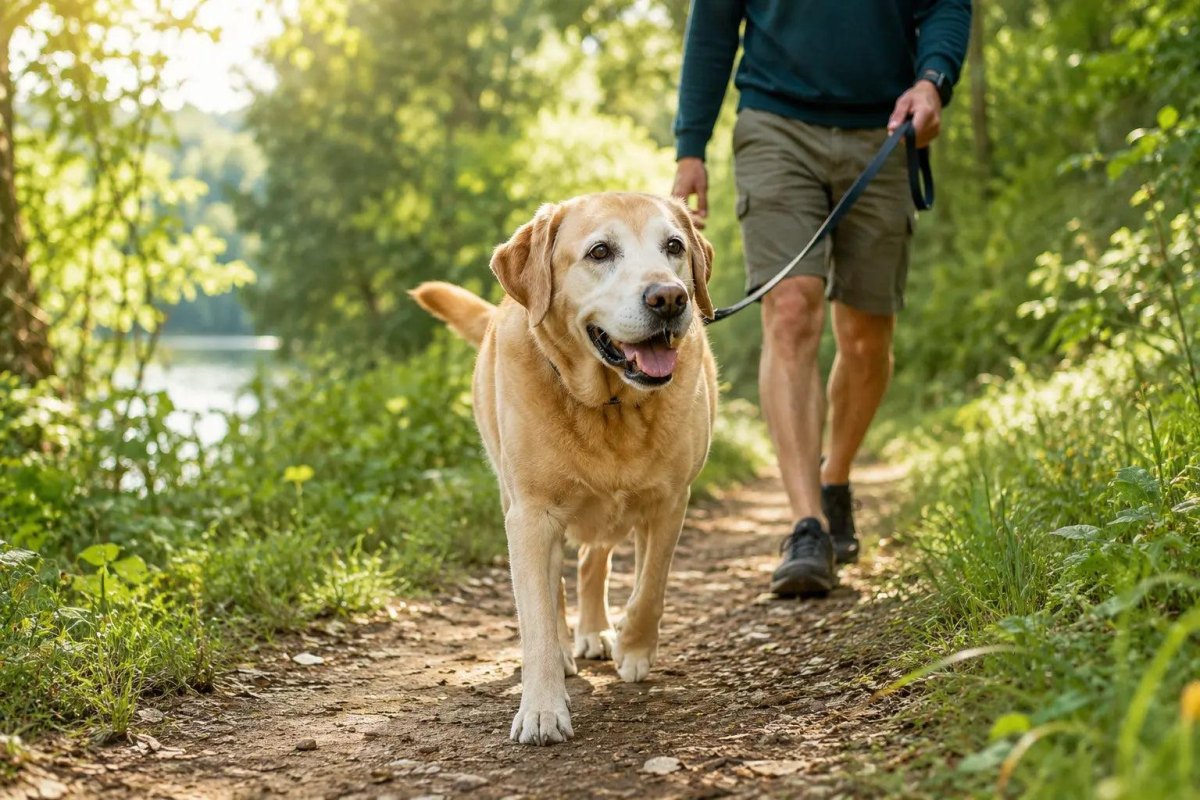
An arthritic dog still needs movement, but the old days of charging up hills for hours may be over. I favour steady, comfortable walks where Skye can sniff and take her time. Low-impact exercise helps maintain muscle that supports vulnerable joints.
Consensus guidance recommends adapting exercise to a dog's life stage and condition while avoiding high-impact activity that causes unnecessary stress.
- Start. Begin with short, regular outings.
- Observe. Watch how your dog moves afterwards.
- Adjust. Reduce intensity if stiffness increases.
Add Warm Compresses for Stiff Aching Joints
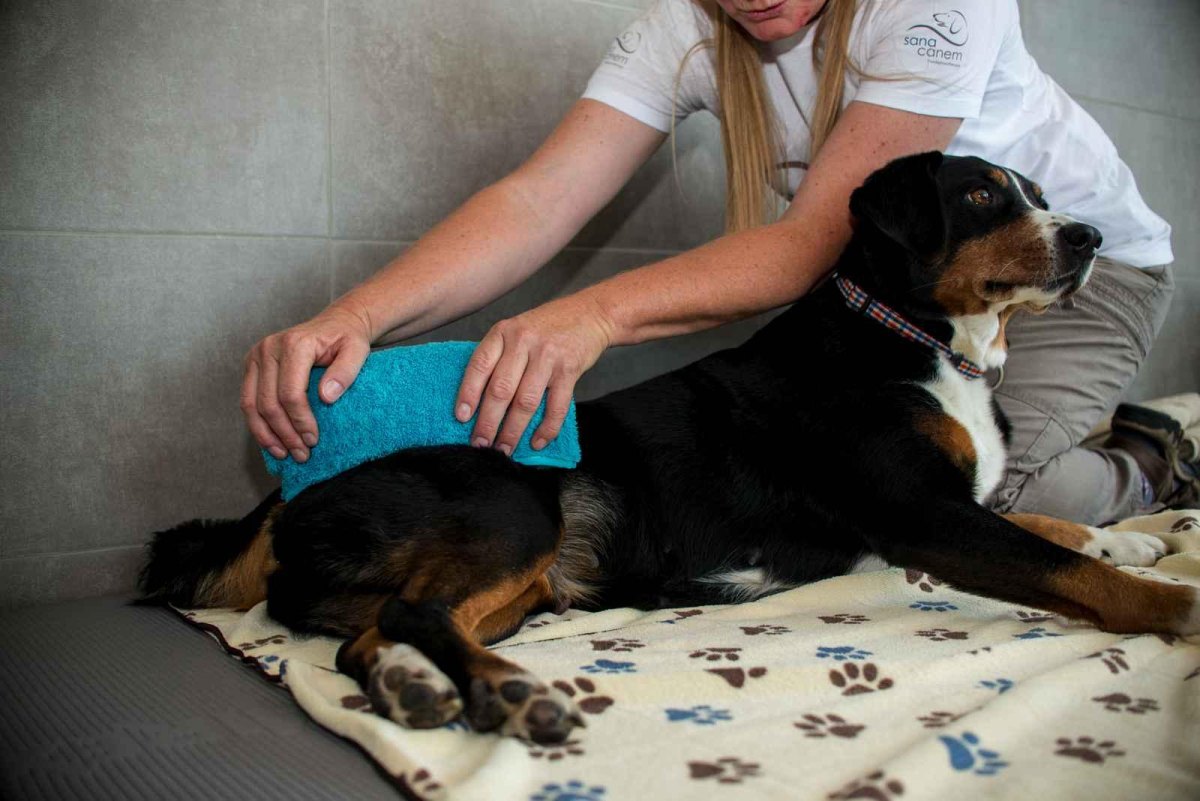
On chilly mornings, a warm compress can be a lovely comfort measure for some dogs. I use warmth as a soothing addition, not a replacement for proper pain management. Gentle warmth may help a stiff dog relax before moving around.
Always avoid making the compress hot, and never leave a warming item on a dog unattended.
Take care
If a joint suddenly becomes swollen, very painful or your dog cannot bear weight, ring your vet rather than trying home remedies.
Try Gentle Massage for Arthritis Relief
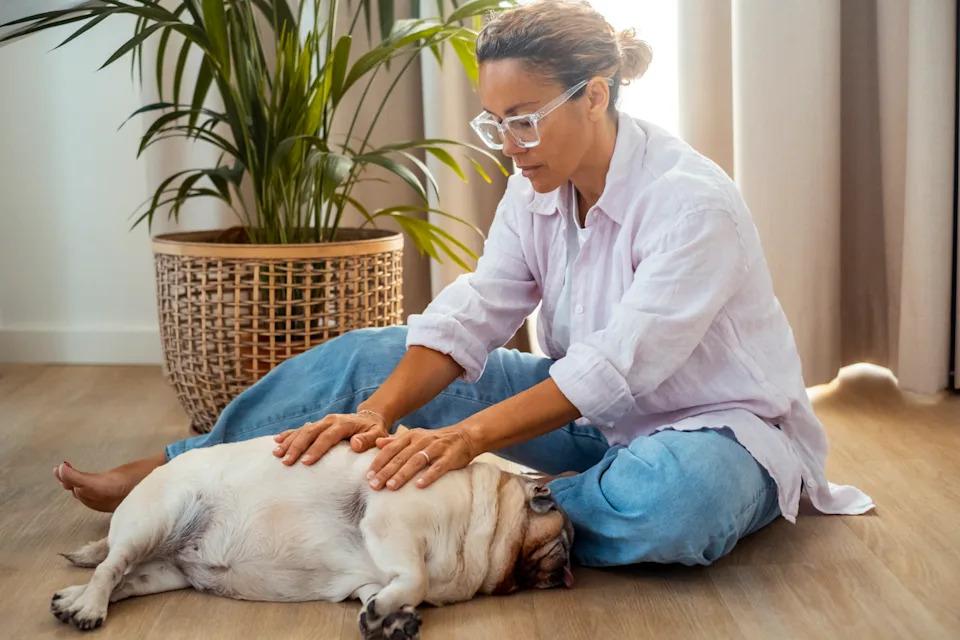
I have spent years grooming dogs and handling older bodies, and I know the difference between a relaxed dog and one who is uncomfortable. Gentle strokes around the muscles can be calming, but I never force a sore joint. Light massage techniques should always respect your dog's signals.
Stop if your dog moves away, tenses up or seems worried. Persistent pain needs a veterinary assessment.
Improve Mobility With Non-Slip Home Surfaces
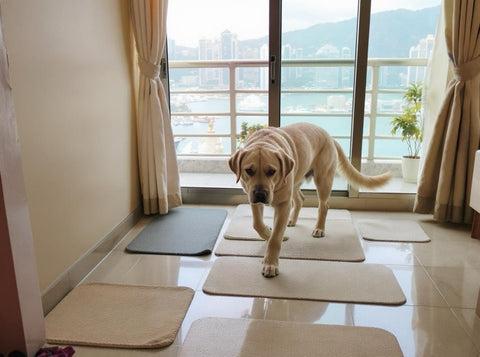
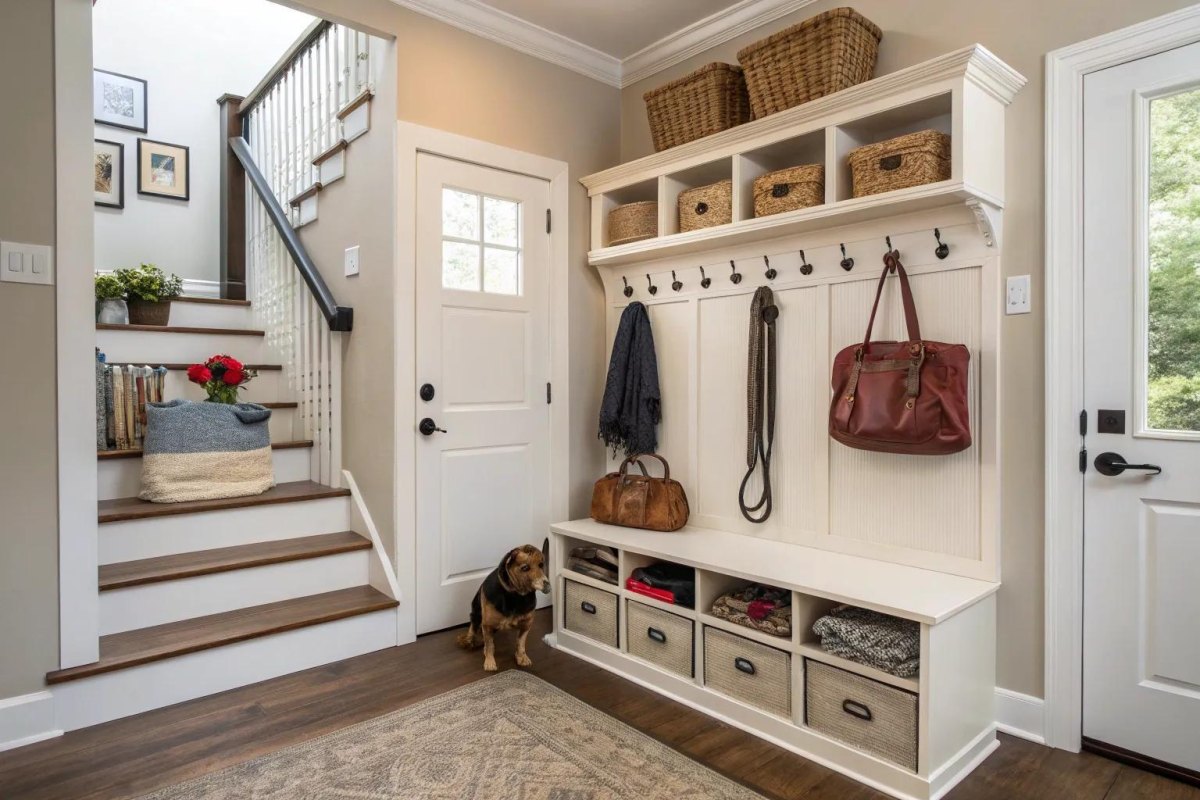
Slippery floors are a common problem in older dogs. Our cottage floors have taught me that a confident dog can become hesitant very quickly when their feet slide. Rugs and runners create safer walking routes between favourite spots.
Environmental adjustments such as non-slip surfaces and easier access around the home are recognised ways to support pets with painful movement problems.
Support Joints With Omega-3 Rich Foods

Food will not magically reverse arthritis, despite what some labels suggest, but nutrition can be part of a sensible plan. Omega-3 fatty acids are one area with more evidence behind them than many fashionable additions. Omega-3 support should be discussed with your vet, especially if your dog takes medication.
AAHA notes that long-chain omega-3 fatty acids may support dogs with osteoarthritis as part of nutritional management.
Add Joint-Friendly Supplements With Veterinary Guidance
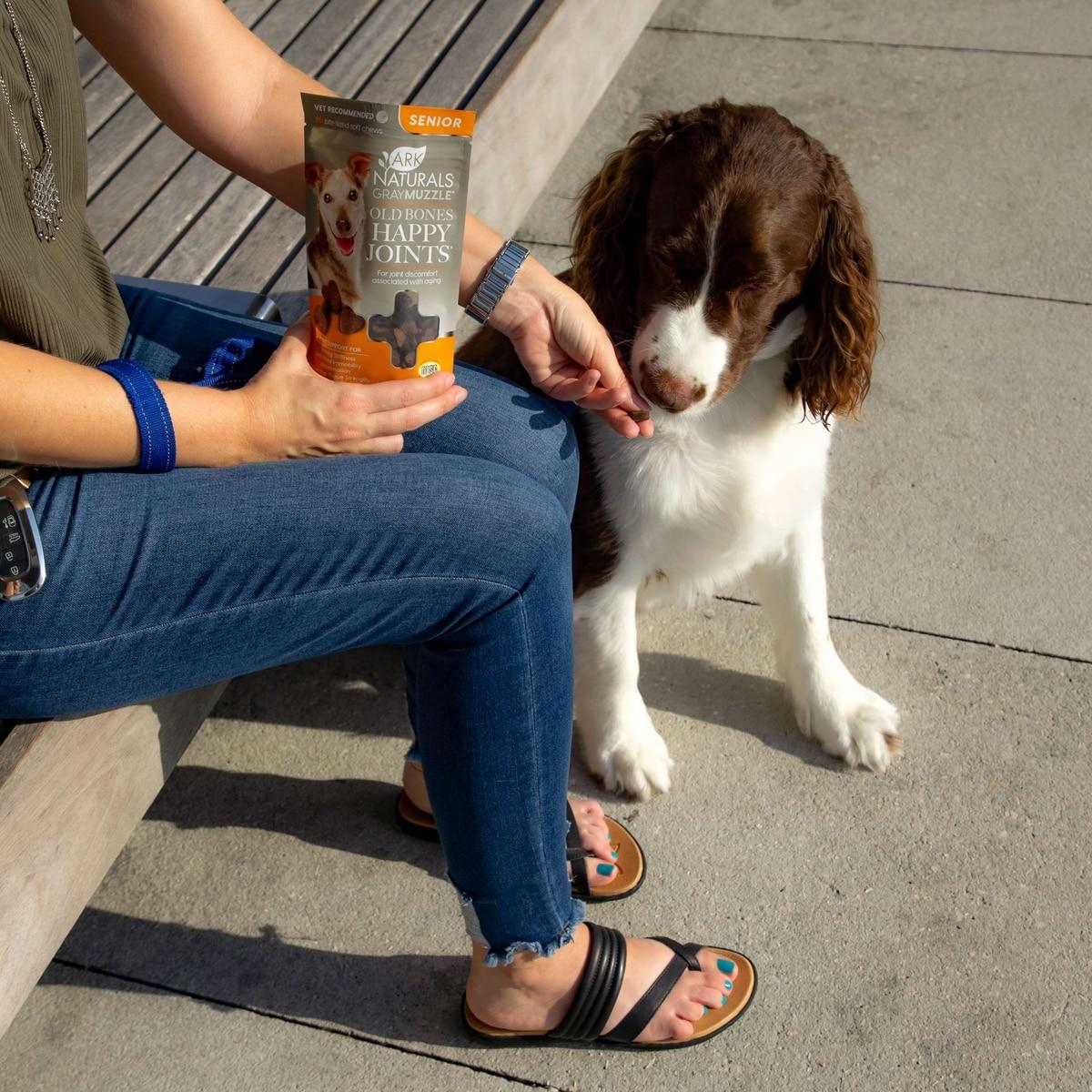
The supplement aisle can be overwhelming. I have seen many owners spend money on products that promised far more than they delivered. Joint supplements vary in quality, and they should not delay a proper veterinary check when pain is present.
I always check with the vet before adding anything new, particularly for older dogs with several treatments. Evidence and product quality differ greatly between supplements.
Create Ramps and Steps for Easier Access
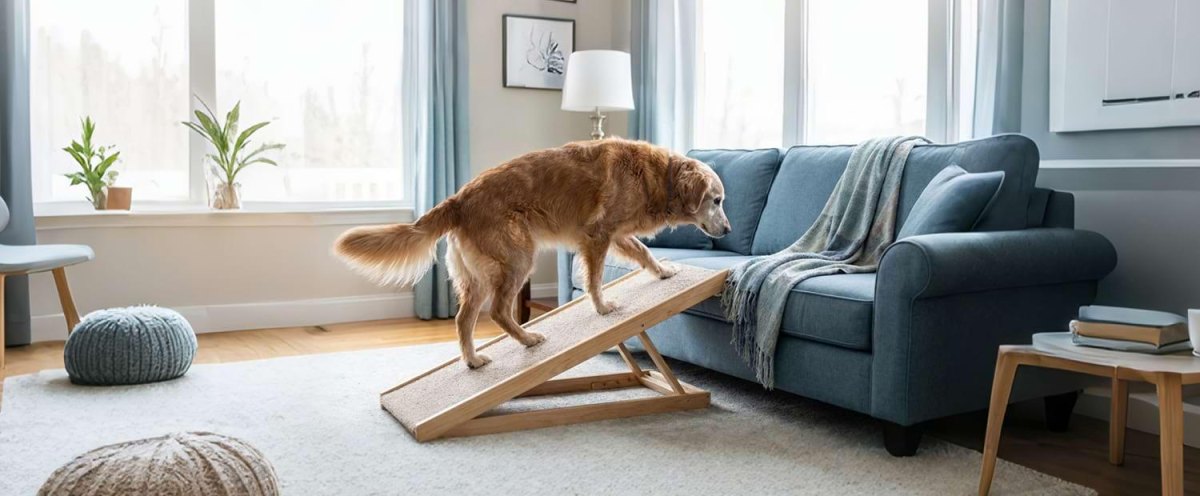
Skye used to leap into the Land Rover without thinking. Now she has a ramp, and it took patience before she trusted it. Small adaptations like ramps can protect joints by reducing repeated jumping. Mobility aids are about helping dogs keep their independence.
Make ramps stable, non-slip and easy to approach. A frightened dog will avoid equipment that feels unsafe.
Keep Your Senior Dog Warm During Cold Weather
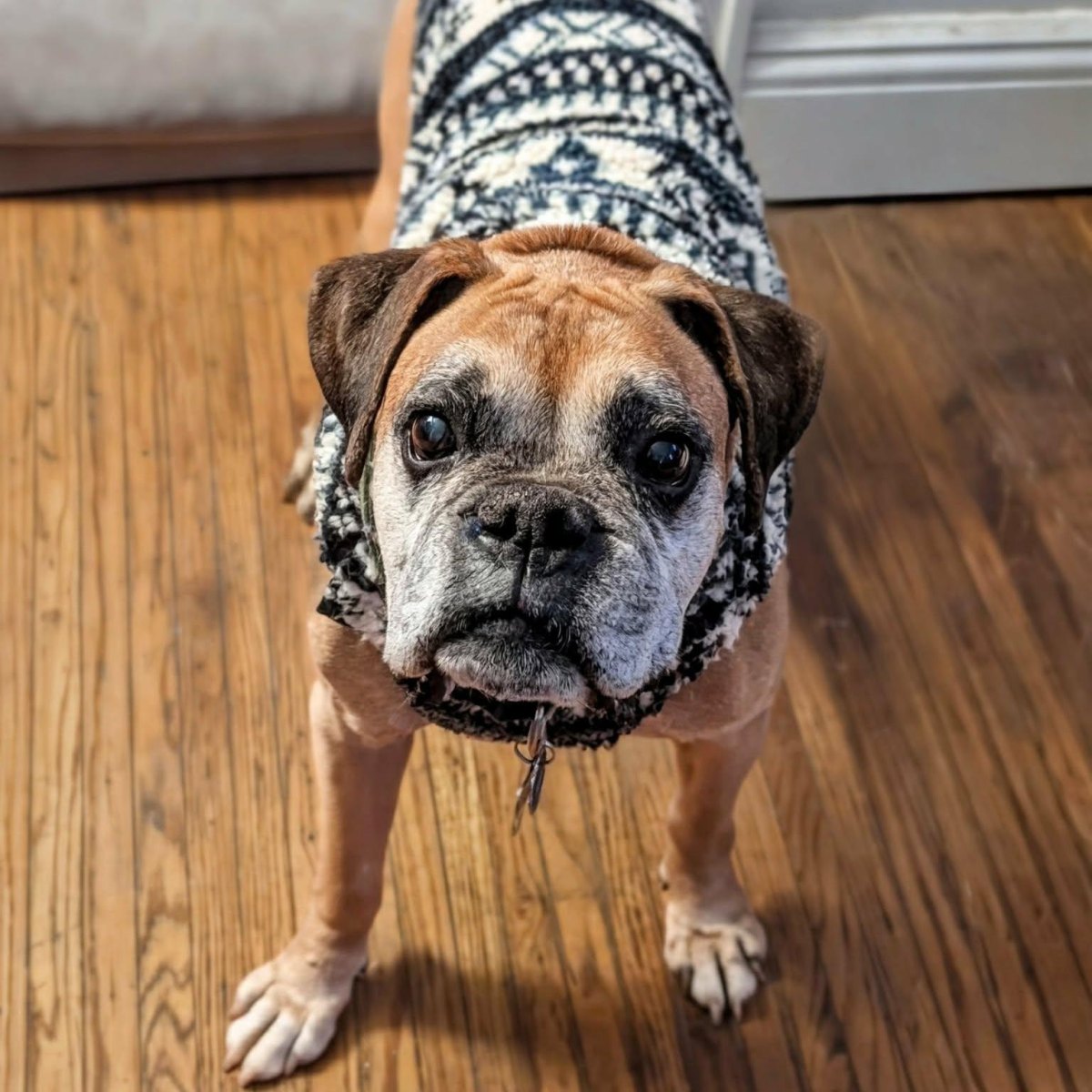
Cold, wet weather is a reality where I live, and older joints often seem less forgiving during winter. A dry coat, warm sleeping area and shorter walks during miserable weather can make a noticeable difference. Winter comfort is about reducing strain, not wrapping every dog in layers.
Pay attention to your dog's breed, coat and tolerance. A thick-coated dog and a thin-coated senior have very different needs.
Practice Low-Impact Activities Like Swimming
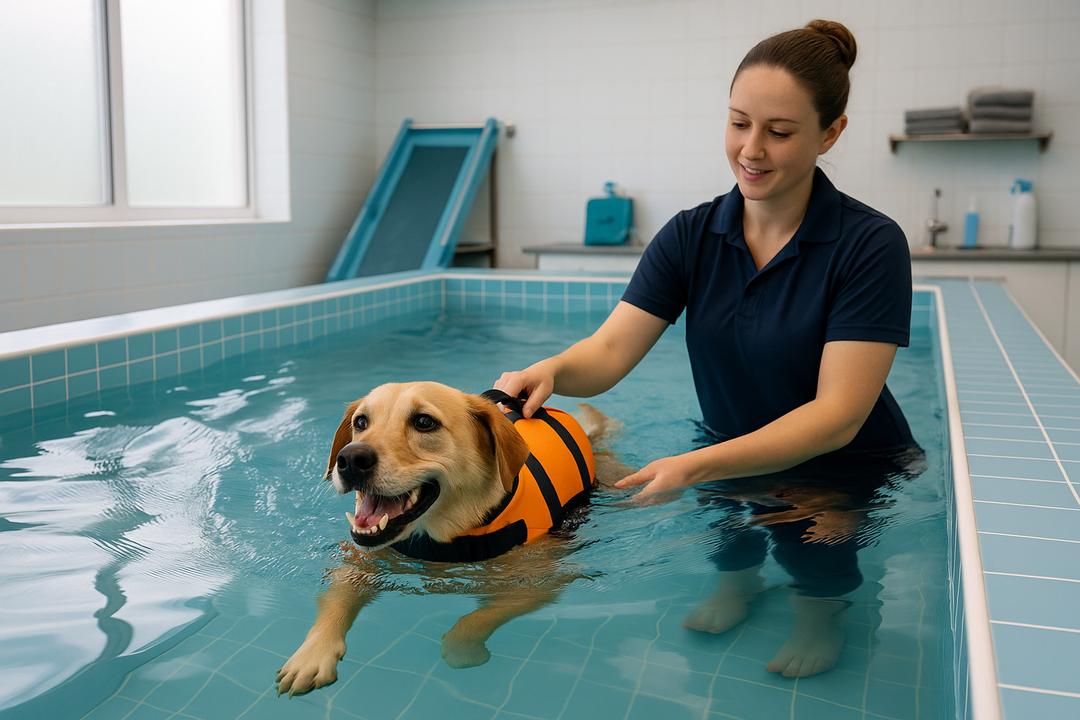
Swimming can be a useful low-impact activity for some dogs because water reduces the load on joints. It is not suitable for every dog, though, and some older dogs become tired or anxious in water. Controlled activity is the important part.
If you are considering hydrotherapy, ask your vet whether it suits your dog's arthritis, fitness and overall health.
Maintain a Consistent Daily Routine
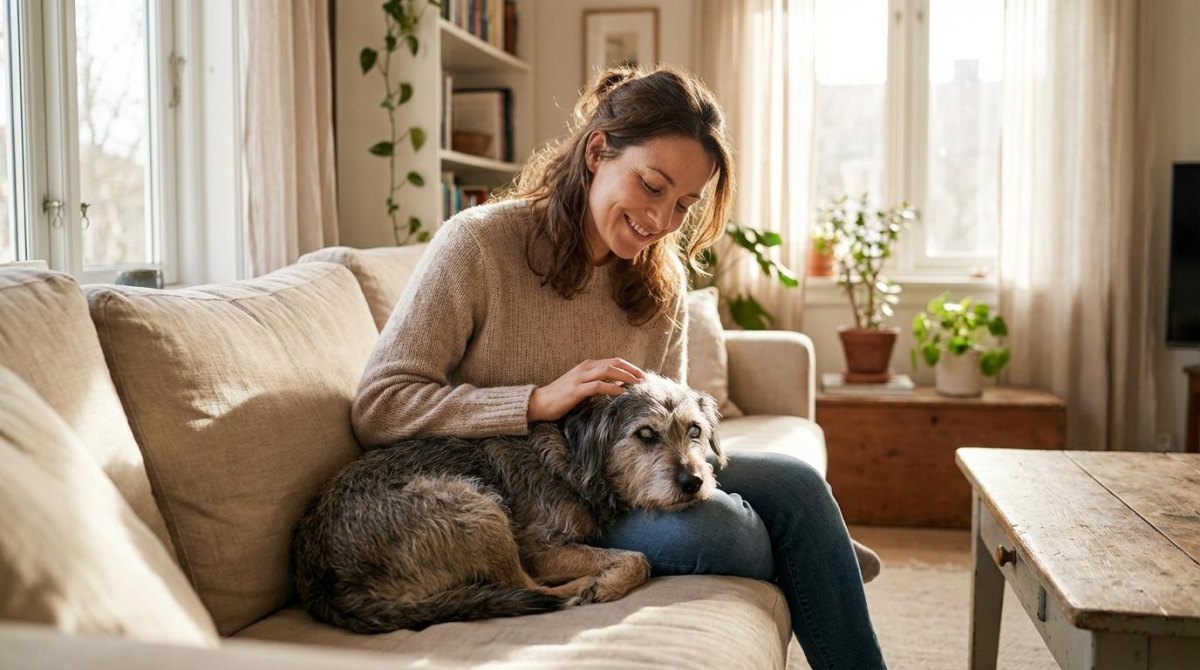
Older dogs often appreciate knowing what comes next. Skye is happier when meals, walks and rest happen at familiar times. A steady routine makes it easier for me to notice small changes in mobility and comfort.
I keep notes when something changes: stiffness, appetite, sleep or willingness to walk. Those details are genuinely useful at a veterinary appointment.
Use Natural Comfort Measures Like Turmeric Carefully

Natural remedies attract plenty of attention, but natural does not automatically mean safe or effective. Turmeric is often discussed online, yet I would not add it casually to an older dog's diet without checking first. Careful supplement choices matter.
My old nursing habit remains: ask what is known, what is safe for this individual dog and whether there is a better-supported option.
Monitor Arthritis Changes and Schedule Veterinary Checkups
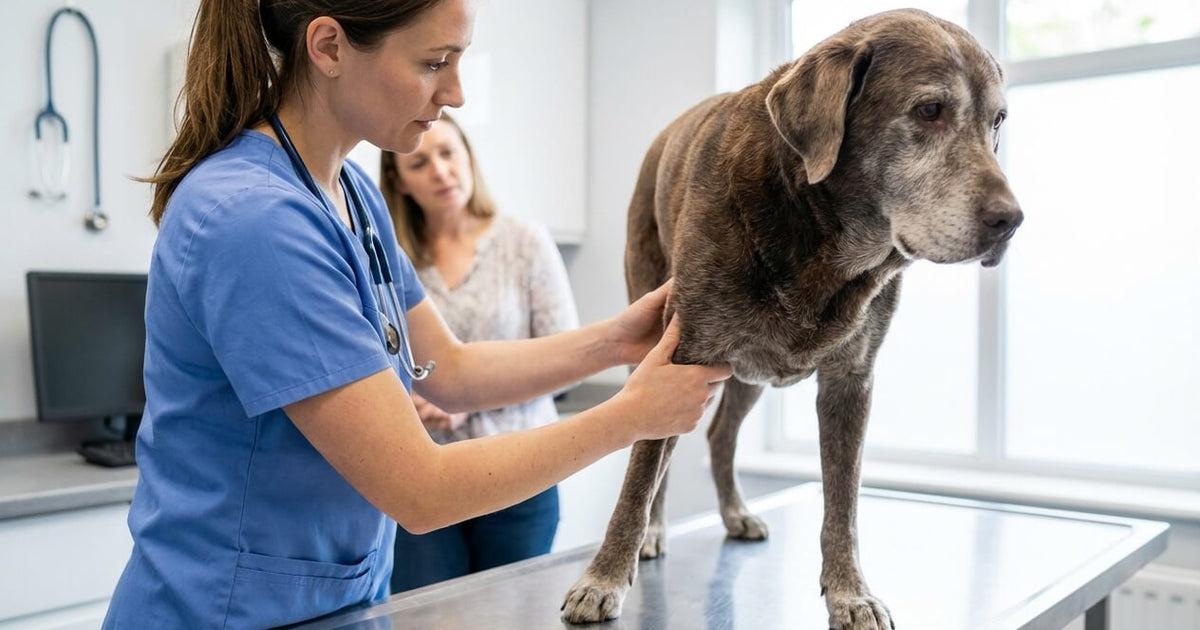
The best home remedy is noticing when home care is no longer enough. I spent years on the veterinary phone hearing from owners who wished they had called sooner. Early veterinary advice can prevent unnecessary discomfort.
Ring your vet promptly if your dog cannot walk, has sudden severe pain, collapses, struggles to breathe or shows another emergency sign. Ongoing stiffness, reduced appetite or gradual mobility changes deserve a planned appointment too.
Remember
Home adjustments can make life kinder, but arthritis care works best as a partnership with your own veterinary team.