
I have spent enough years with dogs to know that toy clutter appears almost by magic. One minute there is a neat corner, and the next there is a squeaky toy under the sofa and a muddy ball beside the door. My own collies have taught me that a good system matters more than having endless storage.
I like simple dog toy organisation that fits around real life. These are the methods I use to keep toys visible, washable and easy to reset, whether you have a small flat or a house with a garden. Toy rotation and sorting are also useful habits because they make it easier to notice damaged toys that need removing.
Use Labeled Bins for Quick Toy Sorting
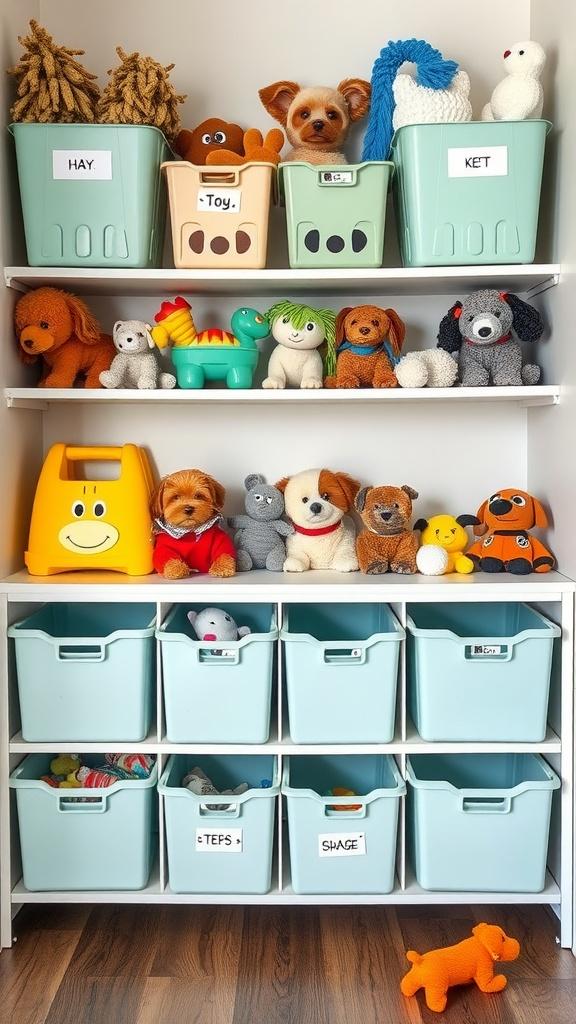
The quickest improvement I have found is giving every toy type a home. I use labelled containers for fast toy sorting, separating balls, soft toys, chews and puzzle items so I am not digging through a mountain of rubber and fluff.
Clear labels are especially helpful when more than one person looks after the dog. Storage bins with labels or open baskets make it easier to find what you need and keep the room looking calmer.
Create a Dedicated Dog Toy Station
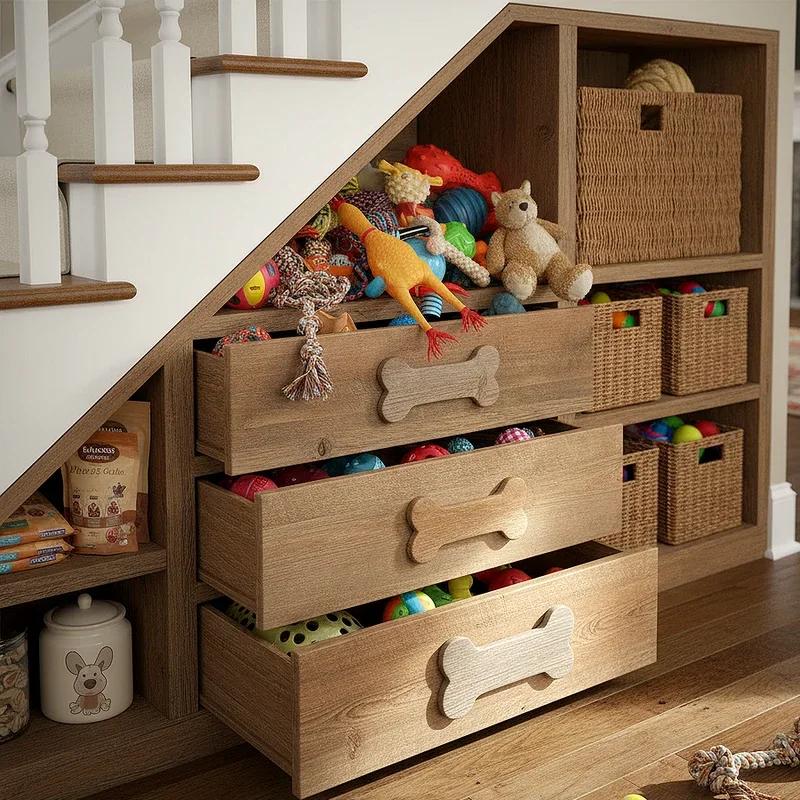
A toy station stops dog things spreading into every corner of the house. In my cottage, I prefer one reliable spot near the main living area rather than hiding everything away where nobody remembers it exists.
A good dog toy station might be a basket beside the sofa, a shelf in a utility room or a small corner with daily essentials. The aim is easy access without turning the whole room into a play zone.
My practical tip
Keep the everyday toys within reach and store the occasional toys elsewhere. It makes tidying take minutes, not an afternoon.
Repurpose a Shoe Organizer for Small Toys
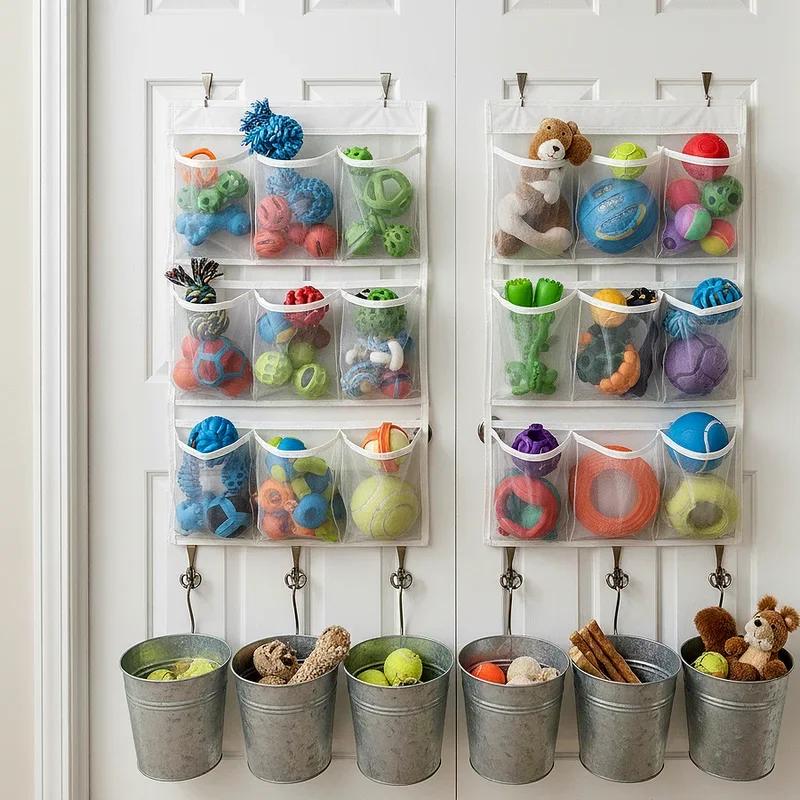
I am fond of storage ideas that cost very little. A hanging shoe organiser can become a useful home for small dog toys, especially balls, rope toys and little accessories that disappear easily.
This works particularly well in smaller homes where floor space is precious. Hanging storage keeps items visible while leaving cupboards and shelves free for other dog supplies.
Benefits
- Uses unused vertical space.
- Makes small toys easy to spot.
Things to consider
- Not suitable for dogs who pull storage down.
- Needs regular cleaning.
Store Toys in a Rotating Toy Basket System
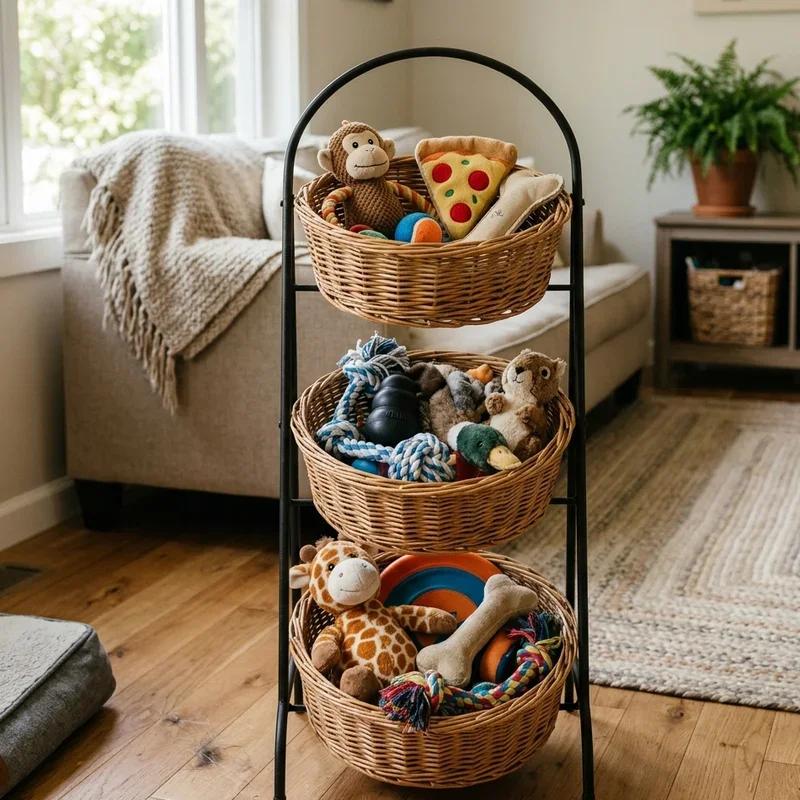
I stopped leaving every toy available years ago. A toy rotation system keeps the collection manageable and helps me notice which items are actually used. Research and practical guides commonly suggest keeping a smaller active selection and storing the rest away.
My approach is simple: a few favourites out, the rest stored neatly, then a swap when things feel stale. It also prevents the classic basket problem where the dog ignores everything except one old favourite.
- Gather. Collect all toys into one place.
- Sort. Keep useful items together and remove damaged ones.
- Rotate. Change the selection regularly.
Use Wall Hooks for Leashes and Fetch Toys
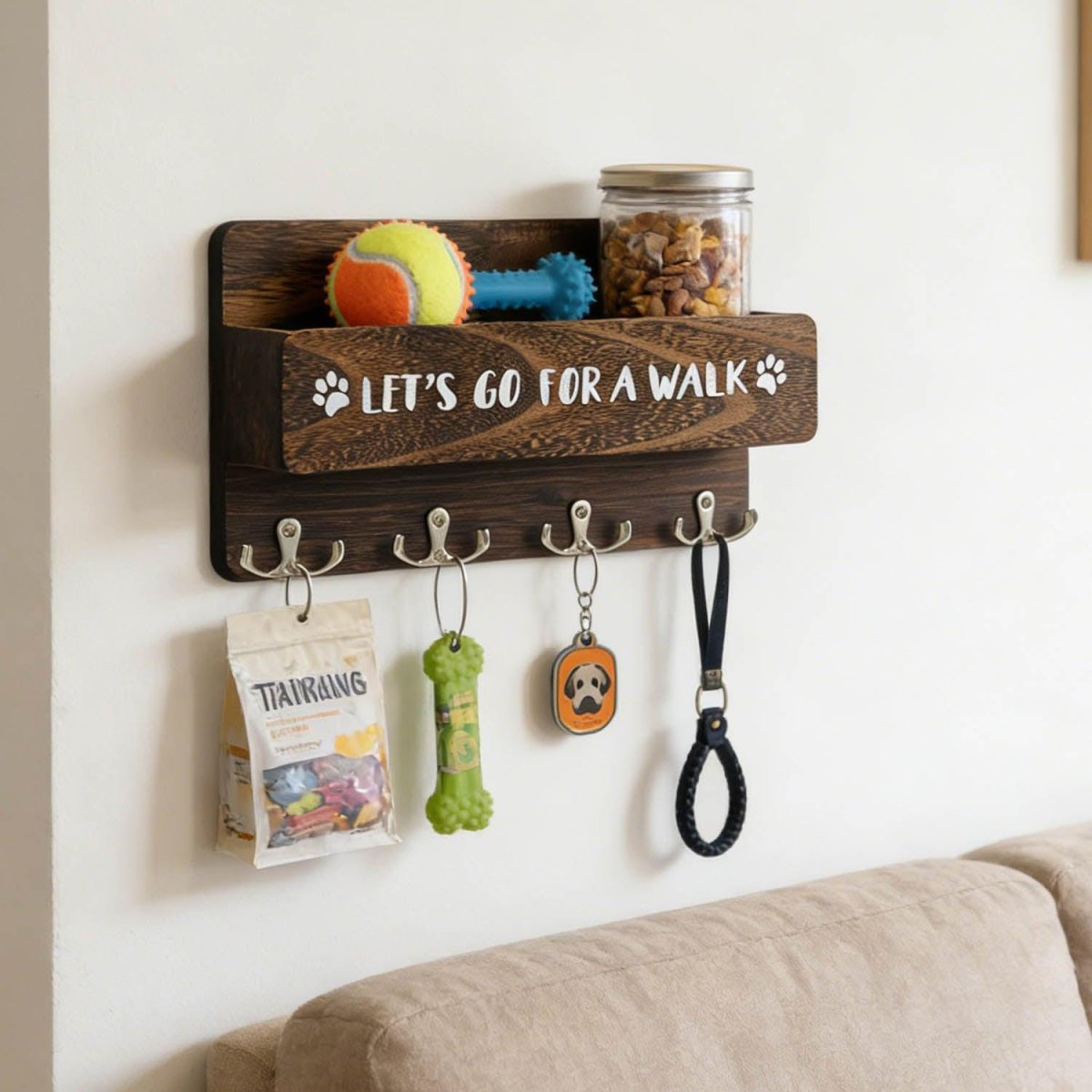
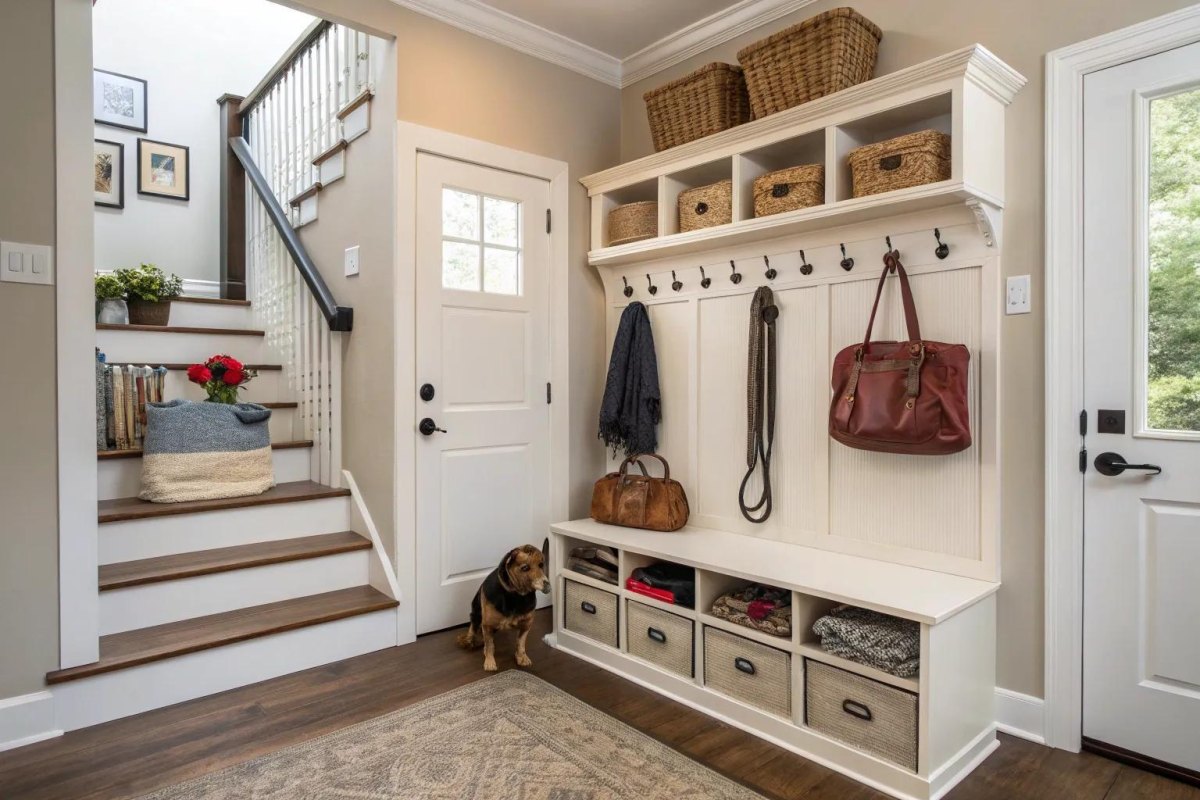
Wall hooks are one of those small changes that make daily routines smoother. I use vertical storage for items like leads and outdoor toys because muddy gear should not be mixed with indoor play things.
A simple hook area creates a dog walking storage zone near the door, which is especially handy during wet Scottish weather when everything seems to arrive covered in mud. Wall racks and hooks are also commonly recommended for keeping pet accessories organised.
Organize Toys by Play Type
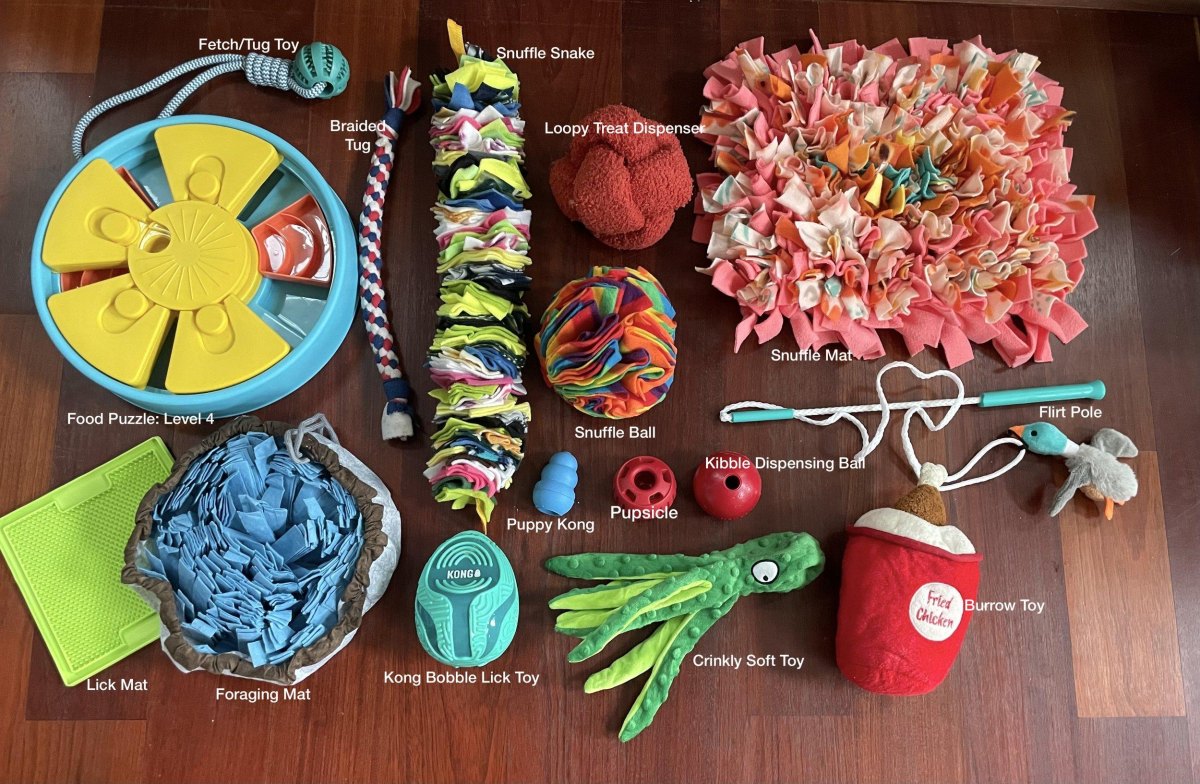
I find sorting by purpose much more useful than sorting by appearance. A basket full of random toys looks tidy until you need a specific item quickly.
Creating groups for chew, fetch and puzzle toys makes choosing easier and keeps your storage system practical. Sorting by function is also suggested as a useful way to manage toy collections.
| Category | Storage idea |
|---|---|
| Fetch toys | Open basket near play area |
| Chew toys | Separate clean container |
| Puzzle toys | Higher shelf or cupboard |
Add a Washable Toy Storage Basket
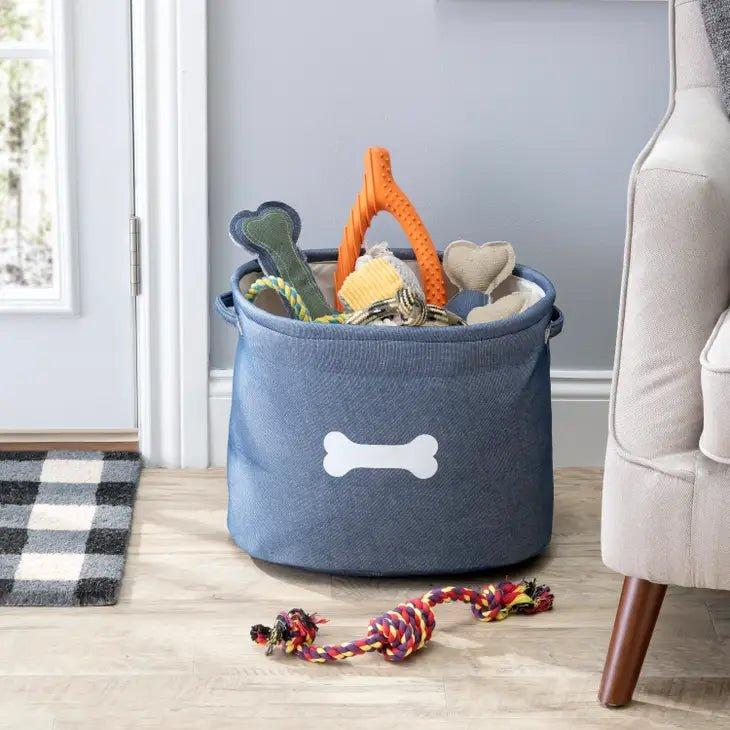
Dog toys collect dust, drool and the occasional bit of garden mud, so I prefer storage that can be cleaned. A washable basket is far more practical than something precious that cannot cope with everyday dog life.
A washable toy basket keeps the room looking pleasant while still being functional. Many pet storage baskets are designed to be moved, cleaned and reused for different household needs.
A small reminder
Check the care instructions for the basket material before washing it, especially if it has a lining or frame.
Build an Under-Furniture Toy Storage Solution
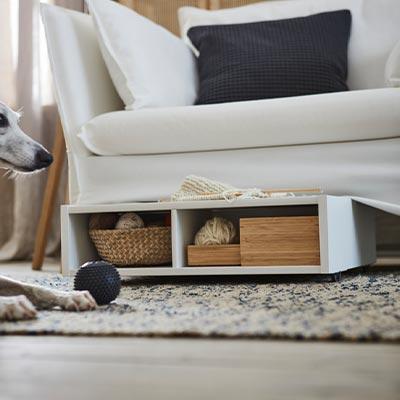
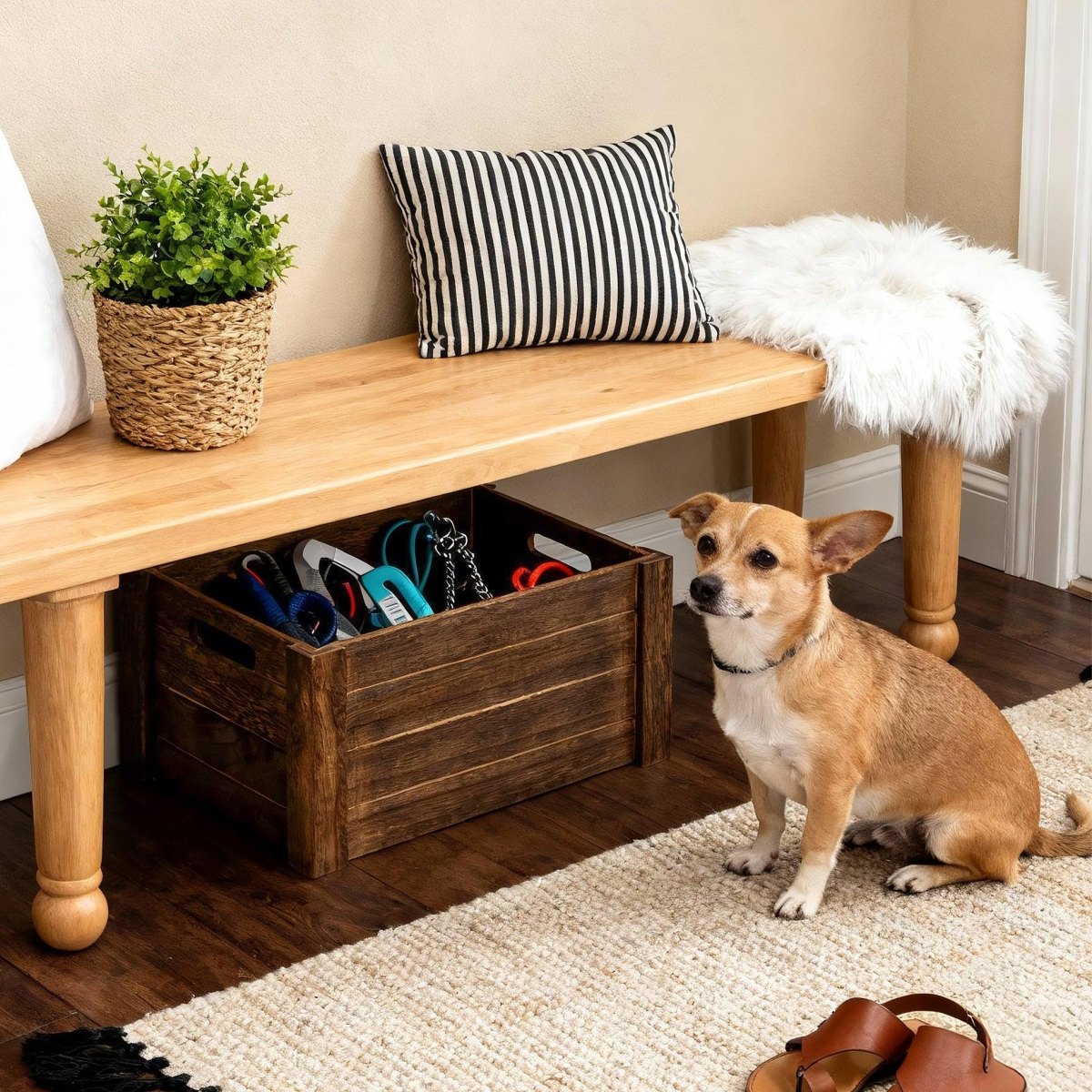
Under-furniture storage is brilliant when space is limited. I have used shallow boxes and baskets in tucked-away places because not every dog item needs to be on display.
The key is creating hidden toy storage that remains easy for you to access during cleaning. A good system should reduce clutter without becoming a forgotten cupboard of old toys.
Small space idea
Use low containers under suitable furniture for spare toys, then keep one everyday basket available in the main room.
Create a Toy Cleaning and Drying Area
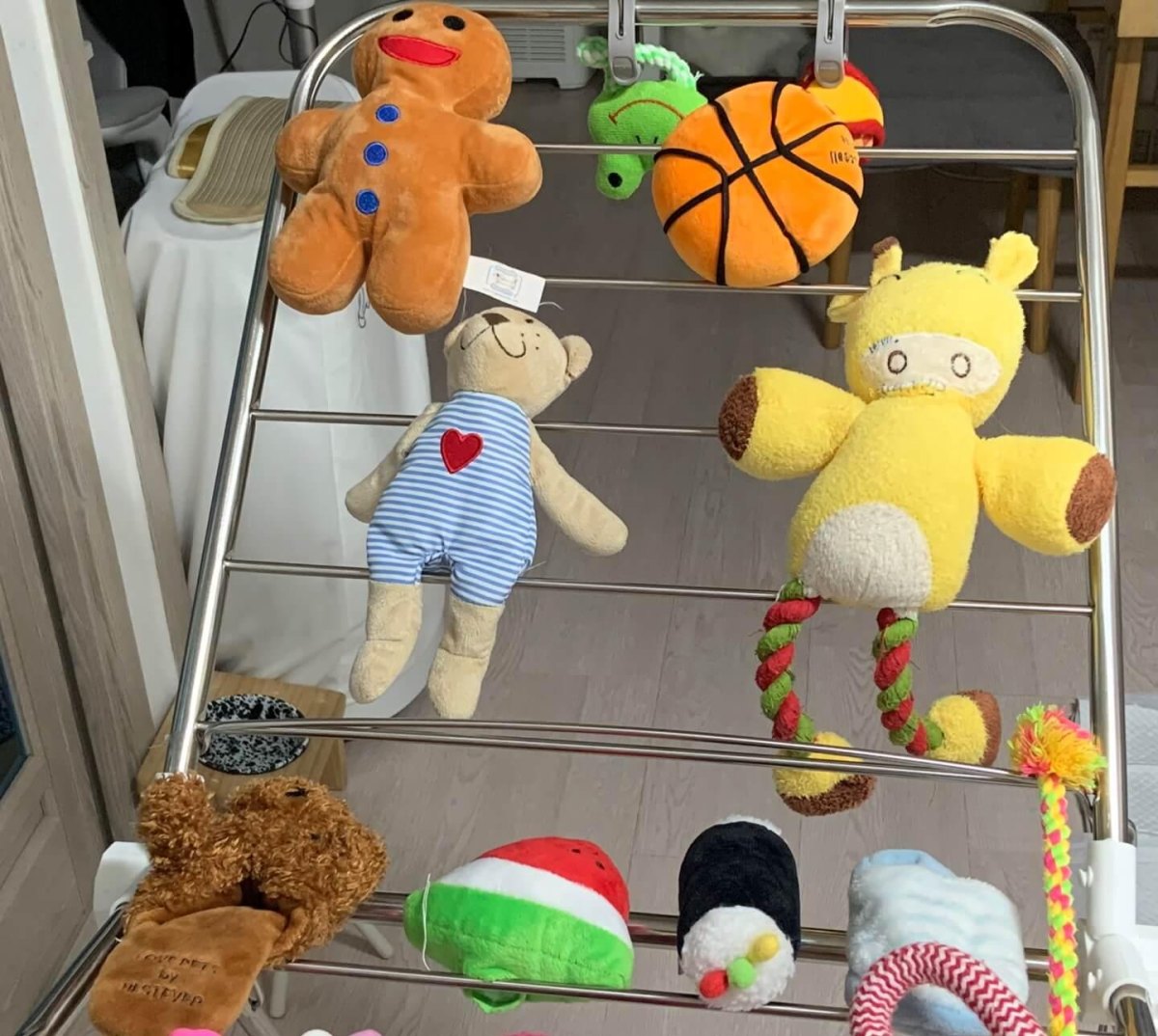
Living with dogs means accepting that toys need maintenance. After muddy walks, I like having a set place where wet items can be cleaned and dried before returning to storage.
A simple toy cleaning area can be a washable mat, a drying rack or a corner near the utility room. Regular checks also help you spot fraying, cracks or missing pieces before toys become unusable.
Declutter with a Regular Toy Rotation Schedule
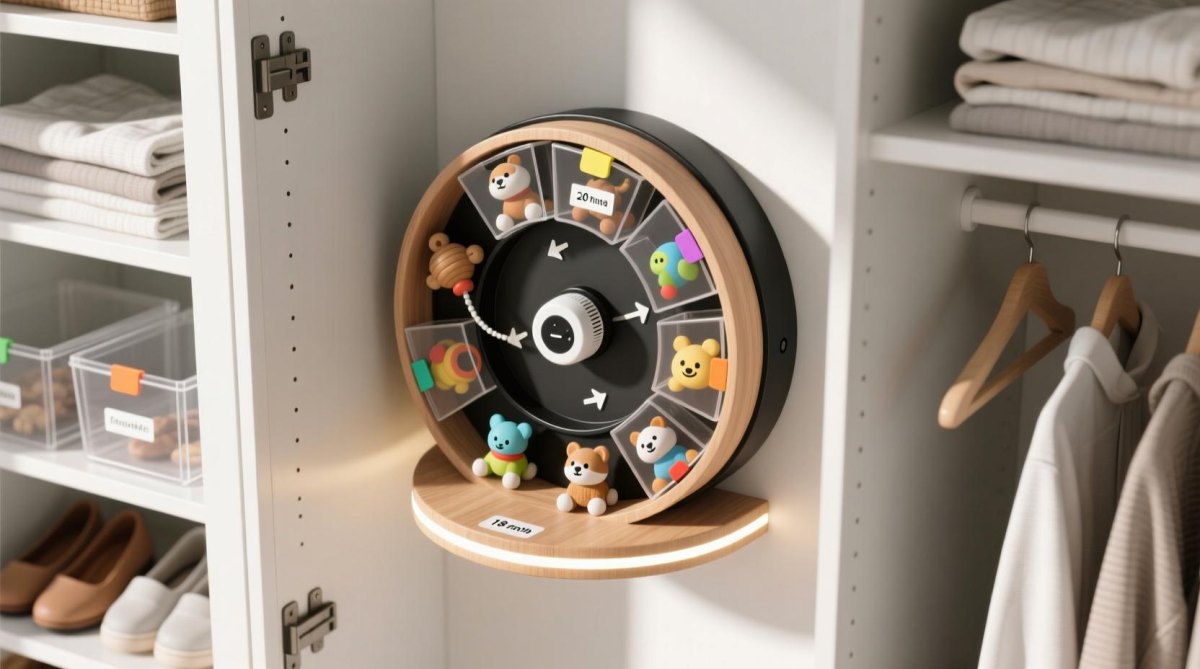
The final trick is not really storage at all; it is routine. A short reset every week or two keeps the collection under control and stops forgotten toys multiplying behind furniture.
I use a regular toy rotation schedule rather than buying more whenever things feel boring. Rotating existing toys can make play feel fresher while keeping the home easier to manage.
10 minutes
A simple weekly reset can be enough for many homes