
Senior dogs do not stop being themselves when accidents start. They simply need a little more planning, patience and comfort. I have lived through these years with my own dogs, and after nineteen years as a veterinary nurse, I know how much difference small daily changes can make.
I am an RVN but I left clinical practice in 2016, so I do not diagnose or prescribe from a blog. If your older dog develops new incontinence, your own vet is the right person to investigate why. My aim here is to share the practical things that help at home while you arrange the right advice.
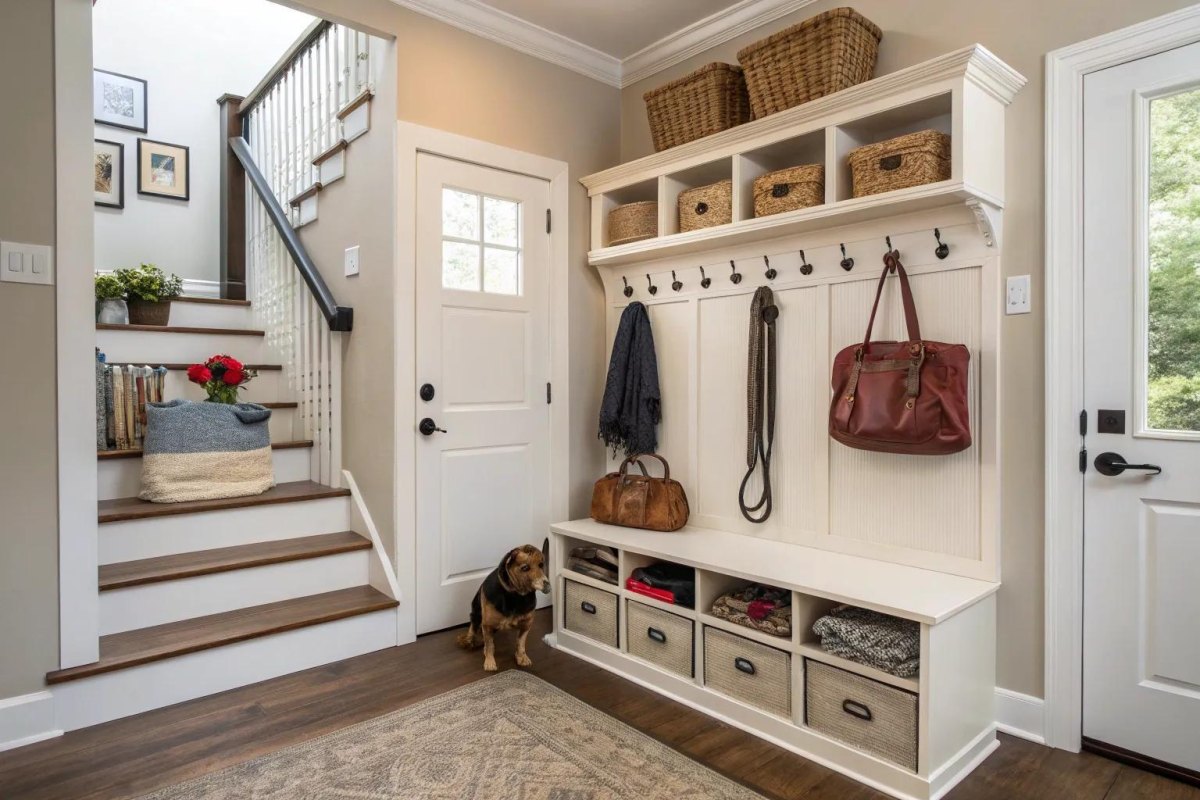
Schedule More Frequent Bathroom Breaks
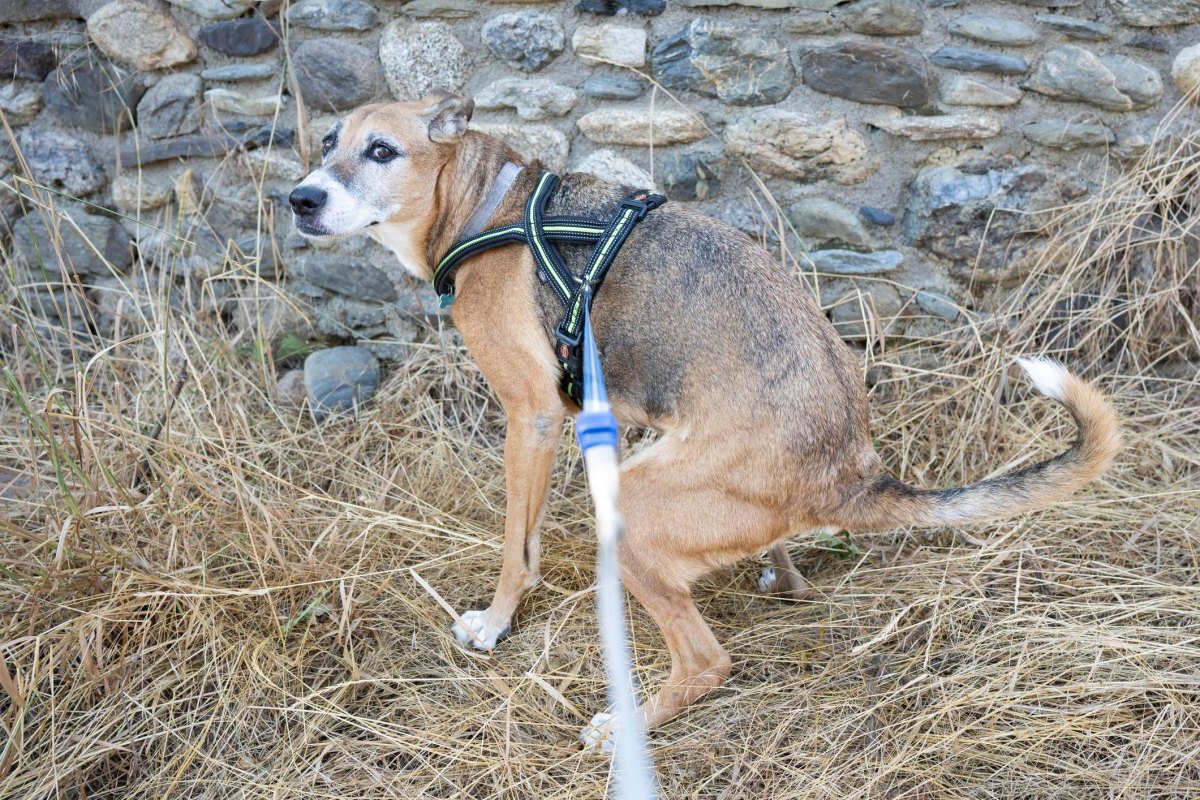
One of the simplest changes I suggest is offering more chances to go outside. An older dog may not be able to hold urine as long as they once did, especially if mobility has slowed. regular toilet trips can prevent many stressful accidents.
What helps most
- Shorter gaps between outdoor breaks
- A clear route to the garden
- Extra opportunities after sleeping, eating and drinking
Sudden accidents in a previously house-trained dog deserve attention because medical or physical causes can be involved rather than ageing alone.
Use Dog Incontinence Pads and Diapers
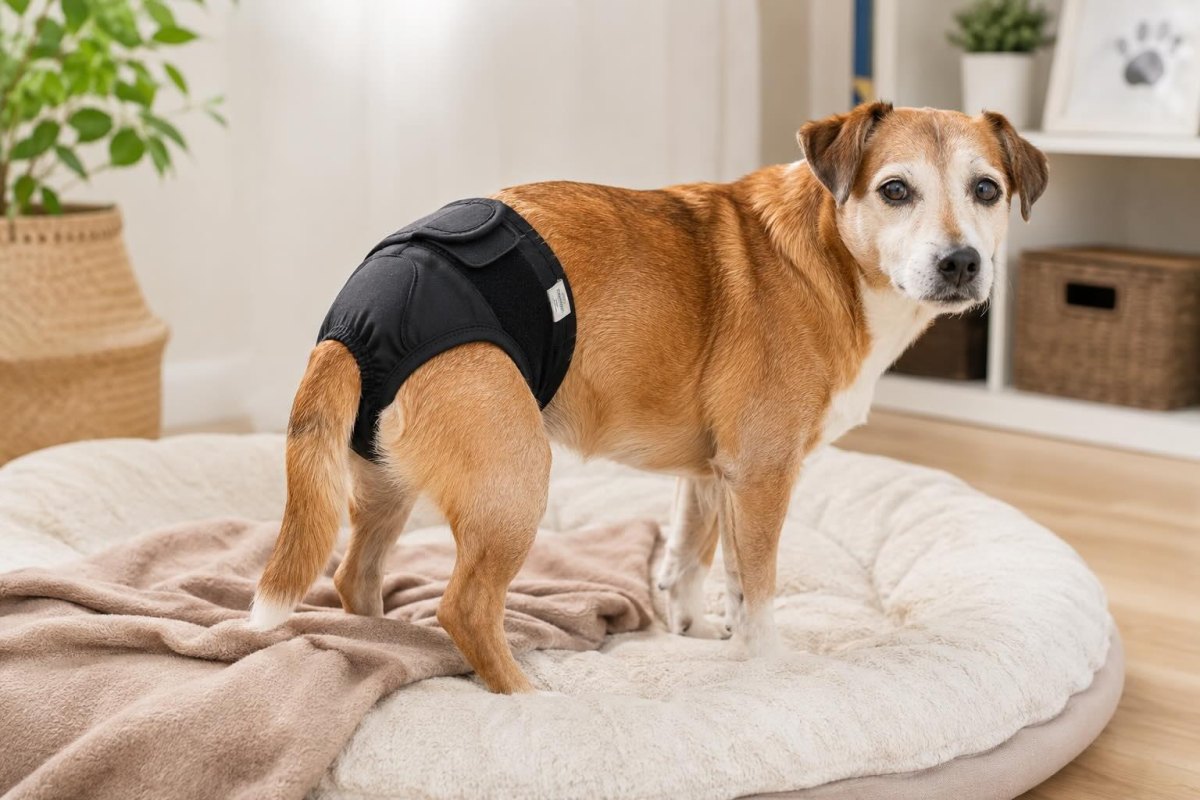
Dog nappies and pads can be a useful management tool, particularly for dogs who cannot get outside quickly. I see them as comfort equipment, not a replacement for finding out why accidents are happening.
A practical tip
Change wet items promptly and check the skin underneath. Moisture sitting against the coat and skin can contribute to irritation.
Veterinary guidance notes that diapers may help senior dogs, but owners should watch for urine scalding and skin problems.
Create an Easy-to-Clean Sleeping Area
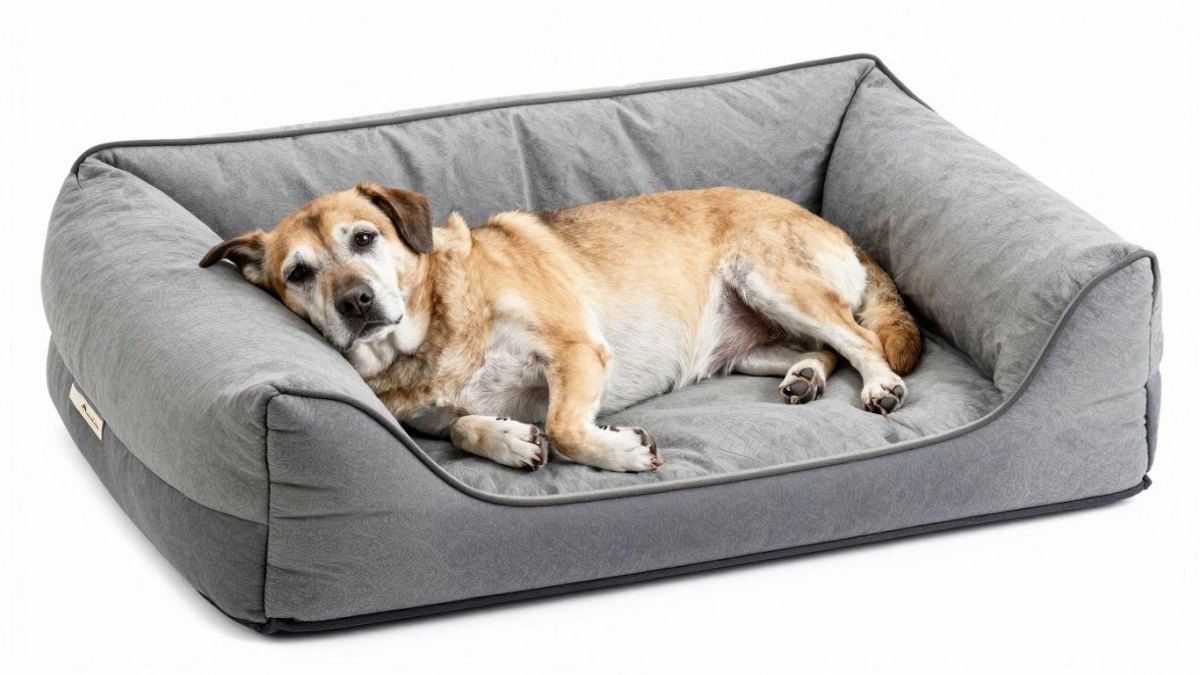
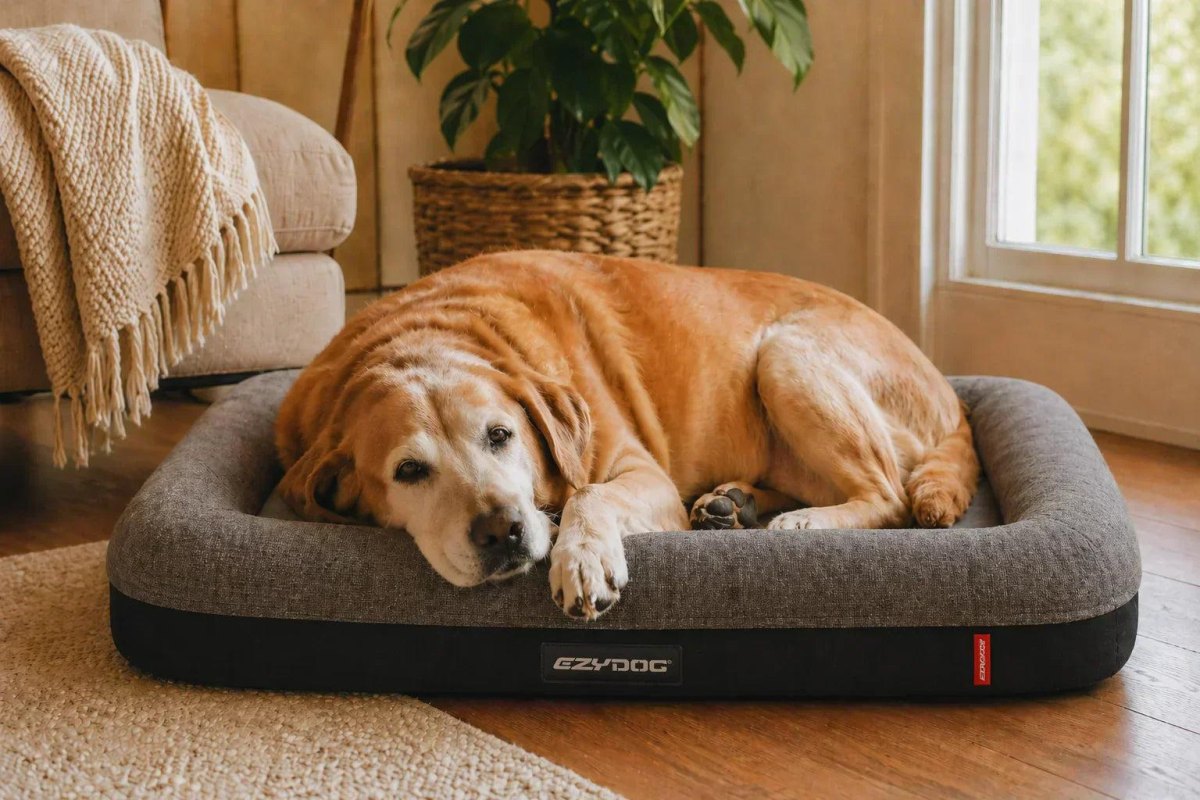
A senior dog needs a bed that is kind to old joints and realistic for accidents. I prefer washable bedding layers so one wet night does not become a household disaster.
At our cottage, practical wins every time. Skye’s bed is chosen for her comfort first, and my laundry basket second.
Keep Your Senior Dog’s Skin Clean and Dry
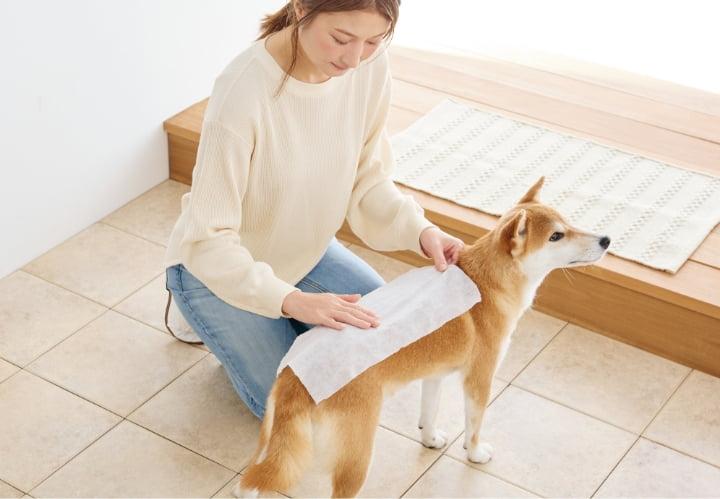
Urine on the coat is uncomfortable and can quickly become a skin issue. Gentle cleaning and drying are part of good senior care, especially for dogs with thick coats. daily skin checks are worth the few minutes.
Watch for
Redness, soreness, a strong smell or areas that look painful should be discussed with your vet.
I spent years grooming dogs, and older skin deserves the same careful attention as an older person’s skin: kind handling, no rushing.
Talk to Your Veterinarian About Medical Causes
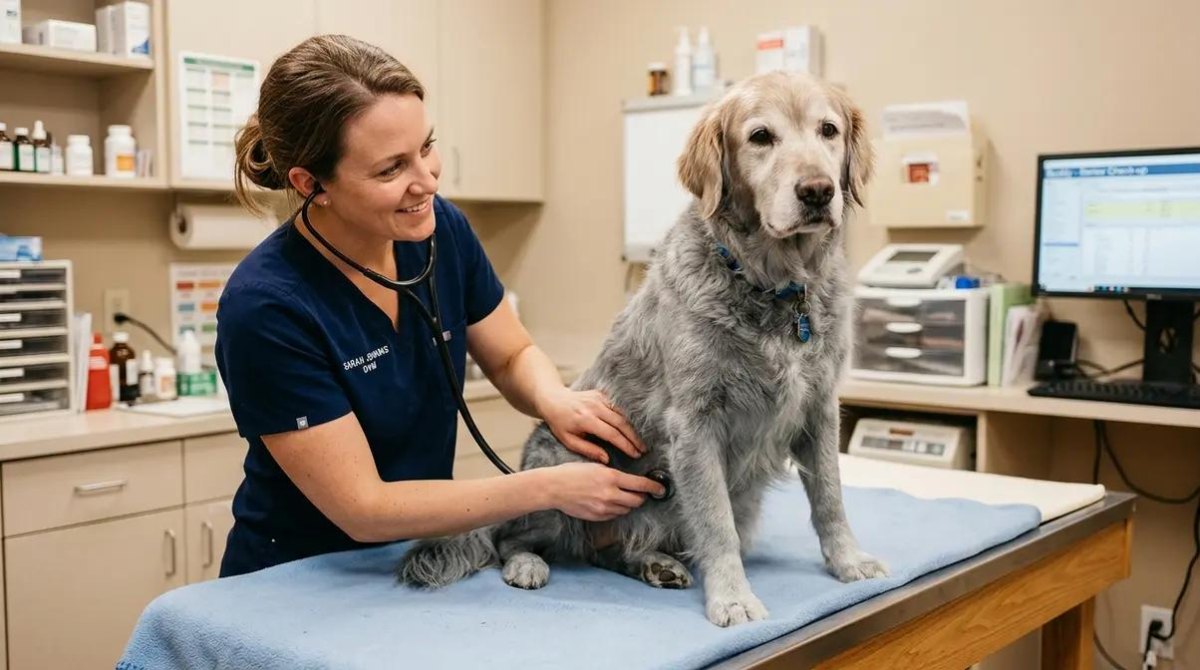
Incontinence is a symptom, not a diagnosis. Hormonal changes, urinary problems, kidney conditions, pain and other health issues can all be part of the picture. vet assessment matters when changes appear.
My old nursing instincts are still there, but I have been out of practice since 2016. Current tests and treatments belong with your own veterinary team.
Adjust Your Dog’s Diet and Water Routine
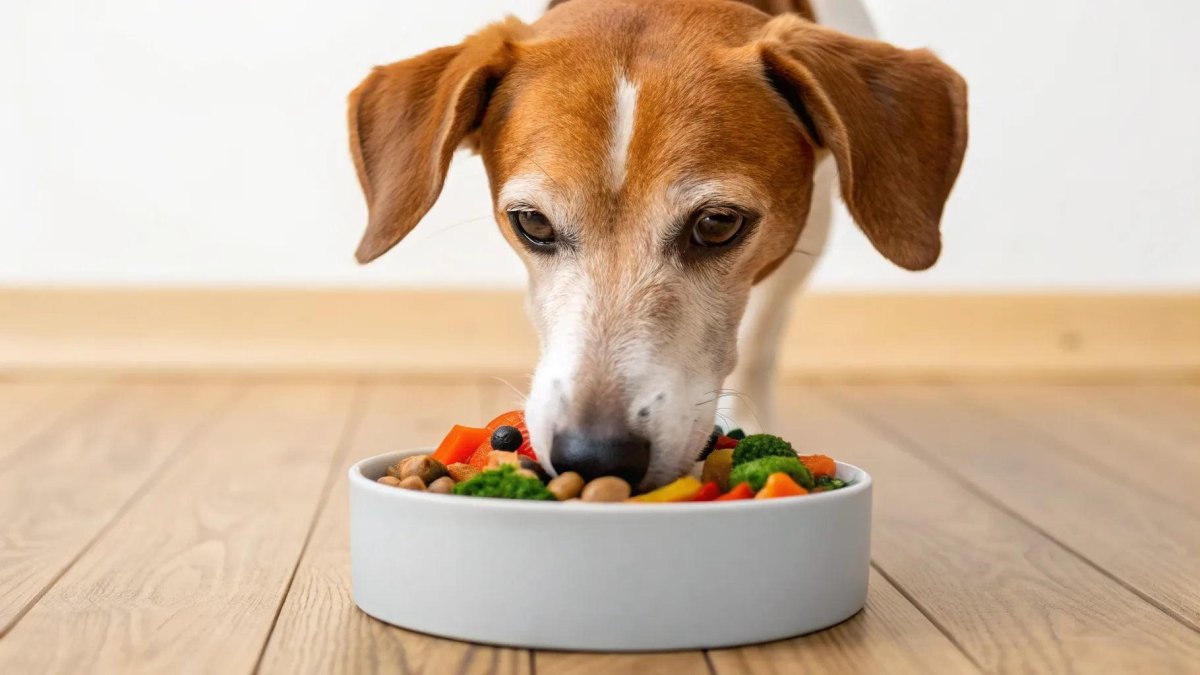
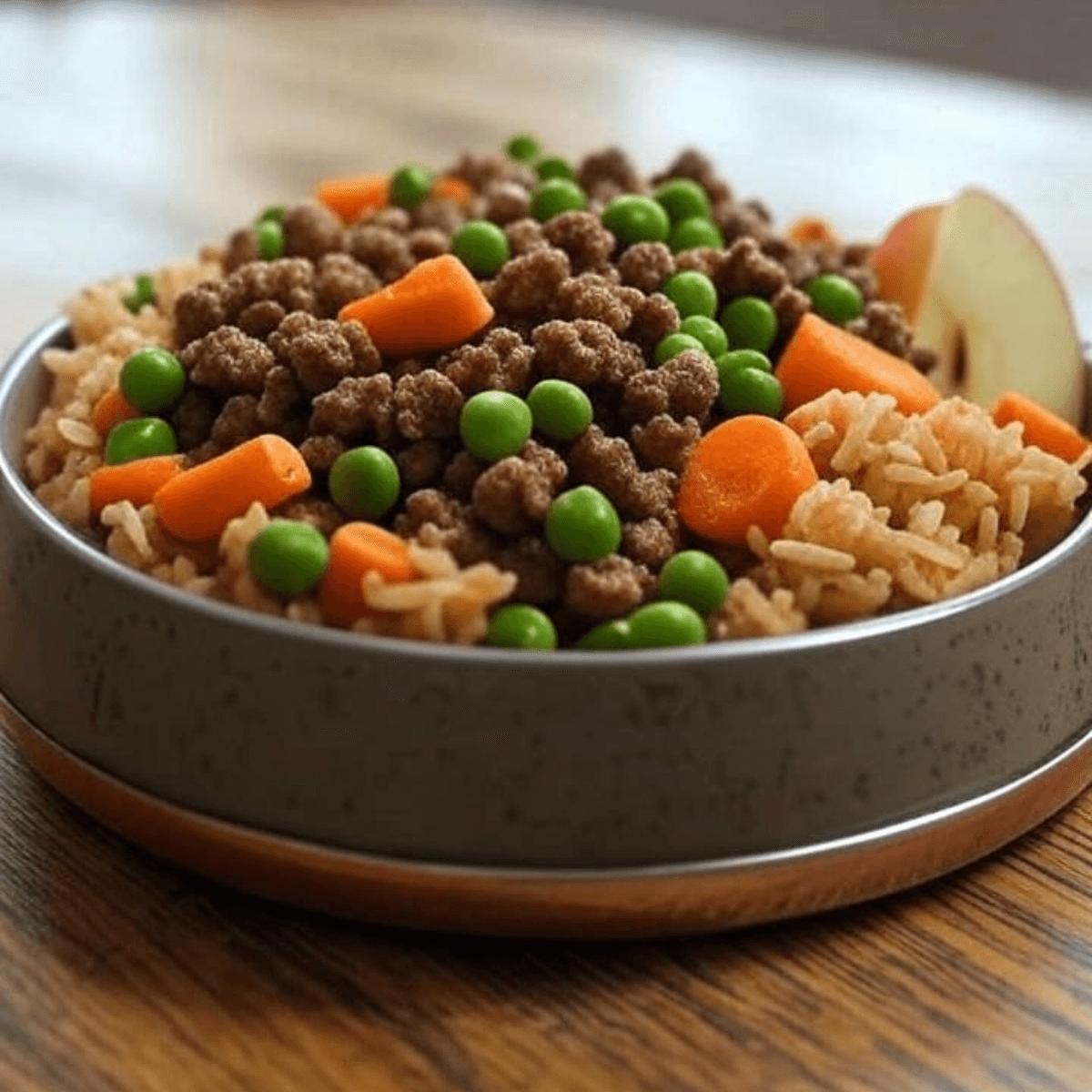
Food and water changes should be thoughtful rather than rushed. I avoid making sweeping diet changes when a senior dog is struggling because steady routines help owners notice what is really happening.
| Situation | Helpful approach |
|---|---|
| New thirst changes | Discuss with your vet |
| Diet change needed | Transition gradually |
For any therapeutic diet or medical condition, I would always involve a vet or qualified veterinary nutrition professional.
Support Mobility With Ramps and Non-Slip Surfaces
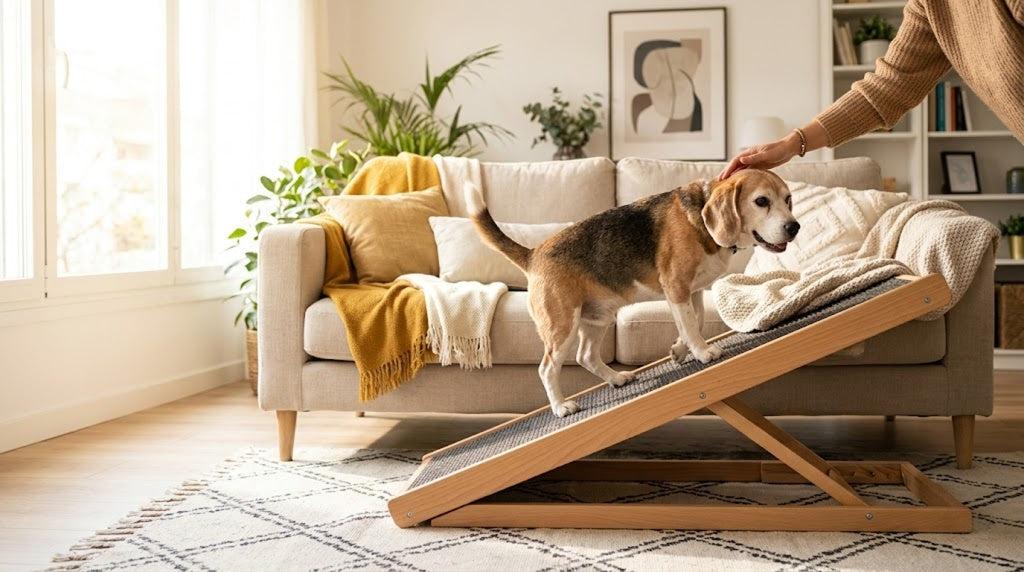
Many senior dogs have two problems together: they need to toilet more often, but getting there is harder. Simple home changes such as better traction and access can make a surprising difference.
Benefits
- Fewer slips
- Easier movement around the home
Things to consider
- Ramps need safe surfaces
- Dogs may need time to accept them
Ramps and non-slip changes can help older dogs move more safely, particularly those with joint problems.
Monitor Signs of Urinary Problems
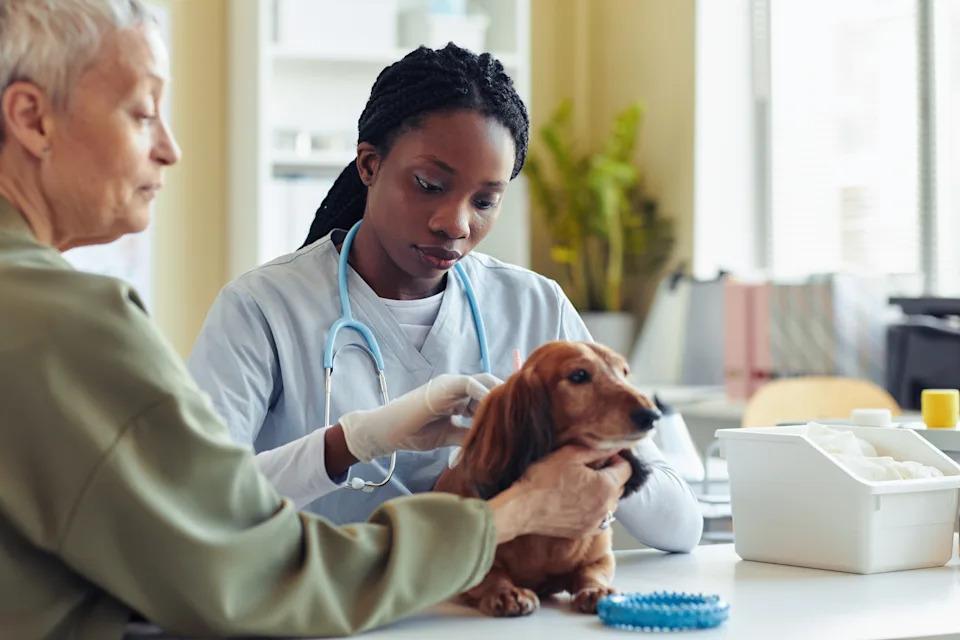
I encourage owners to become good observers rather than worriers. Note what changed, when it started and whether your dog seems uncomfortable. clear observations help vets make decisions.
Ring your vet promptly
Straining without producing urine, collapse, breathing difficulty or suspected poisoning are not wait-and-see situations.
A little notebook beside the kettle is often more useful than trying to remember details later.
Maintain a Consistent Daily Routine
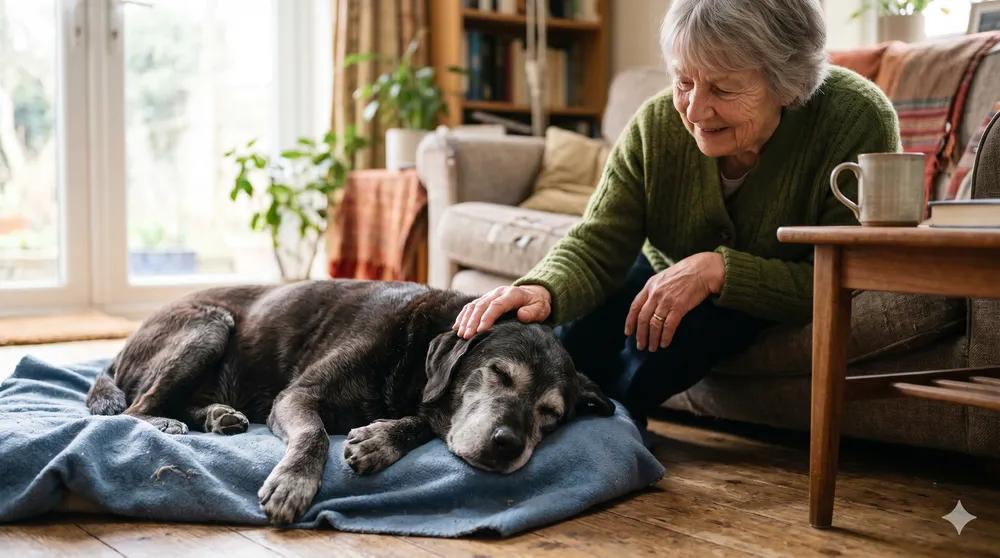
Older dogs often cope better when their day has a familiar rhythm. Meals, walks and toilet opportunities at predictable times can reduce confusion and help owners spot changes. routine creates reassurance.
This is especially helpful when senior dogs have several needs happening at once, from mobility to medication.
Provide Comfort and Emotional Support
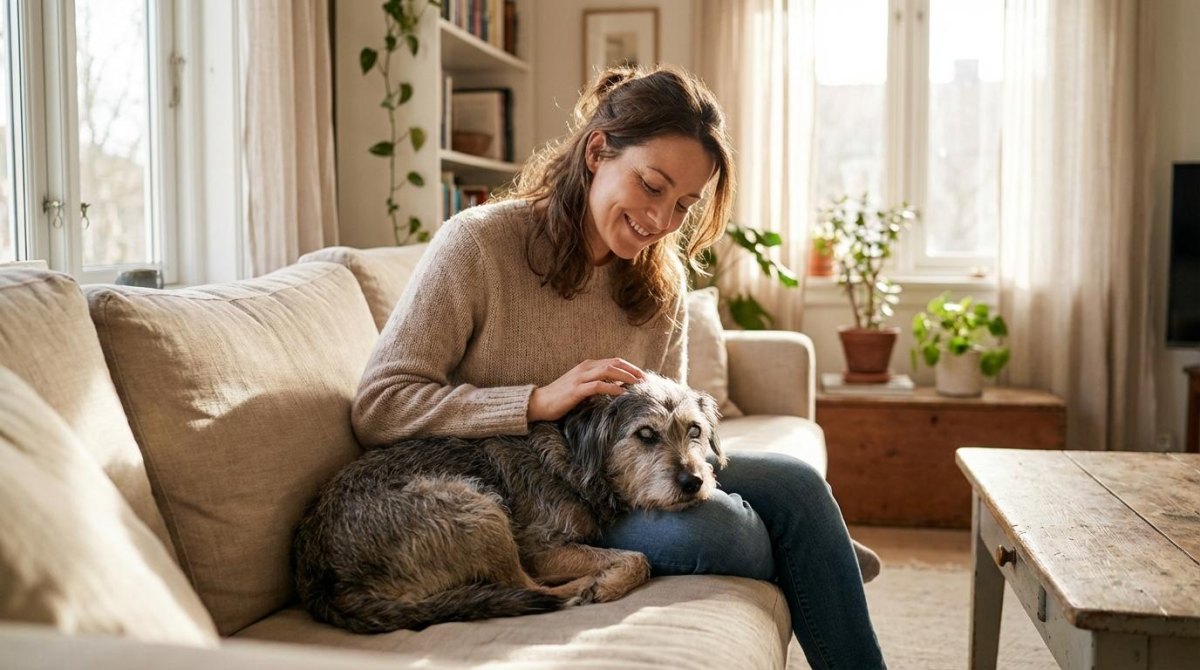
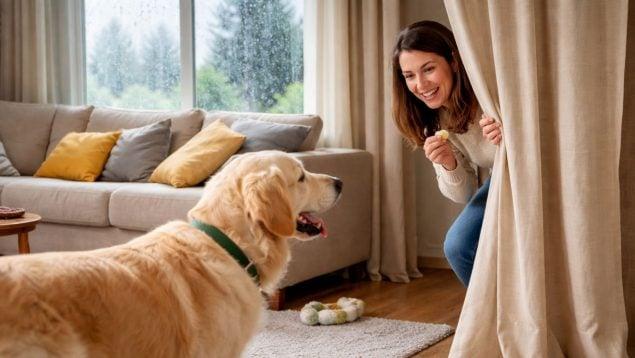
Accidents can be frustrating for people, but they are rarely something a dog chooses. I always come back to kind practical care because embarrassment belongs to us, not them.
Older dogs have earned a little extra patience.
Fiona Ellis
Skye cannot do everything she once did, but she still wants the same things: company, a comfortable bed and a place in the family.
Consider Medication and Long-Term Care Options
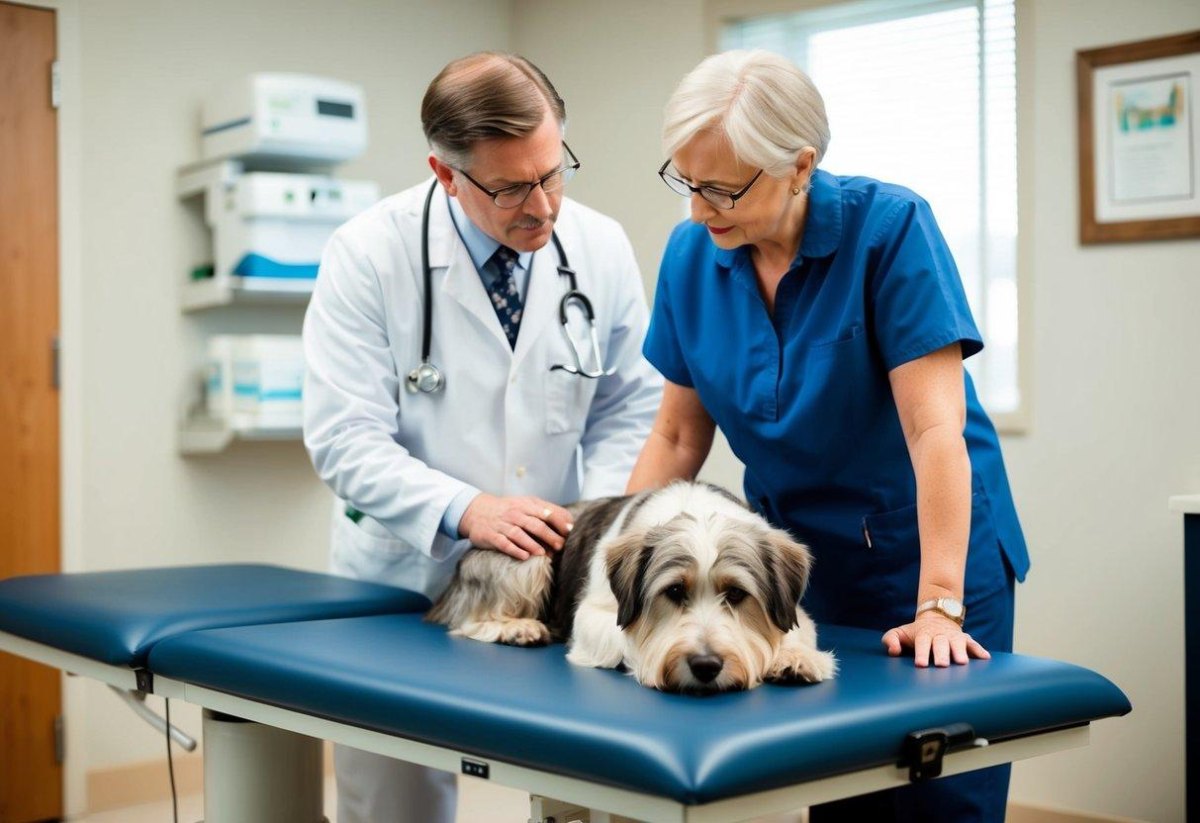
Some dogs with urinary incontinence may benefit from veterinary treatment, but the right option depends entirely on the individual dog. long-term plans need teamwork between you and your vet.
Think beyond the accident
Senior care is about preserving comfort, dignity and quality of life, not simply stopping one symptom.
I have seen many older dogs continue to enjoy good years with sensible adjustments, careful monitoring and the right support.
More Pinterest Visuals