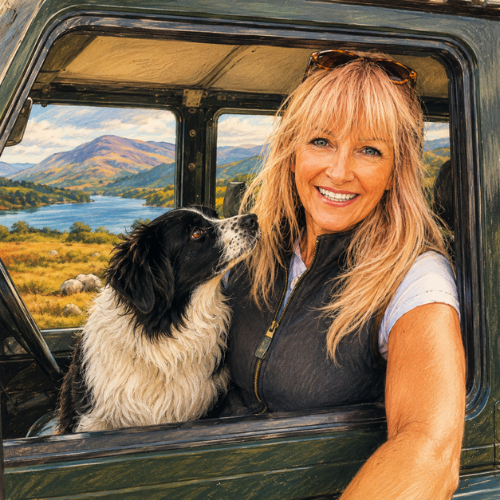
When Skye slowed down, I learned that play did not disappear; it simply changed shape. An older dog may not want the same wild chases as a youngster, but they still enjoy a good sniff, a familiar toy and a little attention from us.
What I look for in senior dog play
- Low-impact activities that respect ageing joints
- Games that encourage curiosity without exhaustion
- Short sessions that leave a dog wanting more
I have spent years around older dogs, both at my veterinary practice days and now with Skye at home. Current guidance also highlights the value of age-appropriate exercise and mental stimulation for senior dogs.
Gentle Indoor Hide-and-Seek Games
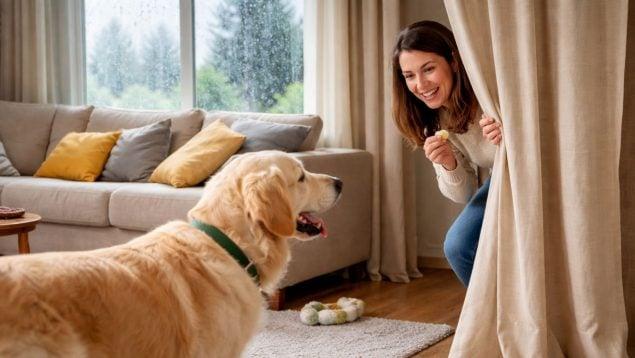
I love hide-and-seek for senior dogs because it uses their nose and curiosity rather than asking tired legs to do too much. The game can be as simple as hiding behind a door or placing a favourite toy nearby.
Keep the search easy at first. The aim is pleasant mental stimulation, not a difficult challenge that leaves your old friend frustrated.
Slow Sniffing Treasure Hunts
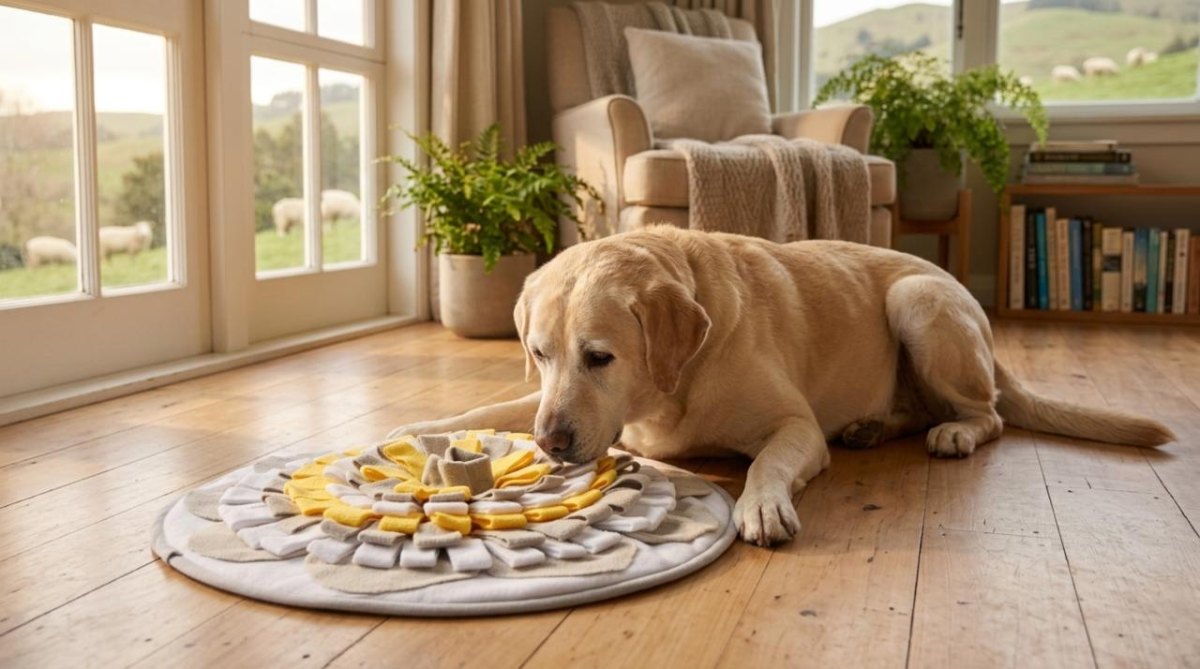
A sniffing treasure hunt is one of my favourite rainy-day activities. I scatter a few treats from their daily allowance or hide them around one safe room so the dog can investigate at their own pace.
For a senior dog, nose-led enrichment is often a wonderful alternative when long walks become harder.
My tip
Use familiar foods and avoid slippery floors so your older dog feels confident while searching.
Soft Toy Tug for Older Dogs
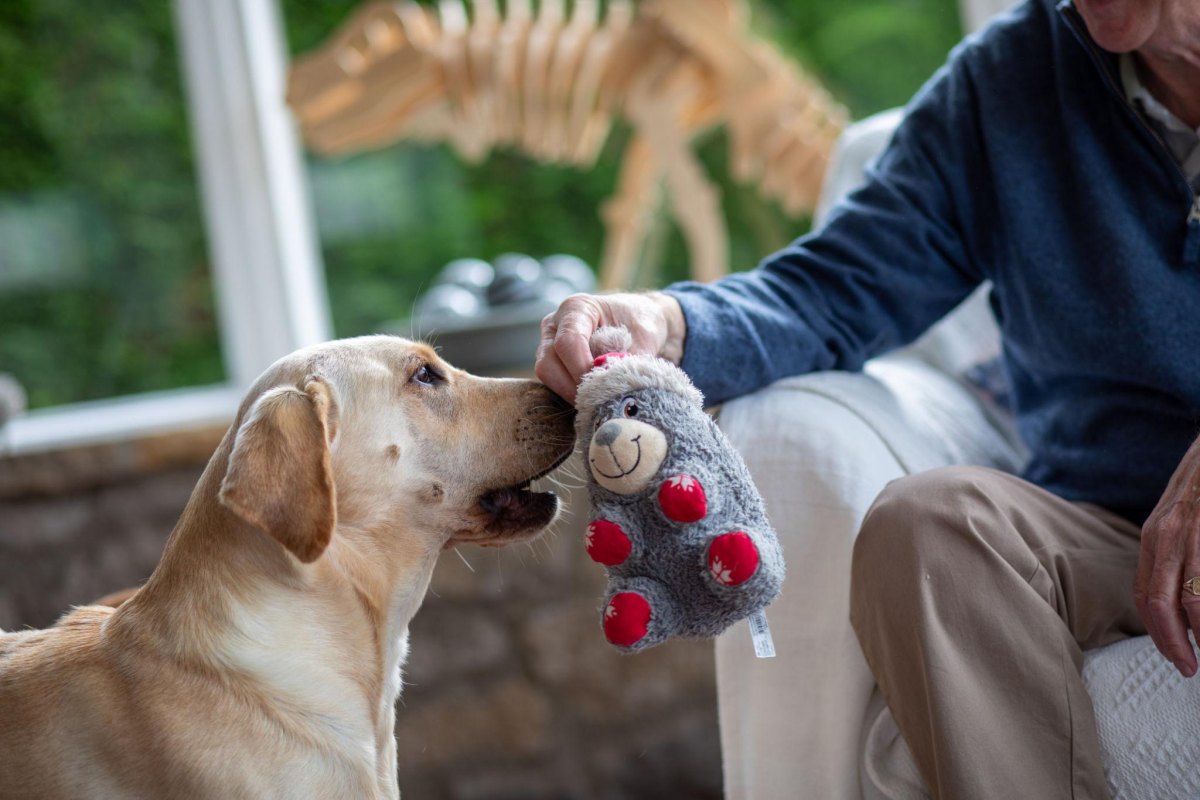
Tug does not have to be a rough contest. I use soft toys and let Skye decide the pace, with gentle movements rather than pulling or twisting. Older dogs often enjoy quiet interactive play just as much as puppies do.
If a dog shows discomfort, I stop. Play should always feel like a choice, not a test of strength.
Puzzle Feeders and Brain Games
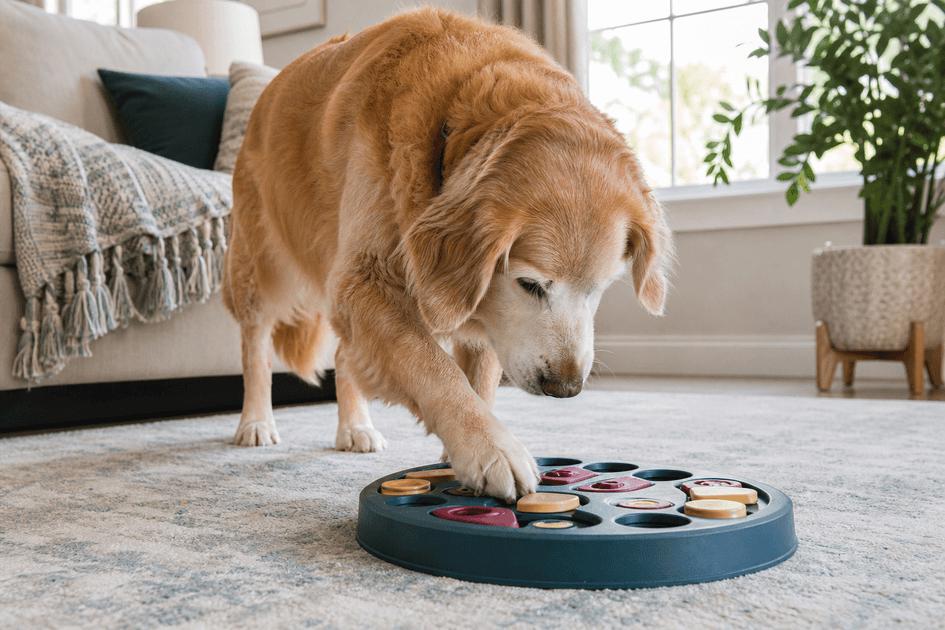
Puzzle feeders can turn part of a meal into something interesting. I like simple designs where a senior dog can succeed without becoming overwhelmed.
The best puzzle is one that provides confidence and curiosity.
Short Backyard Exploration Walks
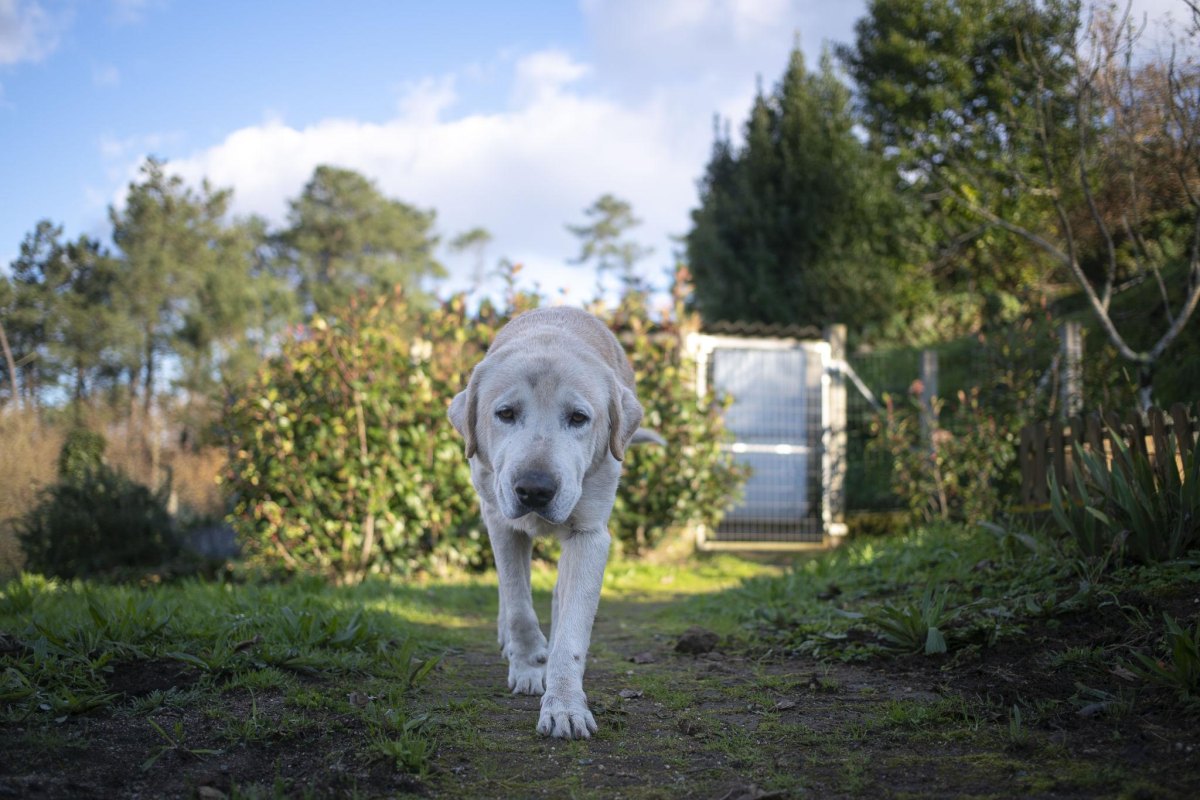
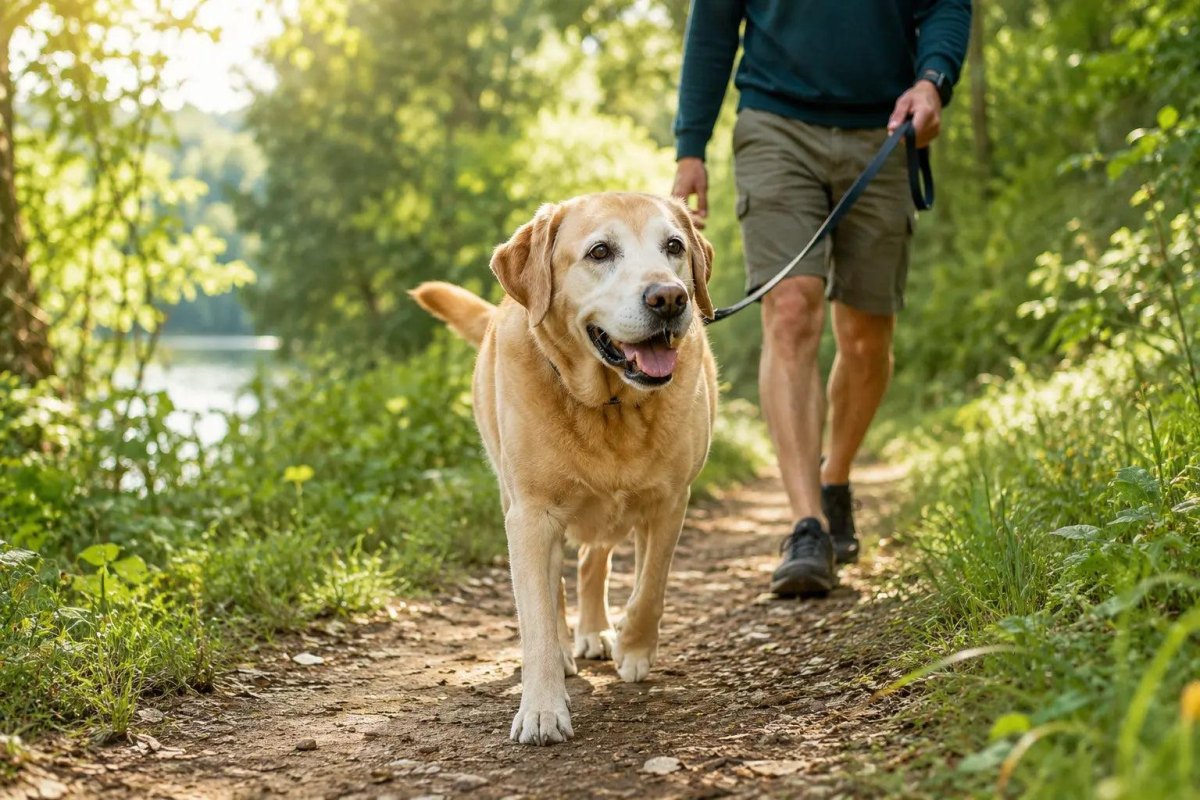
A short wander around the garden can be just as valuable as a longer walk. I let older dogs stop, sniff and look around because that is part of the experience. Low-impact exercise can support senior dogs when adapted to their needs.
For Skye, slow exploring beats chasing a ball across a field these days.
Water Play on Warm Days
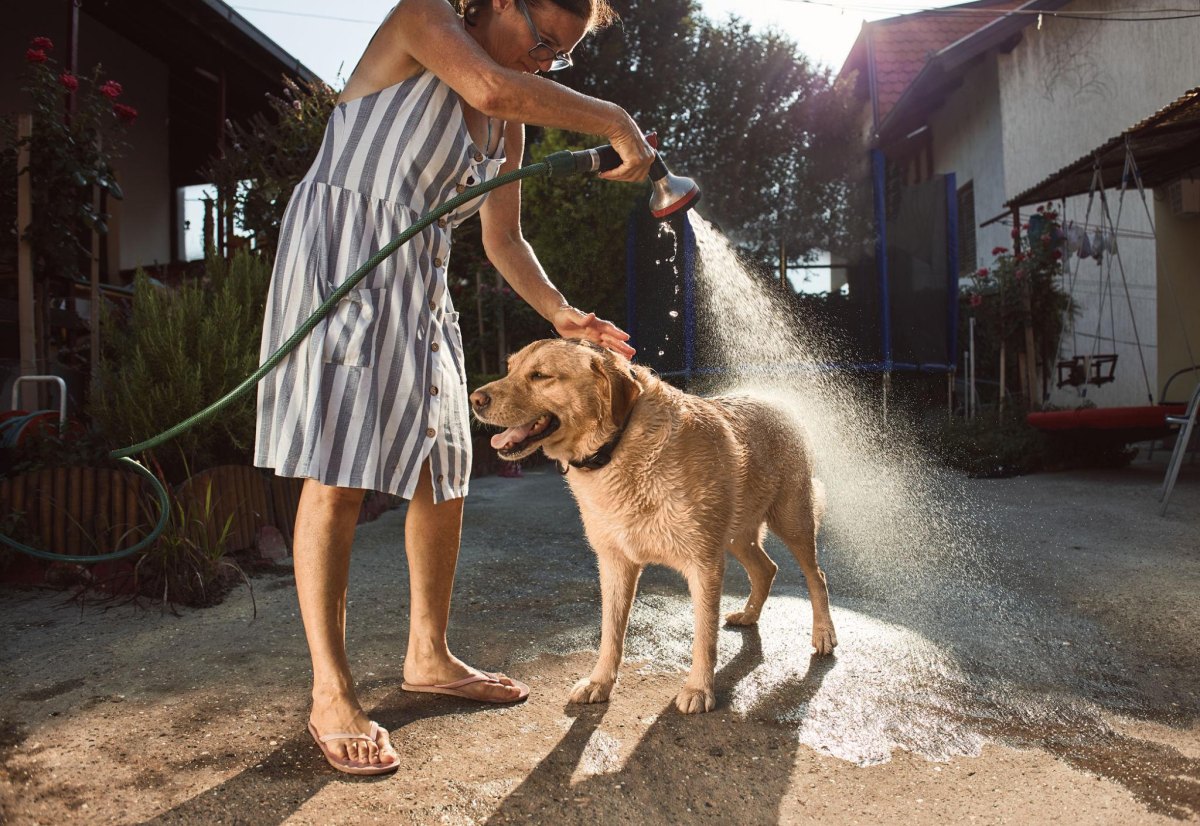
Gentle water play can be lovely in warm weather, especially for dogs who enjoy paddling. I keep sessions short and avoid cold water or anything that makes an older dog struggle.
Remember that senior dogs can be more vulnerable to heat, so I always plan around cooler parts of the day.
Gentle Fetch with Lightweight Toys
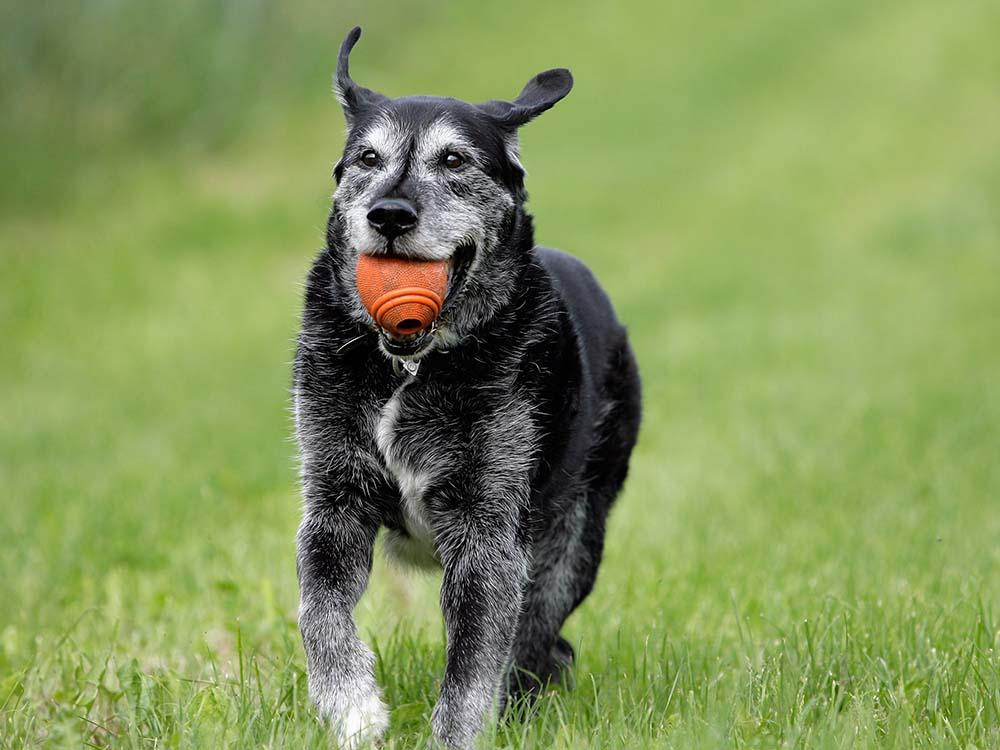
Fetch can stay on the menu if it is adapted. I roll lightweight toys along the floor rather than encouraging high jumps or sharp turns. Some older dogs simply enjoy the familiar routine of bringing something back.
I watch for tiredness and finish while the game is still enjoyable.
Massage and Bonding Sessions
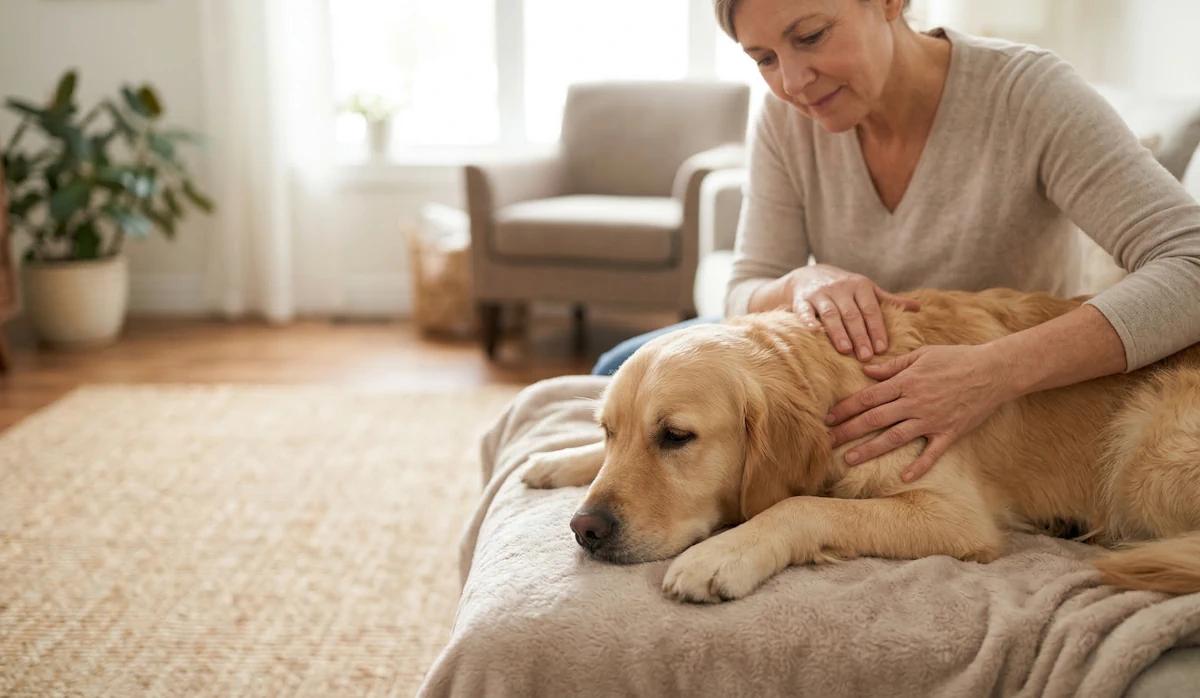
A quiet massage session is not really a game, but it is one of the nicest ways I know to spend time with an ageing dog. Gentle touch can help owners notice changes and support comfort.
I keep pressure light and focus on calm connection rather than trying to fix anything.
Obstacle Courses for Senior Dogs
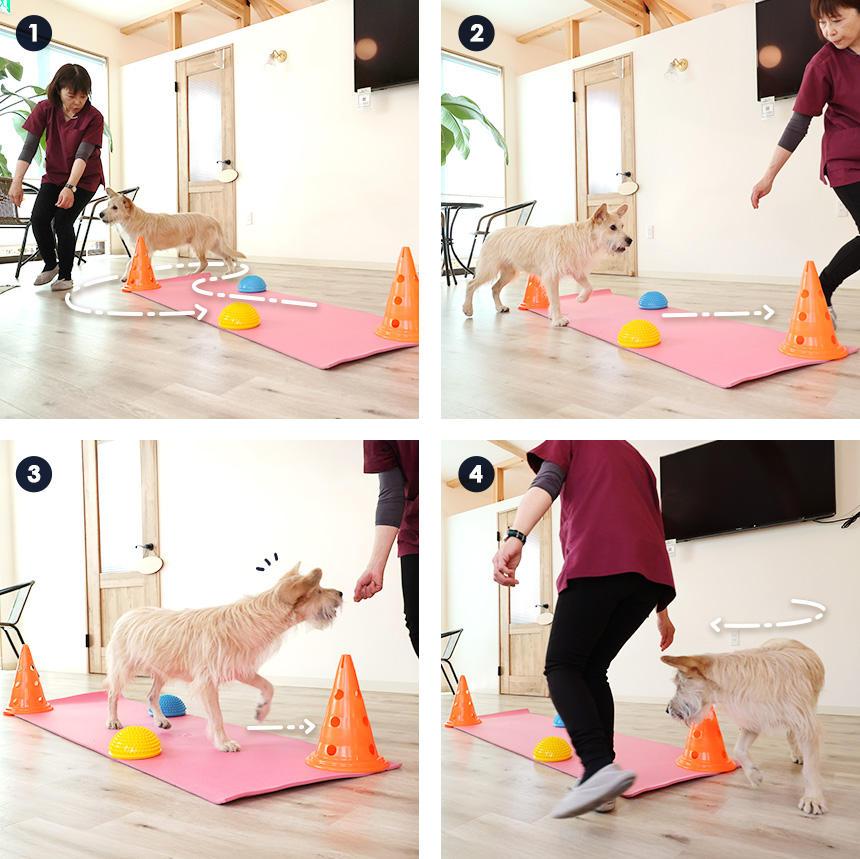
I would never build a complicated agility course for an old dog, but a few safe objects to walk around can make the garden interesting. Think cones, cushions or a clear path to explore.
The goal is gentle movement and confidence, not athletic achievement.
Memory Games with Treat Rewards
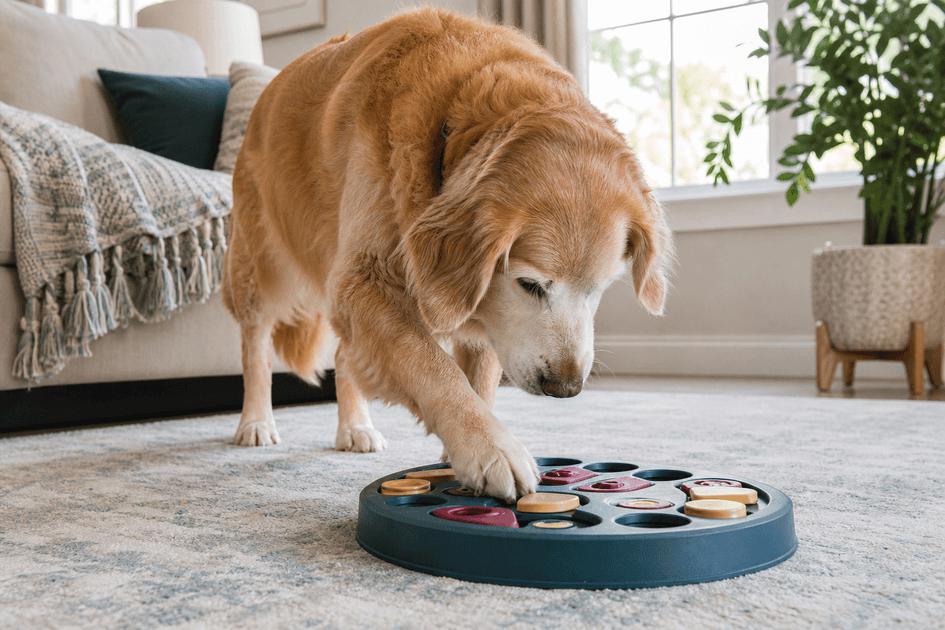
Simple memory games, such as choosing where a treat has been placed, give older dogs something to think about. Mental games are useful because they exercise the brain without demanding much physical effort.
I keep sessions brief and celebrate small wins with patient encouragement.
Interactive Food Dispensing Toys
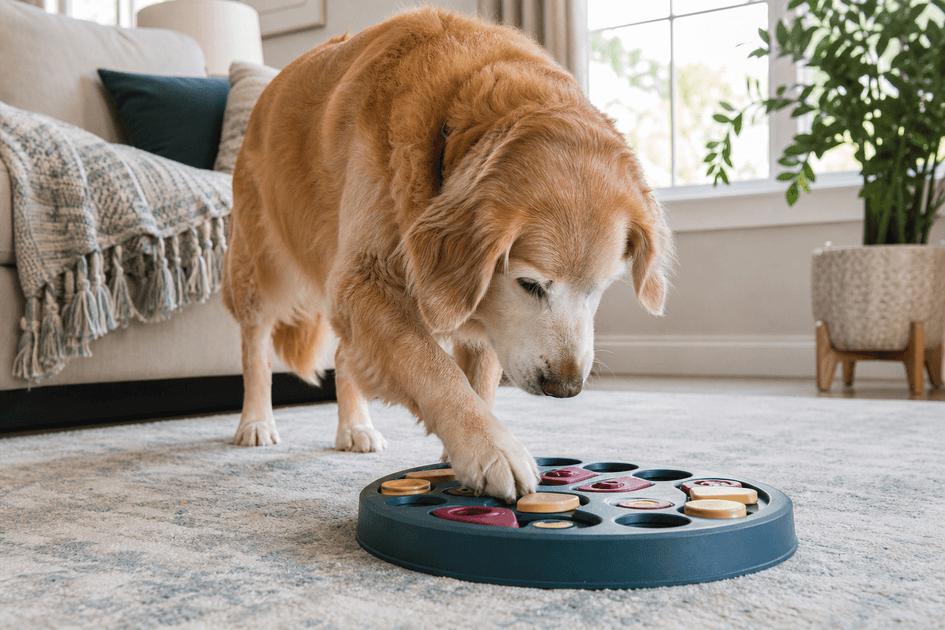
Food dispensing toys can make a normal meal feel like an activity. I prefer sturdy, easy-to-clean options that suit the individual dog rather than the most complicated gadget.
For many older dogs, working for food safely adds welcome variety to the day.
Gentle Social Play with Other Dogs
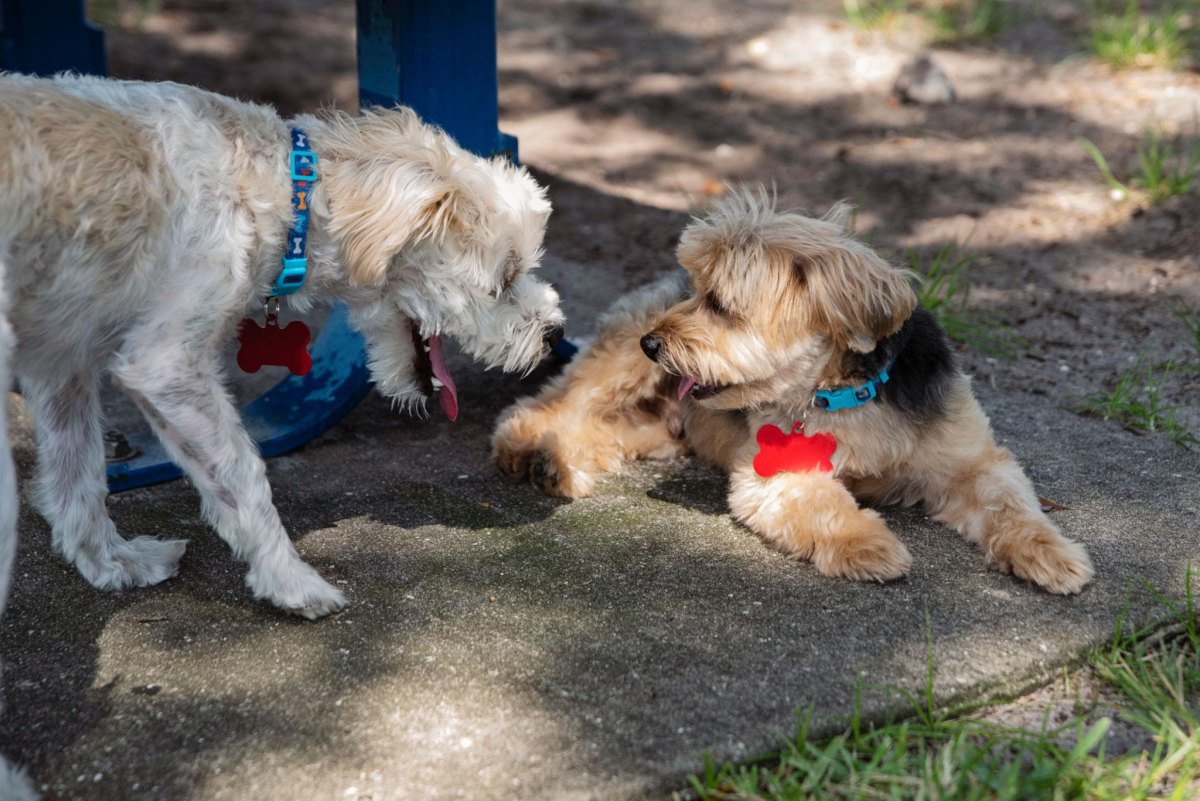
Some senior dogs still enjoy company, but their idea of fun may be a calm sniff and a stroll rather than a wrestling match. I always choose compatible dogs and watch body language.
Good social time should feel relaxed and comfortable for everyone involved.
Relaxing Outdoor Lounge Time
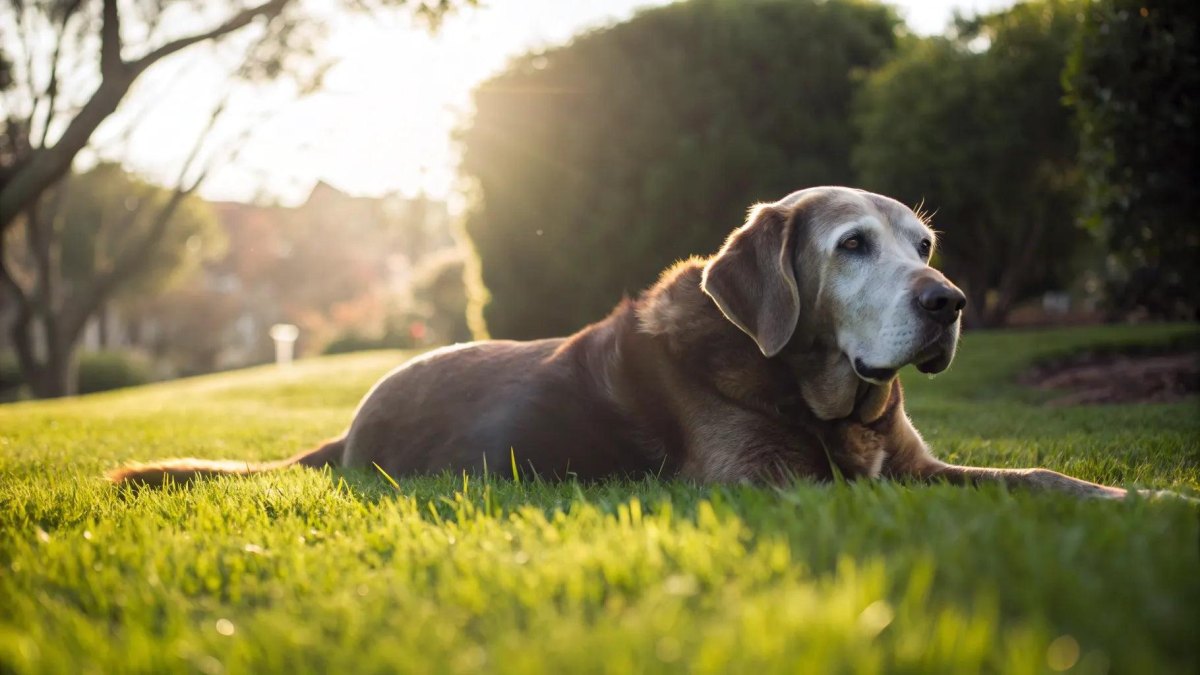
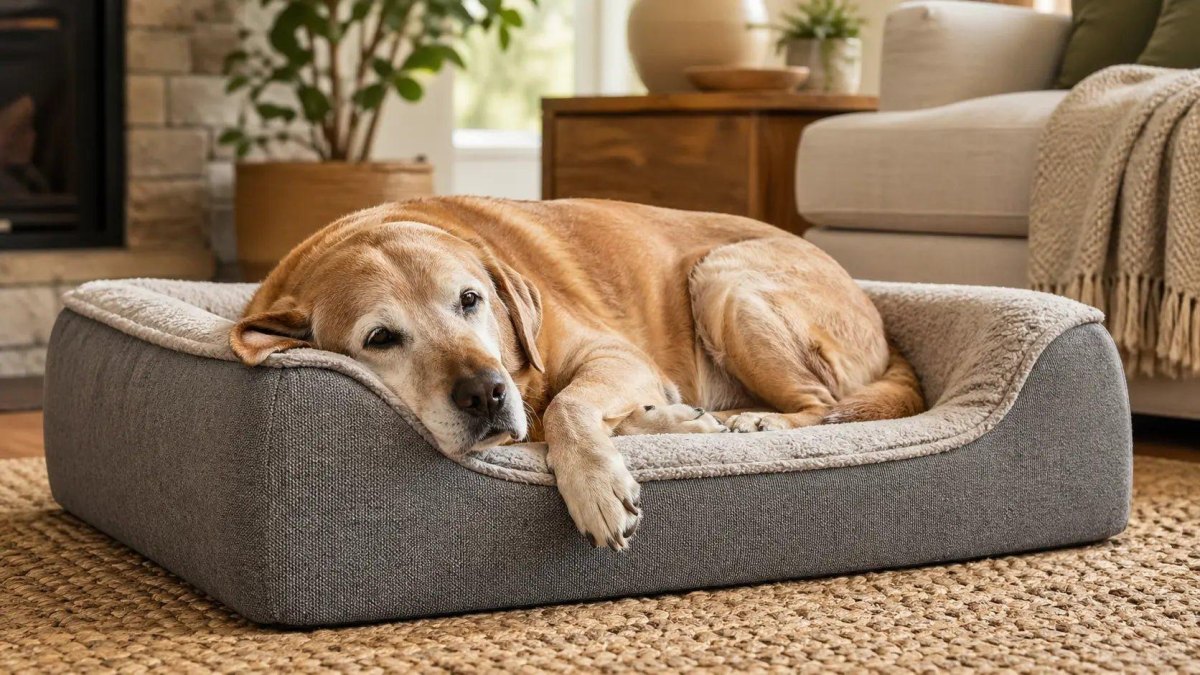
Sometimes the best activity is simply sitting outside together. Skye is perfectly happy watching the garden, listening to birds and keeping an eye on Rab's latest project.
These quiet moments provide sensory enrichment without asking ageing bodies to work hard.
Training Games for Senior Minds
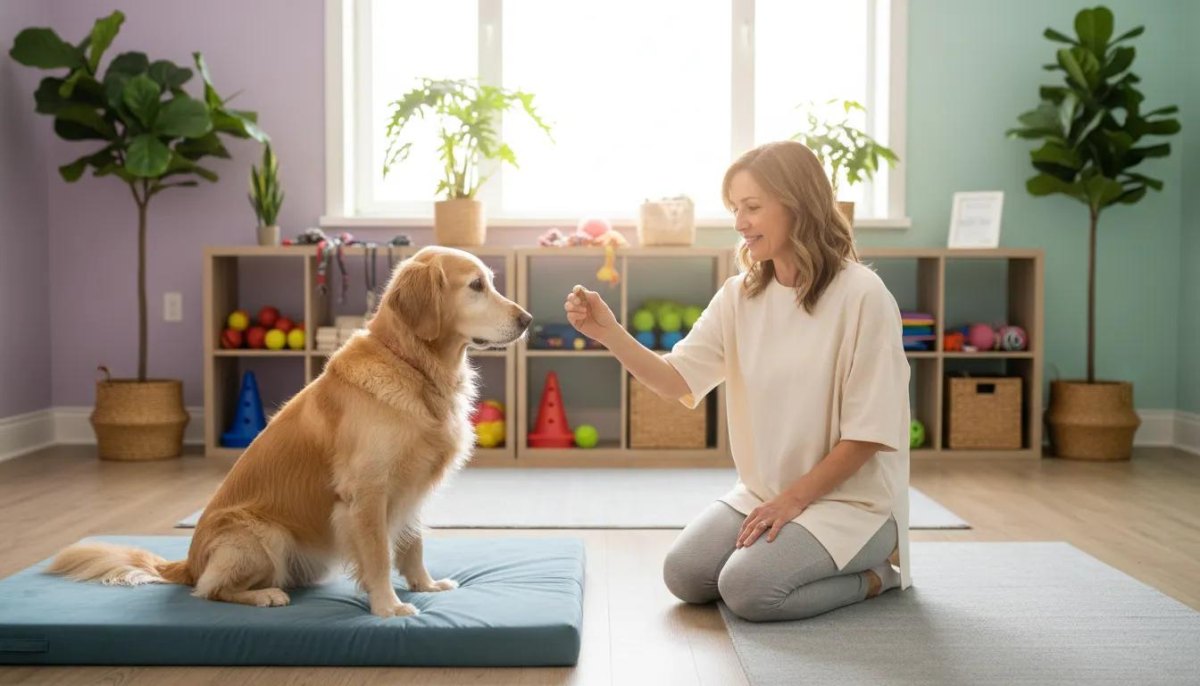
I keep this focused on enrichment rather than obedience work, which is a different area best handled by qualified trainers. Gentle learning games can still give an older dog something interesting to do.
Short, positive activities build mental engagement and strengthen the bond between dog and owner.