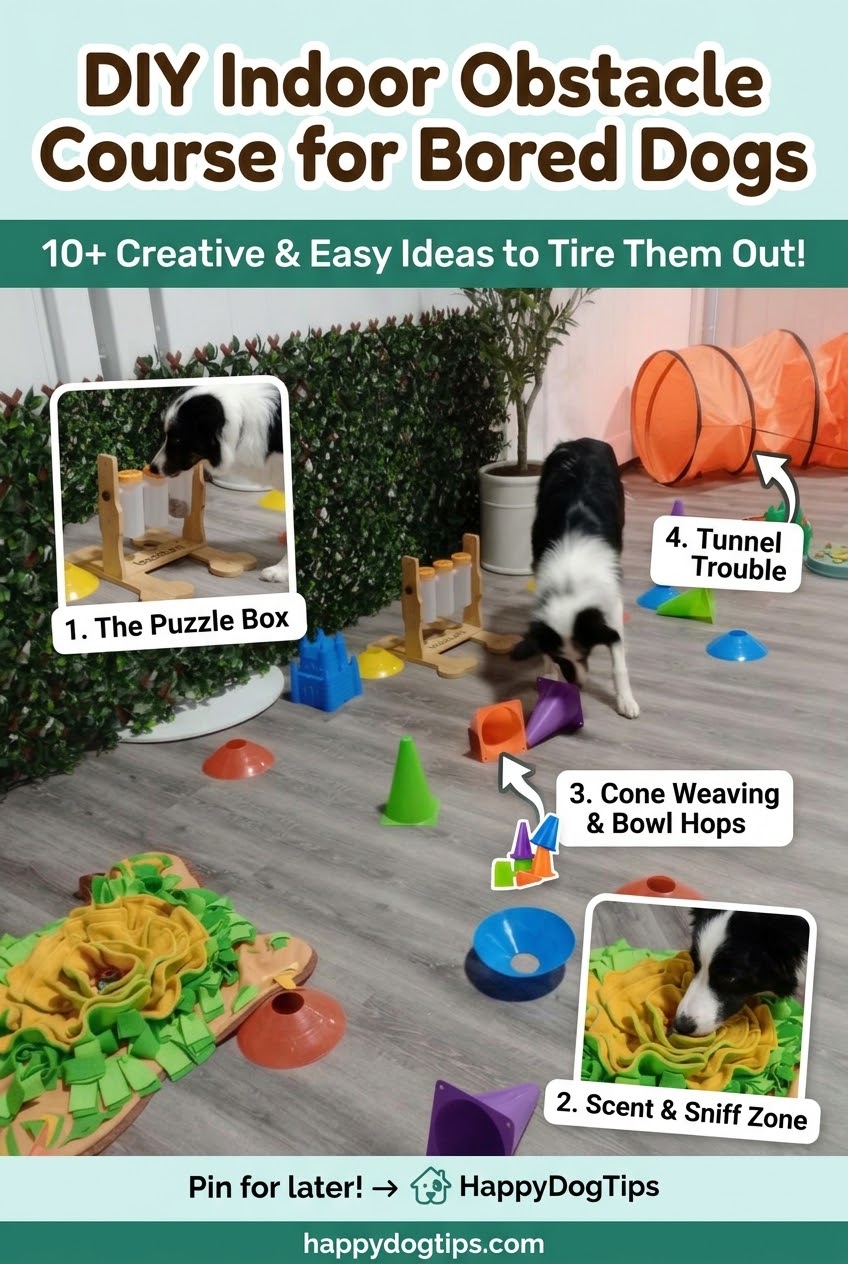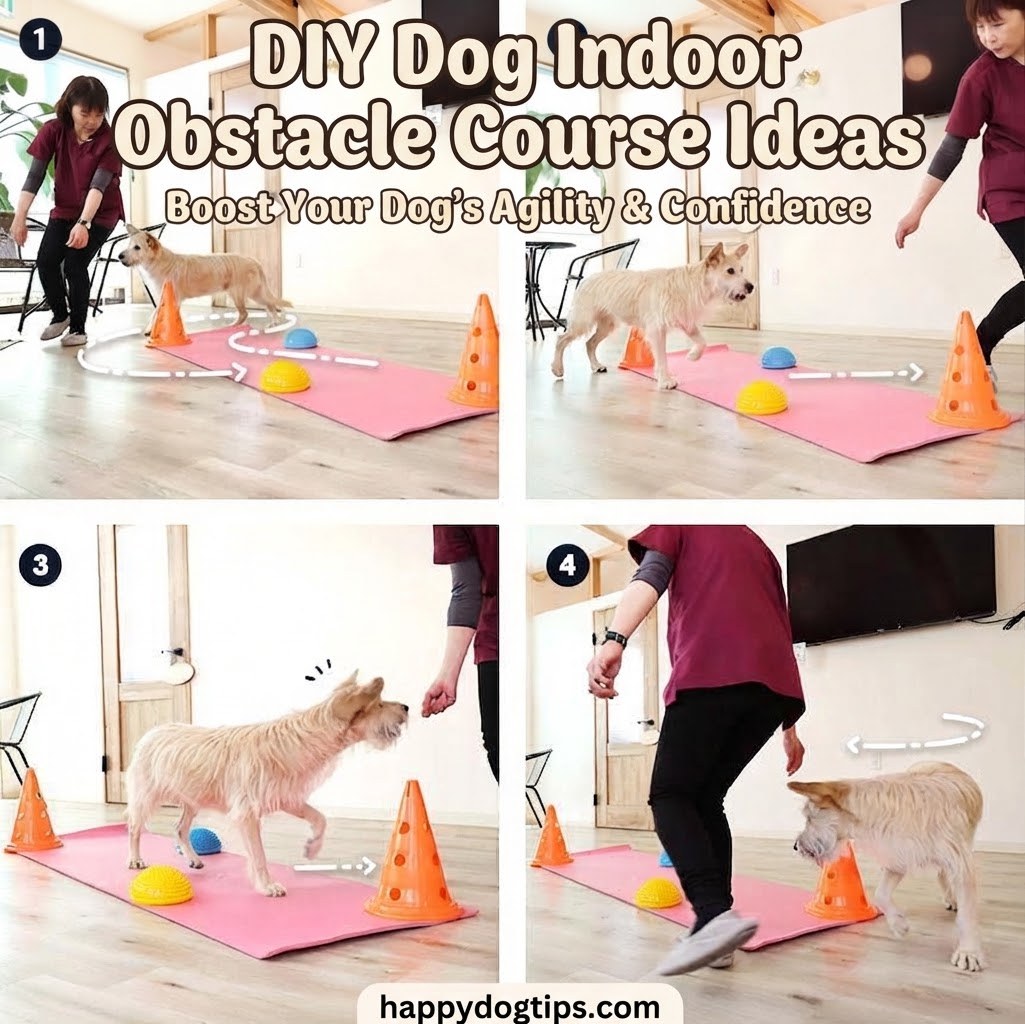

When the Scottish weather turns miserable and the track outside becomes a mud bath, I like having a few indoor dog activities ready for Skye and Tam. A home obstacle course does not need fancy equipment; it needs safe spaces, sensible challenges, and a dog who is enjoying himself.
I am not writing about competitive training here. Behaviour and obedience work belongs with a qualified trainer or behaviourist. My focus is the everyday enrichment and movement that helps dogs stay occupied indoors. Agility-style activities should always be adapted to the individual dog, especially puppies and older dogs.
Setting Up a Safe Indoor Dog Obstacle Course
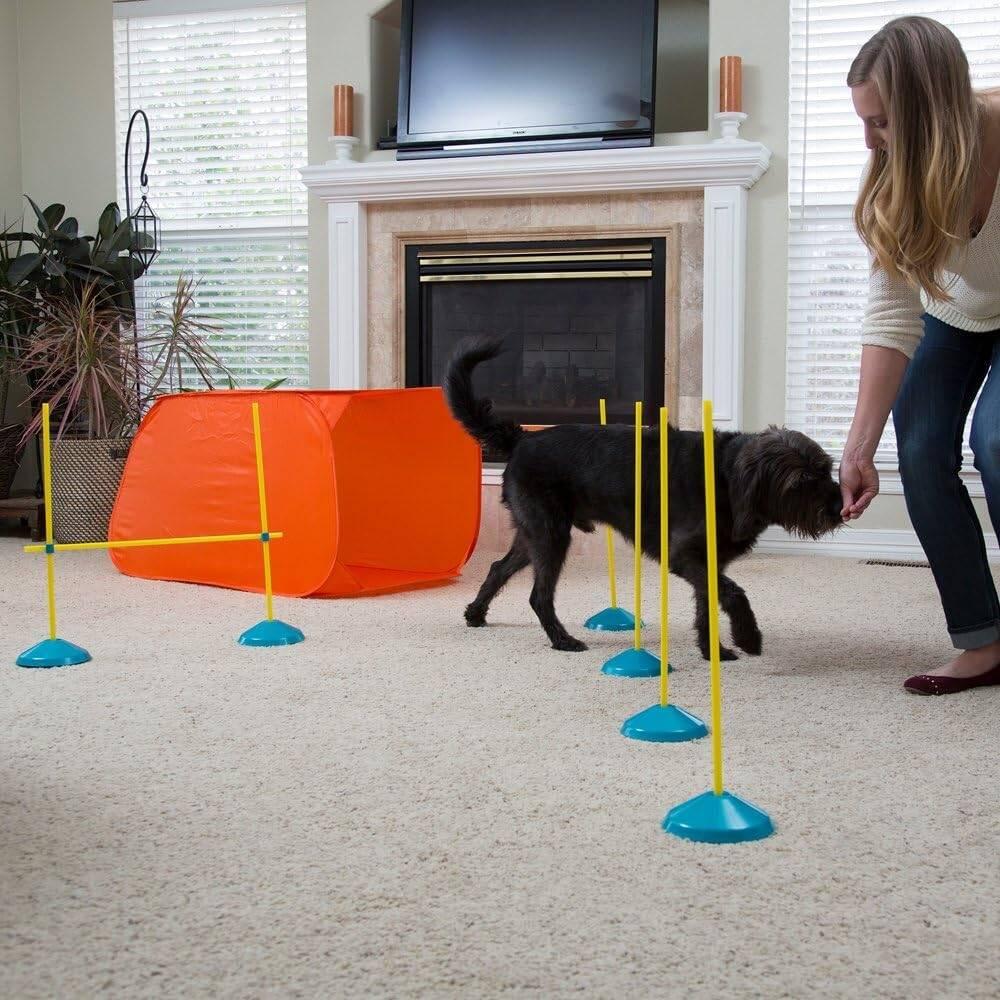
I always begin by looking at the room before looking at the obstacles. A clear path, non-slip flooring and sturdy items matter more than making a complicated course. Safety comes first, particularly for older dogs or dogs with joint concerns.
Indoor agility-style games can provide physical and mental stimulation, but they should be scaled to your dog's health and fitness.
Creating a DIY Dog Tunnel Challenge
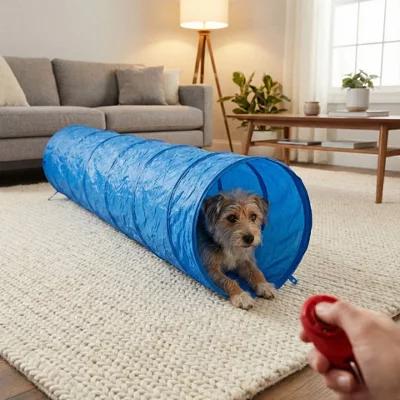
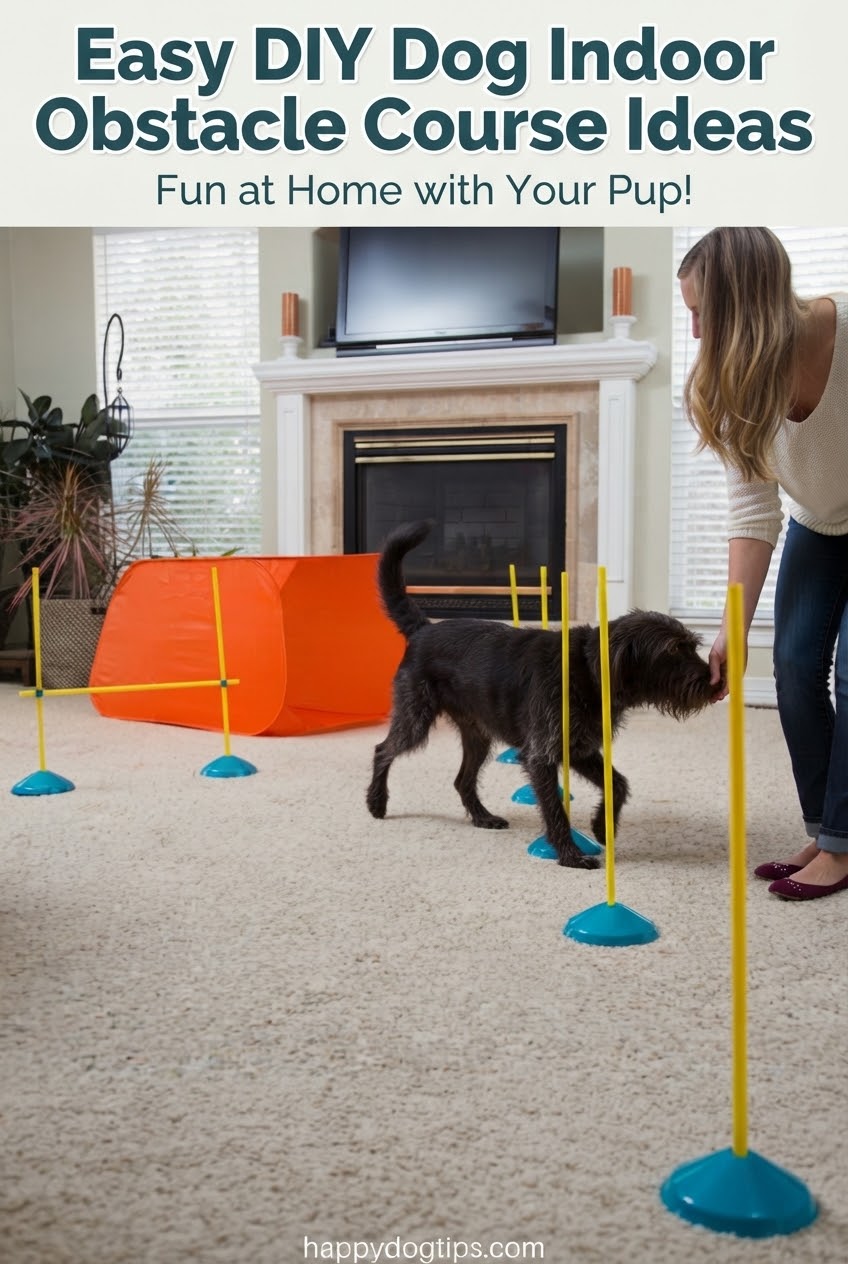
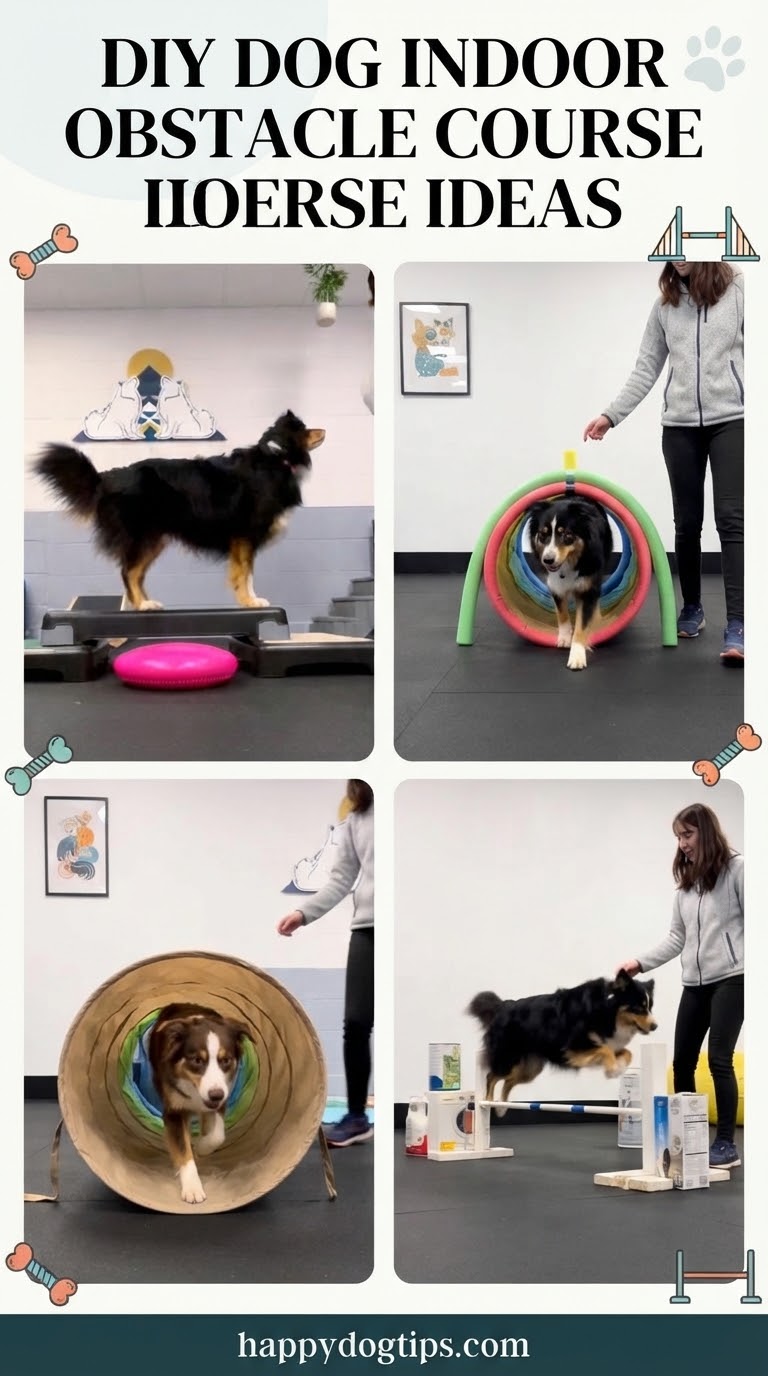
A tunnel is one of the easiest obstacles to improvise. I have used cardboard boxes and safe fabric tunnels during indoor games, always checking that nothing can collapse. Simple homemade enrichment can be just as useful as bought equipment.
My tip
Let your dog investigate slowly. A tunnel should feel like a choice, not a challenge they are pushed through.
Indoor searching and problem-solving games are commonly recommended as ways to keep dogs mentally engaged when outdoor time is limited.
Building a Cushion and Pillow Jumping Path
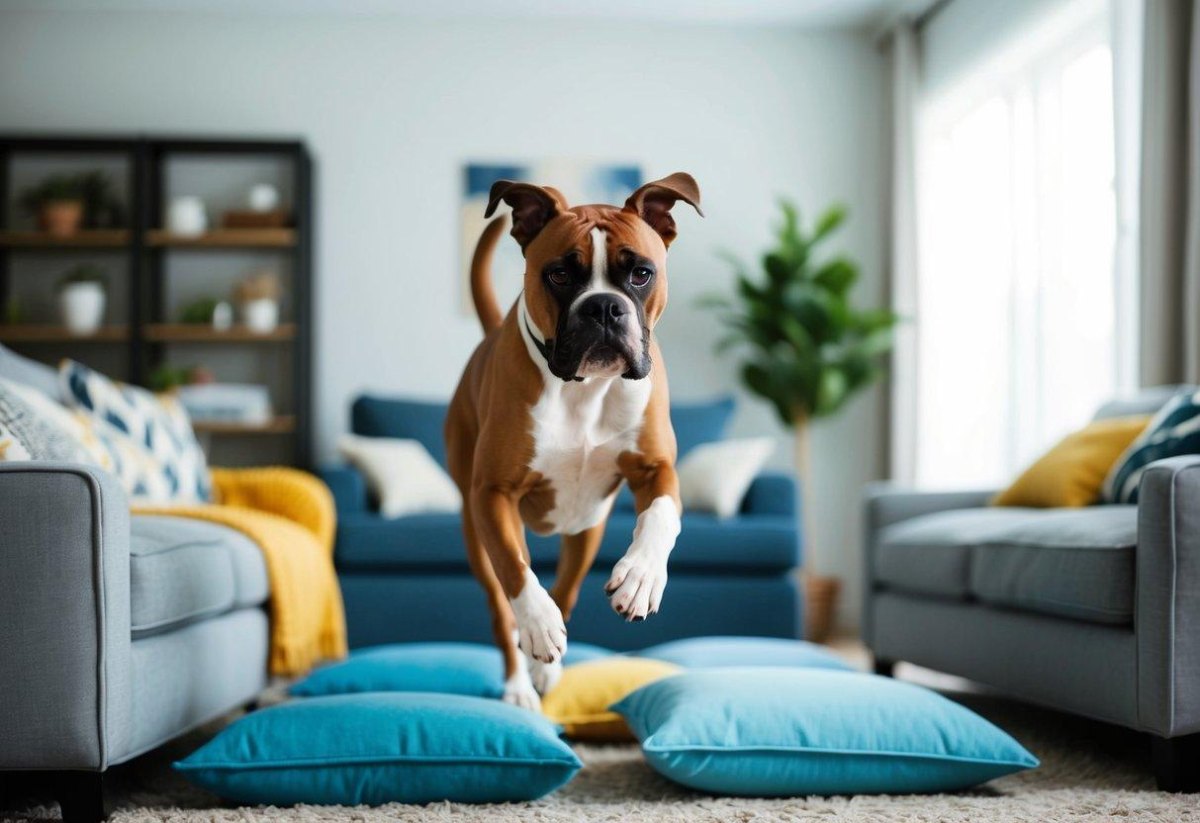
Cushion paths are a favourite in my cottage because they encourage careful stepping rather than high impact jumping. With Skye now twelve, I would never ask her to repeat puppy-style leaps. Low-impact movement is kinder on ageing joints.
| Dog stage | Better option |
|---|---|
| Puppy | Gentle exploration |
| Adult | Short controlled challenges |
| Senior | Slow stepping activities |
Veterinary guidance is sensible before adding demanding exercise for dogs with mobility problems.
Teaching Dogs to Weave Through Indoor Poles
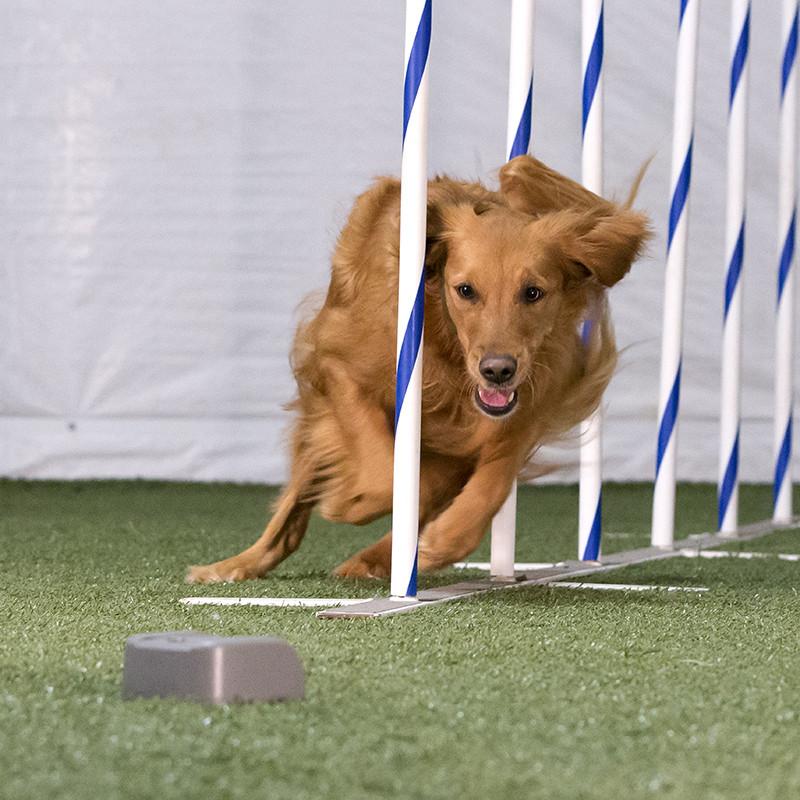
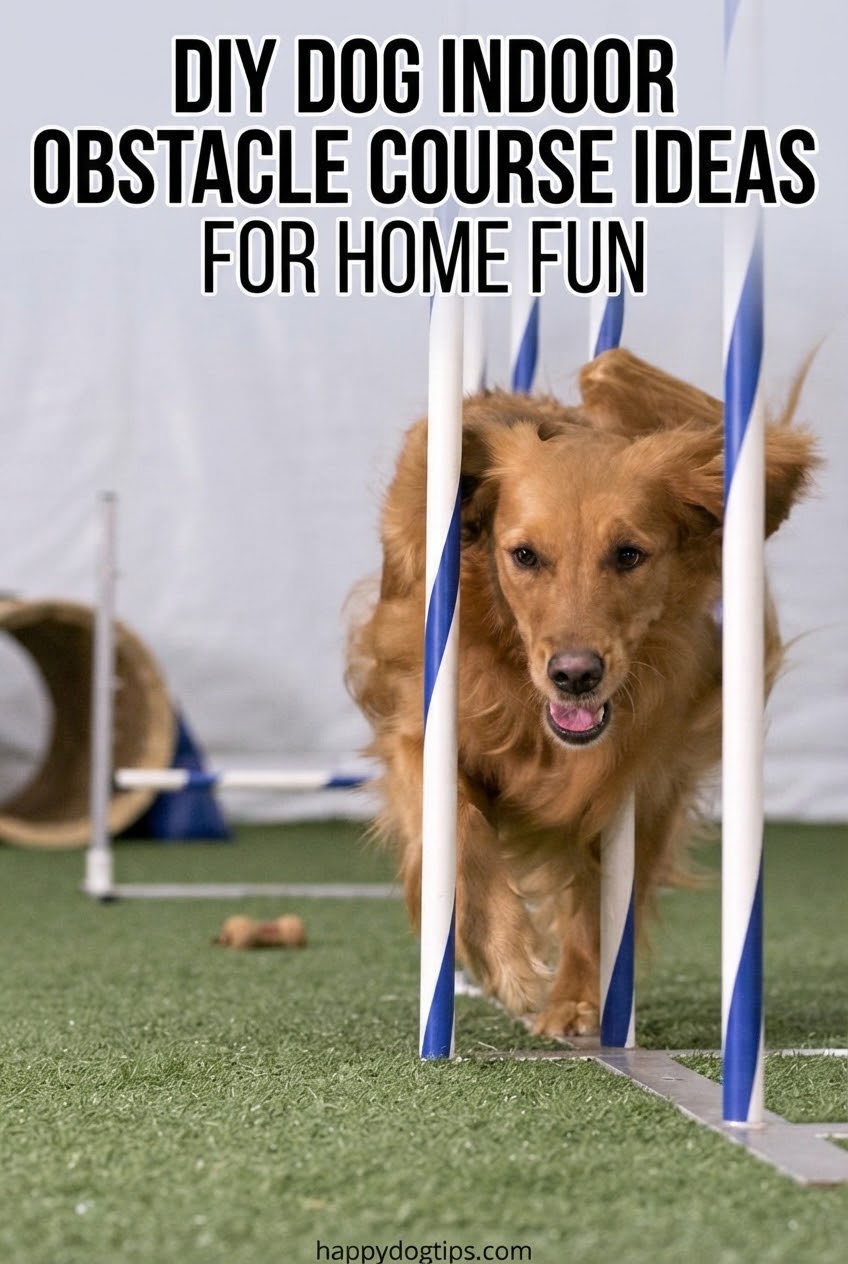
Weave poles look easy when you watch an experienced agility dog, but they involve twisting and coordination. I keep home versions slow and simple rather than trying to recreate a competition course. Controlled movement matters more than speed.
A word of caution
Competitive-style weave work is physically demanding. Dogs with pain, stiffness or previous injuries should be discussed with a vet before new exercises.
Research into agility weave performance shows that the obstacle places specific demands on canine movement patterns.
Adding Balance Exercises with Household Items
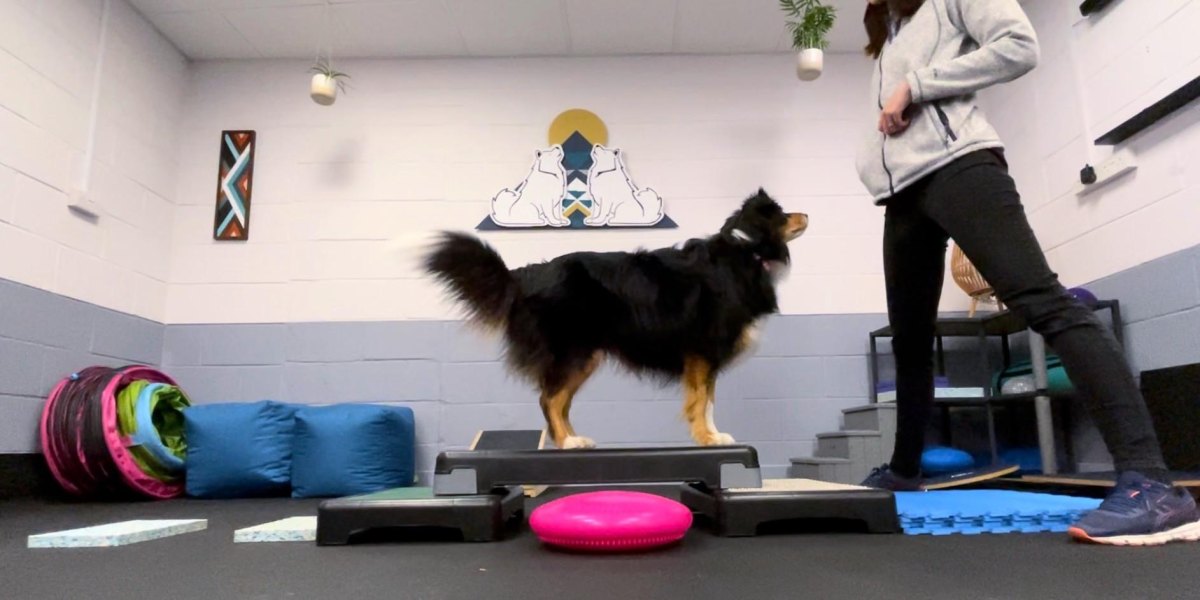
I like balance games because they make a dog think about where their paws are. A folded blanket, firm cushion or yoga mat can become a gentle surface change. Body awareness exercises should always be calm and controlled.
Proprioception and balance exercises are often used in canine conditioning and rehabilitation settings, with professional guidance when needed.
Designing a Treat-Finding Obstacle Station
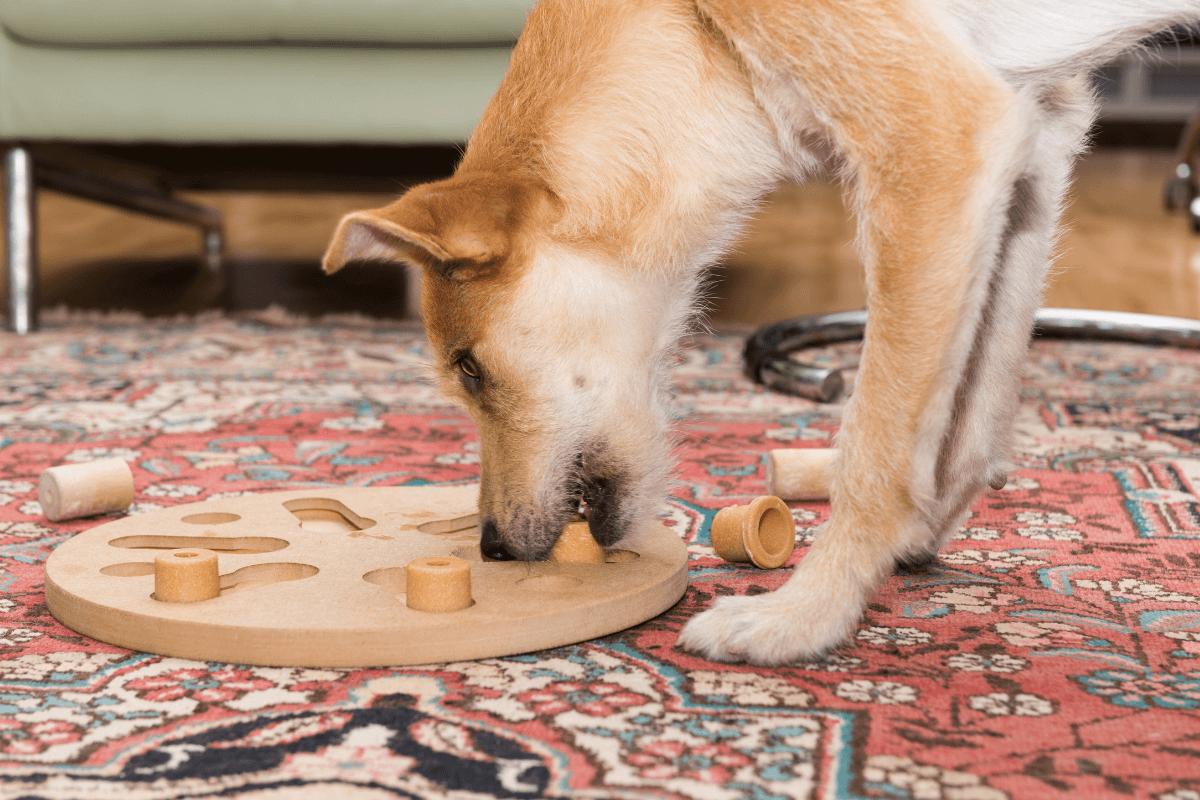
A treat-finding station is one of the easiest additions to an indoor course. I hide small rewards around safe areas and let the dog use their nose. Scent enrichment is especially useful on wet days when long walks are difficult.
Enrichment activities such as food searches and puzzle games are recognised ways to provide mental stimulation.
Creating a Low-Cost Indoor Agility Course
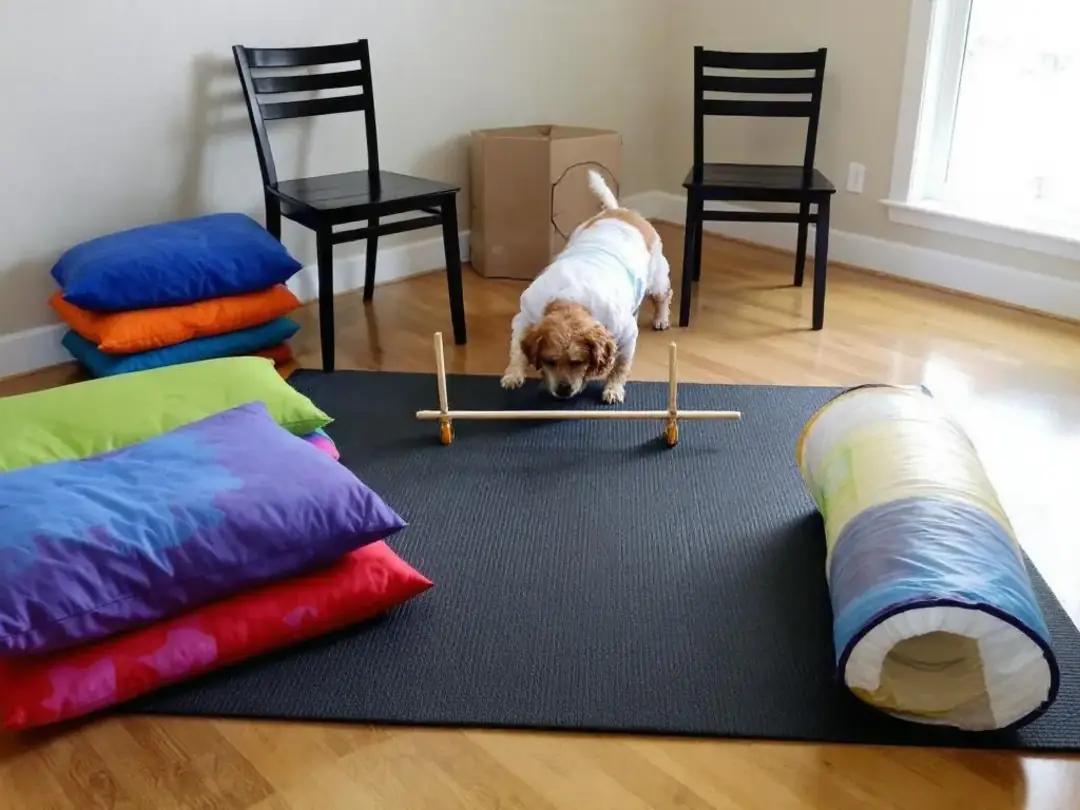
You do not need a garage full of equipment. My approach has always been practical: use what you already own and make sure it is safe. Budget-friendly enrichment can be wonderfully effective.
Benefits
- Easy to change around.
- Suitable for rainy days.
Watch for
- Slippery surfaces.
- Unstable objects.
Home agility activities can be adapted for fun rather than competition, with gradual progression and appropriate care.
Training Commands Through Obstacle Course Activities
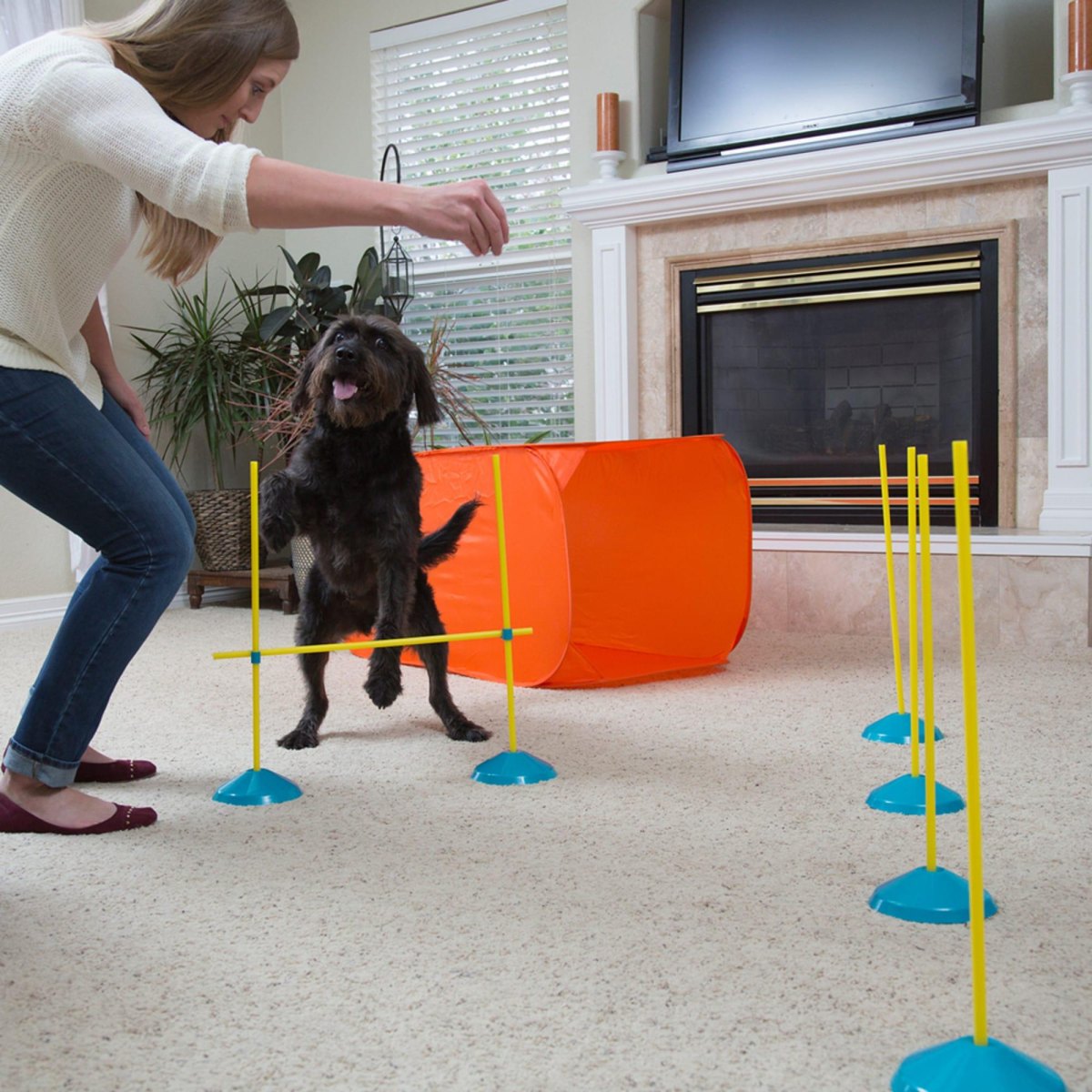
I leave formal training and behaviour plans to qualified professionals, but everyday routines can include familiar cues and cooperation. A dog moving around a home course should feel relaxed, not pressured. Positive experiences matter.
Keeping it enjoyable
If your dog becomes frustrated or worried, simplify the activity rather than pushing through.
Short, positive indoor activities are often suggested for keeping dogs engaged when outdoor options are limited.
Making a Small-Space Dog Obstacle Course
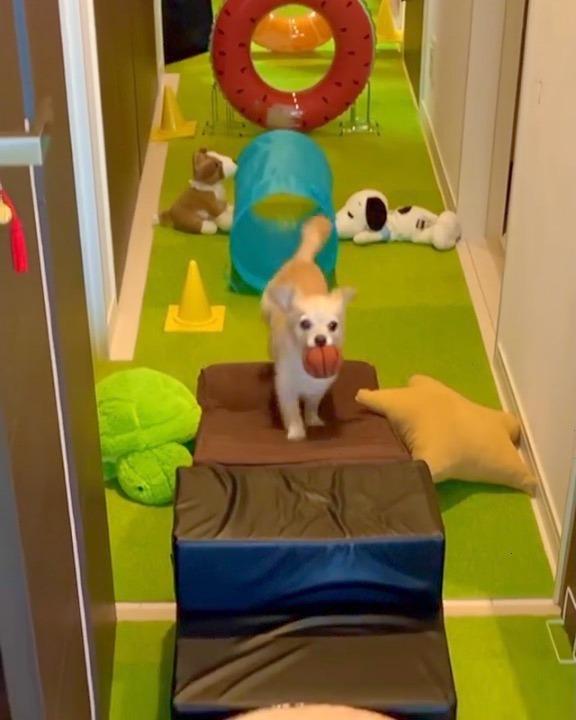
Living in a cottage helps me, but not every dog owner has acres outside their door. A hallway, lounge or spare corner can still provide small-space enrichment with thoughtful planning.
Indoor games are particularly useful for dogs living in homes where weather, space or circumstances limit outdoor exercise.
Adding Interactive Toy Challenges for Dogs
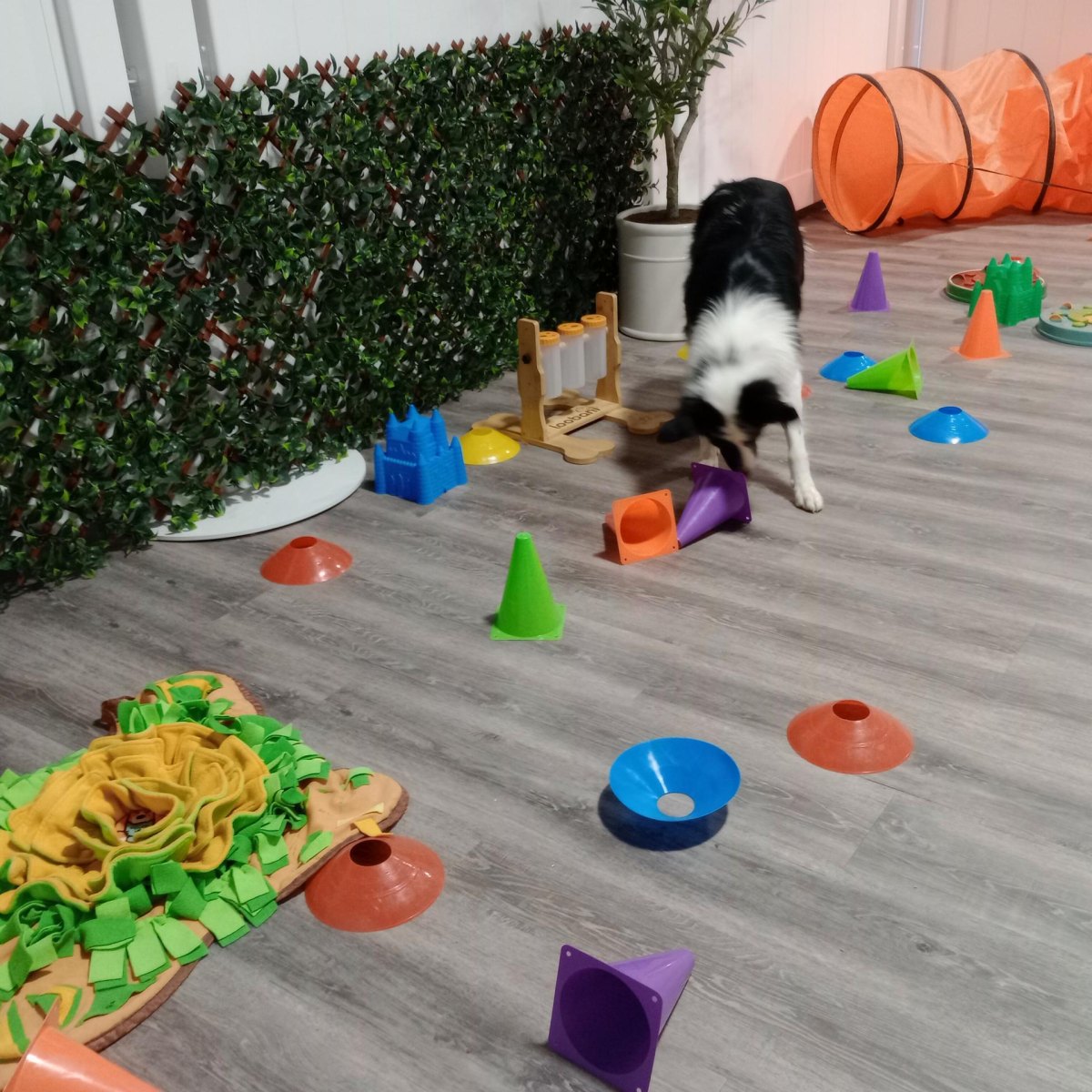
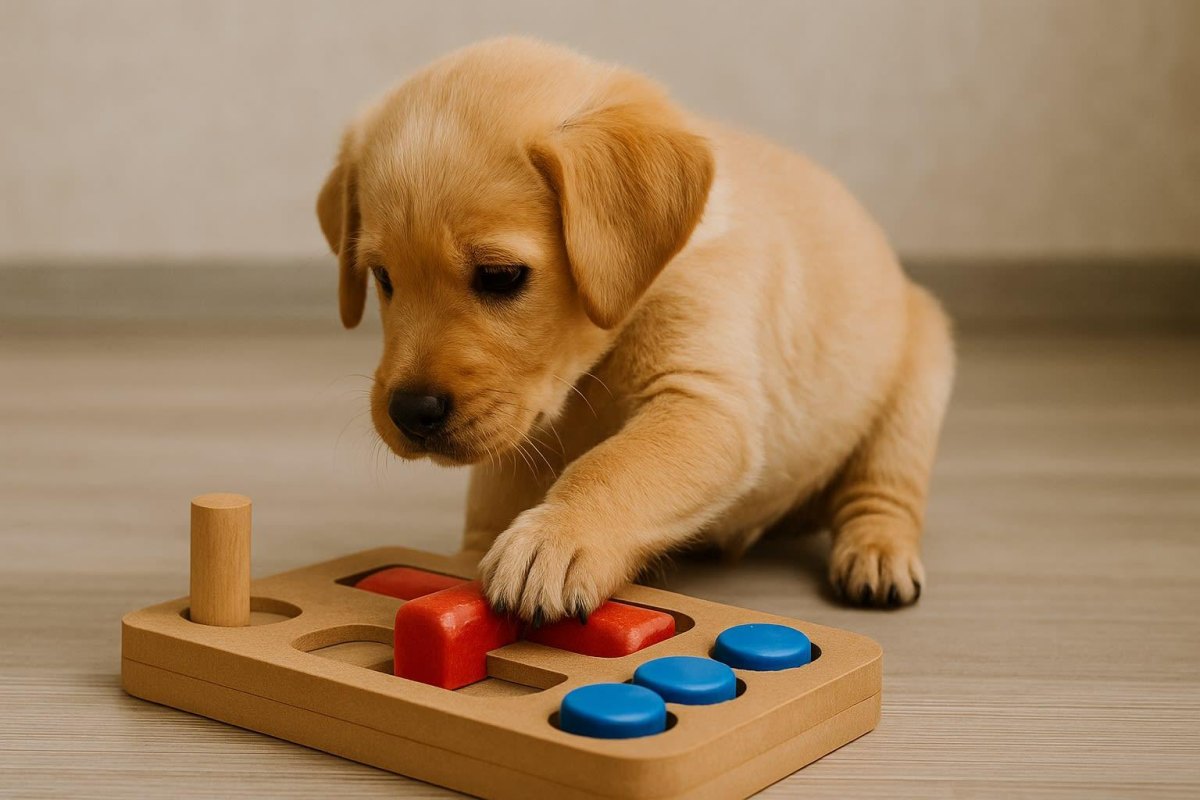
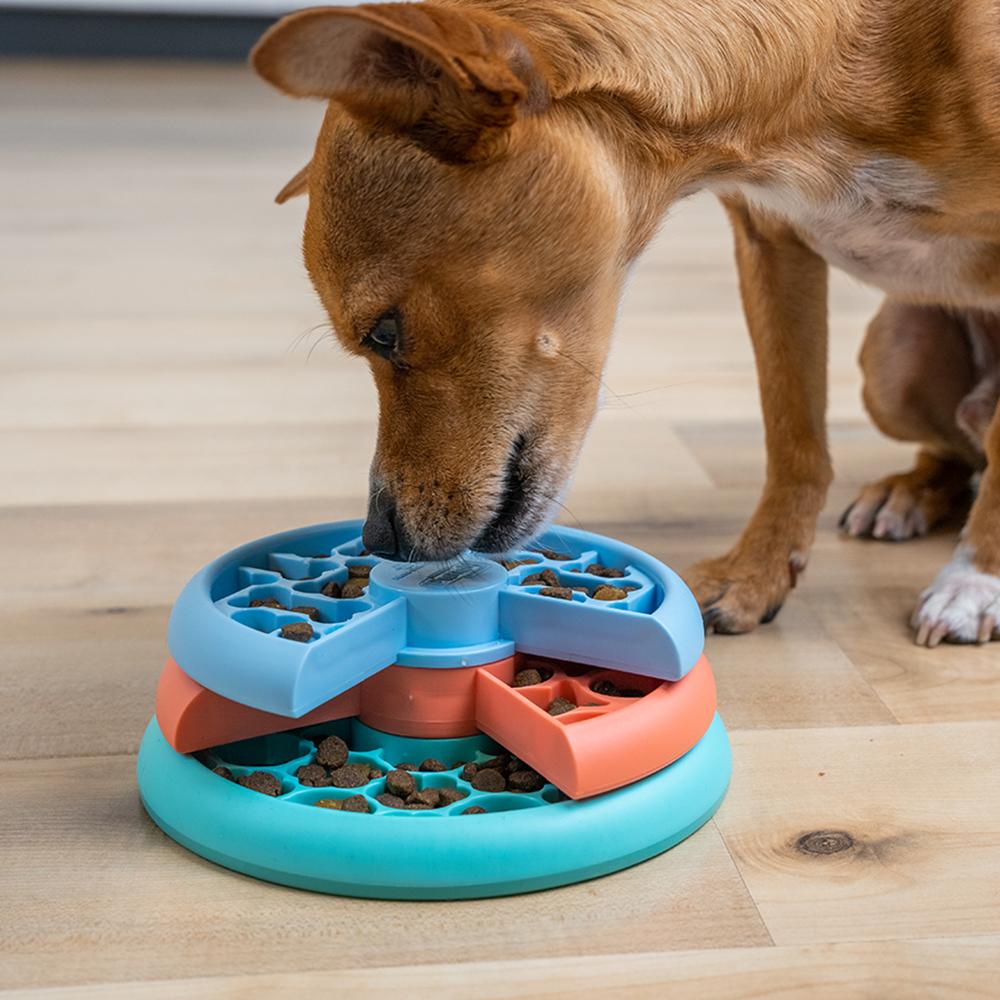
I often add a food toy or puzzle between physical obstacles. Dogs do not only need to run; they need opportunities to think. Mental enrichment can be tiring in its own right.
1
A single new puzzle activity can make a familiar room feel different.
Food-dispensing toys and hide-and-seek style games are commonly used as enrichment options for dogs at home.
Adjusting Obstacles for Puppies and Senior Dogs
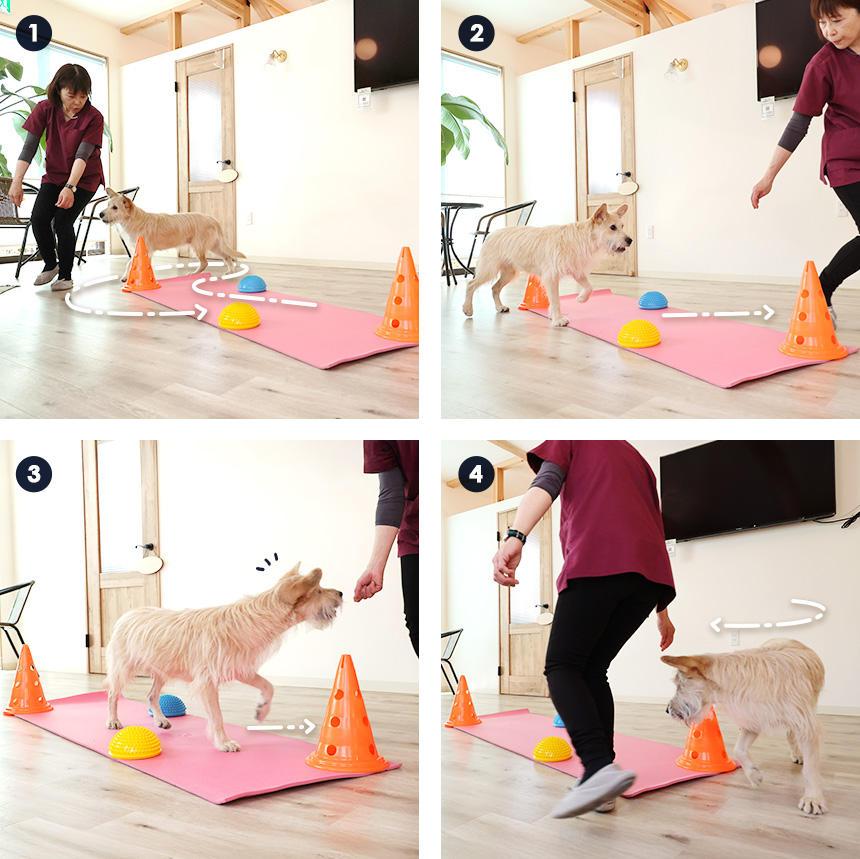
I have watched dogs change from lively youngsters into old friends like Skye. The obstacle course that suits a one-year-old may not suit a twelve-year-old. Life stage matters every time we choose an activity.
My senior-dog rule
Choose confidence-building movement over impressive-looking tricks. If mobility has changed, speak with your vet about suitable exercise.
Exercise recommendations should be adjusted for age, breed, health and mobility rather than copied from another dog.
Improving Your Dog’s Indoor Agility Skills
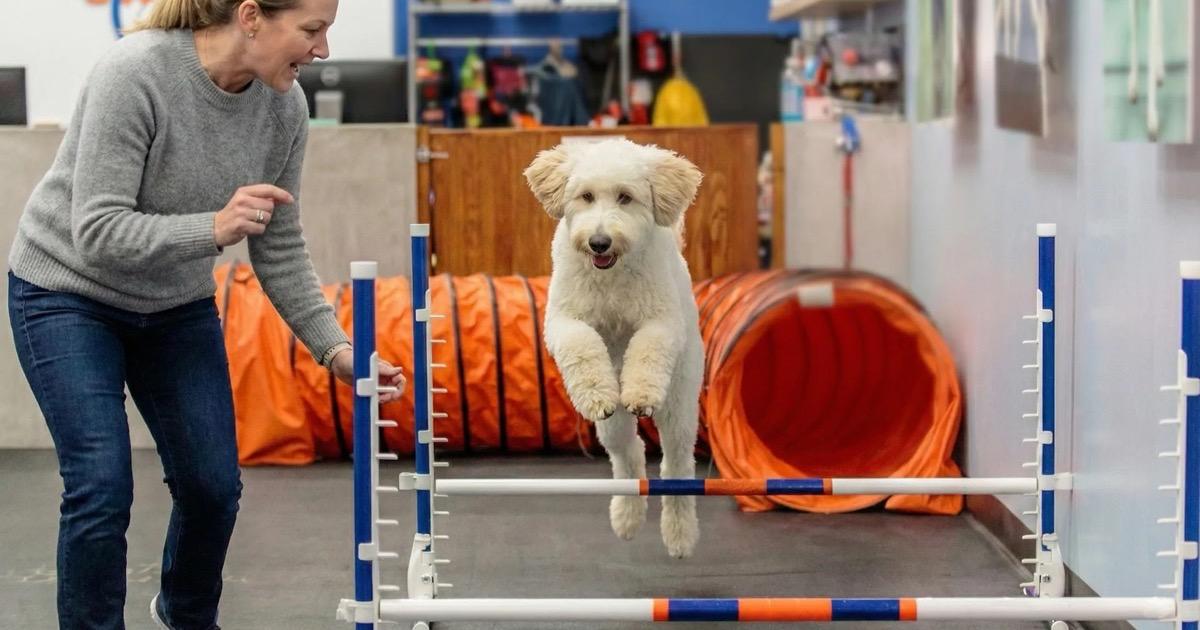
The best indoor course is the one your dog enjoys returning to. I would rather see a dog confidently complete a simple route than struggle through a complicated one. Small improvements count.
Home agility preparation works best when owners build skills gradually and keep the experience positive.
More Pinterest Visuals