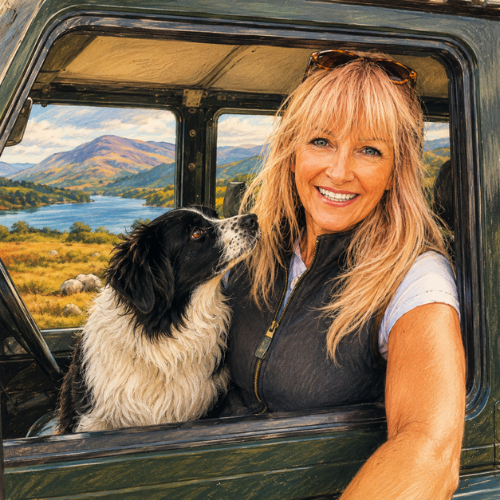
When Skye stopped launching herself into the Land Rover boot and started waiting for me to lift the ramp, I knew we had entered a different stage of life together. Senior dogs do not suddenly become old overnight; the little changes often arrive quietly. A slower rise from the floor, a shorter stride, or hesitation on steps can all tell us something.
I spent nineteen years as a registered veterinary nurse, although I left clinical practice in 2016, so I am always careful to say this: I share practical experience, not diagnoses or prescriptions. Your own vet is the person to guide treatment plans. For my part, I focus on the everyday things that help older dogs stay comfortable, from weight management to sensible exercise. Research continues to support a combined approach using healthy weight, controlled movement, nutrition and home adaptations for dogs with joint problems.
Maintain a Healthy Weight to Reduce Joint Stress
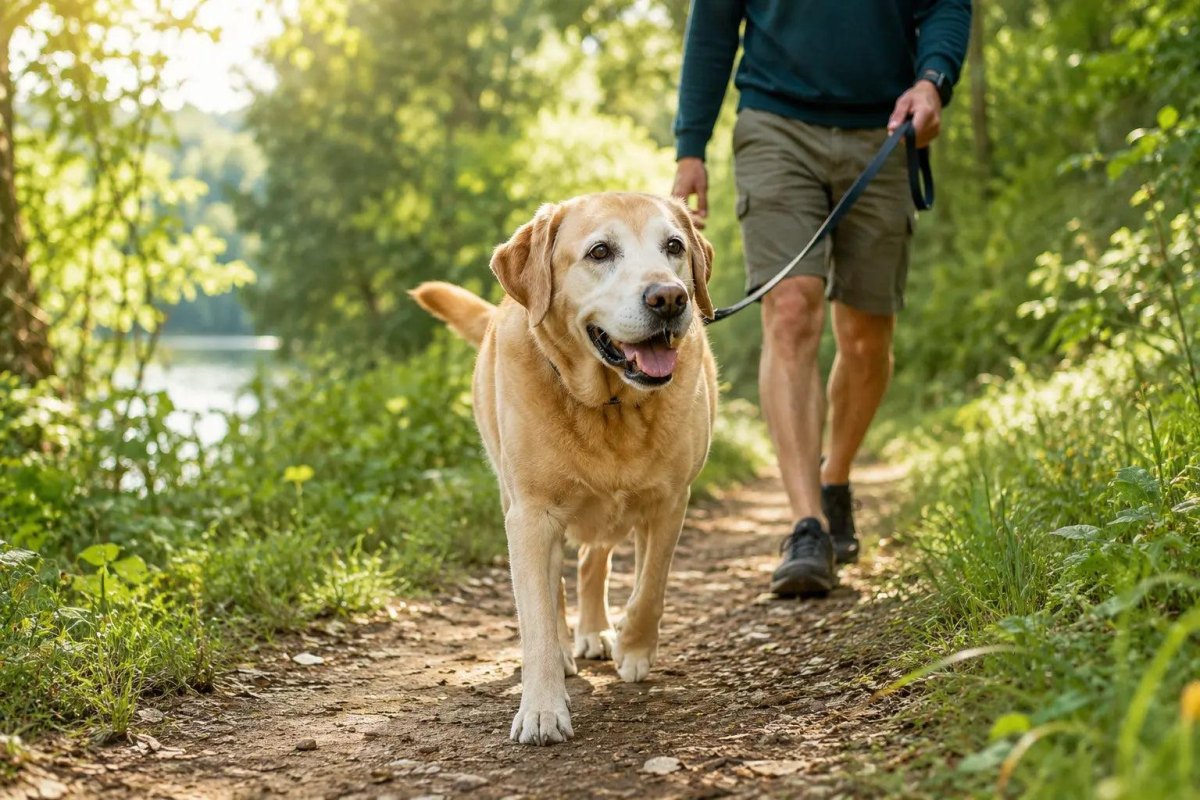
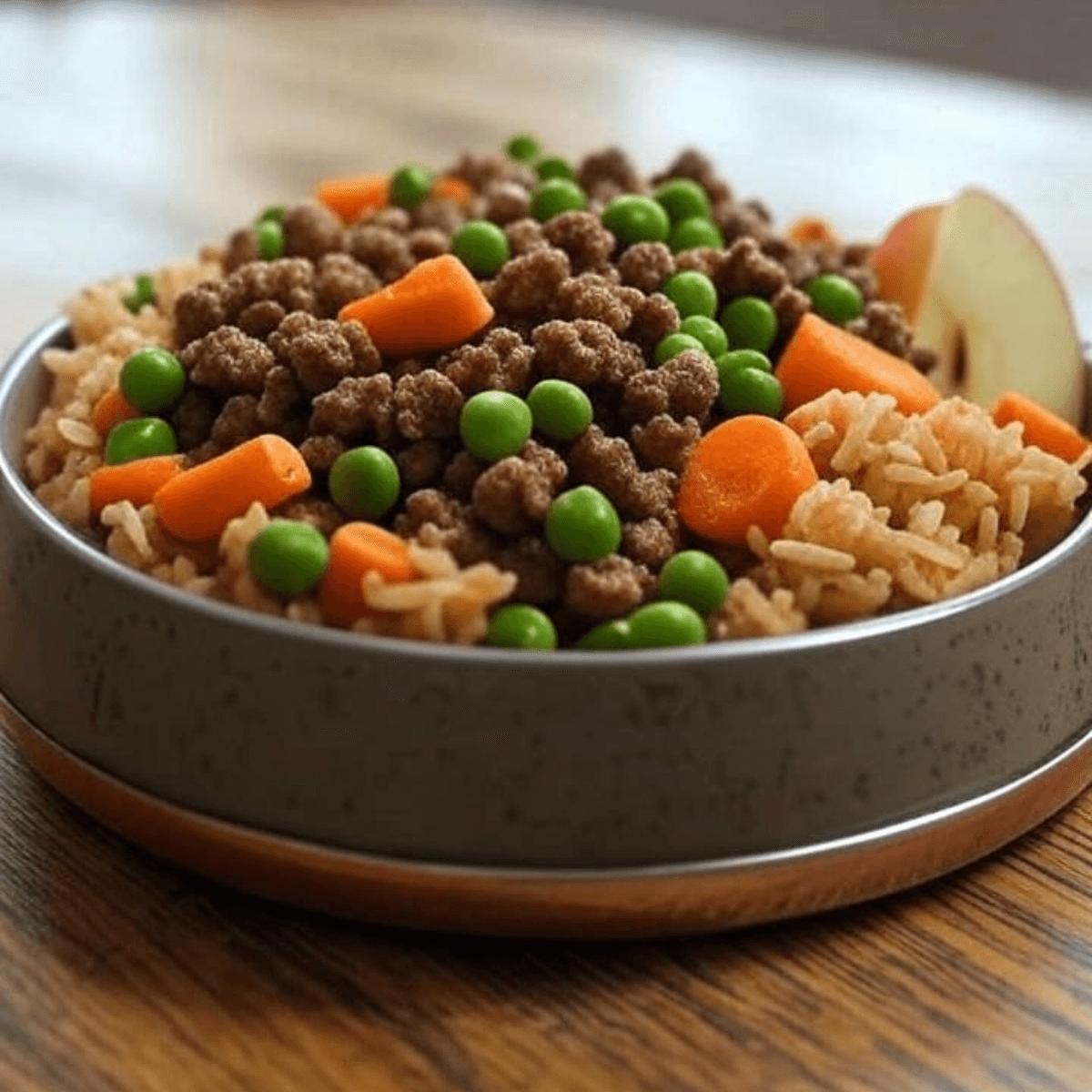
Extra weight is one of the biggest challenges for an ageing dog's joints. I have seen many owners focus on supplements while overlooking the food bowl, but a comfortable body condition is the foundation. lean body condition helps reduce the daily load placed on sore joints and supports easier movement. Veterinary guidance consistently highlights weight control as a key part of osteoarthritis management.
What I check at home
- Can I feel my dog's ribs without pressing firmly?
- Has my older dog gained weight since becoming less active?
- Are treats still a sensible part of the daily calorie intake?
I do not recommend crash diets. Senior dogs still need enough nutrients to maintain muscle, and any weight-loss plan is best discussed with your vet, especially if arthritis or another health condition is involved. small changes made consistently usually work better than dramatic ones.
Provide Gentle Daily Exercise for Mobility
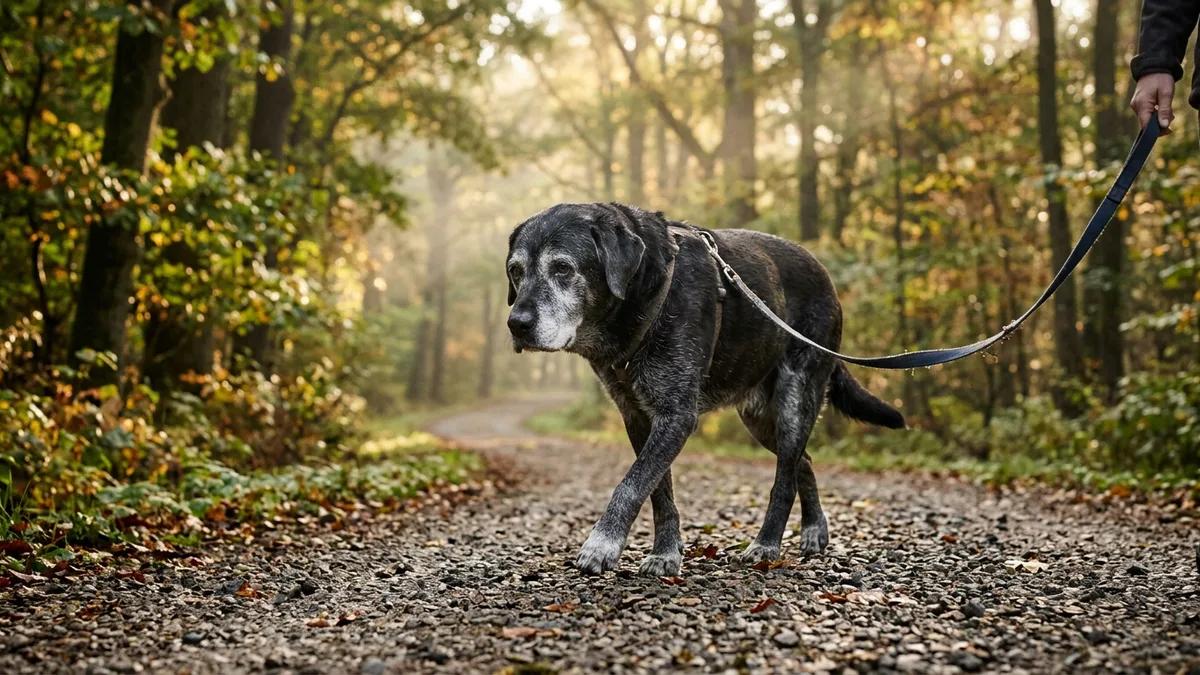
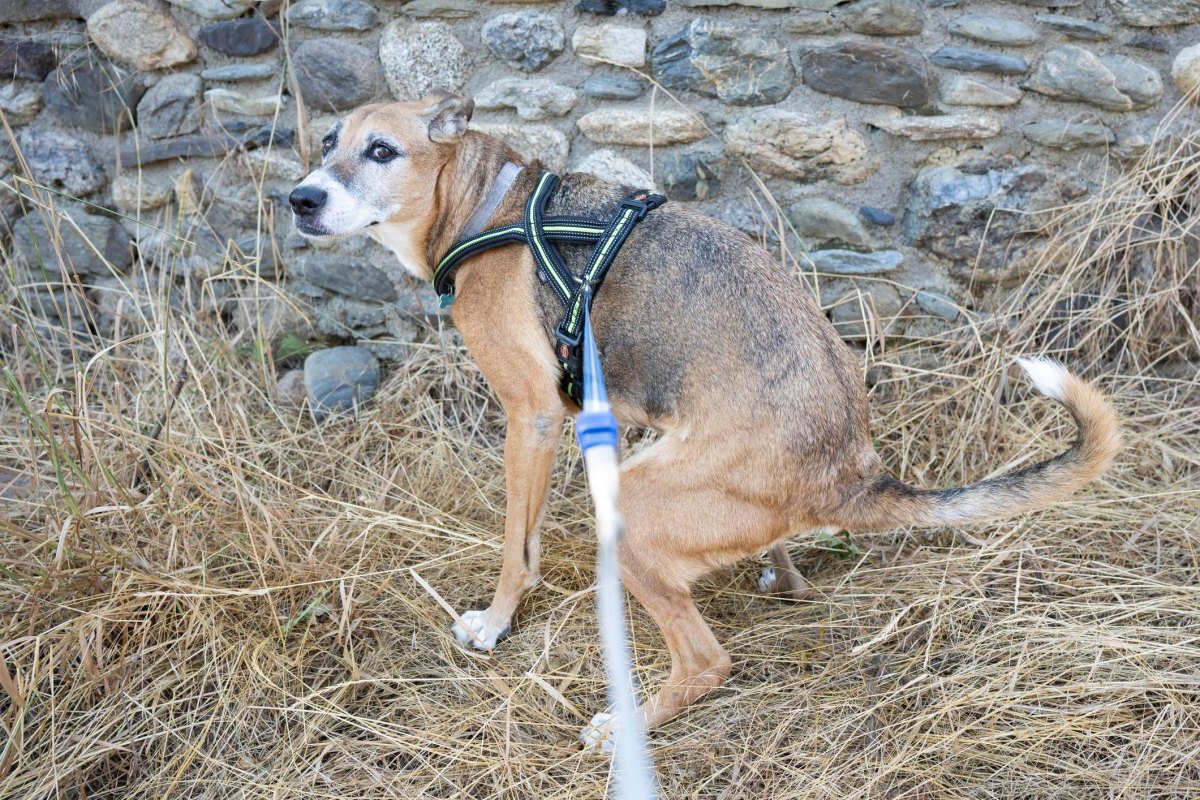
A stiff dog often needs movement, not complete rest. That sounds backwards, but joints and supporting muscles generally cope better with regular, sensible activity. I have watched Skye benefit from shorter walks on familiar ground rather than the longer hill routes she loved years ago. gentle daily exercise keeps her moving without asking too much. Research supports age-appropriate exercise plans tailored to each dog's ability and health.
- Start. Begin with a calm pace and allow your dog time to warm up.
- Adjust. Reduce distance if your dog becomes stiff later that day or the next morning.
- Observe. Note changes in walking, stairs, rising and enthusiasm.
If a dog suddenly becomes lame, cries out, cannot bear weight, or seems distressed, that moves from “watch and note” into “ring your vet today”. A collapse, severe breathing difficulty or obvious emergency signs need urgent veterinary help.
Choose Joint-Supportive Nutrition and Supplements
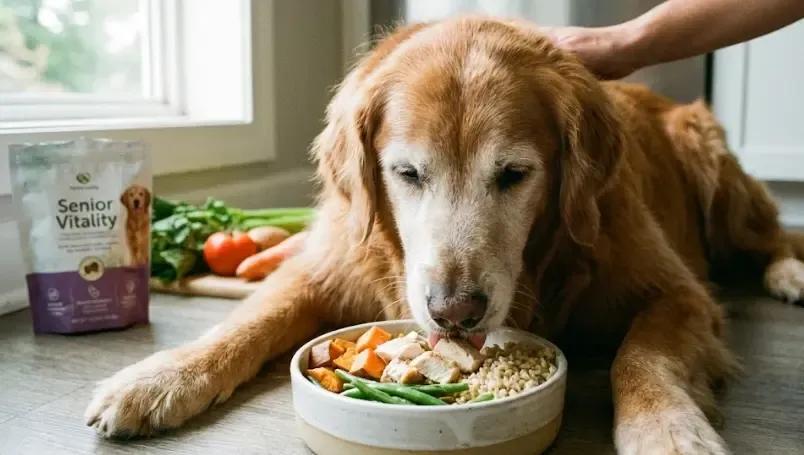
There is a lot of noise around senior dog supplements, and I understand why owners want something simple that will help. The reality is more measured. A balanced diet, appropriate calories and maintaining muscle matter greatly. Ingredients such as omega-3 fatty acids may support joint comfort, but supplements should not replace veterinary advice.
| Option | My practical view |
|---|---|
| Omega-3 fatty acids | May support joint health; discuss suitability and amounts with your vet. |
| Joint chews | Quality varies, so check ingredients and expectations. |
| Therapeutic diets | Best chosen with veterinary input for specific conditions. |
I am cautious about miracle claims. A £40 tub of powder cannot undo every ageing change. realistic expectations are much kinder to both your dog and your bank account.
Create a Comfortable Sleeping Environment
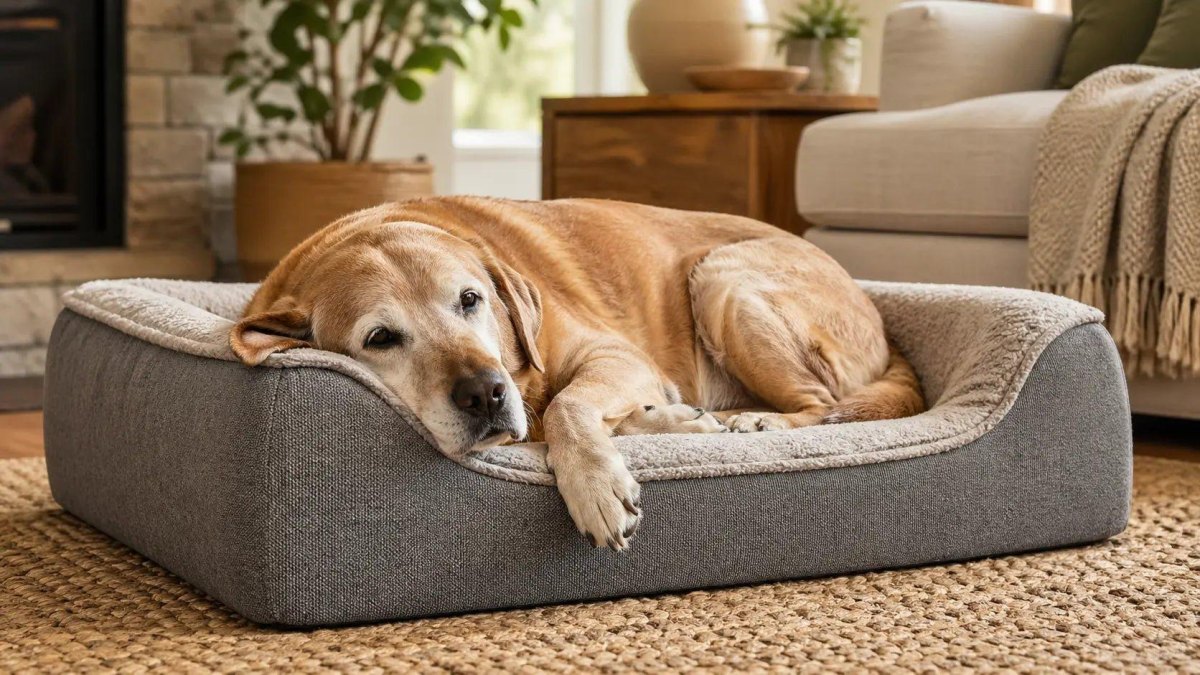
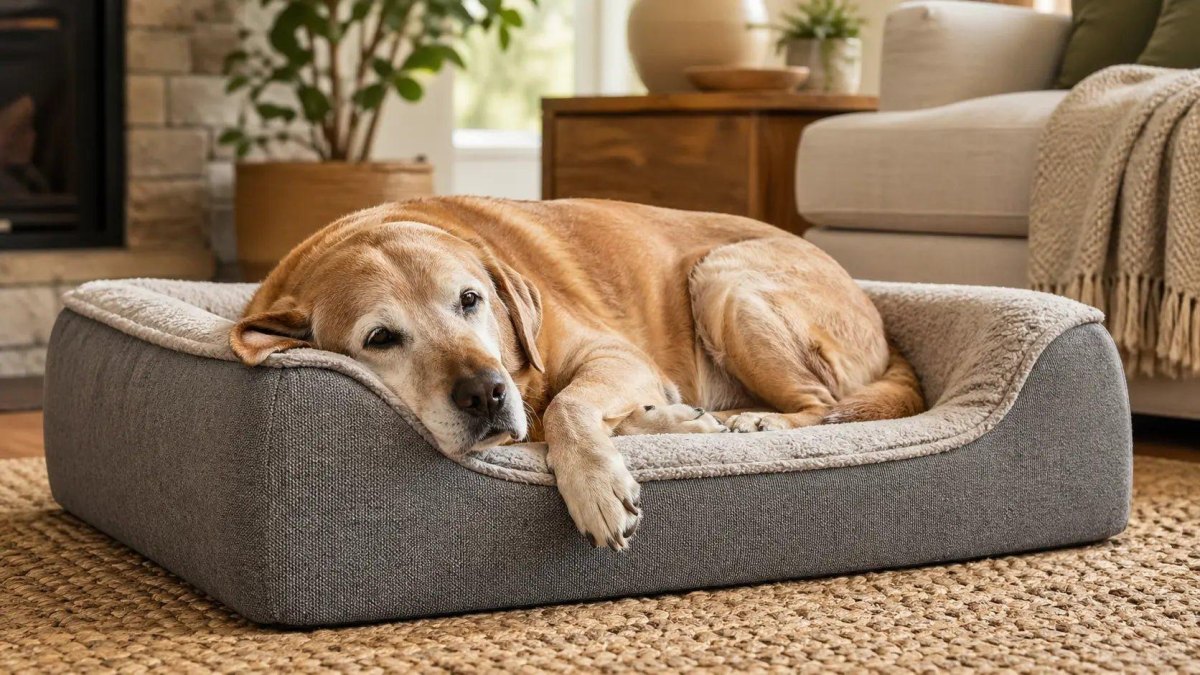
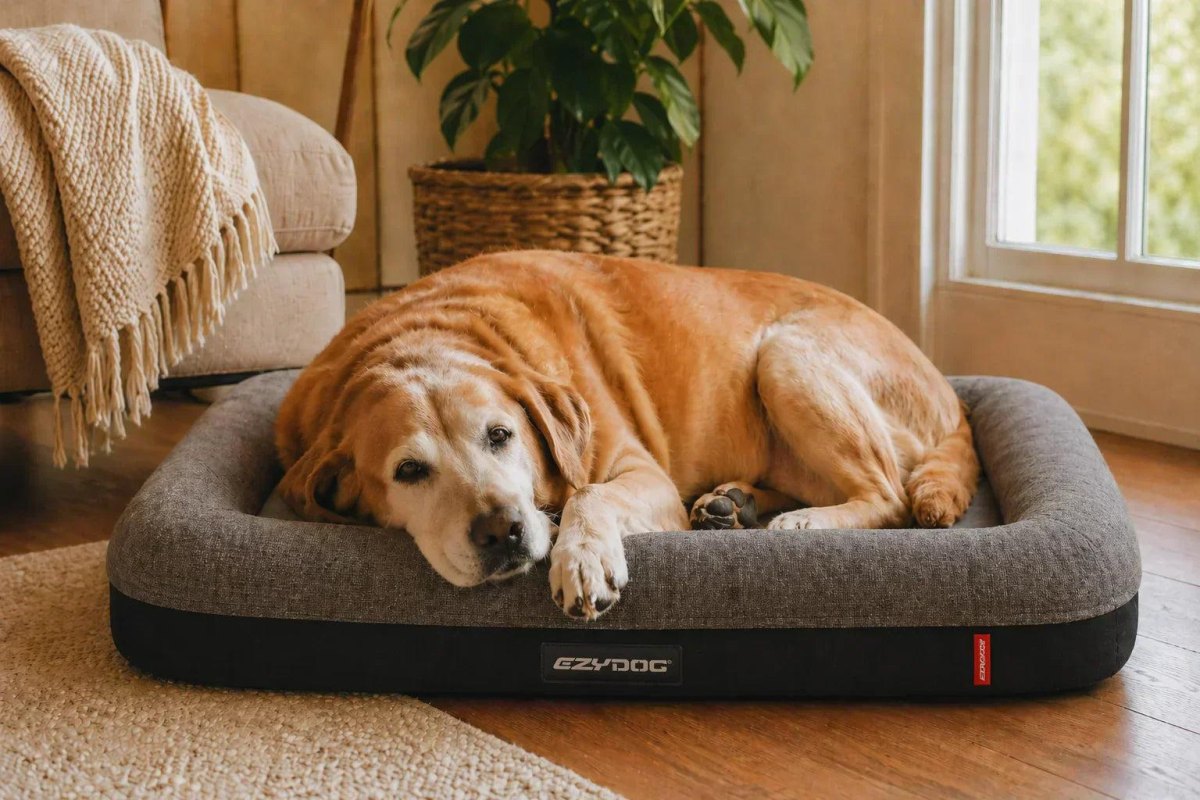
Older dogs spend a great deal of time resting, so their bed matters. Skye used to sleep anywhere, including the cold kitchen floor, but her older joints now appreciate warmth and support. A comfortable resting area can make getting up easier after long periods asleep. orthopaedic support can be useful, although every dog has their own preference.
- Choose a bed that is easy for your dog to step into.
- Keep bedding away from cold draughts.
- Wash covers regularly, especially for dogs with senior-care needs.
- Place the bed somewhere quiet but still part of family life.
I have found that the best bed is often the one the dog actually uses. Rab has opinions about expensive dog beds, naturally, but even he admits Skye's favourite is the one beside the stove.
Schedule Regular Veterinary Joint Checkups
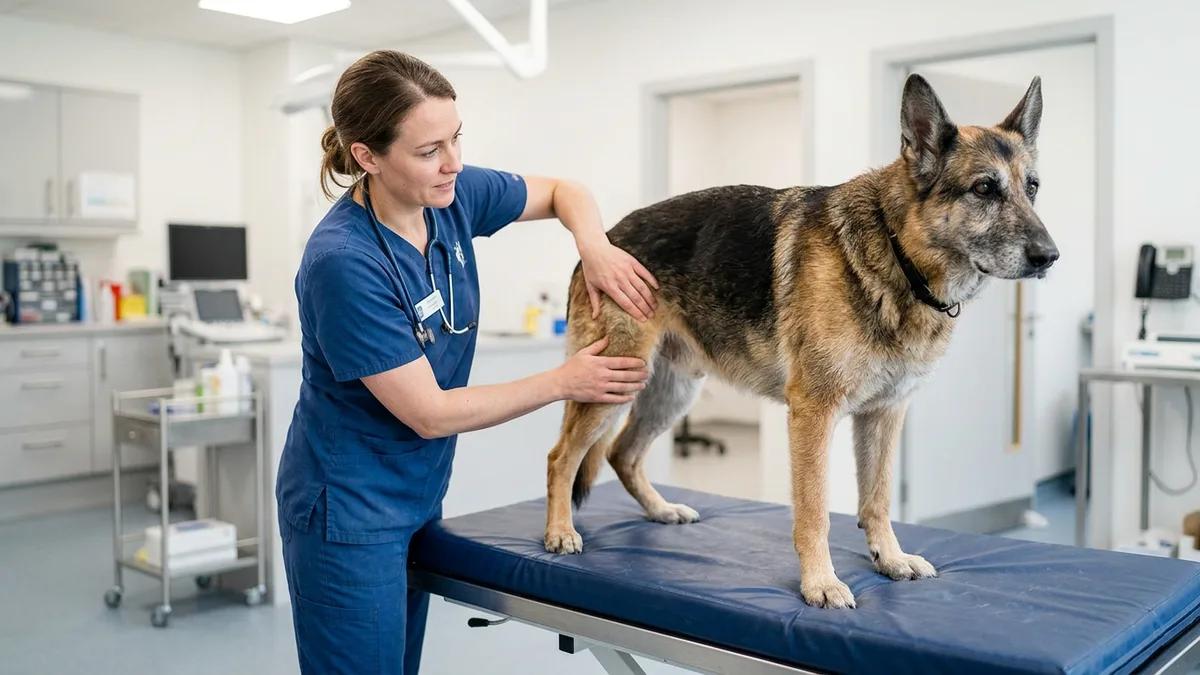
Dogs are wonderfully good at hiding discomfort. That was one of the biggest lessons from my nursing years. A dog who looks “just a bit slower” may have pain worth discussing. Regular veterinary checks help spot changes early and create a proper plan. Senior dogs often benefit from more frequent health reviews depending on their needs.
My note from years in practice
Bring observations, not just worries. Tell your vet when stiffness happens, how long walks last, and whether your dog struggles with stairs or getting up.
New severe pain, sudden inability to walk, collapse, breathing problems, suspected poisoning or uncontrolled bleeding are not routine ageing issues. Those situations need urgent help.
Use Joint-Friendly Home Adjustments
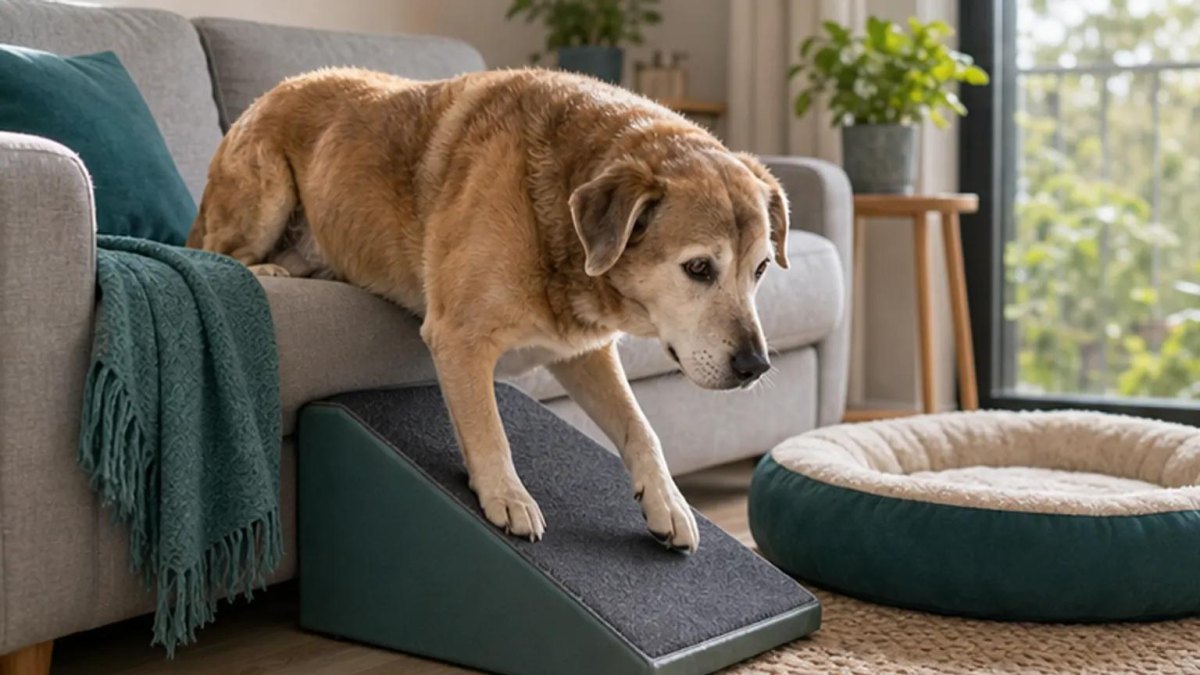
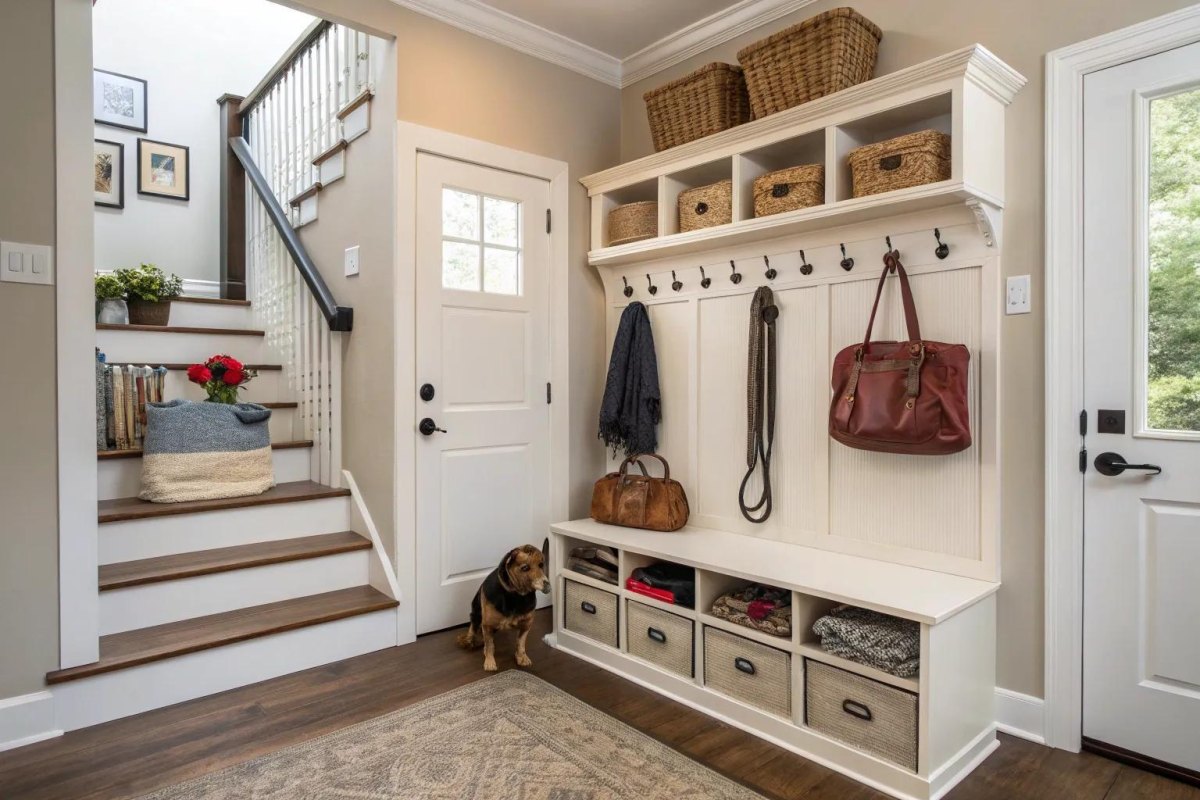
Many older dogs do not need a complete house makeover. A few sensible changes can make daily life much easier. Slippery floors, steep steps and high jumps can all become harder as joints age. simple adaptations often prevent unnecessary strain.
- Flooring: Add non-slip mats where your dog walks most.
- Travel: Consider ramps instead of jumping into cars.
- Stairs: Limit risky climbing if your dog struggles.
- Food and water: Keep essentials easy to reach.
Skye's ramp took patience. She looked at it for several days as though I had invented a strange household insult, but now she uses it happily.
Recognize Early Signs of Joint Discomfort
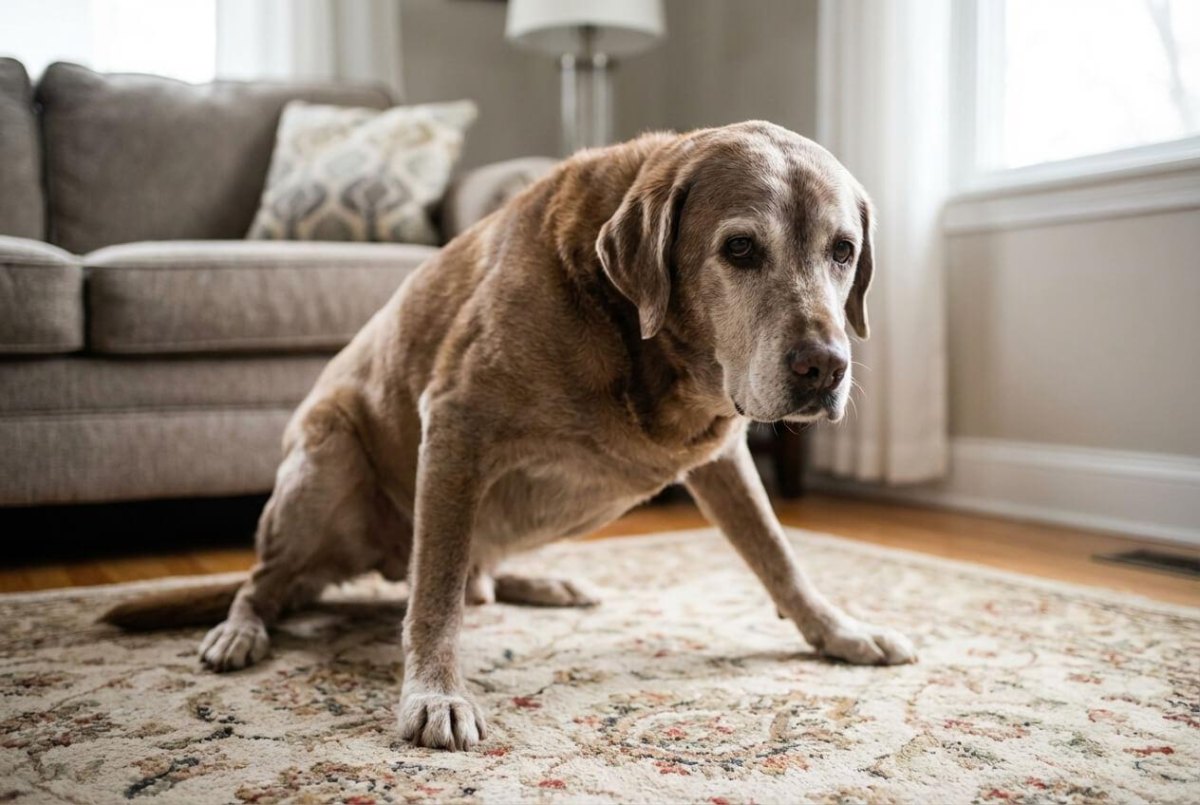
Joint discomfort is not always a dramatic limp. Often it appears as small changes: hesitation before jumping, taking longer to stand, sleeping more, or avoiding favourite activities. Osteoarthritis can involve pain, stiffness and reduced movement, so noticing patterns matters.
Do not ignore sudden changes
If your dog suddenly cannot use a limb, appears in severe pain, collapses, struggles to breathe, or has another emergency symptom, seek veterinary help rather than waiting.
I like owners to think in three categories: watch and note small gradual changes, book an appointment for ongoing concerns, and seek urgent help when symptoms are severe or sudden.
Support Joint Health With Gentle Care and Routine
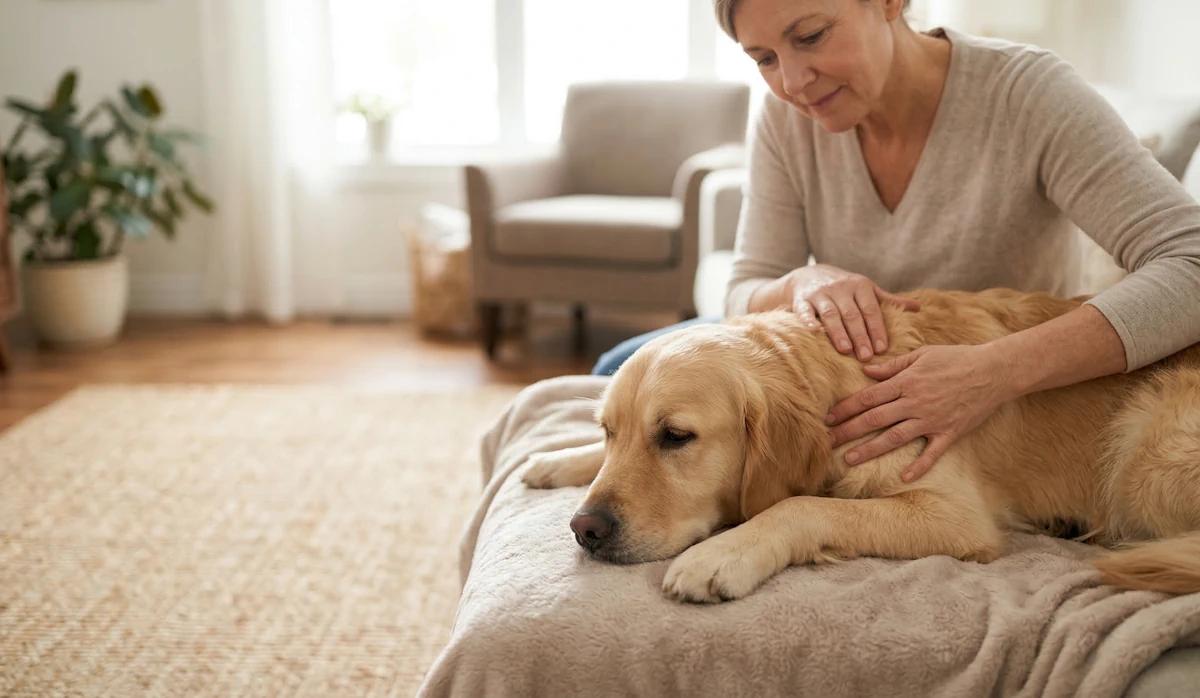
The final piece is the ordinary daily care that rarely gets mentioned because it is not glamorous. A steady routine, regular grooming checks, calm handling and noticing little differences are what keep us connected to our older dogs. consistent care is where many improvements begin.
A senior dog's routine matters
Keep walks predictable, make rest easy, record changes, and involve your vet when something feels different. You know your dog better than anyone.
After thirty-five years with dogs, including watching my own through their later years, I have learned that ageing is not about stopping everything they love. It is about finding the version that still feels good. For Skye, that means shorter walks, a ramp, a warm bed and plenty of time supervising Tam's complaints about the postman.