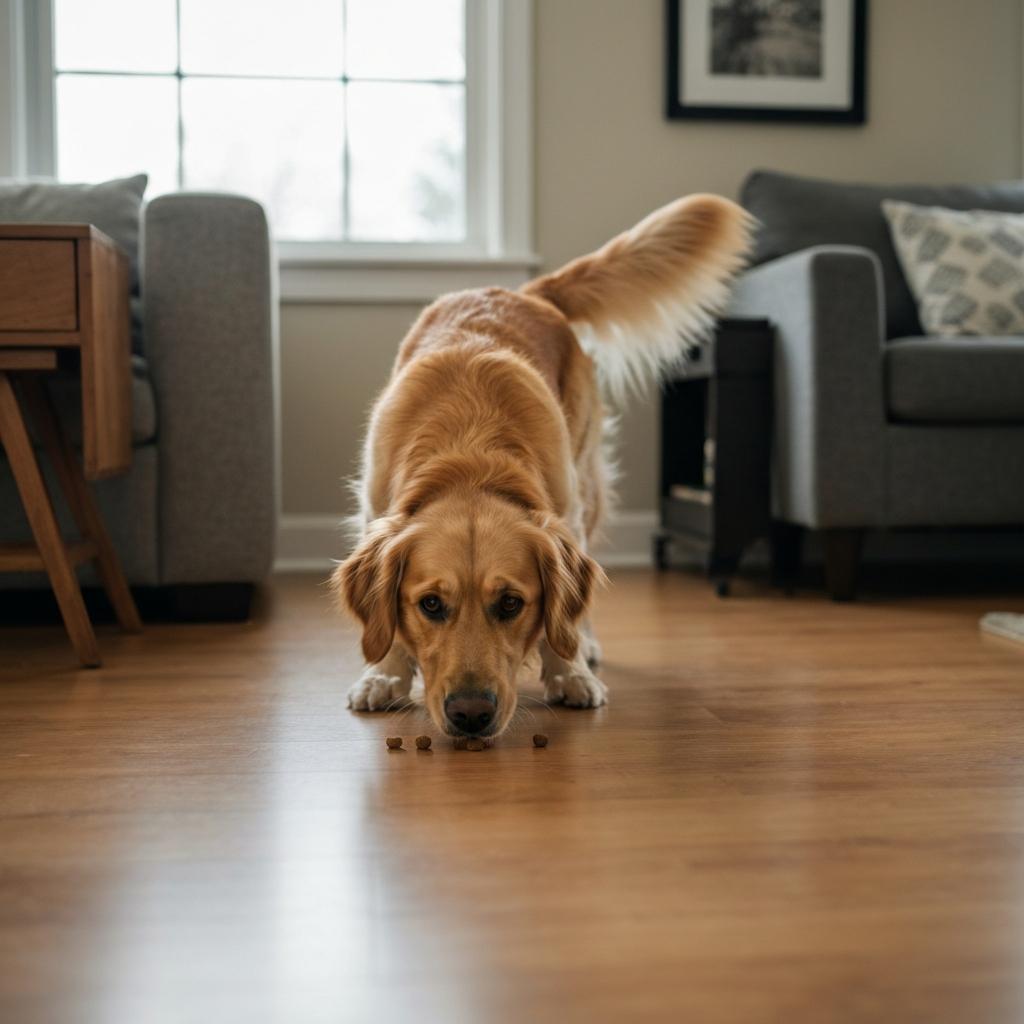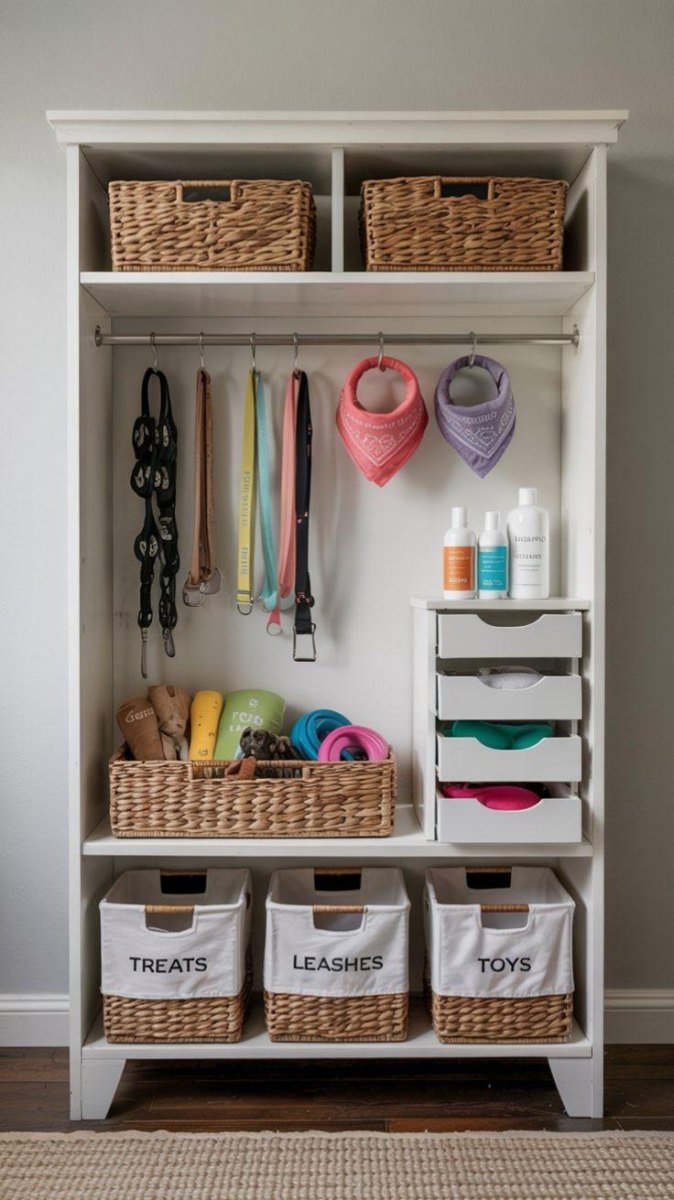

A puppy's day is not just about walks and naps. I have seen plenty of young dogs become far happier when they have small jobs to do, whether that is sniffing out food, exploring safe textures or working out a simple toy.
After years around dogs, from my veterinary nursing days to my rescue centre mornings, I have learned that enrichment does not need to be complicated. It needs to suit the puppy in front of you. Puzzle toys, foraging activities and sensory games are all ways to encourage natural behaviours while keeping young minds occupied.
Puzzle Toys for Mental Stimulation
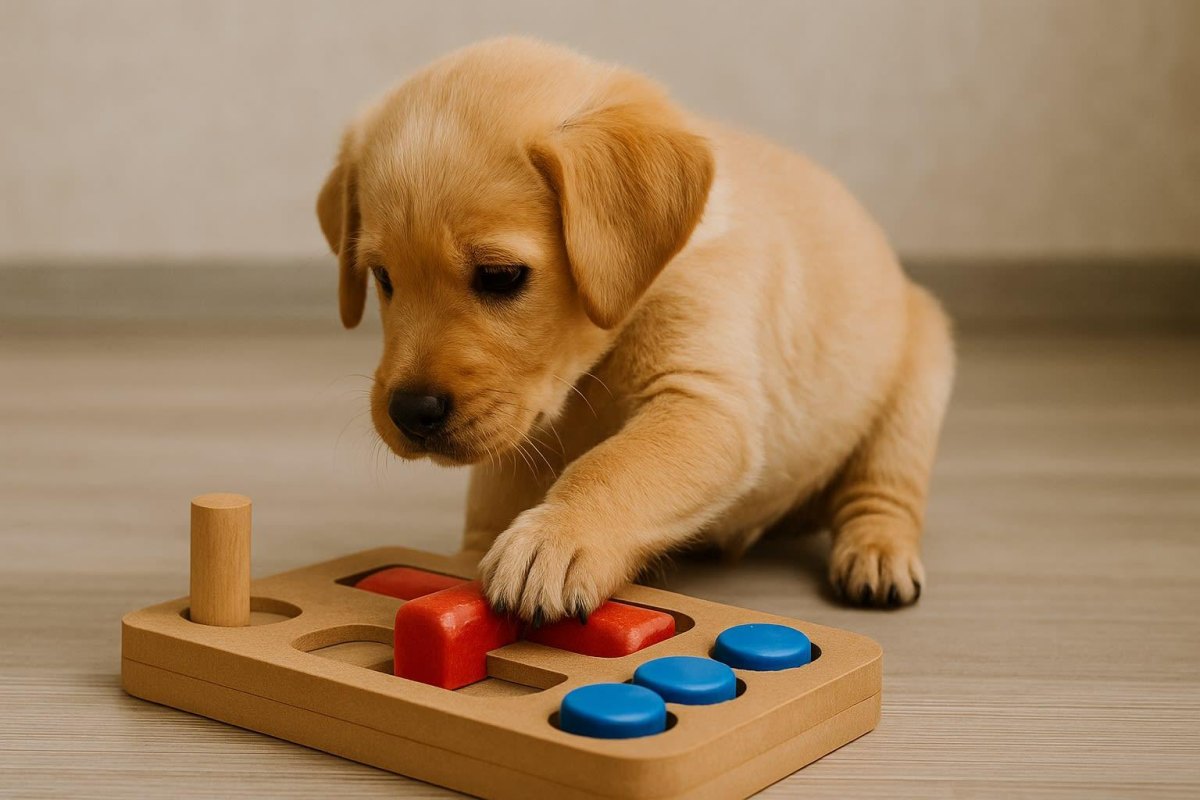
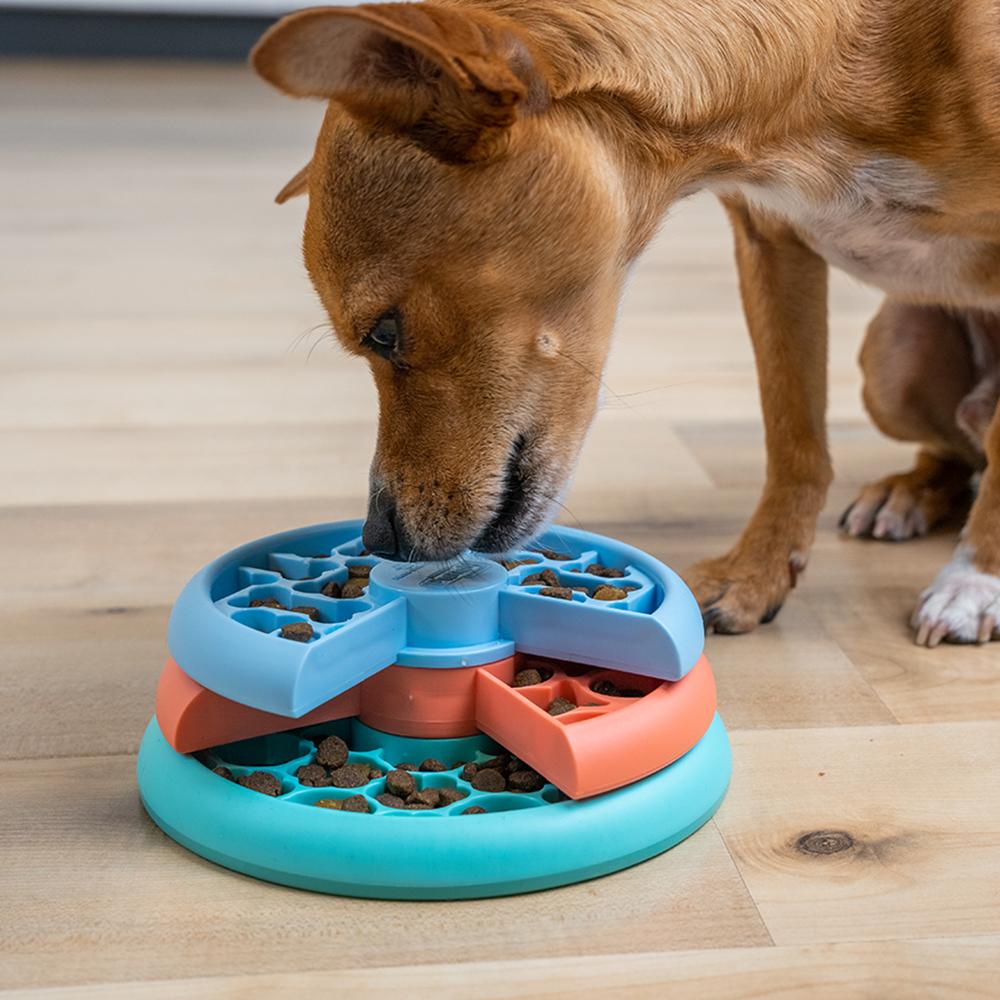
I like puzzle toys because they turn ordinary treats or part of a meal into a thinking exercise. A puppy has to investigate, paw, sniff and try different approaches rather than simply gulping food from a bowl.
Start with something simple. A puzzle that leaves a puppy frustrated is not enrichment; it is just a confusing plastic object on the floor. I always watch a new toy closely and remove anything that becomes damaged.
Snuffle Mats for Natural Foraging
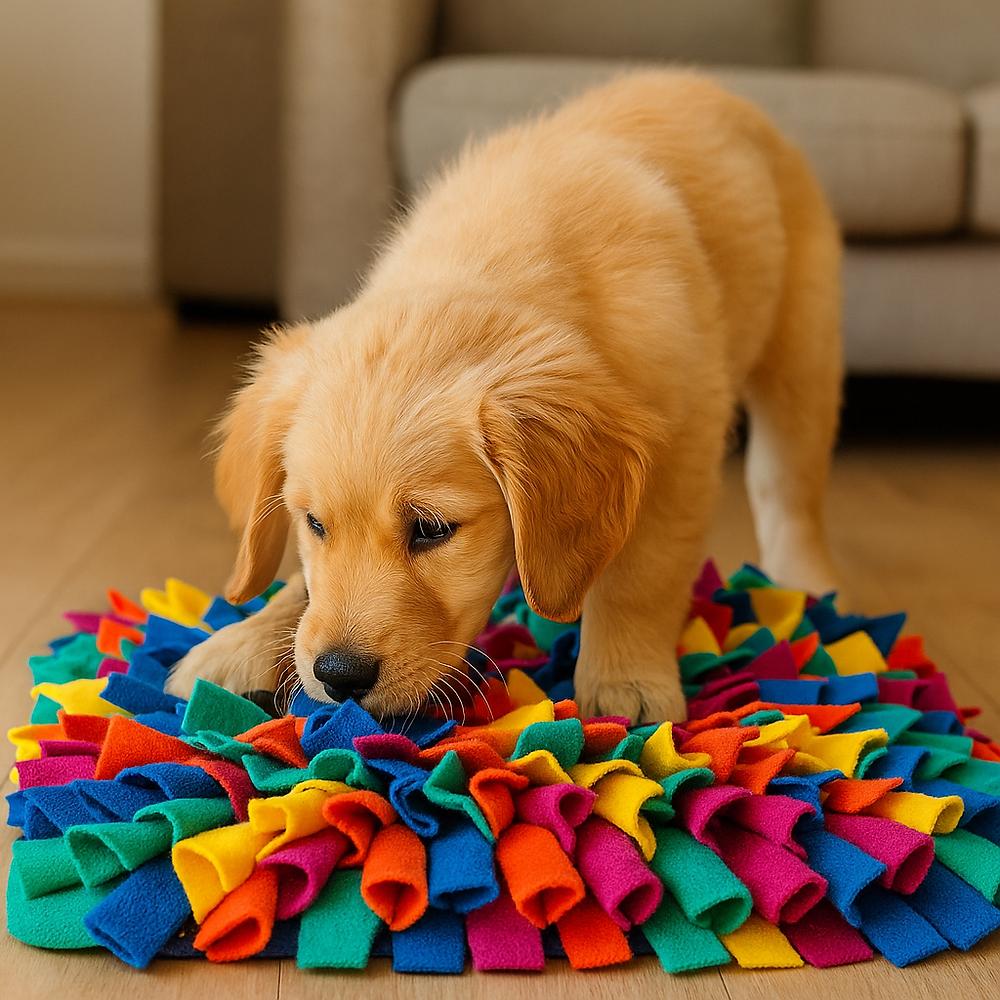
Snuffle mats are one of my favourite indoor options for puppies, especially when Scottish weather turns the garden into a mud bath. They encourage nose-led searching by hiding food among fabric strips.
I use dry food or suitable treats and keep an eye on puppies that think every household item is also a snack. The mat should be a game, not a chewing challenge.
Interactive Treat Dispensing Games
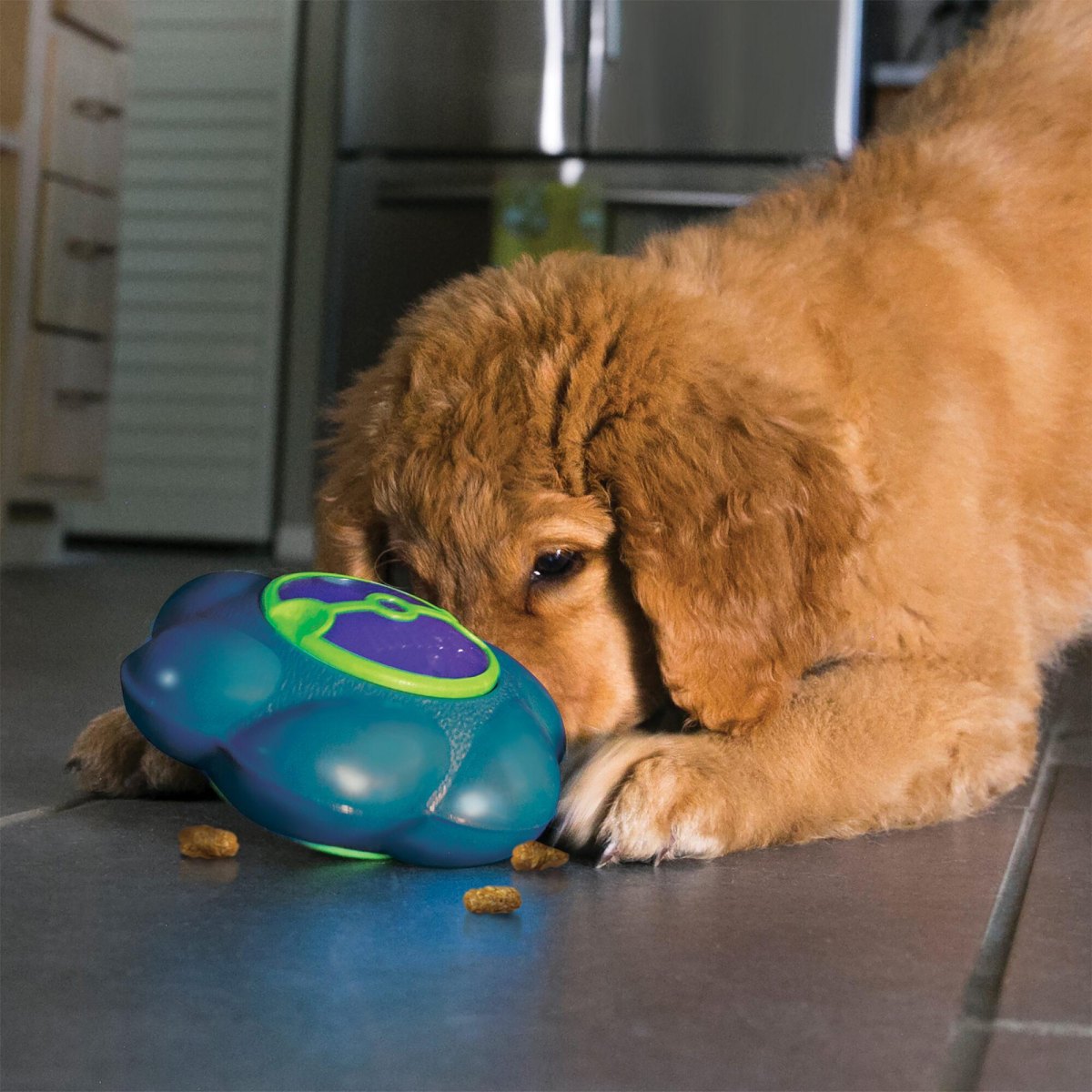
Treat dispensing toys are useful because they make a puppy work for rewards. They can slow eating and provide mental engagement through simple problem solving.
I introduce these gradually. A puppy should feel successful quickly, then the difficulty can increase as confidence grows.
Safe Chewing Activities for Puppies
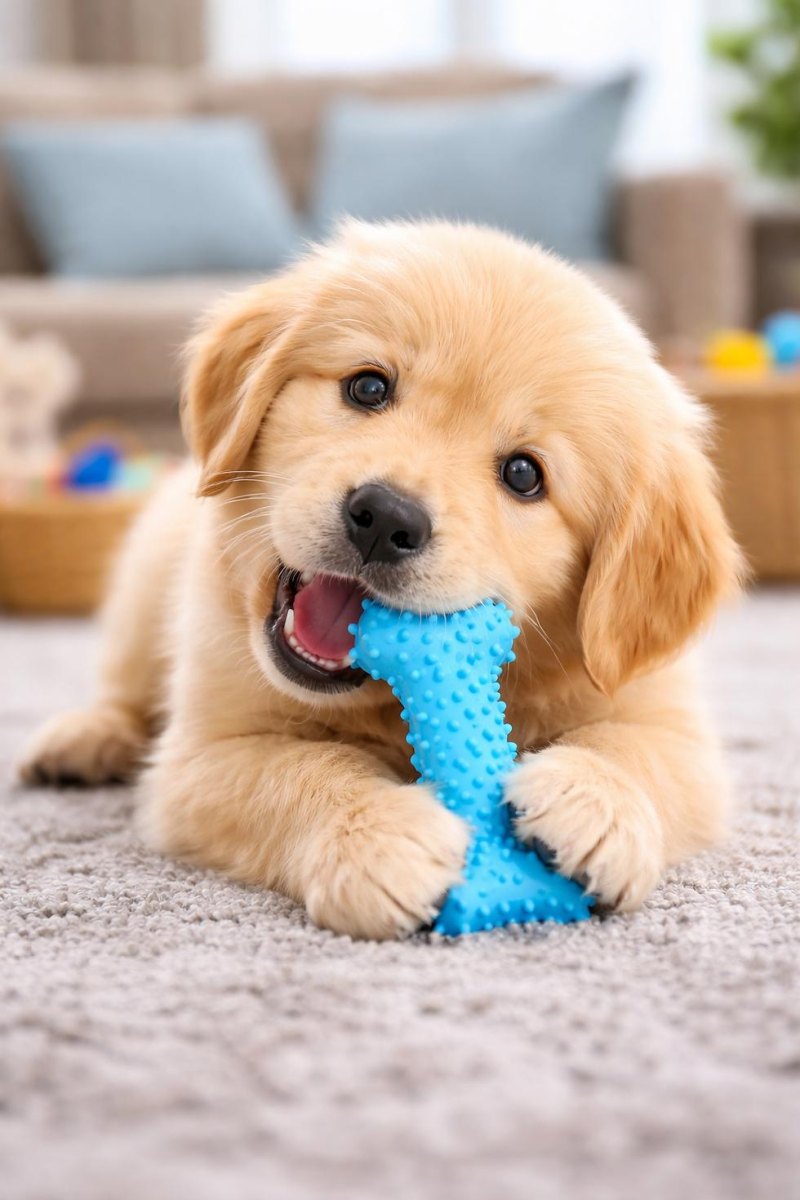
Puppies explore the world with their mouths, so safe chewing outlets matter. I choose items made for dogs, sized correctly, and suitable for the puppy's chewing style. Supervision matters, particularly with a new chew.
If a puppy is breaking pieces off, that chew is not the right choice. I would rather replace a toy than make an unnecessary trip to the vet.
Hide and Seek Training Games
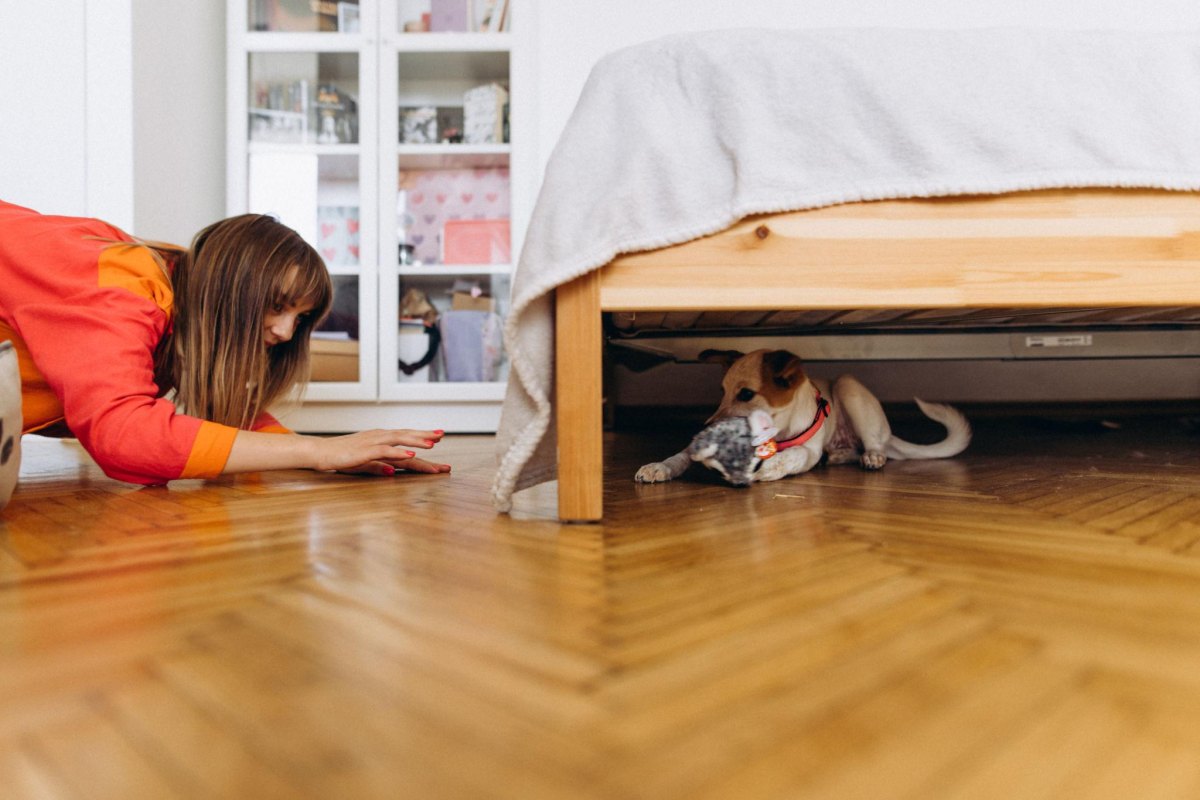
I enjoy simple hide and seek games because they encourage a puppy to use its senses. Hiding a toy or safe treat around a room creates a foraging opportunity without needing expensive equipment.
I keep these activities easy at first. The aim is enjoyment and curiosity, not turning the sitting room into an examination hall.
Basic Trick Training Sessions
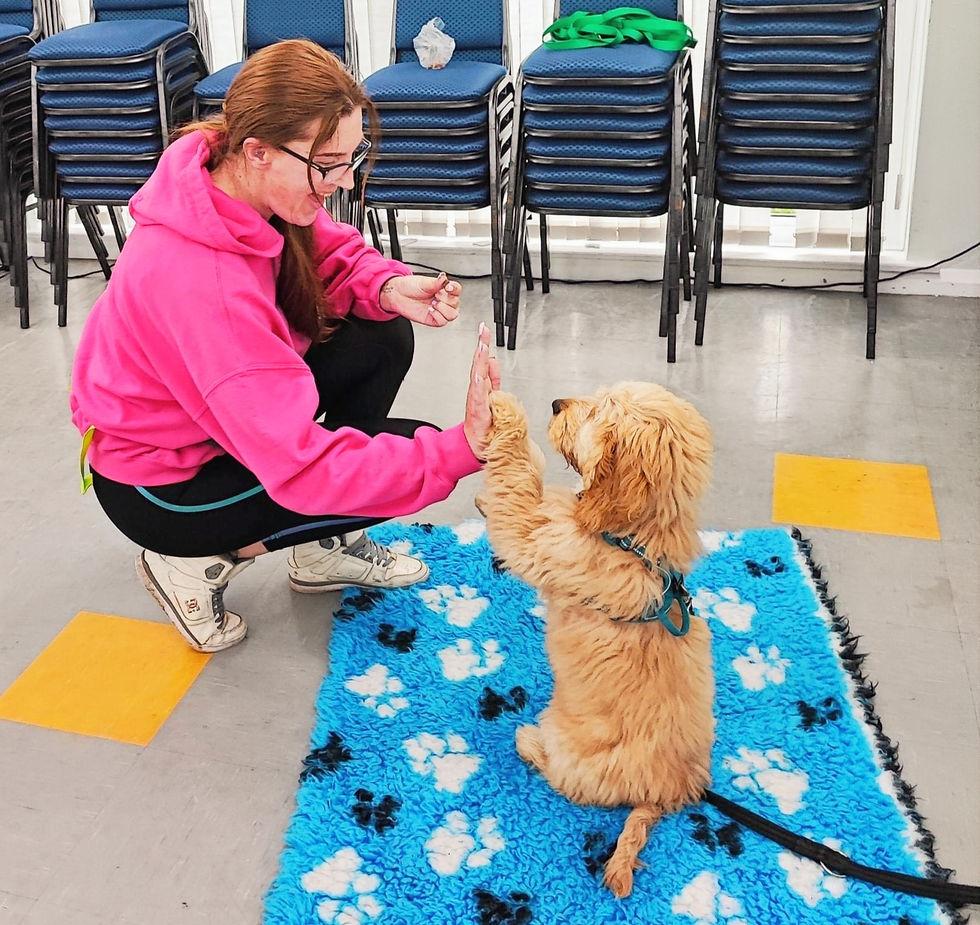
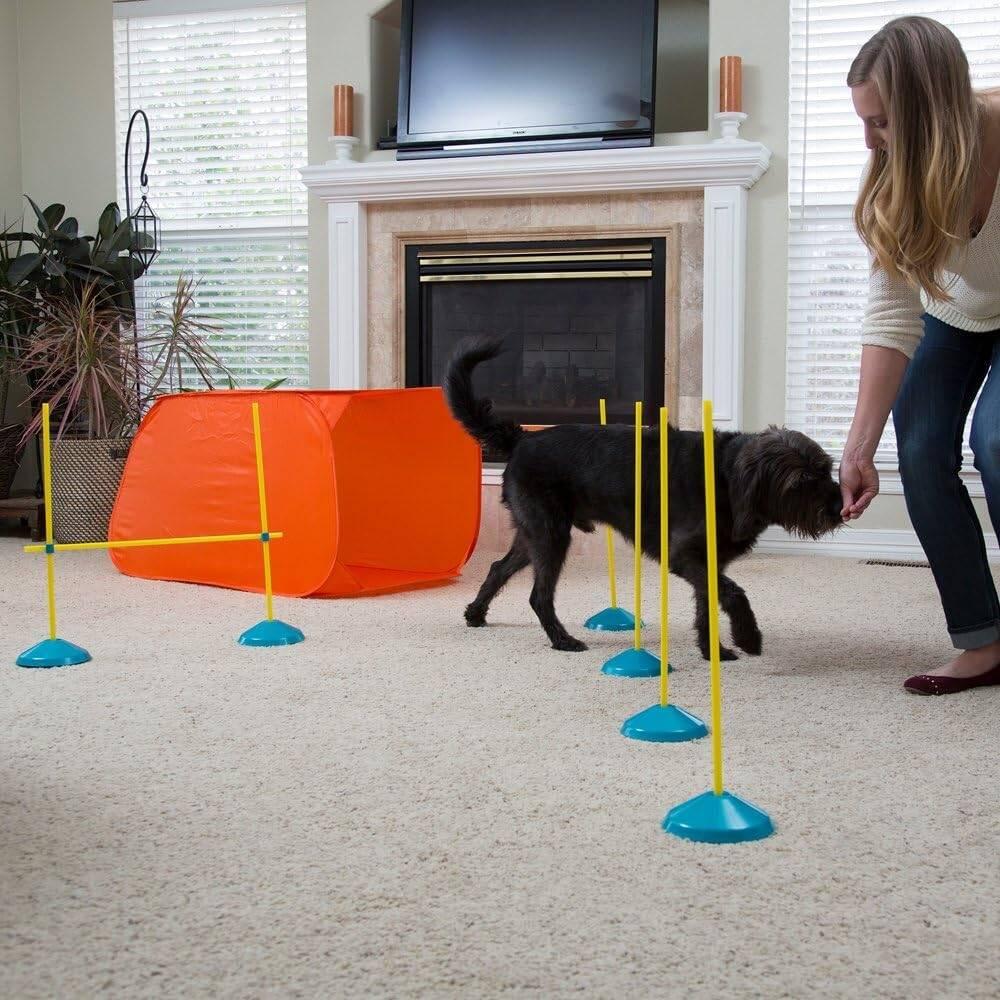
Short learning sessions can be enriching when they are gentle and positive. I focus here on everyday interaction and mental activity rather than behaviour problems or obedience work, which belongs with qualified trainers. Brief sessions suit young puppies best.
A few minutes of attention, followed by rest, is often more useful than a long session that leaves a puppy overtired.
DIY Enrichment Boxes
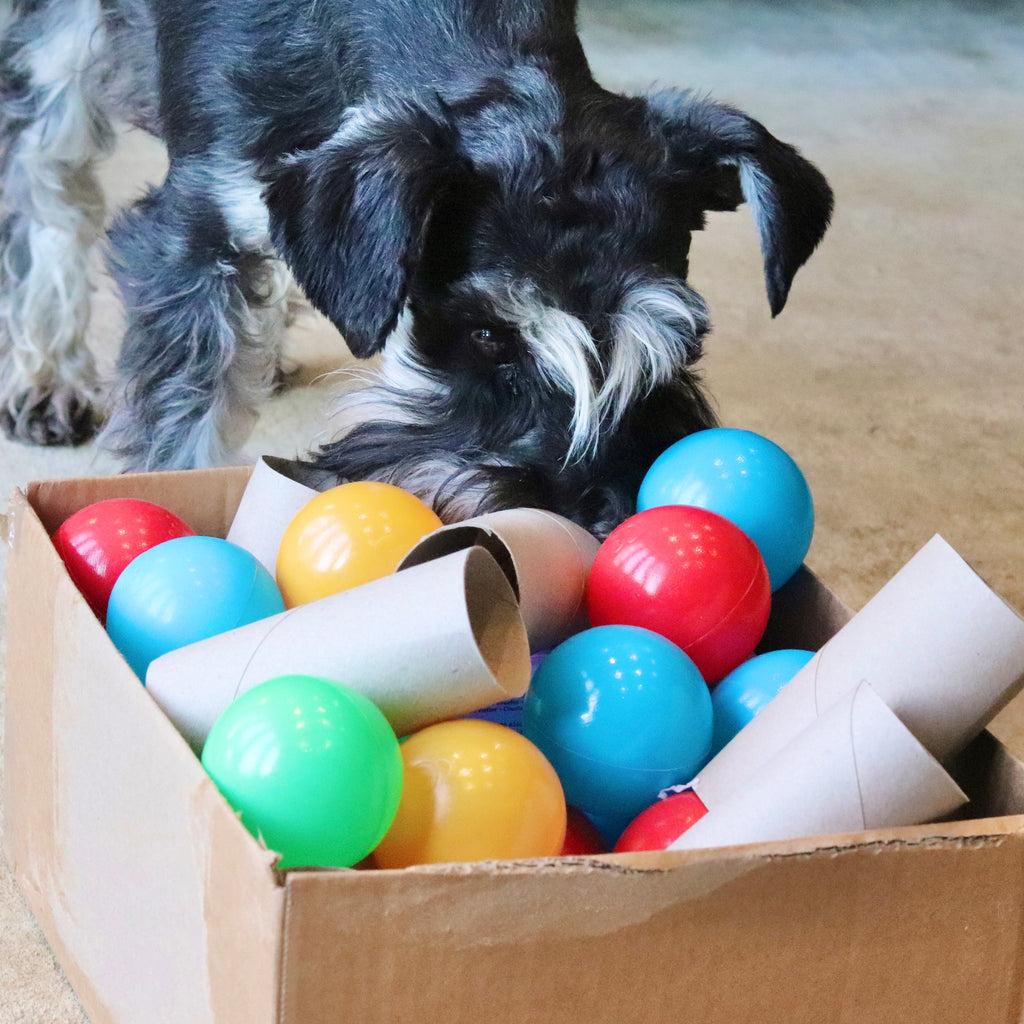
You do not need a cupboard full of gadgets. A sturdy cardboard box with safe paper and hidden food can become a simple sniffing game.
I check homemade activities carefully. Some puppies shred cardboard happily; others attempt to eat it, and those puppies need a different idea.
Sensory Exploration Activities
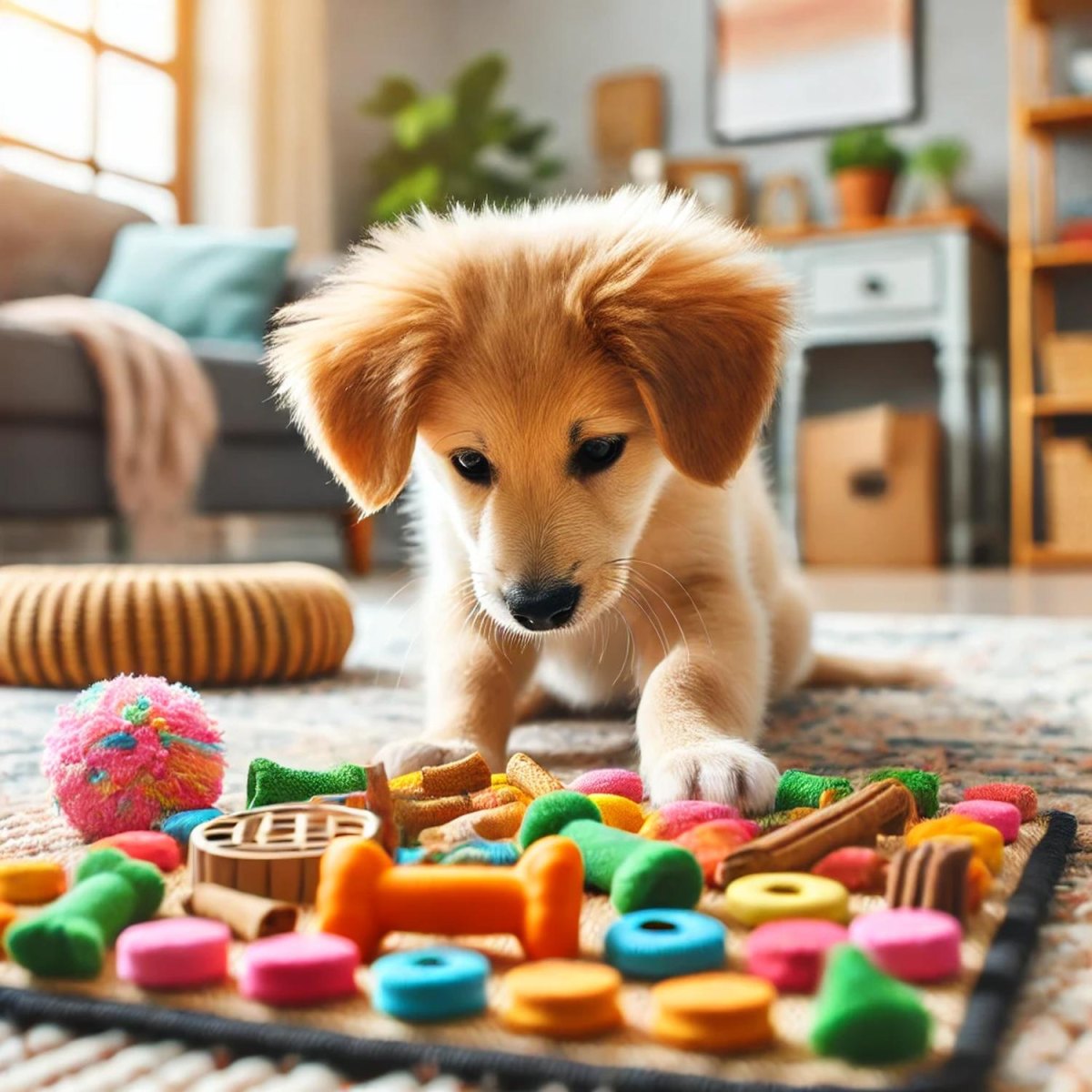
Puppies learn through their senses, and safe exploration gives them variety. New textures, gentle sounds and interesting smells can provide sensory enrichment at home.
I prefer introducing one new thing at a time so I can see what a puppy enjoys and what makes them uncertain.
Puppy Socialization Adventures
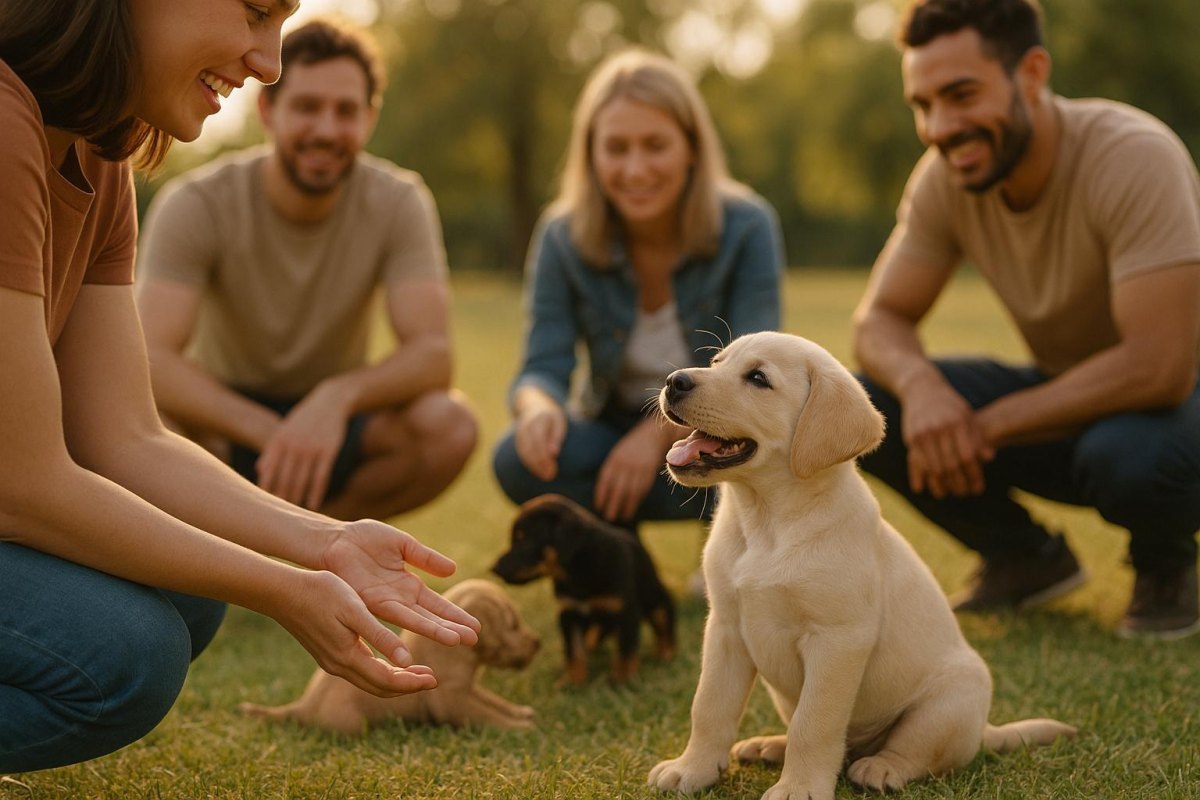
Carefully chosen experiences are part of raising a confident puppy. I like calm introductions to everyday sights, people and environments rather than overwhelming a young dog. Positive experiences matter more than ticking off a list.
For fear, anxiety or behaviour concerns, I would point owners towards a qualified behaviourist or trainer rather than trying to solve those issues through a blog.
Outdoor Exploration Walks
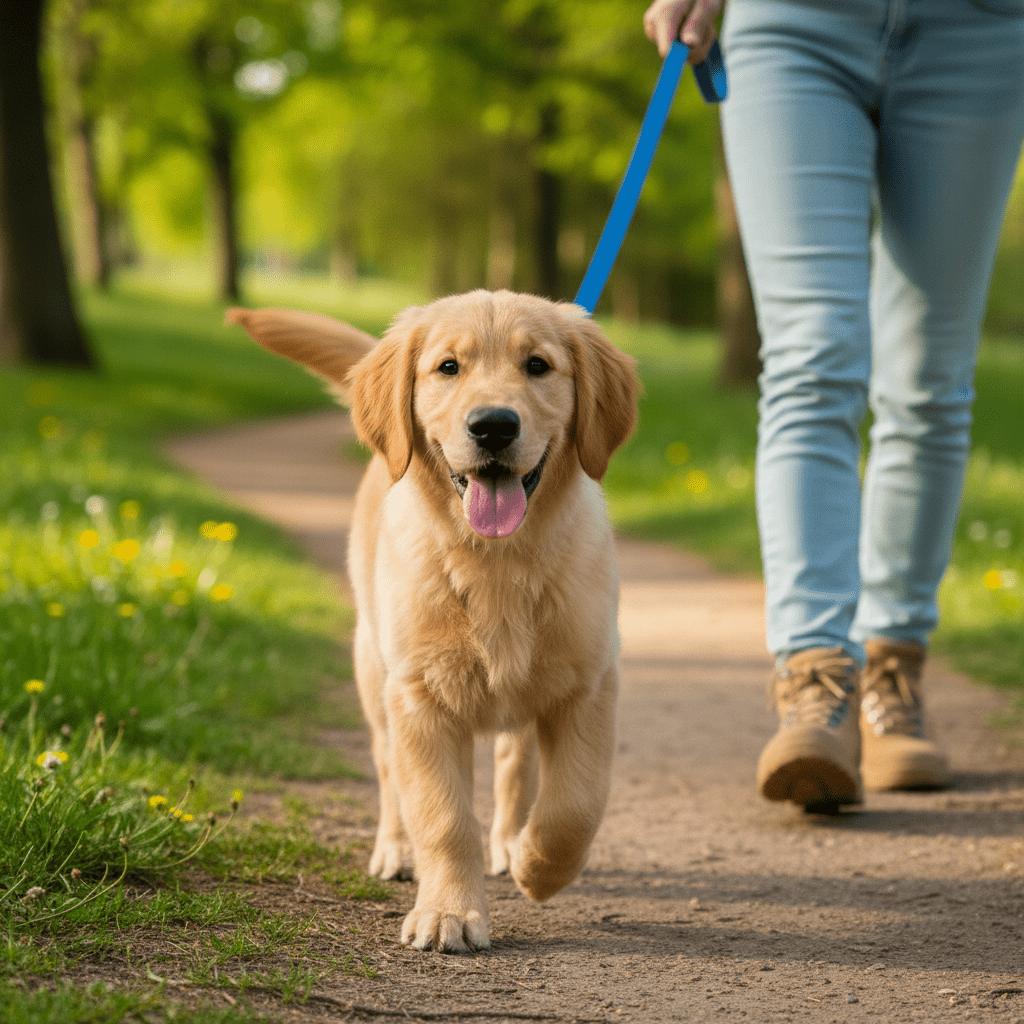
A puppy walk is not only about distance. A slow outing with time for sniffing gives a puppy the chance to process the world. I call these little investigation walks.
Young dogs have developing bodies, so exercise should be appropriate for age and individual health. Your vet can advise if you have concerns about growth or mobility.
Water Play Enrichment
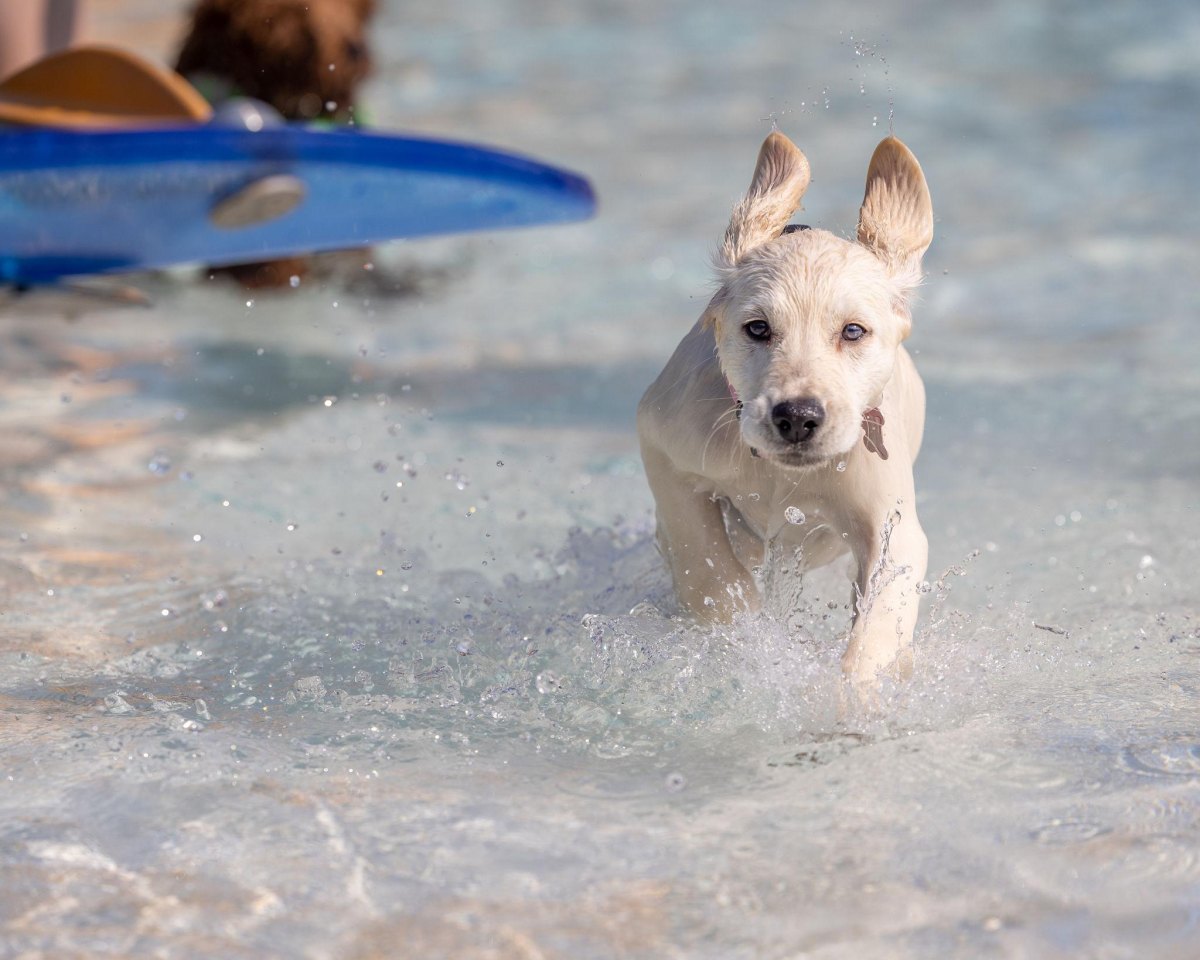
Some puppies adore water games, whether that is a shallow paddling pool or exploring a safe stream edge. I keep it controlled because outdoor water brings hazards such as currents, poor water quality and cold temperatures.
The best water activity is one where a puppy can leave easily and feels comfortable. Never force swimming.
Food-Based Training Games
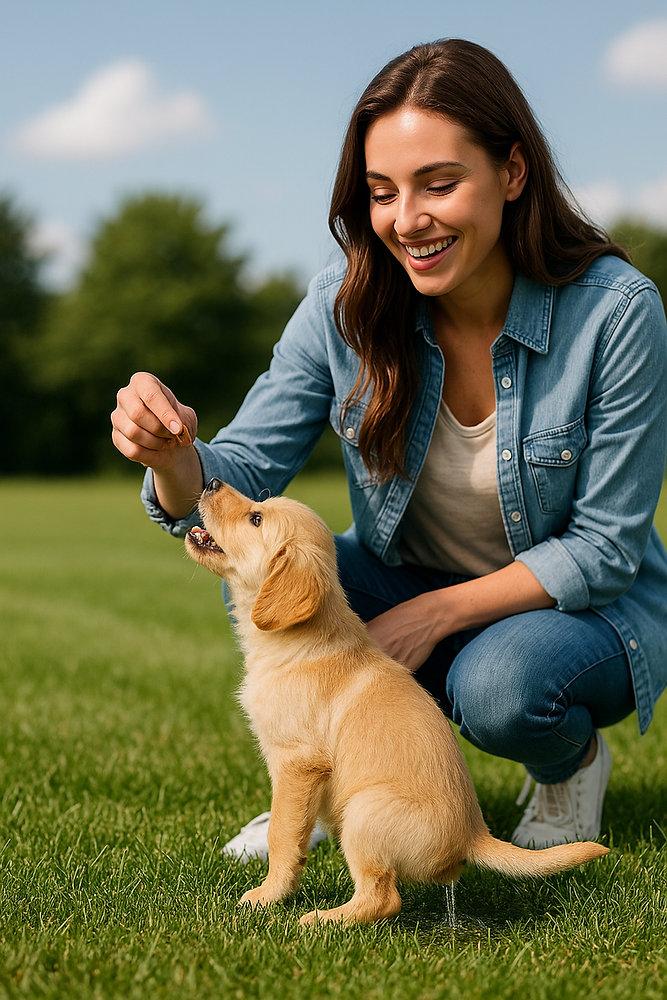
Food games can make mealtimes more interesting. Using part of a puppy's normal food allowance in enrichment toys can prevent treats quietly adding up. Portion awareness is important for growing dogs.
I avoid homemade diets and complicated feeding plans without veterinary or qualified nutrition advice. Growing puppies have specific nutritional needs.
Tug and Fetch Activities
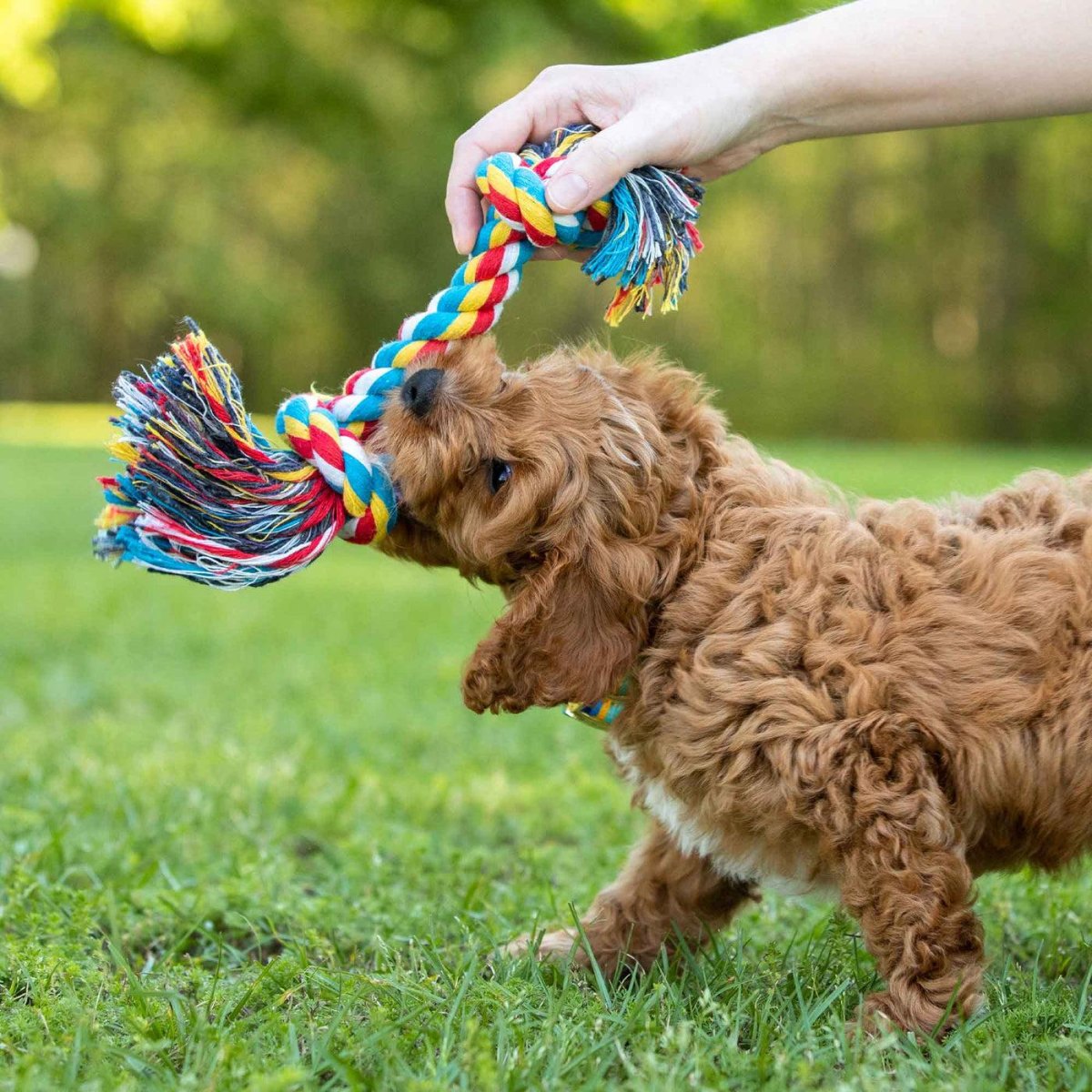
Tug and fetch can be enjoyable ways to share time with a puppy. I keep play sessions sensible, with suitable toys and plenty of breaks. Interactive play is about connection as much as movement.
For puppies still developing coordination, gentle play is usually better than frantic jumping and twisting games.
Calmness and Relaxation Exercises
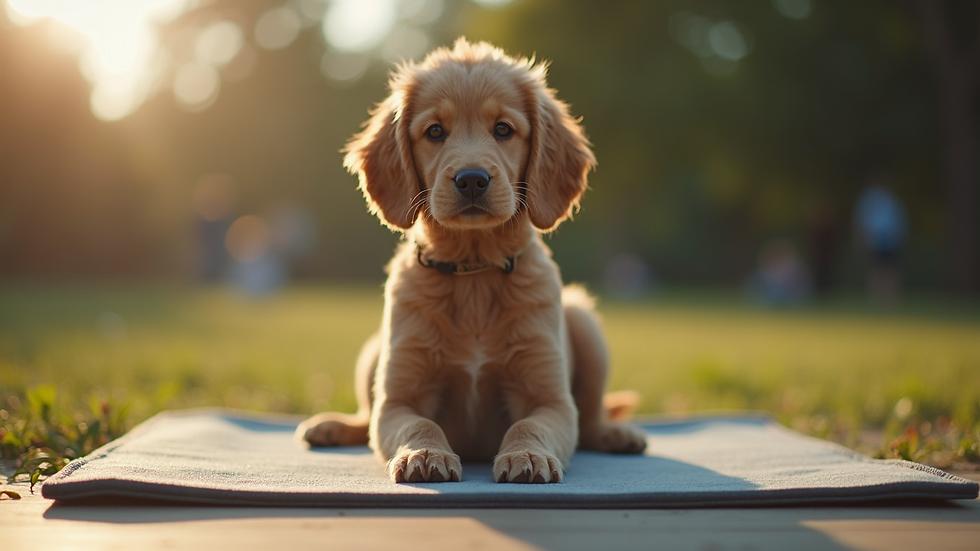
Enrichment is not always about excitement. Puppies need practice settling too. A comfortable mat, a chew or a quiet food toy can create calm downtime.
I have watched many lively young dogs benefit from learning that rest is part of the day, not a punishment.
Rotating Toys for Daily Variety
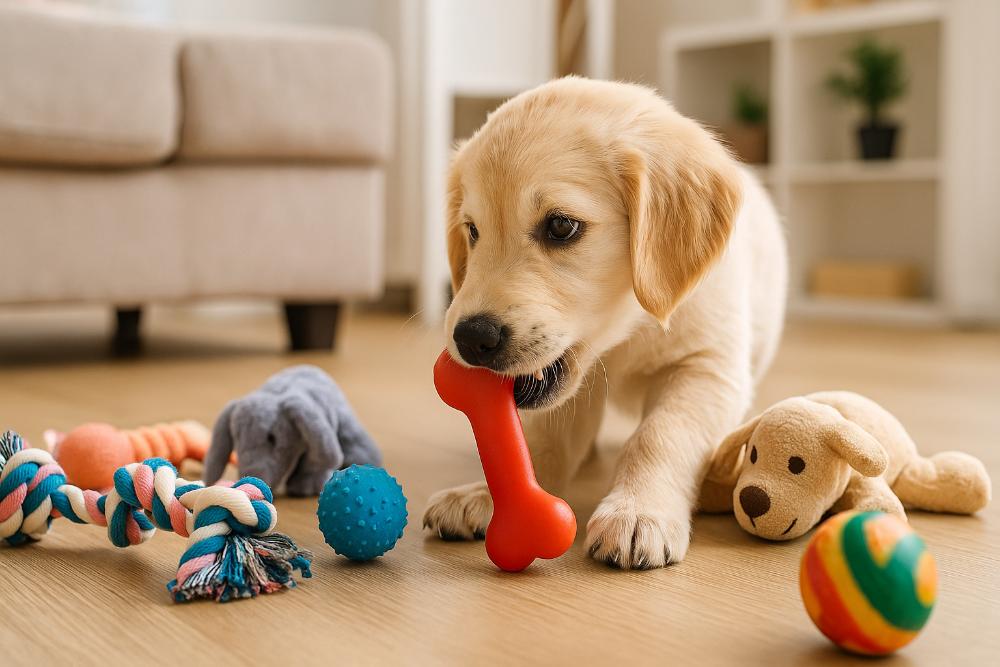
Leaving every toy available often makes each one less interesting. I prefer rotating a small selection so puppies experience fresh variety without needing endless purchases.
Skye still reminds me of this. Even an older dog notices when something familiar appears again after a few weeks away, and puppies are no different.