
What I want you to know first
- Homemade does not automatically mean complete. Beef, rice and vegetables can make a sensible cooked meal, but an internet recipe should not become your dog's sole diet without proper nutritional formulation.
- Keep every ingredient plain. No onion, garlic, seasoning, cooked bones, grapes, raisins, xylitol or other unsafe additions.
- Think of these combinations as meal ideas. For a long-term homemade diet, I would ask my own vet for a referral to a qualified veterinary nutritionist.
A necessary food warning
I am an RVN, not a practising vet. I left clinical practice in 2016, and veterinary nutrition has moved on since then. Current advice about your dog's individual calorie needs, medical conditions, supplements or therapeutic diets belongs with your own veterinary team. Most homemade diets found online are not nutritionally complete and balanced.
I've made plenty of meals for dogs over the years, and beef and rice is wonderfully straightforward. The trouble starts when straightforward becomes 'this is all my dog eats'. Dogs need the right balance of protein, fat, carbohydrates, vitamins and minerals, and those requirements change with age, activity and health.
So below I'm treating these as practical beef and rice combinations you can discuss with your vet, rather than pretending that a bowl of mince, rice and vegetables is a complete recipe for every dog.
Classic Beef and Rice Dog Food
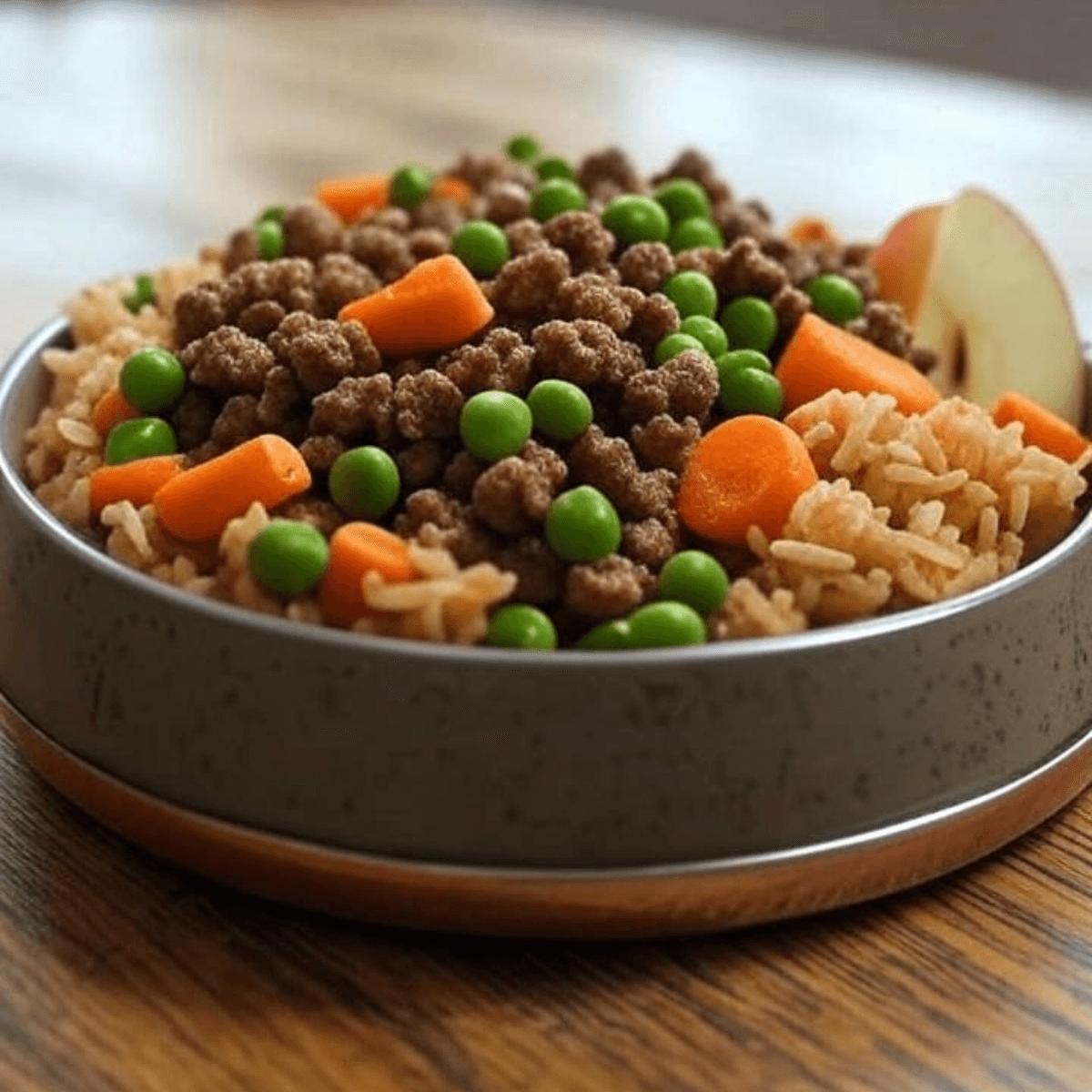
I start with the plainest version because it is the easiest to understand. Cooked lean beef and plain rice can be useful ingredients in a homemade meal, provided the beef is thoroughly cooked and any excess visible fat is removed. Plain cooked rice is generally safe for dogs, but it should not crowd out the rest of a properly balanced diet.
I would use this sort of bowl as an occasional home-cooked meal idea, not as a complete long-term feeding plan. If your dog needs a homemade diet for a medical reason, get the recipe formulated specifically for them rather than improvising quantities.
The mistake I would avoid
Don't season the beef. Onion and garlic are toxic to dogs, and rich sauces can bring unnecessary fat, salt or other unsuitable ingredients into the bowl.
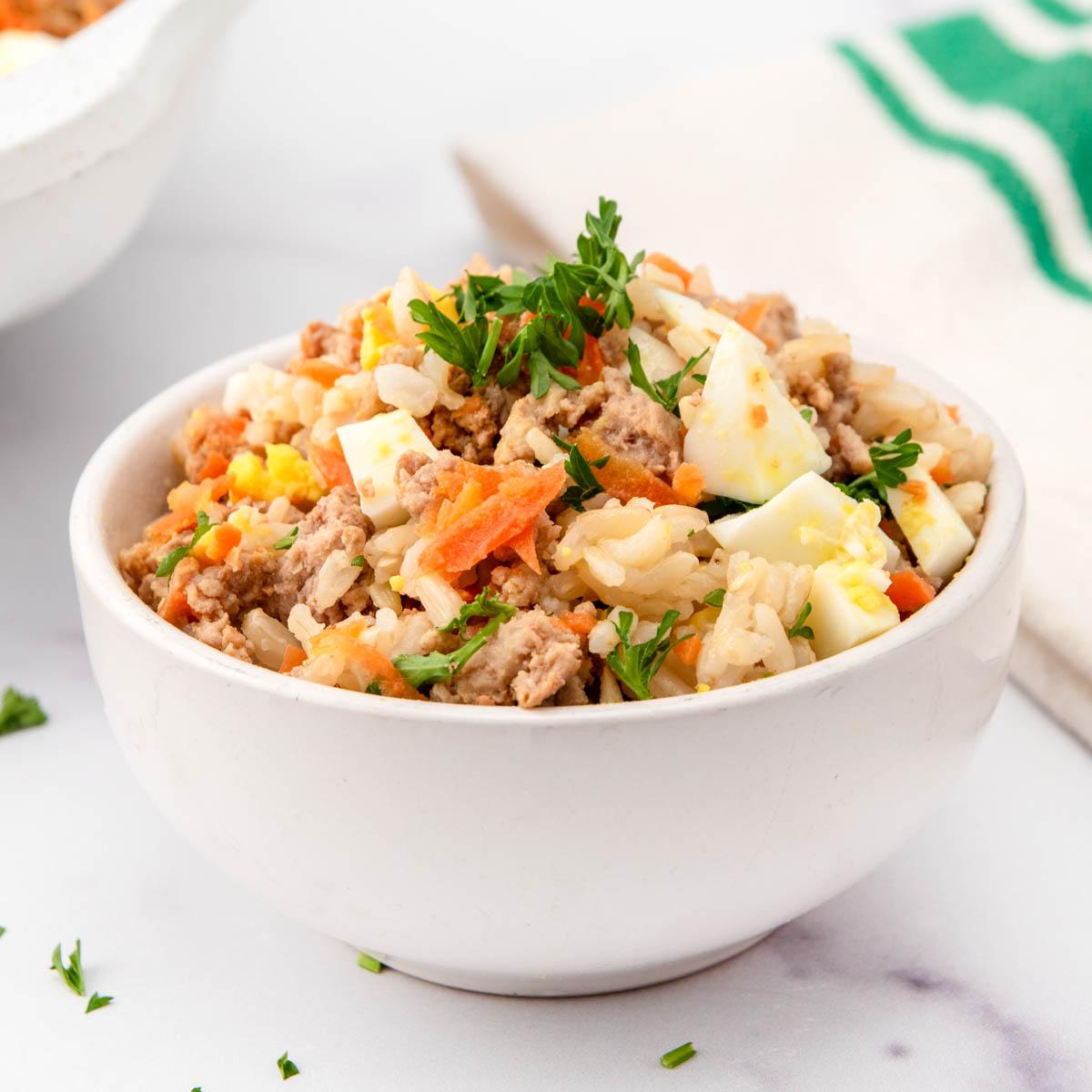
Beef, Brown Rice and Carrot Recipe
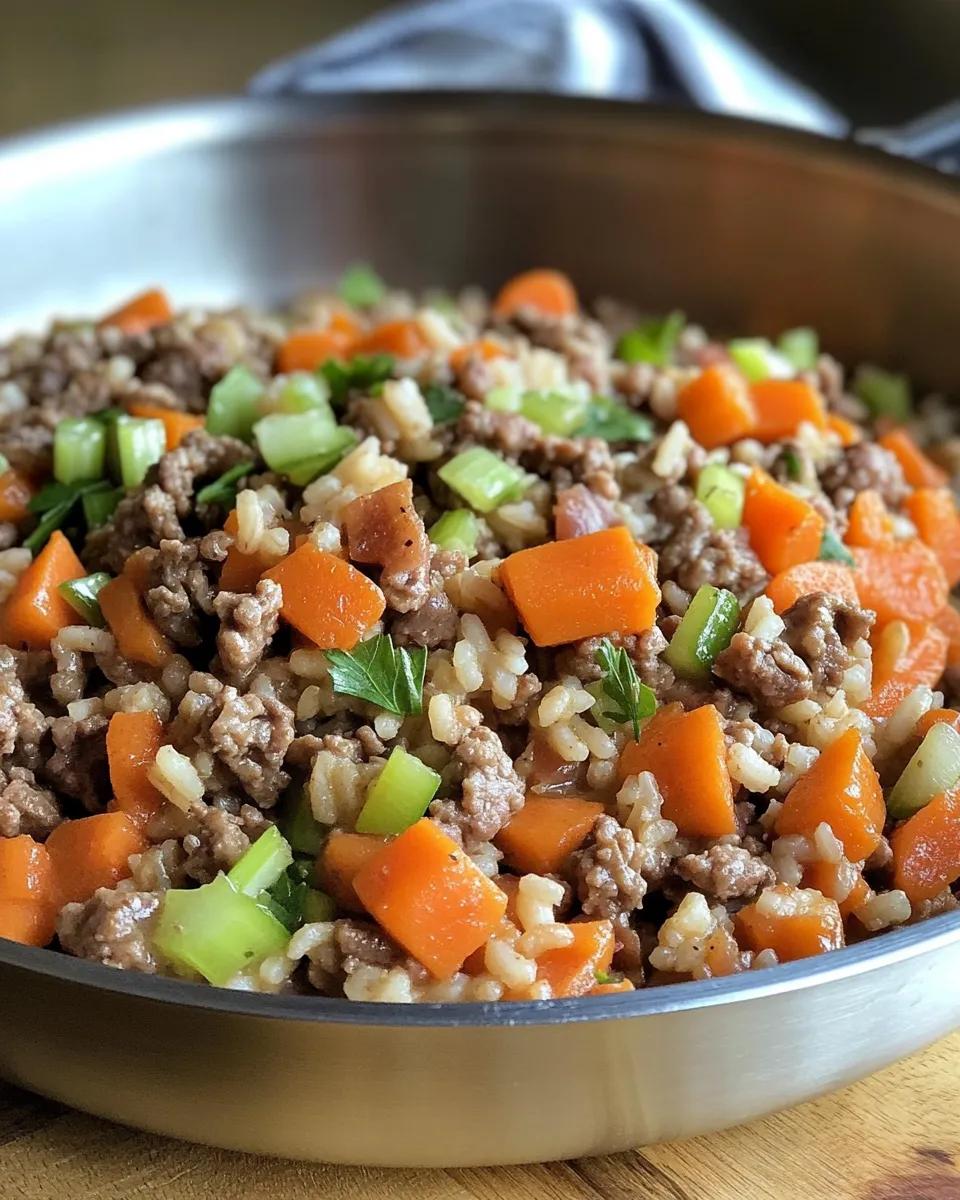
Carrots are one of the vegetables I find easiest to use in dog food. They provide fibre and beta-carotene, and plain carrot is generally safe for dogs in moderation. I would cook or finely chop it for a meal, particularly for a small dog that tends to gulp.
Brown rice is also suitable for many dogs, although white rice can be easier to digest and is sometimes preferred when a dog has gastrointestinal upset. I wouldn't choose brown rice simply because it sounds healthier; the right carbohydrate depends on the individual dog.
- Best approach: Keep the beef and vegetables plain, cook the rice thoroughly and introduce the combination gradually.
- Long-term feeding: Have the complete recipe checked by a veterinary nutritionist rather than guessing at supplements.
Beef and Rice with Peas
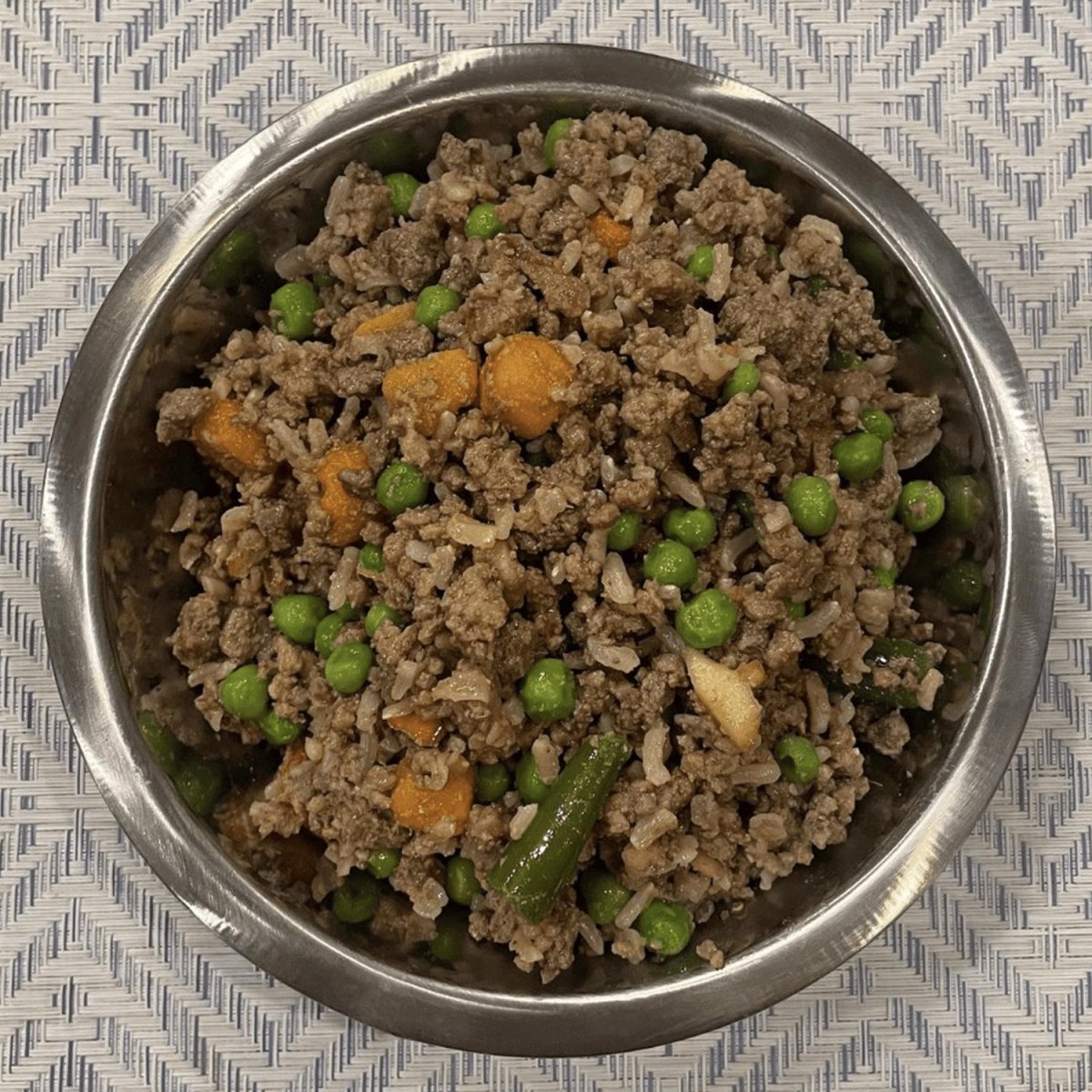
Peas are perfectly reasonable in small amounts, and they bring fibre and several vitamins and minerals to the bowl. Fresh or frozen peas are preferable to salty canned versions.
One thing I watch with pea-heavy meals is overall calorie and carbohydrate intake. A vegetable is still part of the diet, not a free food. If your dog is prone to weight gain, your vet can help you judge the whole daily ration rather than looking at one ingredient in isolation.
A practical kitchen tip
Use plain peas only. I would skip peas from a seasoned human casserole or anything containing onion, garlic, butter or lots of salt.
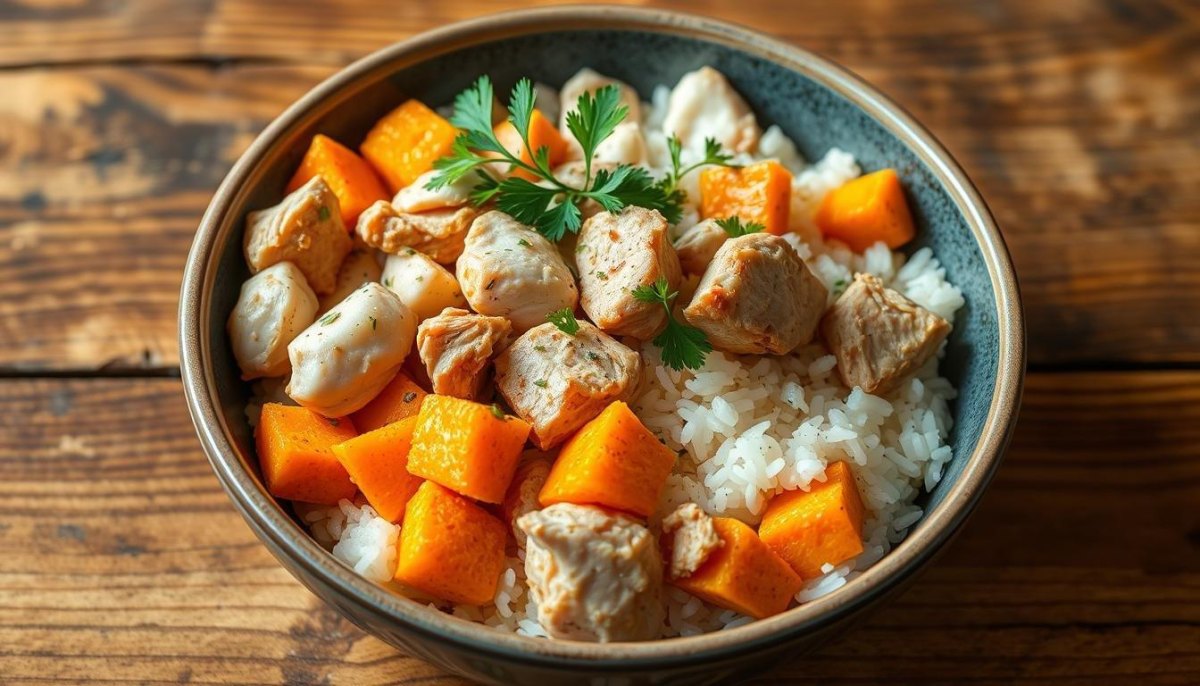
Beef, Rice and Sweet Potato Recipe
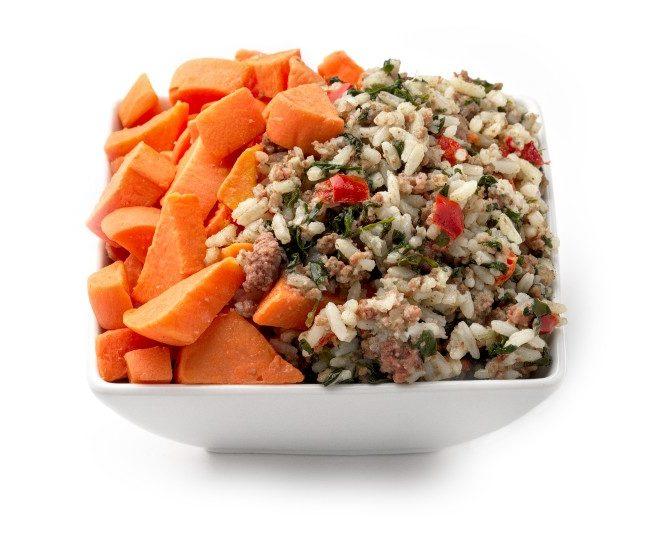
Sweet potato is a useful dog-safe ingredient when it is cooked and served plain. It supplies fibre and vitamin A, but it is still a carbohydrate source, so I would not pile sweet potato on top of a rice-heavy meal without considering the overall ration.
For a dog who has never eaten it before, I would introduce a small amount first. Any new food can cause digestive upset, and dogs with diabetes, gastrointestinal disease or other dietary restrictions need individual advice rather than a generic homemade recipe.
- Cook. Prepare the beef, rice and sweet potato without seasoning.
- Cool. Let the food reach a safe serving temperature before offering it.
- Introduce. Start with a modest amount alongside the dog's established diet.
Beef and Rice with Green Beans
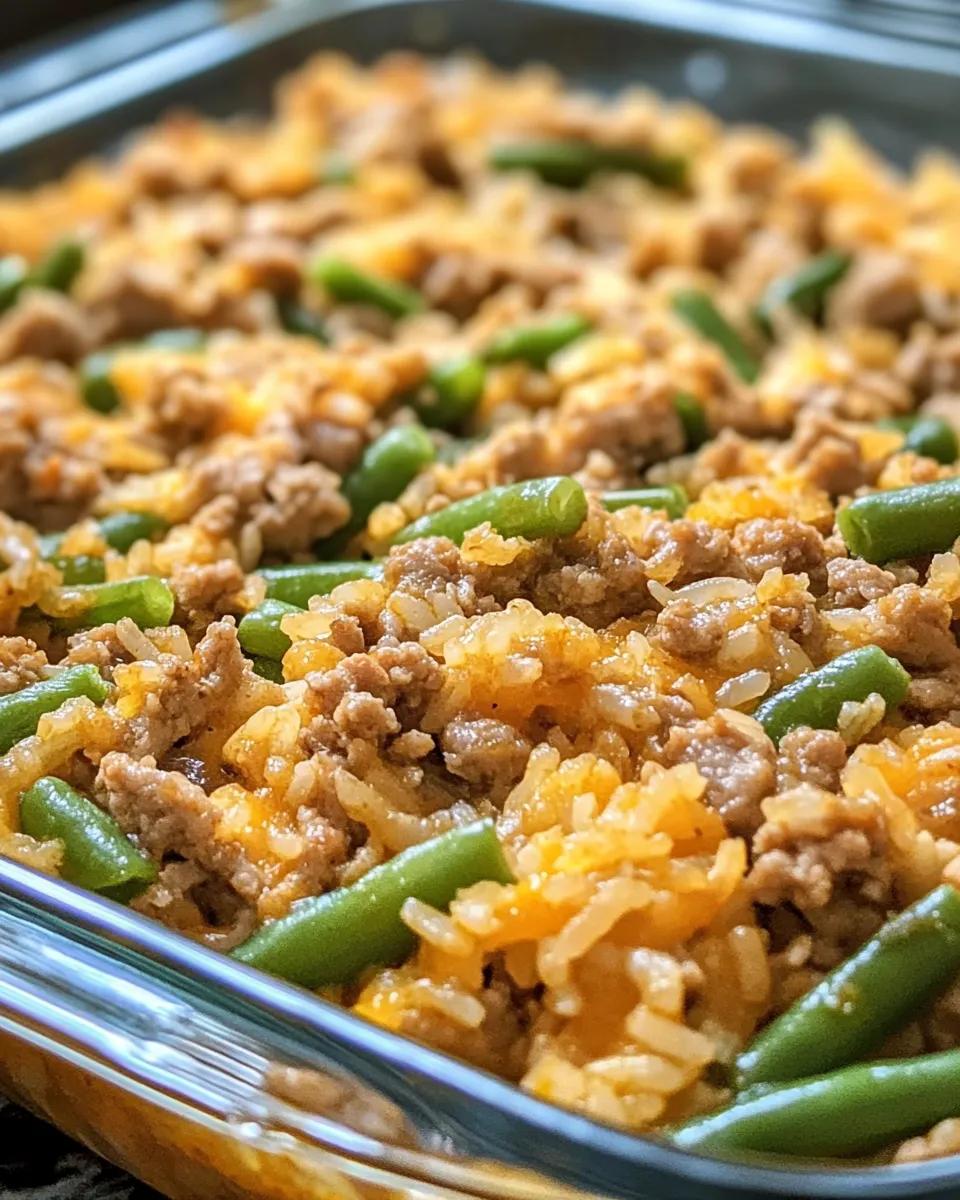
Green beans are one of my favourite additions when I want a low-calorie vegetable. Plain green beans are generally safe for dogs and provide fibre, but I still chop them into manageable pieces and avoid salted or seasoned versions.
They can make a bowl look wonderfully generous without adding as many calories as some starchier ingredients, although portion still matters. Green beans cannot turn an otherwise incomplete homemade diet into a complete one.
- Use plain green beans.
- Chop them to suit your dog's size.
- Introduce them gradually.
- Keep the complete daily diet in view, not just this bowl.
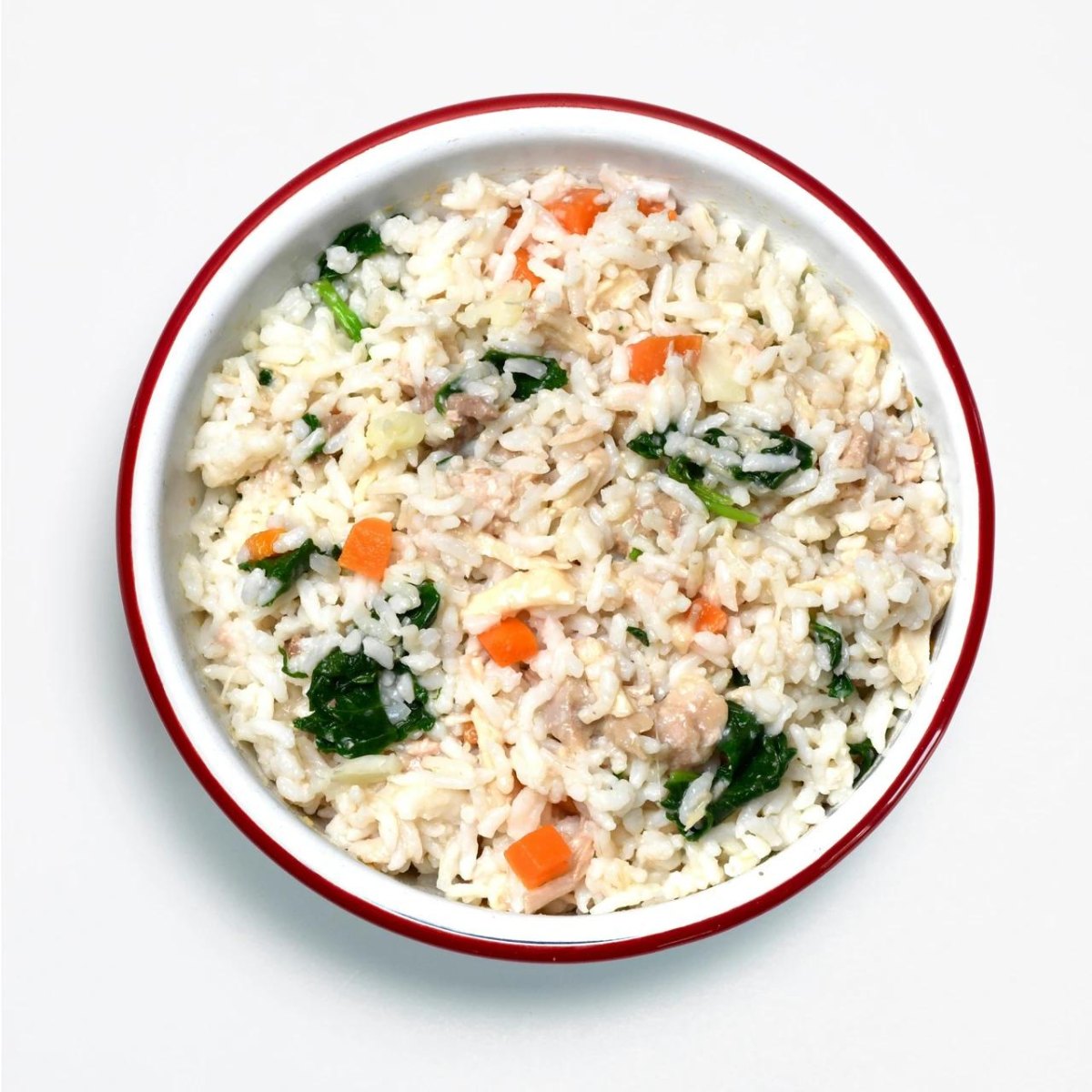
Beef and Rice with Spinach
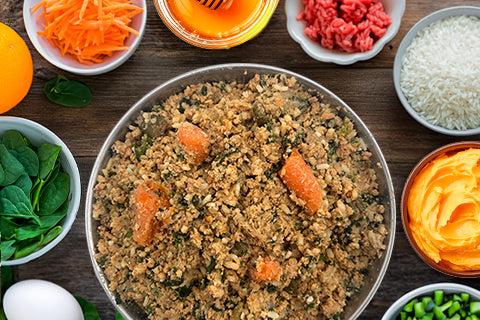
Spinach is one of those ingredients where I prefer a little restraint. Healthy adult dogs can generally have small amounts of spinach, but it contains oxalates, and larger quantities may be unsuitable for dogs prone to kidney or bladder stones.
For that reason, I would not make spinach the main vegetable in a homemade diet. Your dog's medical history matters, particularly if there is kidney, bladder or calcium-related disease. That is a conversation for your vet, not something I would try to solve with a recipe.
When I would check first
Ask your vet before using spinach regularly if your dog has a history of urinary stones, kidney problems or another condition affecting mineral balance.
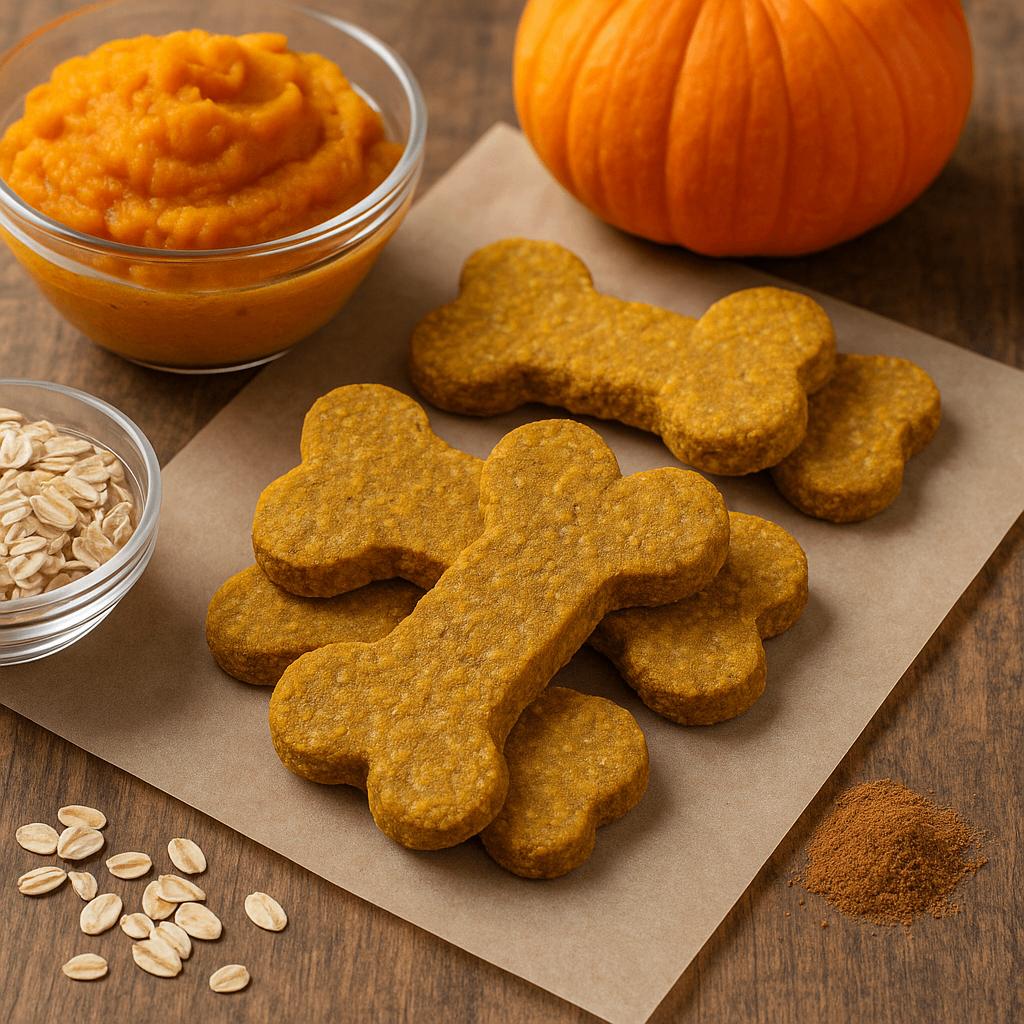
Beef, Rice and Pumpkin Recipe
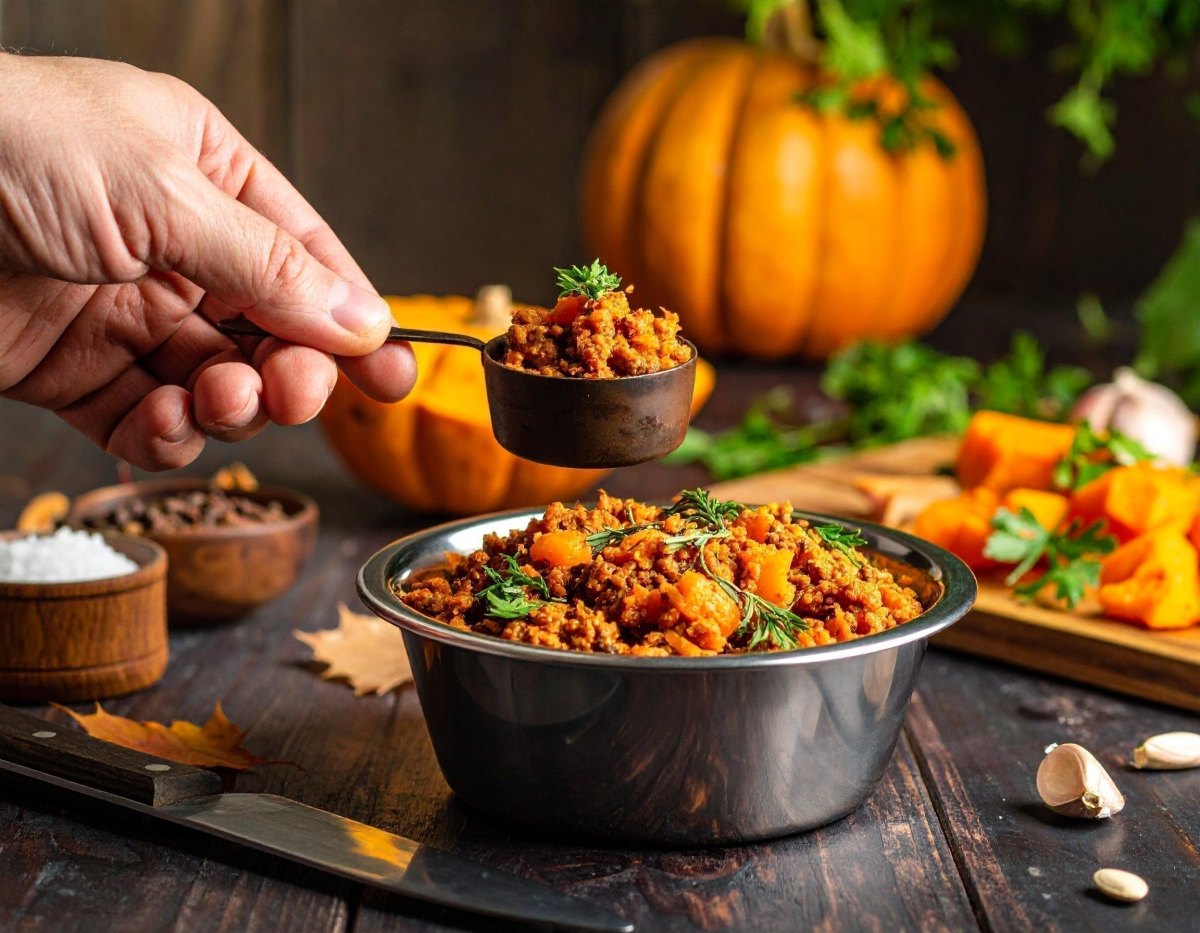
Pumpkin has earned its place in dog kitchens for good reason. Plain pumpkin is high in fibre and can be useful as a small food addition for some dogs, although persistent diarrhoea or constipation is a veterinary matter rather than a pumpkin problem.
The important word is plain pumpkin. I mean cooked pumpkin or a tin containing 100% pumpkin, not pumpkin pie filling or a spiced autumn dessert. Some seasonal products contain sugar, dairy or spices that are unsuitable for dogs.
Don't grab the wrong tin
Check the ingredients carefully. Pumpkin pie filling and pumpkin-spice foods are not interchangeable with plain pumpkin puree.
Beef and Rice with Zucchini
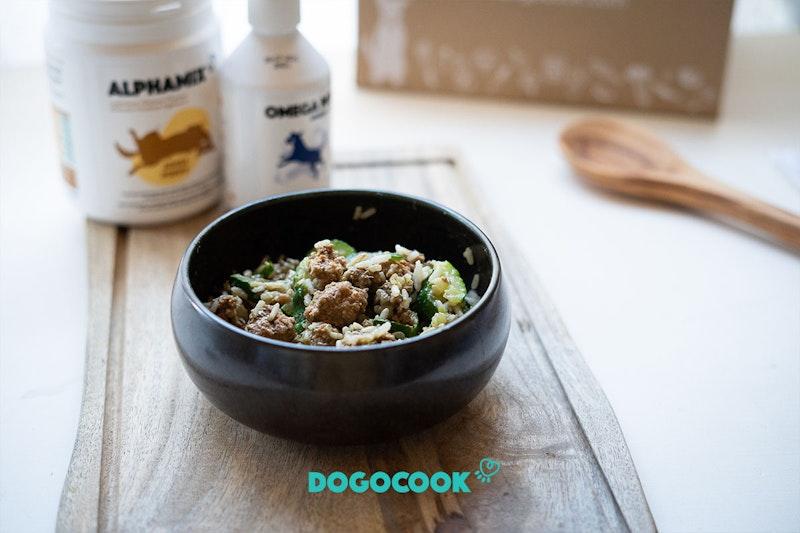
Zucchini is an easy vegetable to work with because it is low in calories and fat and generally safe for dogs. It can be served raw or cooked, although I usually favour small cooked pieces in a homemade meal because they are softer and easier to mix through.
I would keep the preparation deliberately boring: no garlic, onion, sauces or seasoning. Wash the vegetable, cut it into appropriately sized pieces and introduce it slowly if it is new to your dog.
Why I like this combination
Zucchini adds volume without much fat. That can be handy when you want a vegetable addition rather than another rich ingredient, although the full diet still needs professional balancing if it is fed routinely.
Beef, Rice and Blueberry Recipe
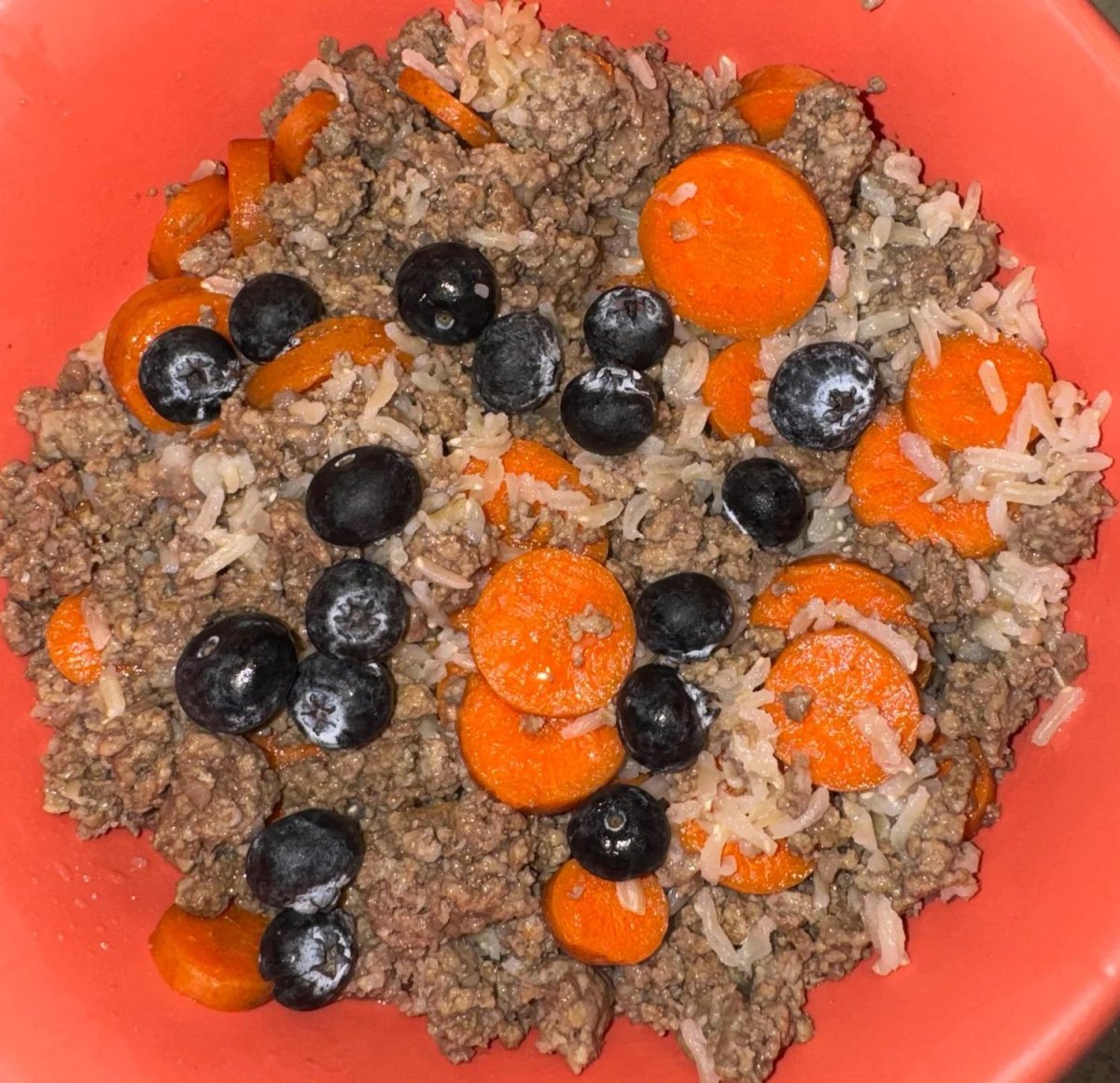
Blueberries are one of the fruits I am comfortable discussing as a small addition for most healthy dogs. They provide fibre, vitamin C and antioxidants, and can be offered fresh or frozen after washing.
I would keep the handful tiny rather than turning the bowl into a fruit salad. Fruit remains an extra, and too much can add calories or upset the gut. Very small dogs may also need blueberries halved to reduce choking risk.
A sensible first serving
Start with just a few berries. Watch for digestive upset before offering them again, particularly if your dog has a sensitive stomach.
Beef and Rice with Apple
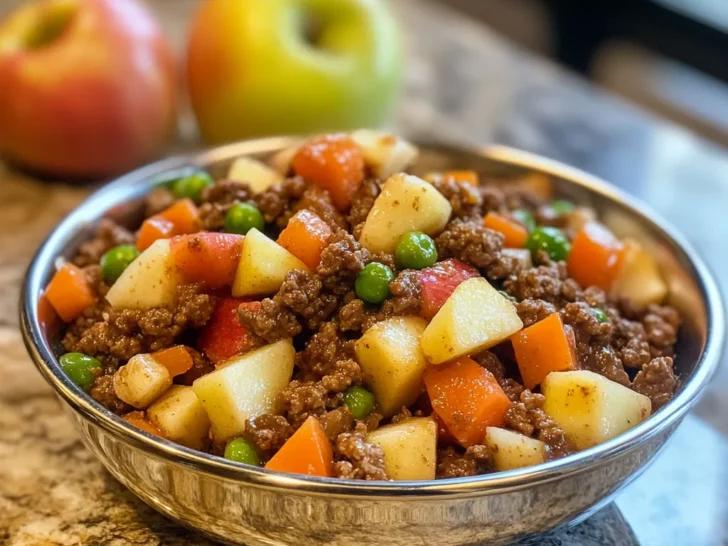
Apple can be a perfectly good dog treat when it is prepared properly. I would wash it, remove the core, stem and seeds, then cut the flesh into small pieces before adding a little to food.
The seeds contain cyanide compounds, while the hard core can be a choking or obstruction risk. Plain apple is the ingredient I mean here, not apple pie, sweetened sauce or anything containing spices such as nutmeg.
- Wash the apple.
- Remove the core, stem and seeds.
- Cut into small pieces suited to the dog.
- Use only a modest amount.
Beef, Rice and Broccoli Recipe
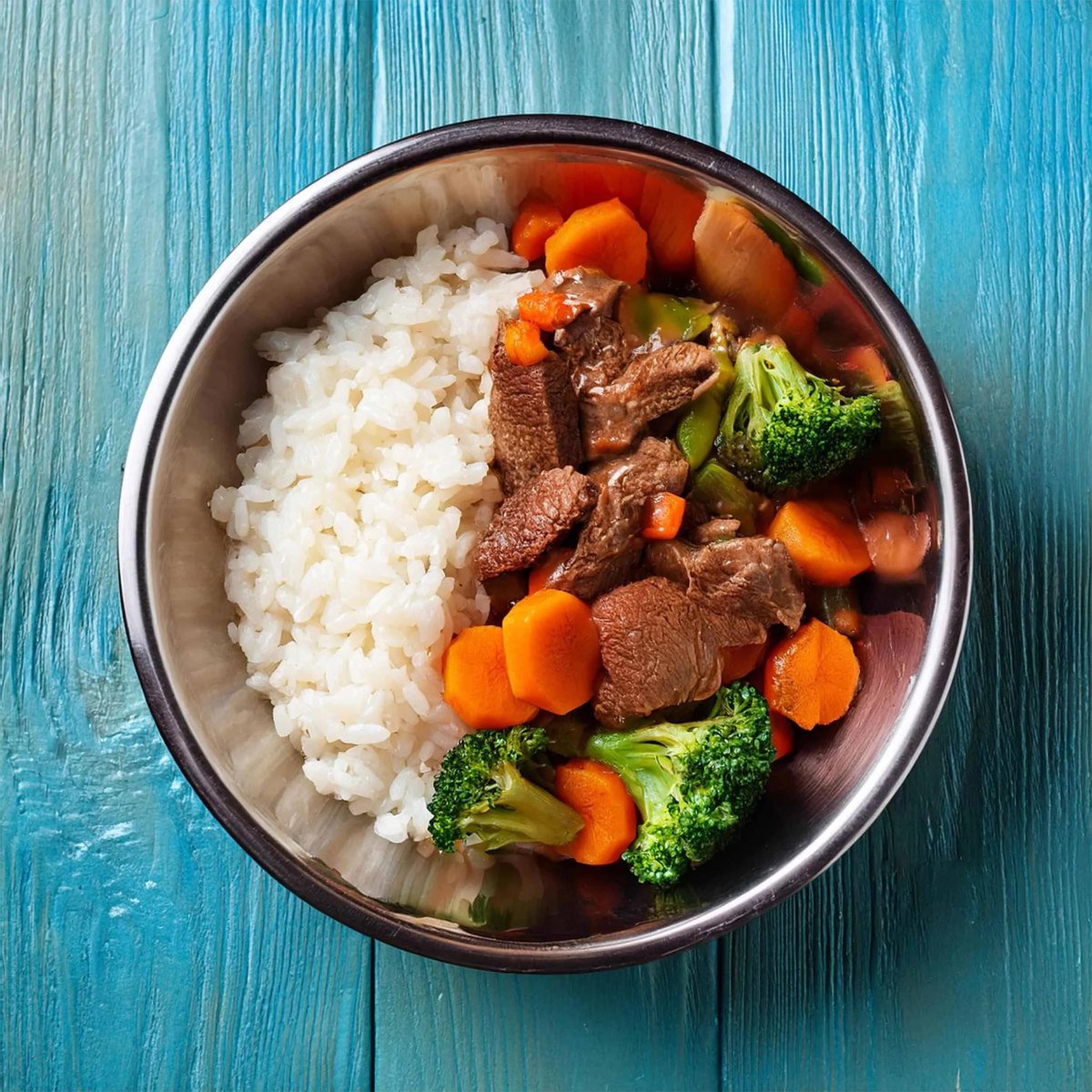
Broccoli is generally safe for dogs in small quantities, either raw or cooked without seasoning. It provides fibre and vitamin C, but the florets contain isothiocyanates that can irritate the stomach when too much is eaten.
I would chop it finely, especially for a small dog, and avoid large tough stalk pieces. Keep broccoli as a modest addition, not the main component of the meal, and watch for gas or digestive upset when introducing it.
One useful distinction
Safe does not mean unlimited. Many dog-safe vegetables are intended as small additions rather than foods that replace a complete diet.
Beef, Rice and Kale Recipe
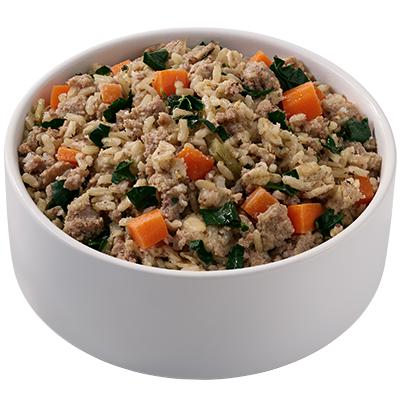
Kale is the one on this list where I would be particularly conservative. Small amounts may be tolerated, but kale contains calcium oxalate and isothiocyanates, and it may be a poor choice for dogs with certain urinary or thyroid concerns.
So I would not use kale simply because it is fashionable among human eaters. There are easier vegetables, such as plain green beans or zucchini, if your dog has no particular reason to have kale. If your dog has kidney, bladder or thyroid disease, ask your vet before adding it regularly.
Possible plus
- Can provide variety in small amounts.
- Contains fibre and plant nutrients.
Why I stay cautious
- Contains compounds that can be problematic for some dogs.
- Not an essential ingredient in a homemade diet.
Beef, Rice and Beetroot Recipe
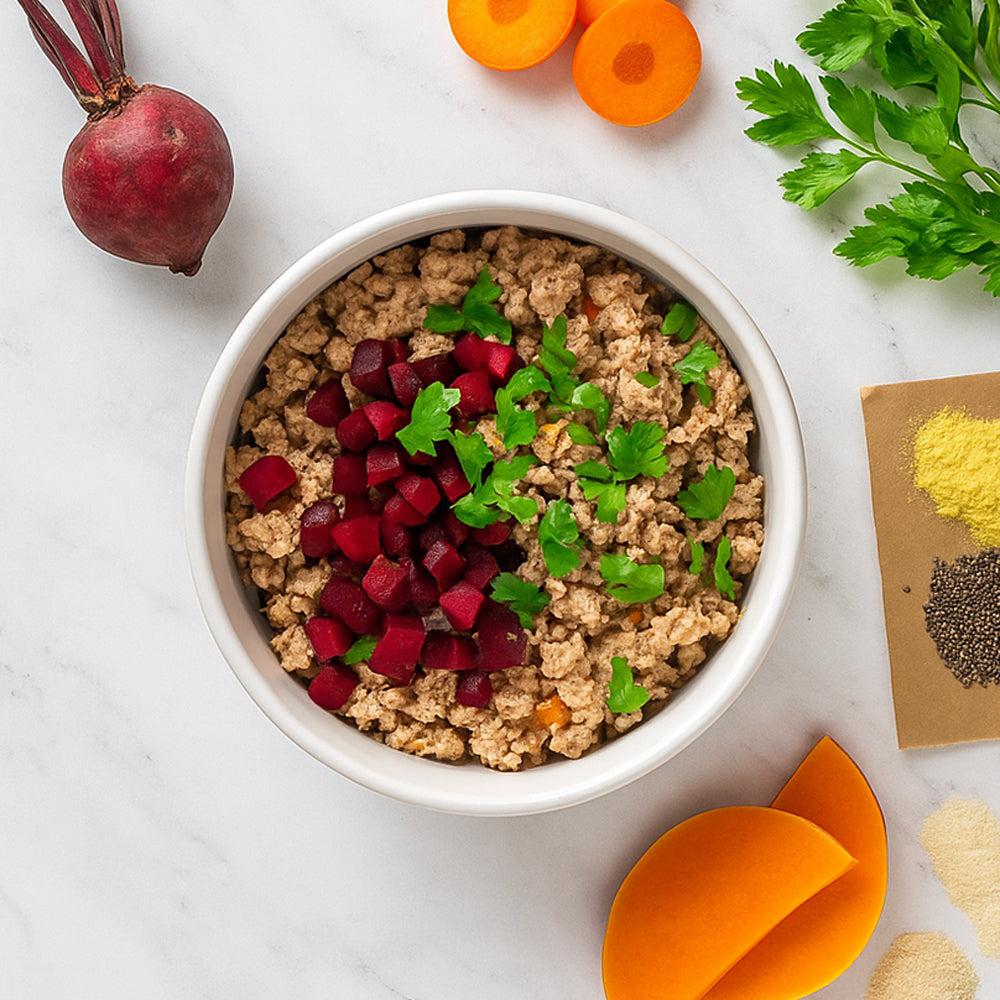
Beetroot can be offered to most dogs as a small, plain addition. It contains fibre and various vitamins and minerals, but it is also relatively high in carbohydrate and sugar compared with some vegetables.
One harmless oddity worth knowing is that beetroot can make urine look pink or red for a short period. Persistent red urine is different and deserves veterinary attention rather than being blamed automatically on dinner. Dogs prone to urinary or kidney stones should also have beetroot discussed with their vet first.
Don't overlook the medical history
Stone-forming dogs need individual advice. Oxalates are one reason beetroot is not something I would add routinely without checking the dog's health history.
Beef and Rice with Bell Peppers
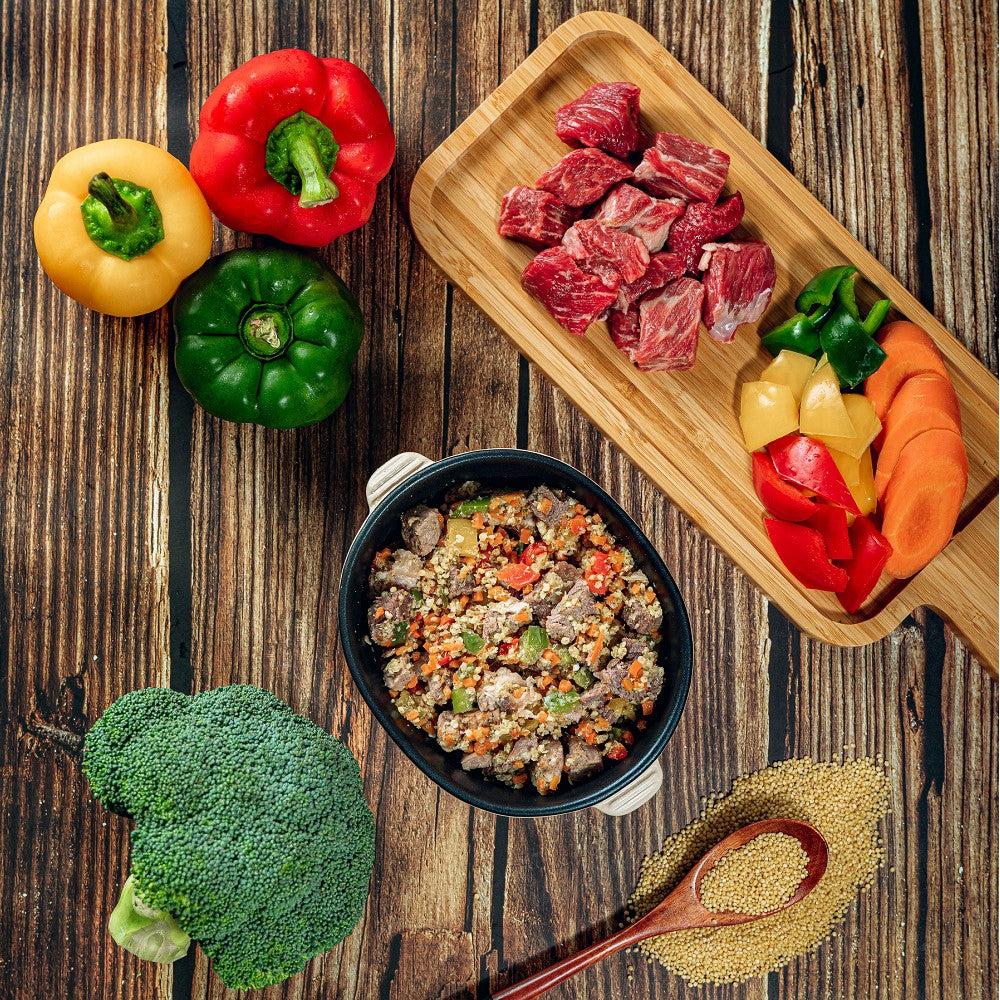
Bell peppers are generally safe for dogs and provide vitamins and antioxidants. I prefer sweet bell peppers rather than hot varieties, with the stem and seeds removed and the flesh chopped small or lightly cooked.
What I would never do is borrow the seasoning from my own dinner. No chilli, onion, garlic or salty sauce. If the pepper is tough for your dog to chew, steaming or pureeing it can make the texture easier.
- Wash. Rinse the pepper thoroughly.
- Trim. Remove the stem and seeds.
- Chop. Make pieces appropriate for your dog's size.
- Serve. Mix a small amount through the plain cooked beef and rice.
Beef and Rice with Celery
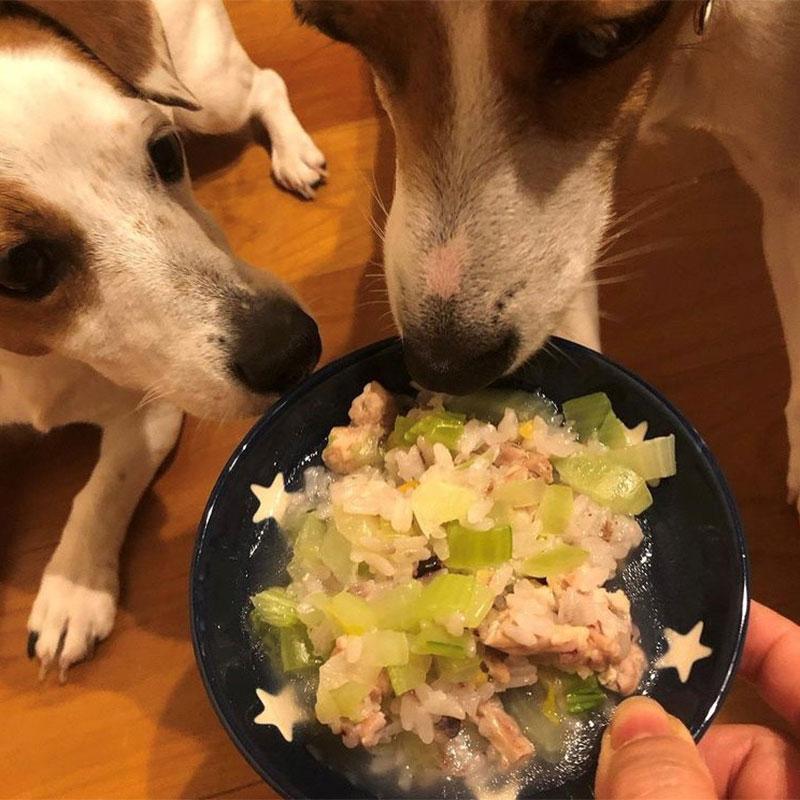
Celery is generally safe and is naturally low in fat, making it a light vegetable addition for many dogs. It contains fibre and several vitamins and minerals, although none of that means your dog needs celery in order to be healthy.
The practical issue is texture. Long celery pieces can be awkward for a dog to manage, particularly a small dog, so I would chop it into bite-sized pieces and introduce it gradually.
Keep the texture sensible
Small pieces are the easy option. I would rather spend thirty seconds chopping celery than watch a dog attempt to swallow a long fibrous stick whole.
Beef, Rice and Parsley Recipe
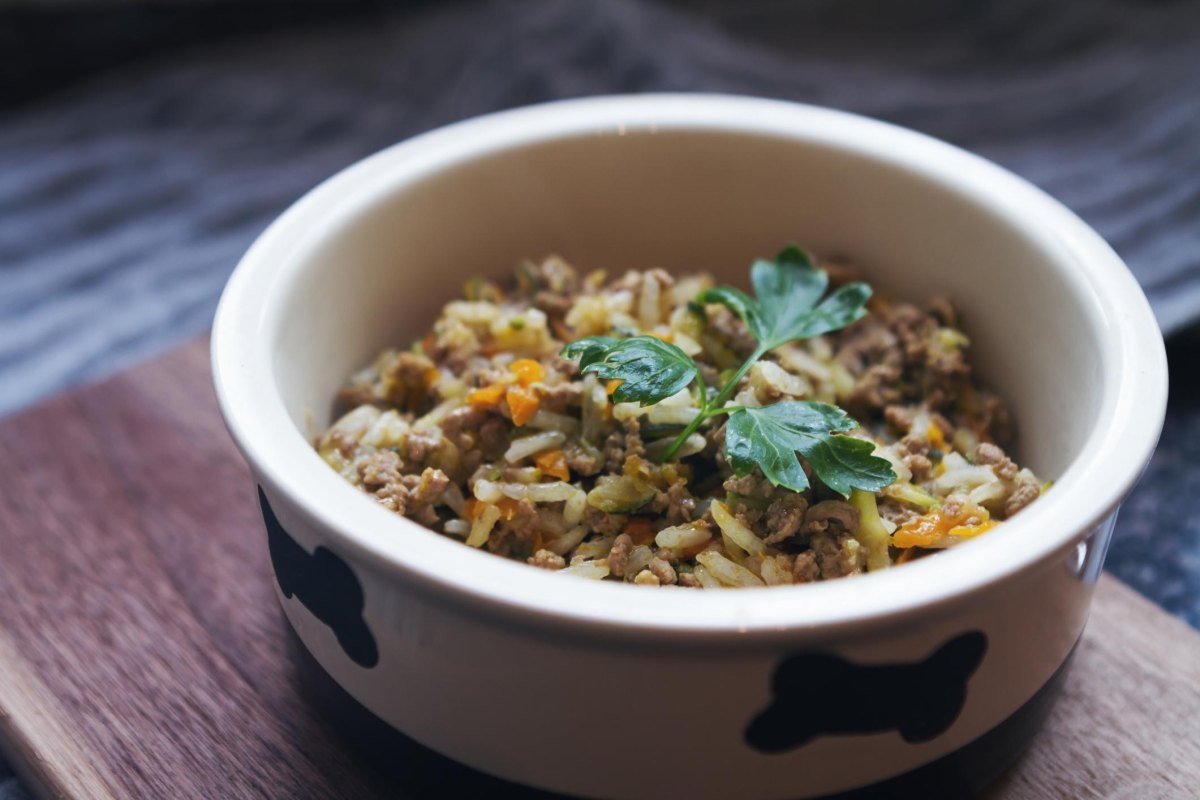
Parsley is best treated here as a tiny herb addition, not a nutritional cornerstone. I would use only a modest amount of a dog-appropriate culinary parsley and avoid assuming that an herb can compensate for missing nutrients in a homemade diet.
This is particularly important because parsley appears alongside other foods that can contain oxalates, and dogs with kidney or bladder stone concerns may need a more carefully controlled diet. For those dogs, I would leave the herb experiments to the veterinary nutritionist.
The sensible role for herbs
Think garnish, not supplement. A sprinkle may add variety, but I would never use parsley, or any other herb, as a reason to skip proper nutritional formulation.
Beef and Rice with Mixed Vegetables
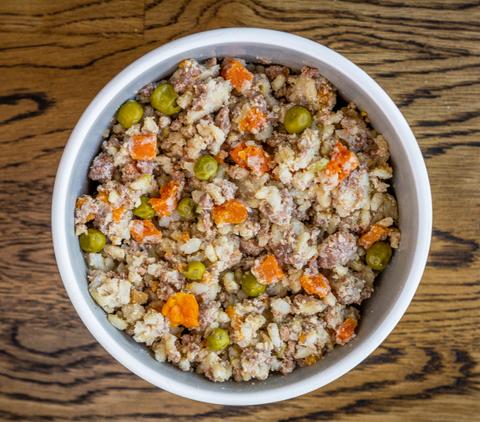
This is the version I would make when I wanted a colourful bowl, but I would keep the mix sensible rather than emptying the vegetable drawer into it. Carrots, green beans, peas, zucchini and pumpkin are among the plain cooked options commonly considered suitable for healthy dogs in moderation.
The catch with a mixed recipe is that more ingredients mean more opportunities for digestive upset, allergies or an accidental unsuitable ingredient. Introduce additions one at a time where possible, particularly if your dog has a sensitive stomach, and keep a note of what goes into the bowl.
| Ingredient group | Practical point |
|---|---|
| Beef | Cook thoroughly and avoid heavily fatty or seasoned preparations. |
| Rice | Serve plain and remember that it is a carbohydrate source. |
| Vegetables | Use plain, dog-safe choices in modest amounts and suitable pieces. |
| Complete diet | For long-term homemade feeding, use a recipe formulated for your individual dog. |
10%
A commonly used upper guideline for treats and extras in a dog's daily calories
I keep coming back to that last line because it is the bit that gets lost among lovely photographs of homemade dog food. A bowl can look wholesome and still be nutritionally incomplete. Current veterinary guidance recommends a properly formulated recipe for dogs eating homemade food as their main diet, with the ingredients and quantities followed precisely.
If your dog is a puppy, pregnant, elderly, overweight, underweight or living with a medical condition, I would be especially cautious about internet recipes. Those dogs have individual nutritional requirements, and this is where a conversation with your own vet or a qualified veterinary nutritionist is money well spent.
My kitchen rule
Plain food is safer than fancy food. And when homemade food is intended to replace a complete dog food, nutritional formulation matters far more than whether the bowl contains seventeen different fashionable ingredients.