
When a dog has eaten something harmful, the first few hours can matter. I spent nineteen years as a veterinary nurse before leaving clinical practice in 2016, and I learned that the most useful thing owners can have is a clear idea of which signs need action. I am not a practising vet and I do not diagnose from a screen, but I can help you recognise worrying changes and know when to ring your own vet.
Poisoning can look very different depending on what a dog has swallowed. Chocolate, xylitol, grapes and raisins, onions, medicines and household products can all create different problems, so a sudden change in your dog's health is worth taking seriously.
Dog poisoning warning signs at a glance
- Vomiting, diarrhoea, drooling or mouth irritation
- Weakness, wobbling, collapse or unusual tiredness
- Breathing changes, tremors or seizures
- Any suspected poisoning should be treated as a reason to contact a vet promptly
Vomiting, Drooling, and Mouth Irritation

One of the first things many owners notice after a dog has eaten something unsafe is a change around the mouth or stomach. Vomiting and excessive drooling can happen with a range of toxic exposures, although they can also occur with many ordinary illnesses.
I always look at the whole picture rather than one symptom alone. A dog that has raided a cupboard, bin or garden and is suddenly drooling, retching or refusing food deserves a call to the vet, especially if you know what they may have eaten. Suspected poisoning is not a situation where I would wait for things to settle.
Do not wait and see
If you know your dog has eaten something poisonous, ring your vet for advice even if symptoms have not started yet. Some toxins can cause delayed problems.
Weakness, Collapse, and Loss of Coordination

A dog that suddenly seems drunk on its feet, cannot walk normally or becomes very weak is showing a sign I would take seriously. Loss of coordination can occur with certain poisons, including xylitol exposure, which may cause weakness, lethargy and unsteadiness before more severe signs.
With my nursing background, I always think in terms of urgency: a mildly quiet dog may need advice, but a dog that collapses or cannot stand needs veterinary attention. Collapse is an emergency sign and not something to monitor overnight.
| Sign | What I would do |
|---|---|
| Wobbling or weakness | Call the vet promptly, especially after possible toxin access |
| Collapse or inability to stand | Seek emergency veterinary help |
Breathing Problems and Rapid Heart Rate
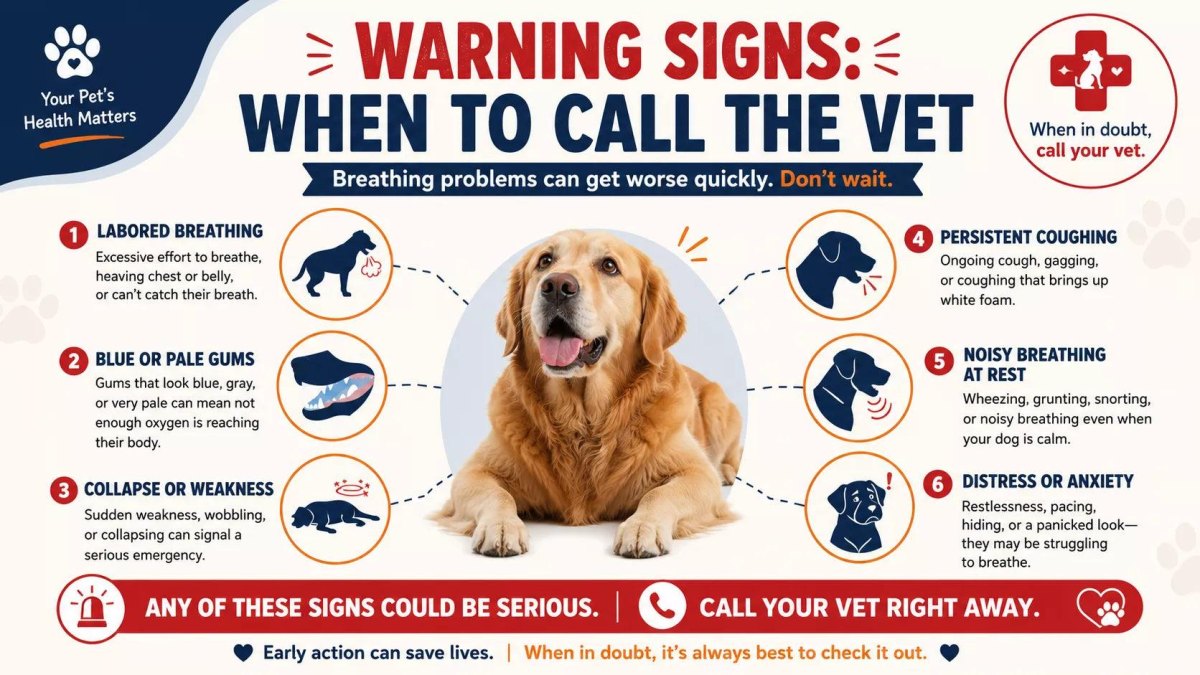
Breathing changes always move high on my concern list. A dog that is struggling to breathe, breathing unusually fast at rest or showing signs of distress needs urgent help. Breathing difficulty is an emergency, regardless of whether poisoning is confirmed.
Some toxins can also affect the heart. Chocolate, for example, can contribute to abnormal heart rhythms, agitation and other serious signs depending on the amount eaten and the type of chocolate involved. I would keep packaging or labels if you have them, as that information helps your vet make decisions.
Tremors, Seizures, and Unusual Movements
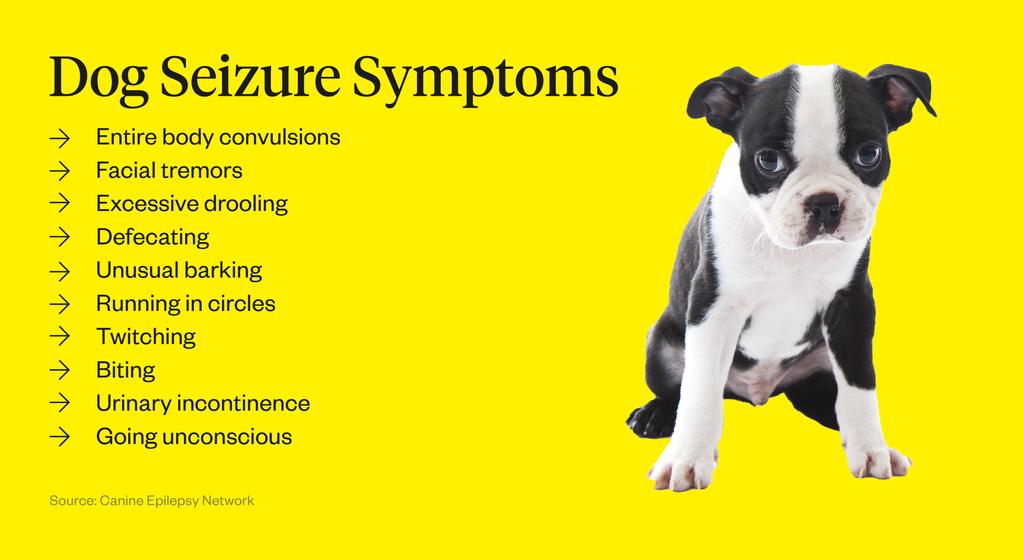
Trembling, shaking or seizures are among the signs that make owners understandably frightened. I have seen how tempting it is to search for answers online, but neurological symptoms need professional advice, especially after possible poisoning.
Chocolate exposure, for example, can lead to muscle tremors and seizures in dogs, while xylitol can progress from weakness to seizures in serious cases. My advice is simple: do not try home remedies or wait for repeated episodes.
If your dog has a seizure
Keep the area safe, avoid putting your hands near your dog's mouth, and contact a vet urgently. A seizure lasting more than five minutes or repeated seizures are emergencies.
Changes in Behavior and Energy Levels

Sometimes poisoning does not begin with dramatic signs. A dog may simply seem wrong: unusually quiet, restless, confused or reluctant to move. Sudden behaviour changes are worth noting, particularly if they appear after access to a suspicious food, plant or chemical.
I have spent many years with older dogs, including my Border Collie Skye, and I know that owners often recognise a subtle change before anyone else. Trust that instinct, write down what you have noticed, and get advice if the change is unexplained. Early contact can matter with toxins because treatment options can depend on timing.
Emergency Signs Requiring Immediate Veterinary Care
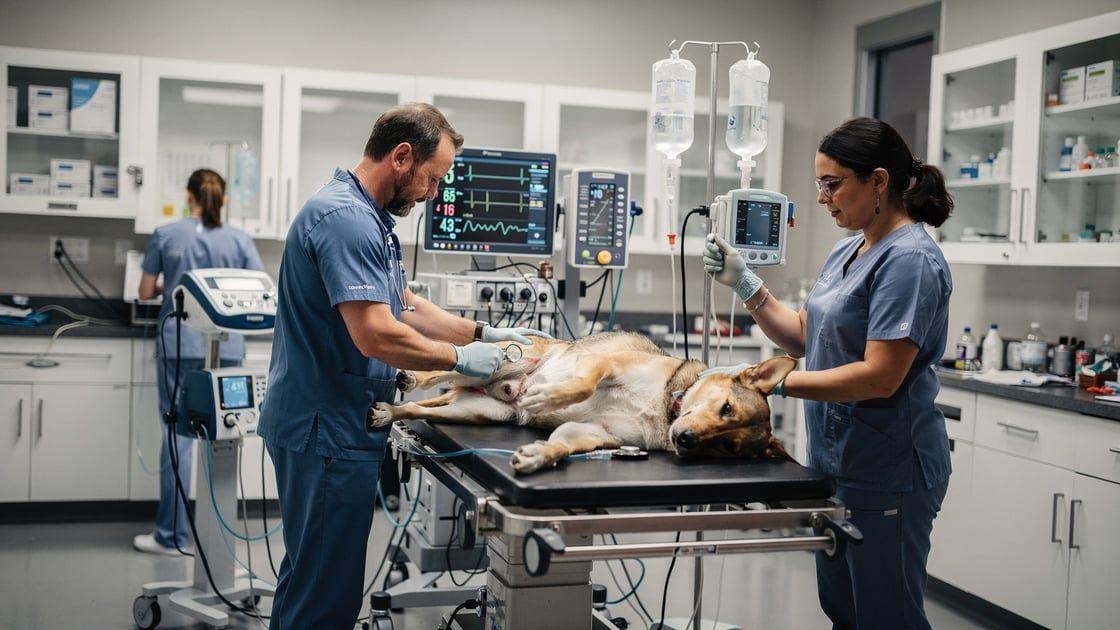
There are a few situations where I would not spend time searching symptoms online. If you suspect your dog has been poisoned, especially after eating something like chocolate, xylitol products, grapes or raisins, contact your vet straight away.
The emergency signs I want every owner to recognise are collapse, breathing difficulty, seizures, uncontrolled bleeding or severe deterioration. My old practice days taught me that a calm phone call early is far better than arriving late because someone hoped the dog would improve.
Emergency checklist
- Call your vet or emergency clinic immediately
- Do not give home antidotes or induce vomiting unless advised
- Bring packaging or details of what was eaten
- Note the time and approximate amount involved




More Pinterest Visuals