
A good dog adventure box does not need to be expensive or packed with gadgets. Living in the Trossachs, I have found the most useful kits are the ones built around the dog in front of you: Skye needs sensible support for her older joints, while Tam still approaches every cardboard box as if it contains a great mystery.
I have put together plenty of dog kits over the years, both during my time as a veterinary nurse and when I ran my home boarding and grooming service. I left clinical practice in 2016, so anything health-related, current treatment advice or product suitability still belongs with your own vet. This is simply my practical guide to building a DIY dog adventure box that encourages safe exploring.
Build a Sturdy Adventure Box Base
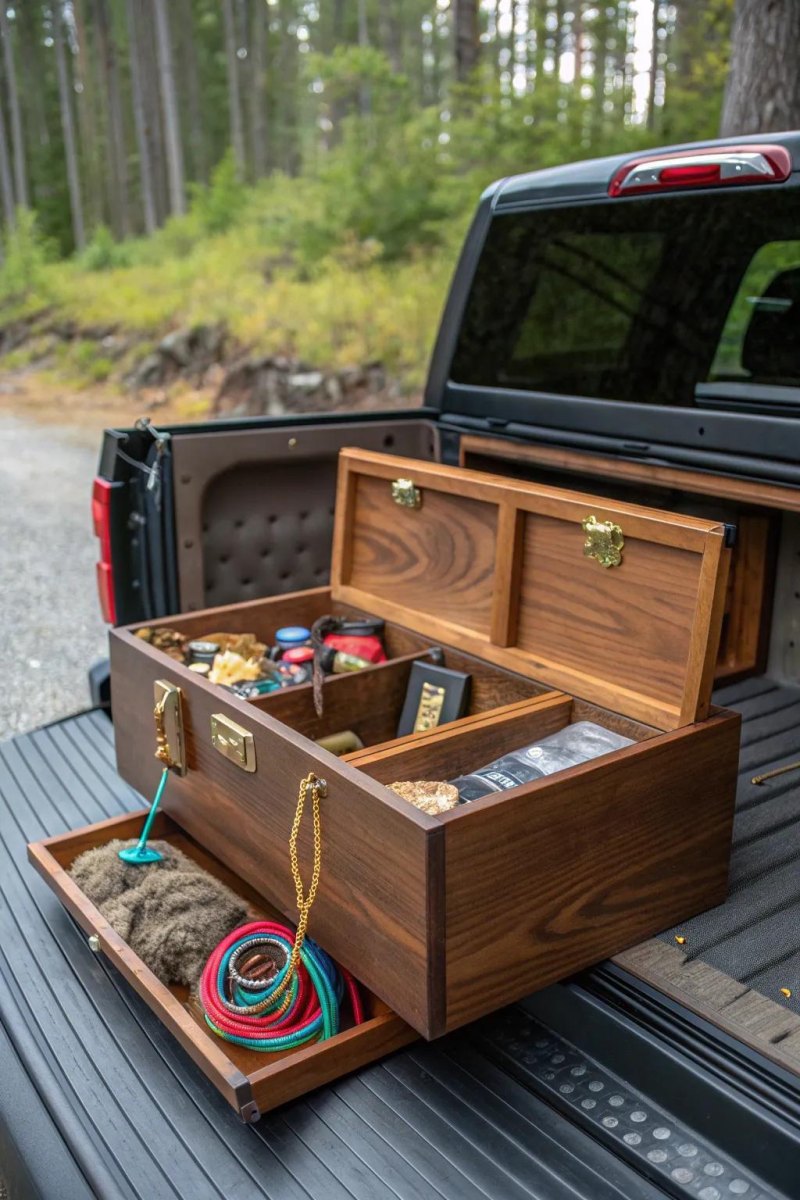
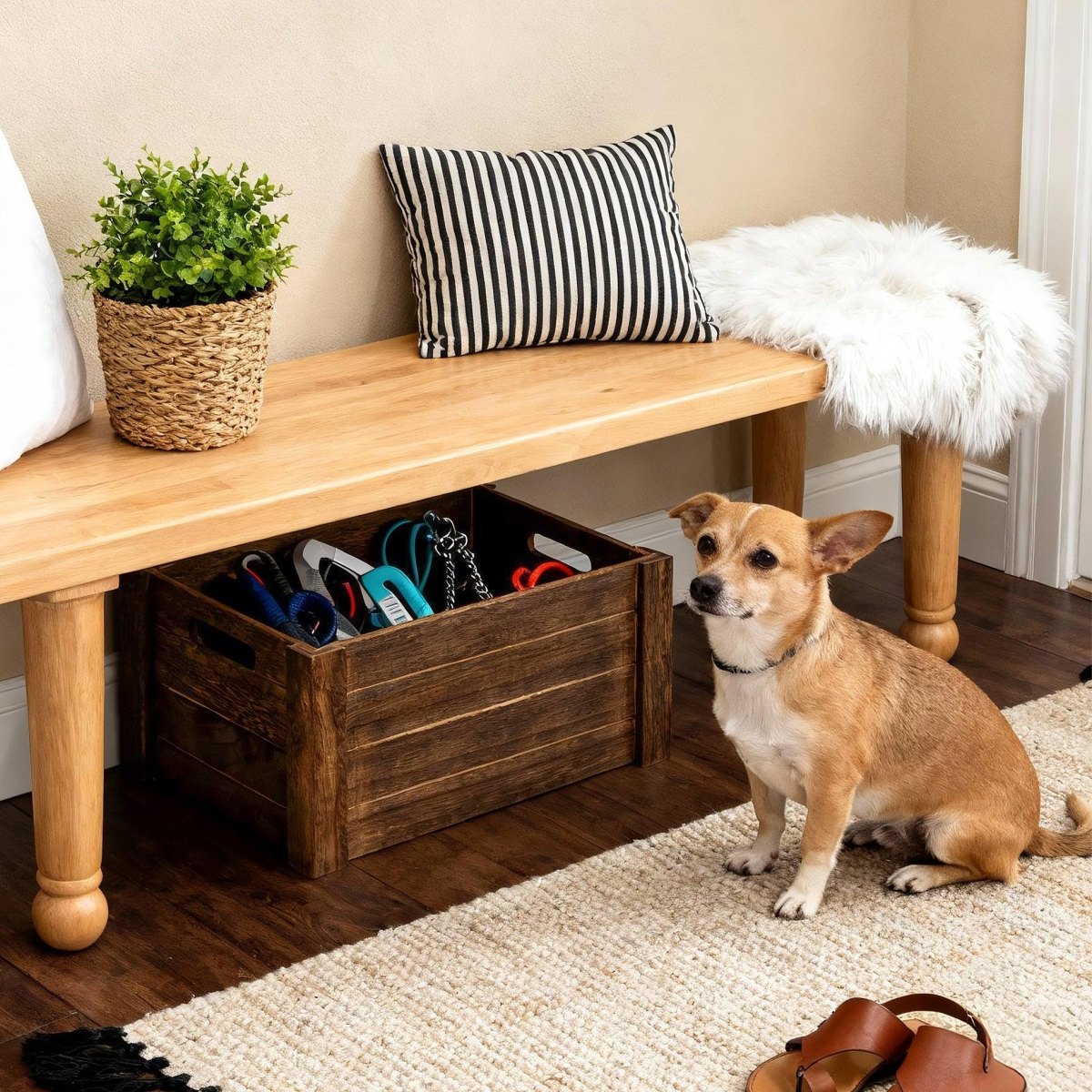
I start with the container itself because a dog adventure box needs to survive muddy paws, wet weather and the occasional enthusiastic nose. A strong plastic crate, washable storage box or wooden box with smooth edges works well. I like something that can live in the Land Rover without becoming another thing to worry about.
The base should be easy to clean and big enough for your dog's essentials without becoming a cluttered cupboard. A simple washable storage box is often more useful than a fancy basket. I have learnt that outdoor dog equipment in Scotland needs to cope with rain first and look pretty second.
My practical tip
Choose a box your dog cannot chew apart or tip over. Any homemade enrichment item should be checked regularly and removed if pieces start breaking away.
Choose Outdoor Exploration Essentials
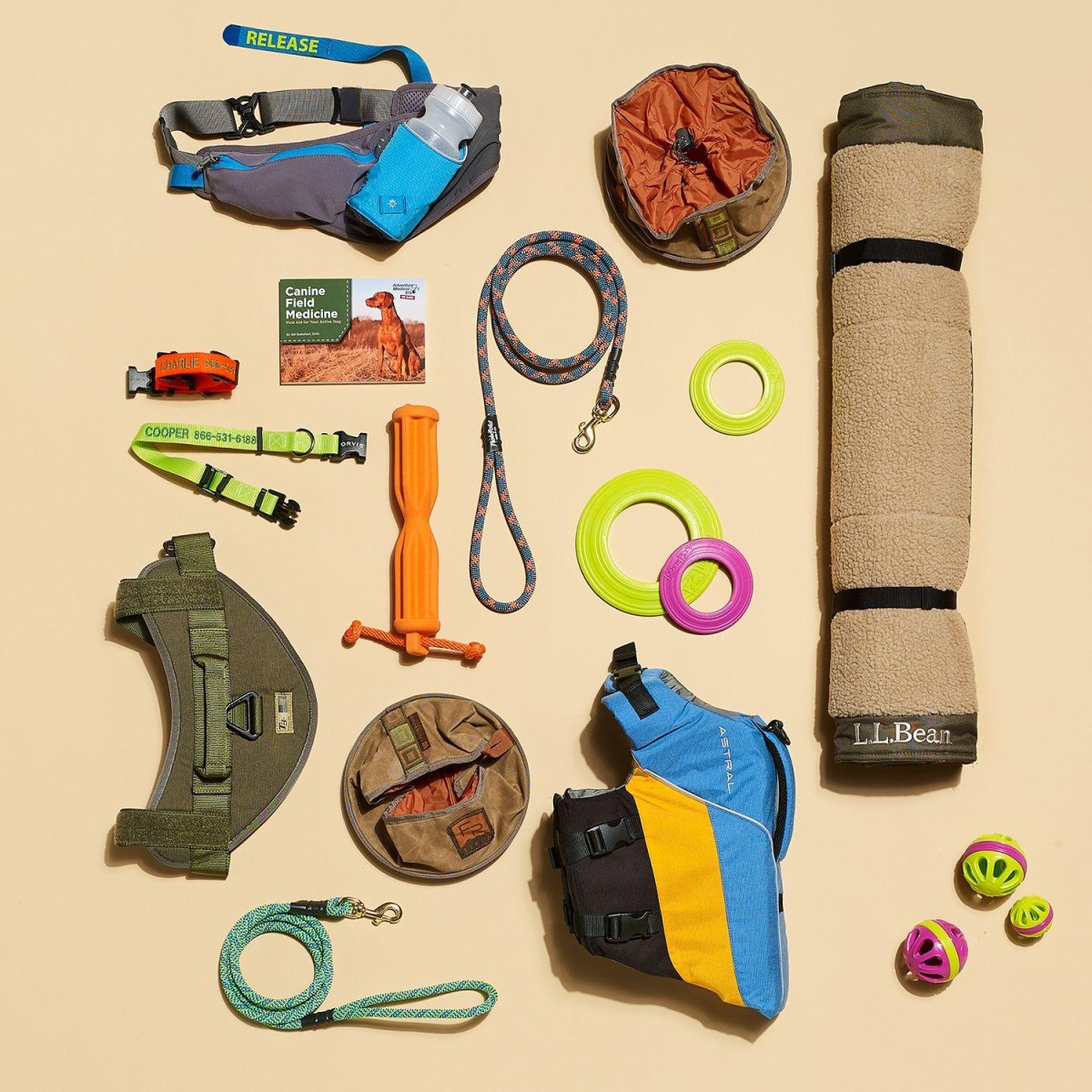
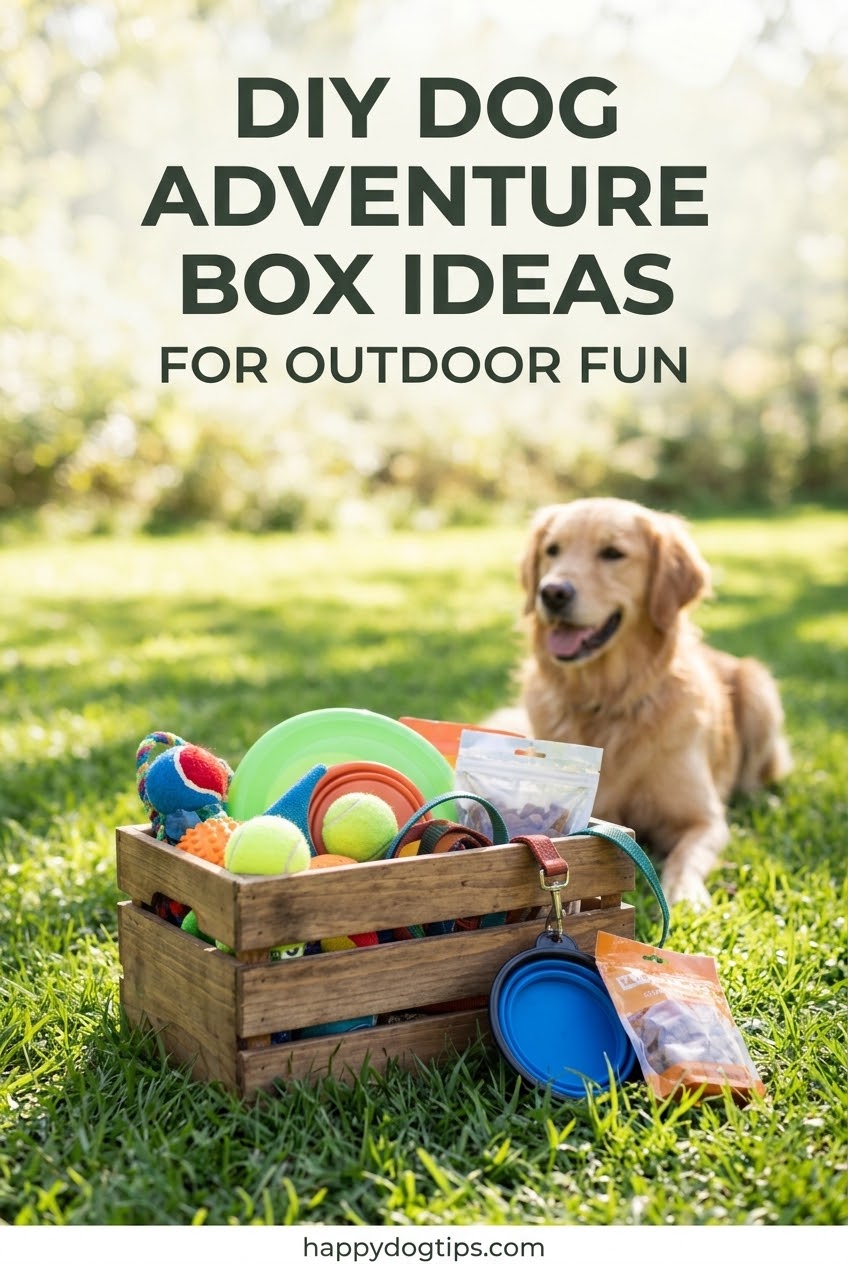
The best outdoor kit is usually the boring-looking stuff that saves the day. My adventure boxes include a spare lead, collapsible water bowl, towel, poo bags, tick remover and a few treats suitable for the individual dog. During tick season, I keep a remover in my coat pocket as well as in the dog kit.
For UK dogs, identification details matter too. Dogs must be microchipped and registered, and public places require a collar and tag with owner details in England. I also check that vaccinations and travel requirements are up to date before longer trips.
Create DIY Puzzle and Enrichment Toys
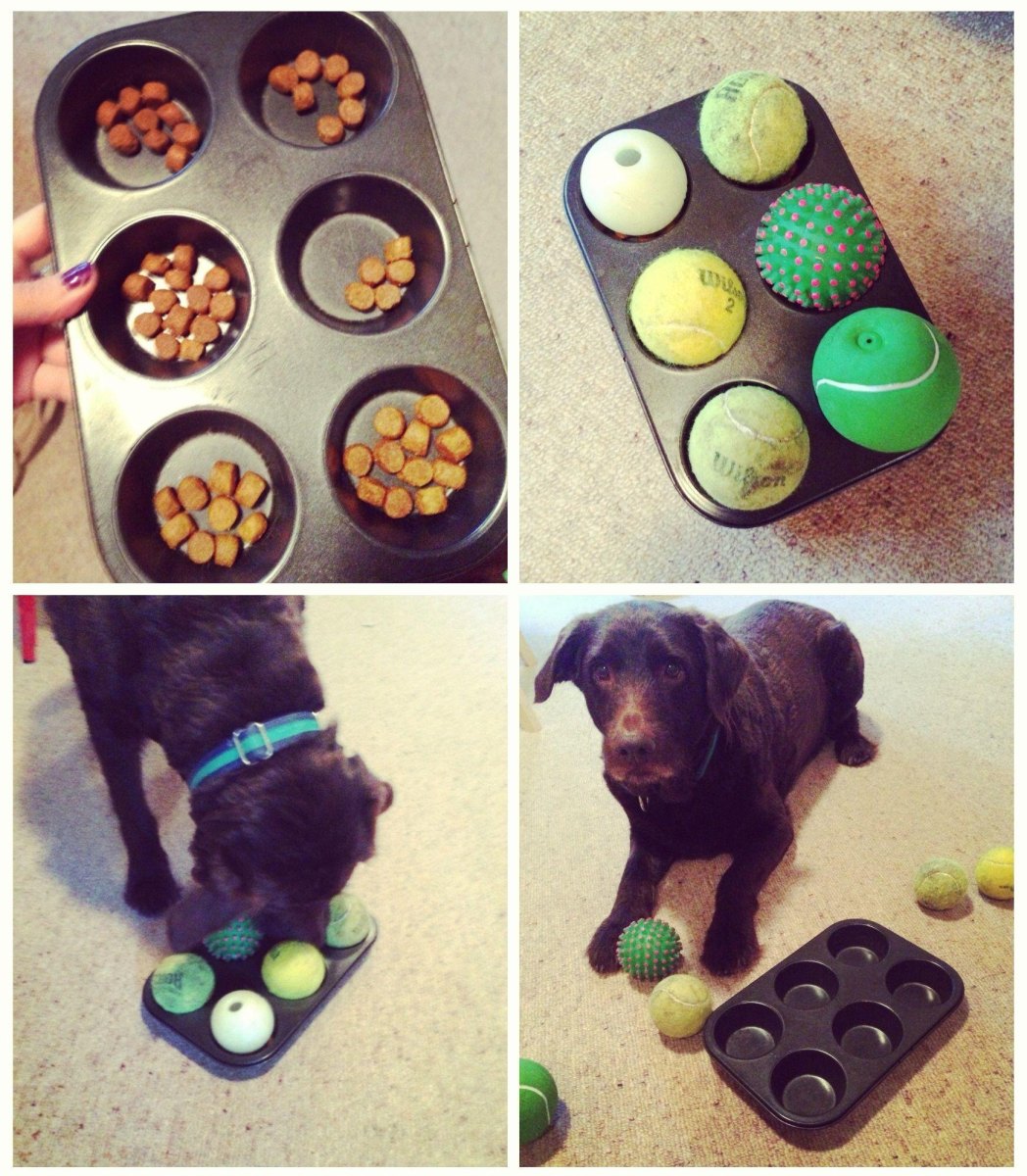
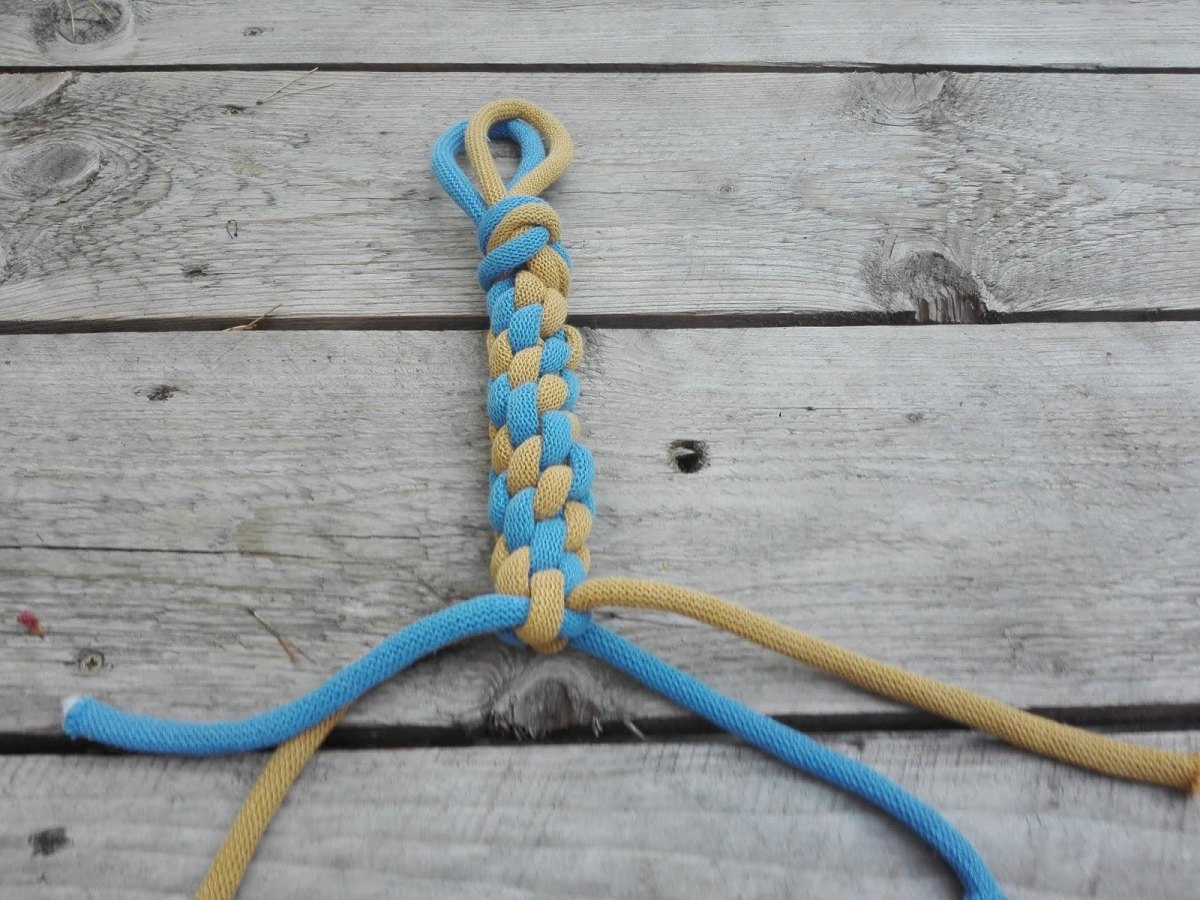
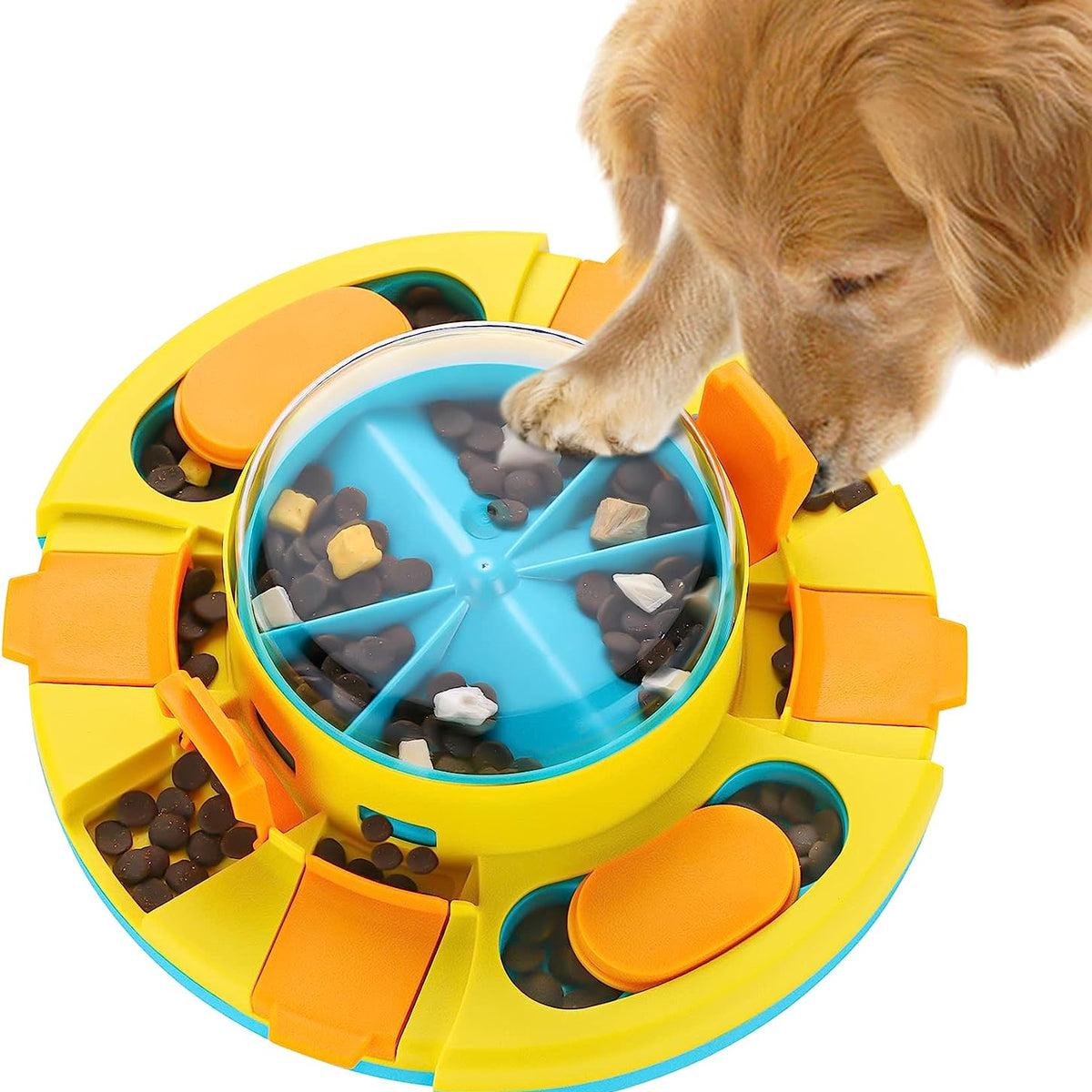
I love enrichment because it gives dogs something interesting to do without needing a complicated setup. Simple homemade ideas such as a treat search box, fabric snuffle activity or safe cardboard puzzle can add variety. Veterinary guidance on enrichment toys highlights that puzzles can provide mental exercise, but dogs should be supervised and materials checked for damage.
I am careful here because a DIY toy is not automatically a safe toy. Tam would happily dismantle half the house if given the opportunity, so anything that can be swallowed goes straight back in the recycling bin. Supervised enrichment is the rule I follow.
- Start. Use simple materials and an easy activity.
- Watch. Check how your dog interacts with the item.
- Replace. Remove anything damaged or unsafe.
Add Safe Travel and Hiking Supplies
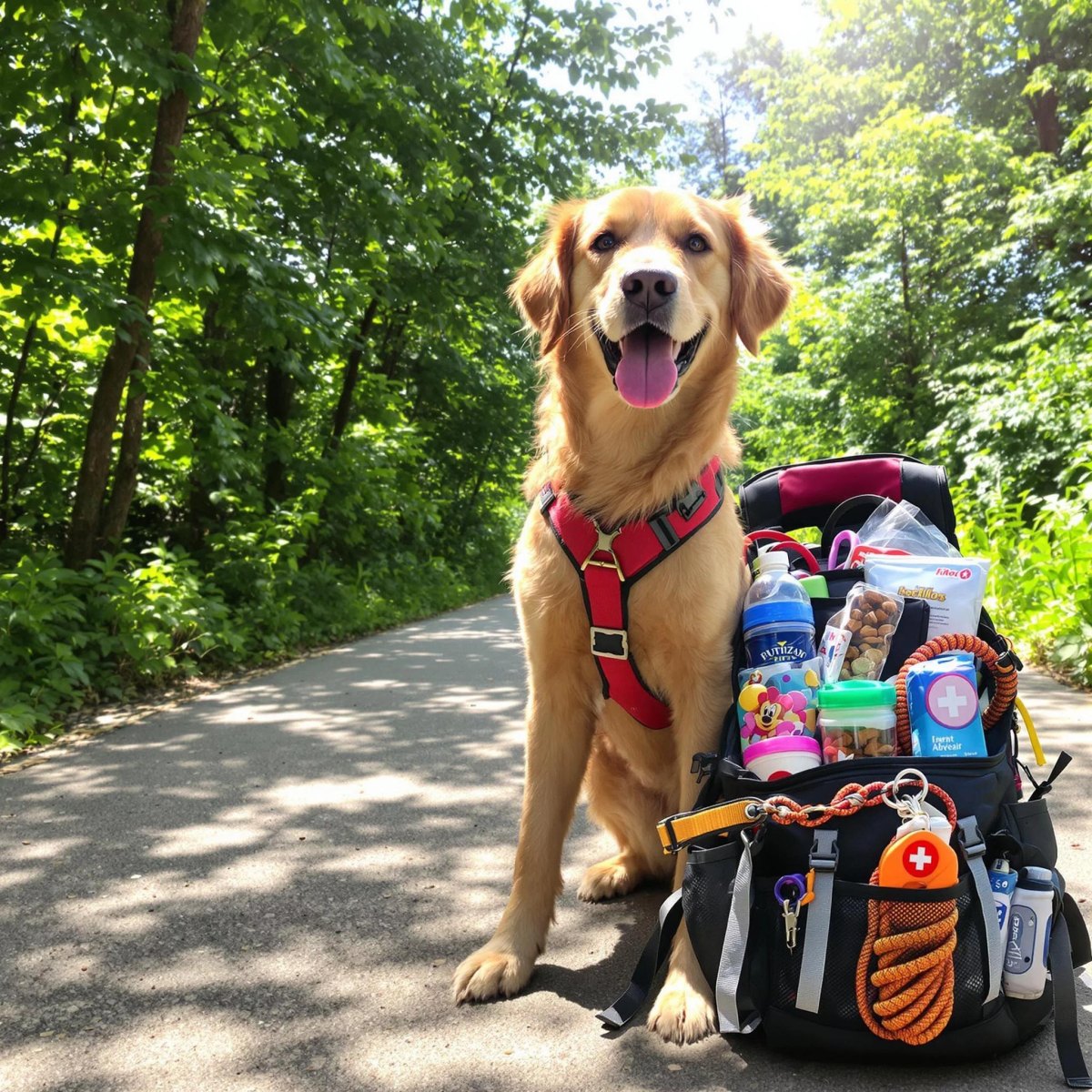
A dog adventure box becomes especially useful when you are heading further than the usual walk. I keep a travel section ready with a towel, water supplies, a familiar blanket and food storage. It saves the frantic searching that happens five minutes before leaving the house.
Travel preparation matters because unfamiliar places bring different risks. Current pet travel advice recommends planning ahead, keeping identification details updated and checking requirements before trips. For countryside walks around here, I also consider mud, livestock, steep ground and changing weather.
A note on rural walks
Never assume every field is a safe playground. Livestock, wildlife and seasonal hazards mean dogs need sensible supervision outdoors.
Personalize the Box for Your Dog
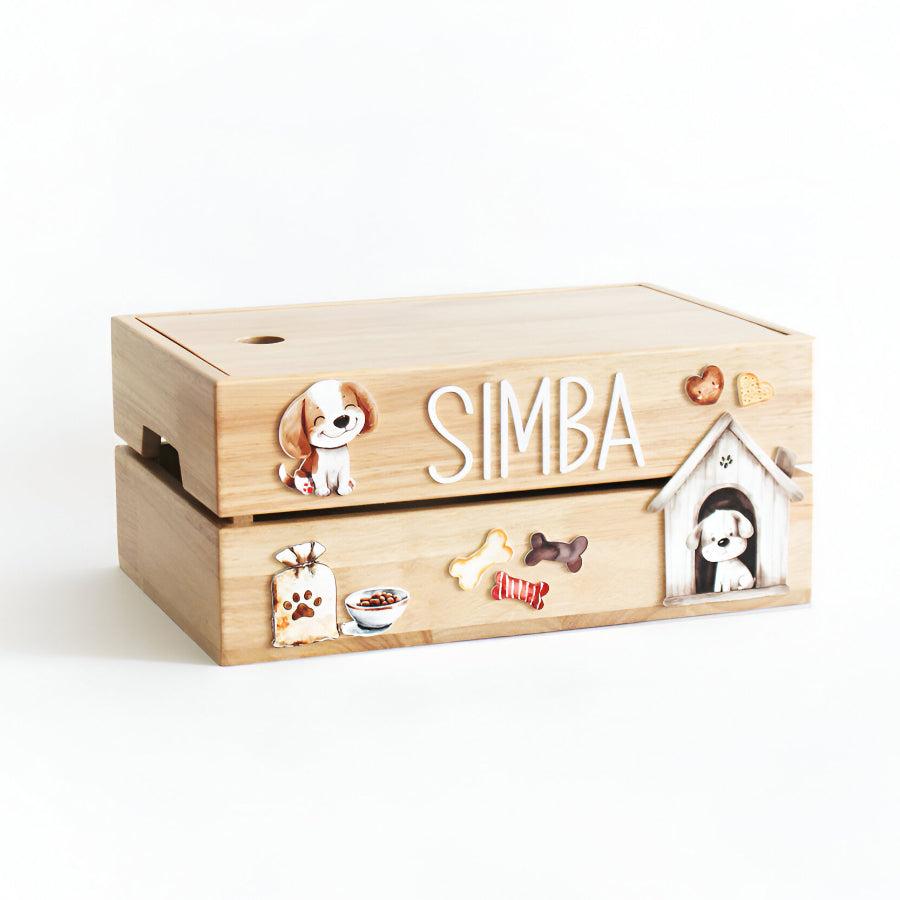
The nicest adventure boxes are not identical because dogs are not identical. Skye's box is built around comfort now that she is twelve, while Tam's includes more activities because he still believes every outing is a grand expedition.
I like adding simple labels, a favourite blanket or a dedicated treat pouch. A personalised kit also helps me remember what belongs to each dog, especially when I am helping at the rescue centre. Dog-specific organisation makes life easier.
| Dog type | Useful additions |
|---|---|
| Senior dog | Comfort blanket, towel, mobility-friendly items |
| Active adult dog | Adventure toys, water gear, enrichment items |
| Rescue dog | Familiar scent item and simple routines |
Pack and Organize the Ultimate Dog Adventure Kit
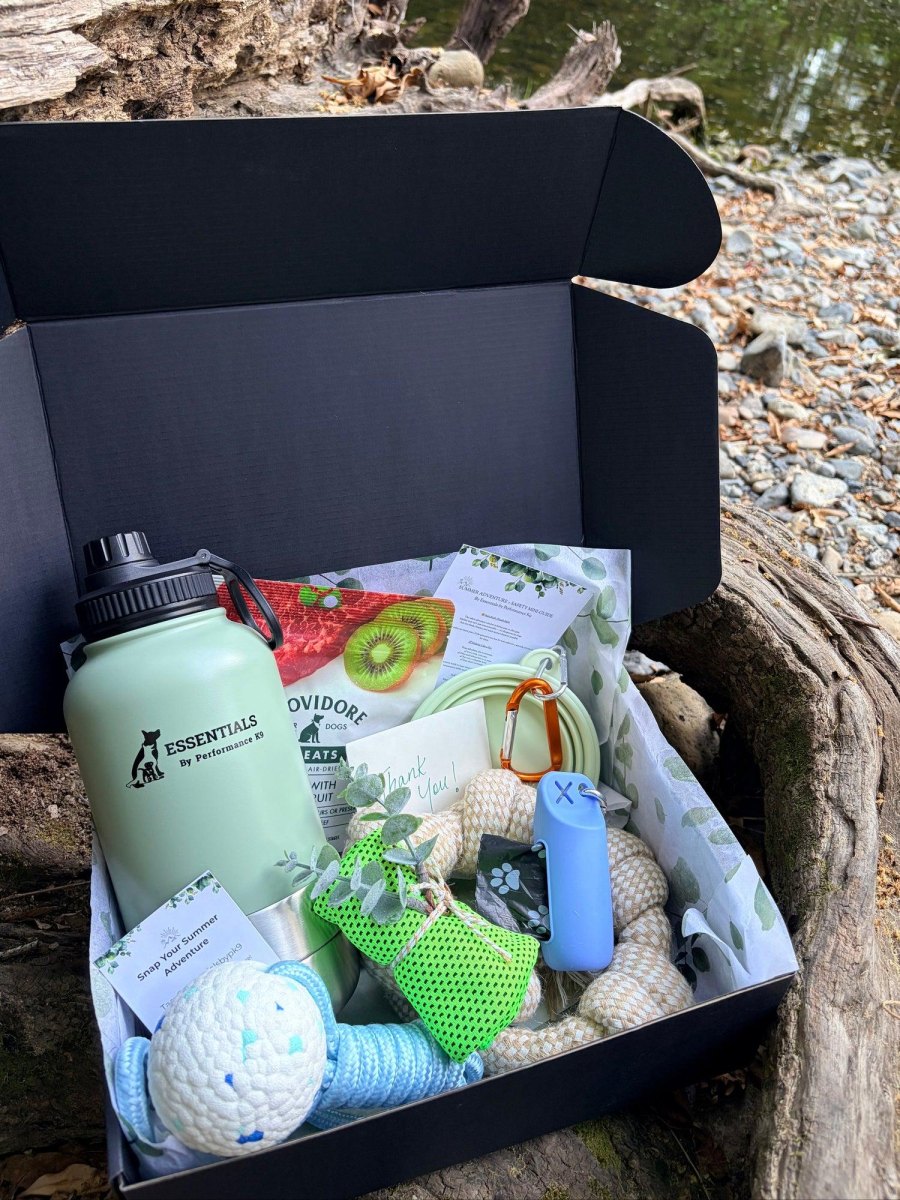
Once everything is gathered, I divide the box into sections so I can find things quickly. The food side stays separate from muddy equipment, and treats remain sealed. Proper storage helps maintain food quality and keeps useful information available if there is ever a problem with a product.
I do not believe a dog adventure box needs to be overflowing. A carefully chosen collection of useful everyday gear will serve you far better than a pile of things your dog never uses.
What I like
- Everything is ready for spontaneous walks.
- Dogs get more variety and enrichment.
- Outdoor trips become less stressful.
Things to remember
- Items need regular safety checks.
- Different life stages need different equipment.
- Unused gear just takes up space.
More Pinterest Visuals



 Dog Food Recipes19 Homemade Dog Food Recipes for Corgis That Are Healthy and Easy to Make
 Senior Dog Care20 Signs of Dog Dementia and How to Recognise Cognitive Decline
 Dog Breeds6 Best Dog Breeds for City Living and Apartment Life
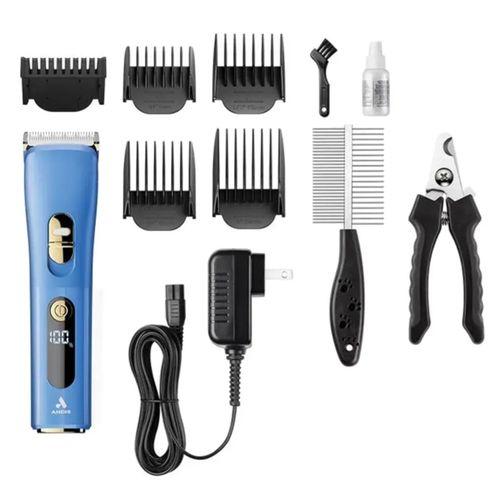 Dog Grooming14 Cordless Pet Grooming Tools That Make At-Home Care Easier