

When a large dog looks up at you while you're preparing supper, it's tempting to put together a bowl of something fresh and wholesome. I've spent years caring for dogs, first on a hill farm near Comrie and later as a registered veterinary nurse, and I've learnt that fresh ingredients and good nutrition are not quite the same thing. A bowl of meat, vegetables and rice may look splendid, but appearance tells us very little about whether a diet meets a dog's nutritional needs.
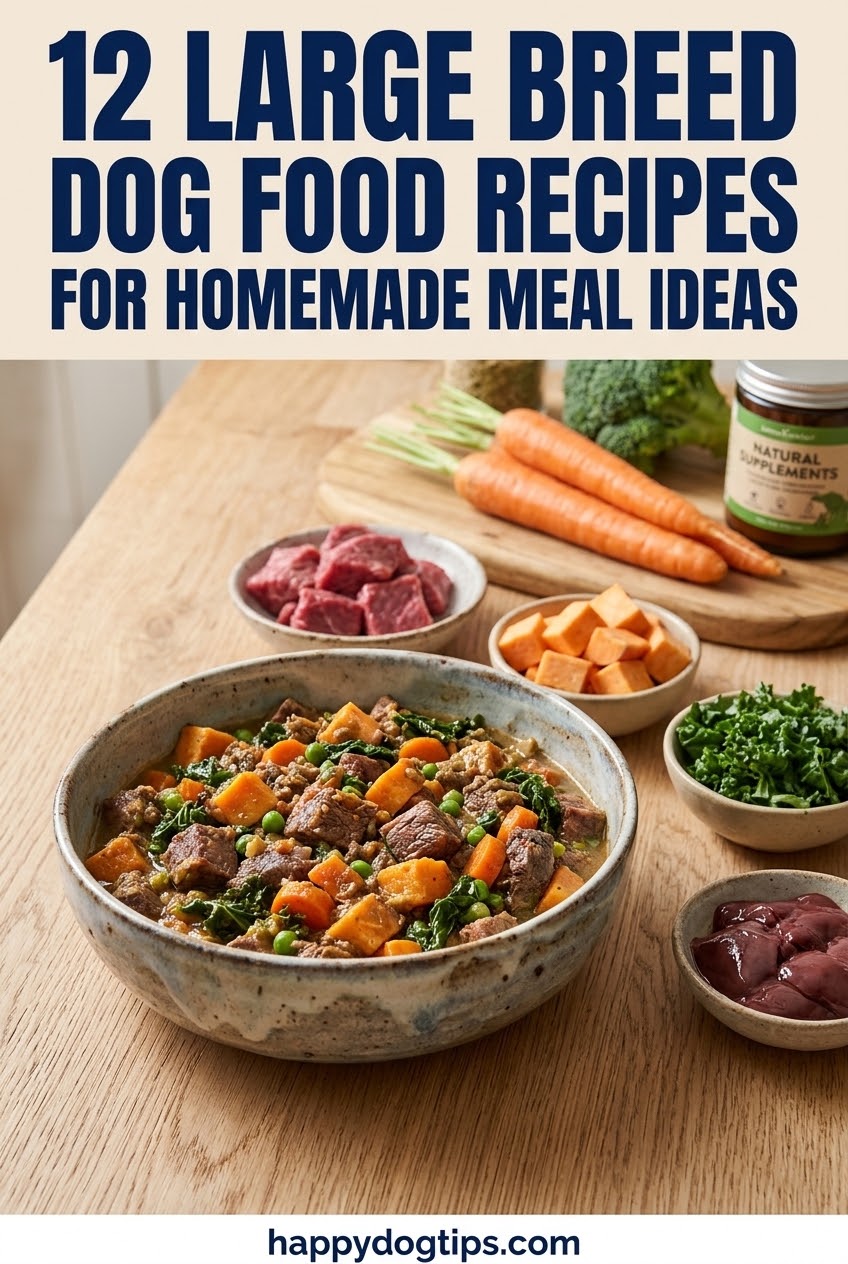
I've gathered 12 large breed dog food recipe ideas, from chicken and brown rice to rabbit and rice, for owners who want to explore home cooking. I use these combinations as occasional treat or meal-topper inspiration, not as complete daily diets. I left clinical veterinary practice in 2016, so your own vet or a qualified veterinary nutritionist should guide any lasting dietary change, particularly for growing large-breed puppies and dogs with medical conditions. The VCA guidance on home-prepared diets explains why carefully formulated recipes matter.
Before you start cooking
- Use plain ingredients, thoroughly cooked meat and fish, and no added seasoning.
- Offer these ideas as small additions to a complete, balanced food rather than meal replacements.
- Keep treats and extras to around 10% or less of daily calories, unless your vet advises otherwise.
- Ask your vet to formulate a complete home-cooked diet if you want to replace your dog's regular food.
Throughout these ideas, I've kept the preparation straightforward and the ingredients familiar. That is useful in a busy kitchen, but it doesn't remove the need for individual nutritional advice, especially when feeding a dog whose bones and joints are still developing.
Chicken and Brown Rice Recipe for Large Breeds
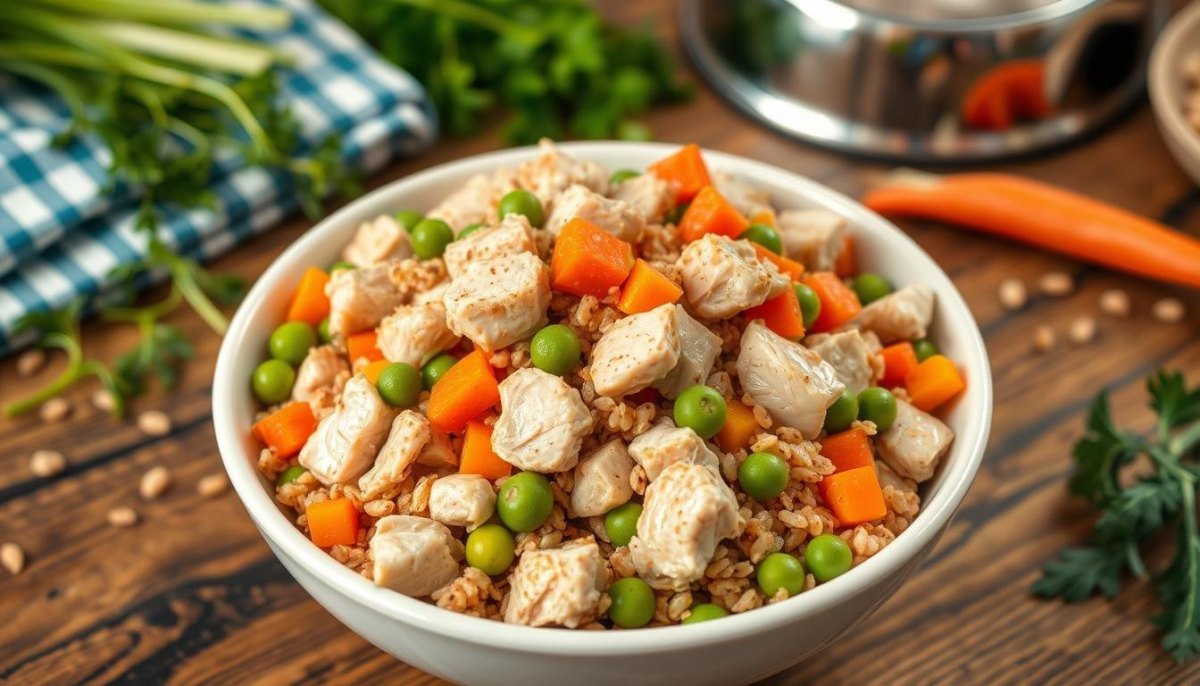
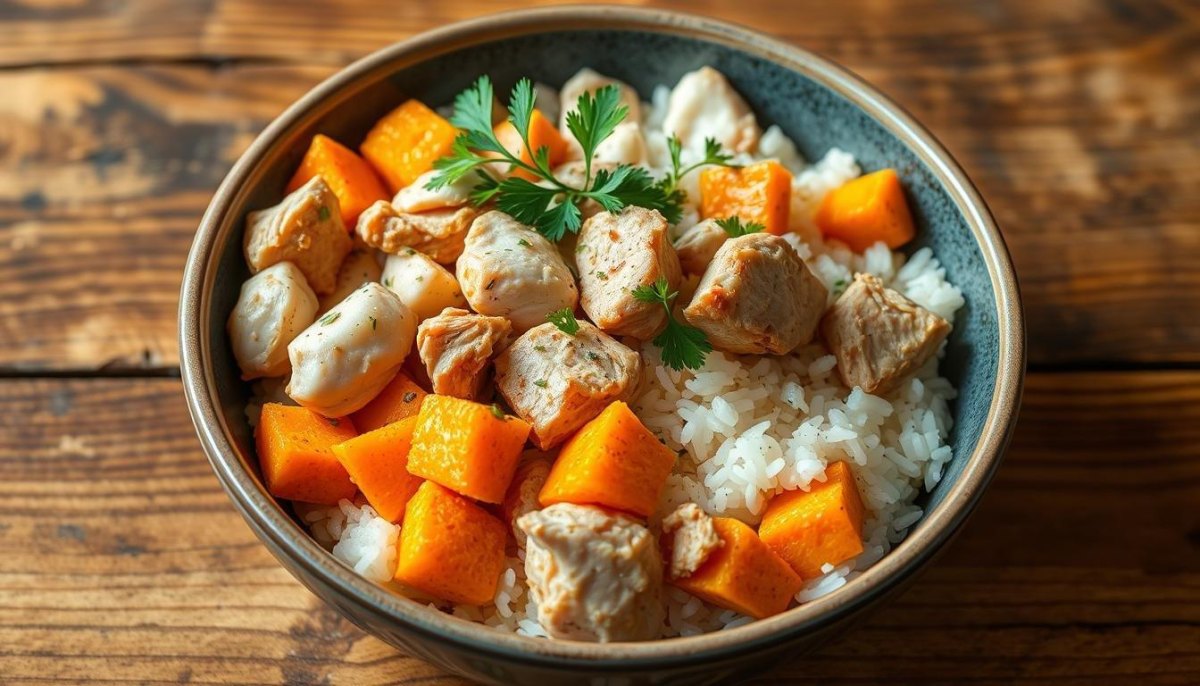
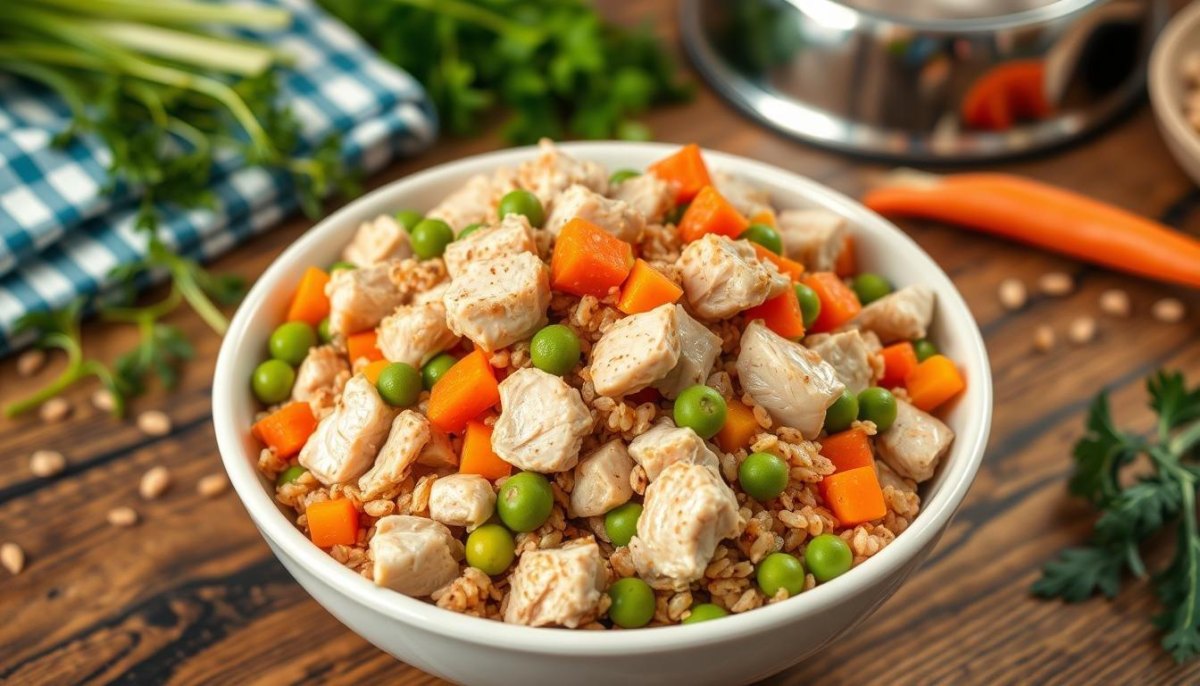
Chicken and rice is a familiar combination, and I can see why it appeals to owners who want something simple. For a small homemade meal topper, cook plain, boneless chicken thoroughly, prepare brown rice until soft, and add a little cooked carrot if your dog tolerates it. Remove all skin, bones and visible excess fat, and let everything cool before serving.
I'd start with a modest spoonful alongside complete food, adjusting the amount to your dog's size and normal calorie intake. Chicken and rice alone is not nutritionally complete, even when the bowl looks generous. Cornell University's guide to re-evaluating a dog's diet explains why a familiar chicken-and-rice mixture should not become a long-term substitute for balanced food.
My kitchen tip
Cook the chicken without stock cubes, gravy, onion or garlic. Freeze small, clearly labelled portions if you've prepared more than you need, and thaw them safely in the fridge.Beef and Sweet Potato Recipe
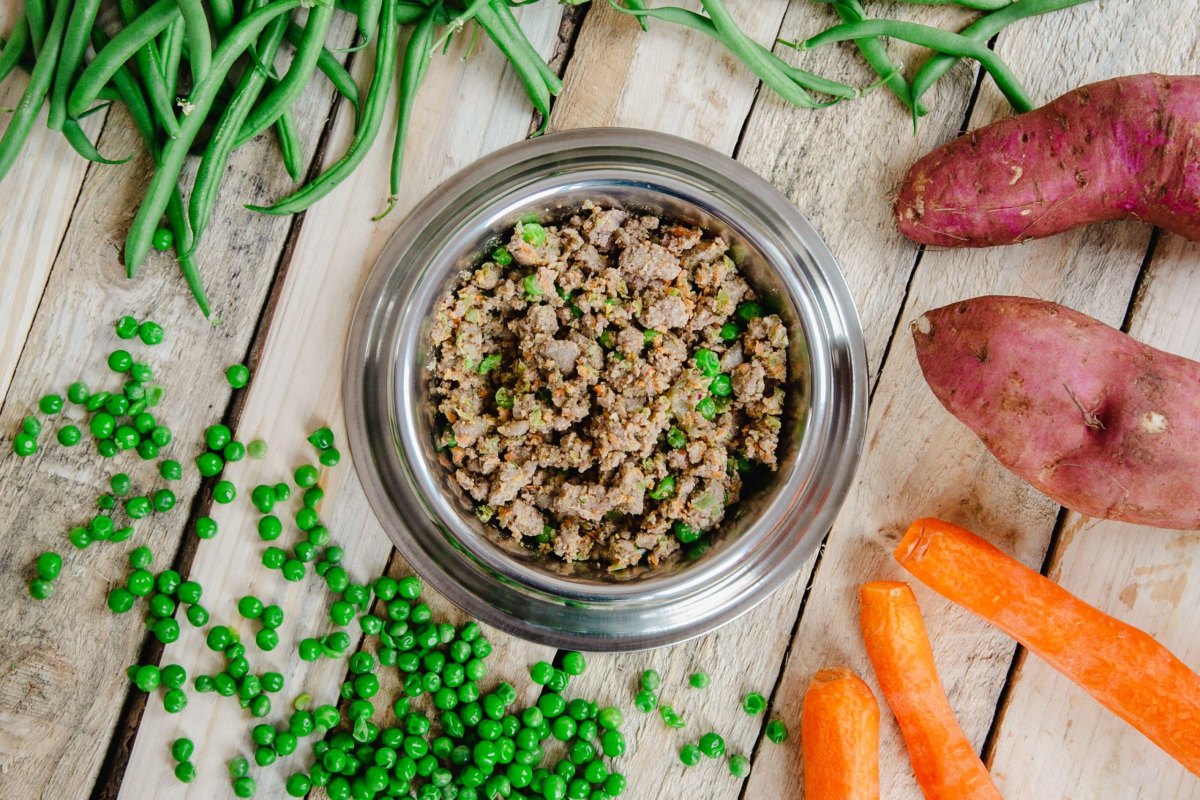
Lean beef with soft sweet potato makes a hearty-smelling addition to a dog's usual dinner. I would brown plain lean minced beef thoroughly, drain excess fat if needed, and mix it with peeled sweet potato that has been boiled or steamed until tender. Mash the potato so there are no large, firm pieces that could be awkward to swallow.
Sweet potato provides fibre and nutrients, but it is still an ingredient rather than a complete diet. Offer this combination as a small, measured extra, taking your dog's overall calorie intake into account. The PetMD guide to sweet potatoes recommends serving them fully cooked and plain, in moderation. If your dog needs a restricted-fat diet or has a medical condition, ask your vet before adding beef.
Keep it plain
Don't add butter, gravy, onion, garlic or seasoning. Raw sweet potato and large, hard chunks are poor choices for a dog-friendly preparation.Turkey and Quinoa Recipe
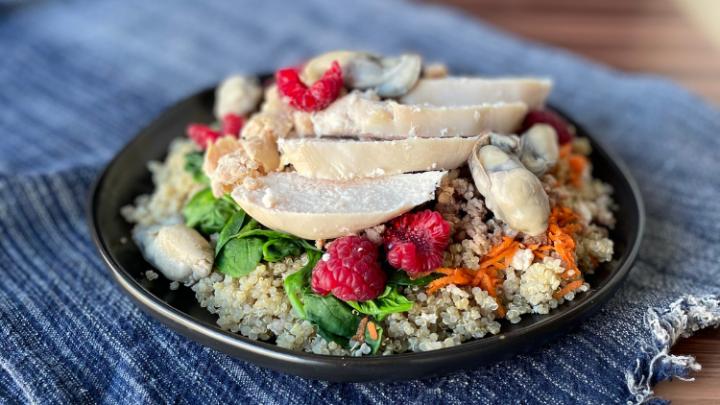
For a change from chicken, I like the idea of pairing plain cooked turkey with quinoa. Cook boneless turkey thoroughly, prepare the quinoa according to the packet instructions, and let both cool. A little finely chopped, cooked carrot can add variety, provided your dog already tolerates it.
Quinoa is not a magic ingredient, and a turkey-and-quinoa bowl won't automatically meet a dog's nutritional requirements. I would use it only as a small occasional topper unless a veterinary nutritionist has formulated a complete recipe for the individual dog. The VCA overview of natural approaches to feeding stresses that ingredient quality alone does not guarantee the right balance of nutrients.
Prepare it carefully
Choose unseasoned turkey rather than processed slices or seasoned roasting leftovers. Remove every bone, and avoid onion, garlic, sauces and added salt.Lamb and Oatmeal Recipe
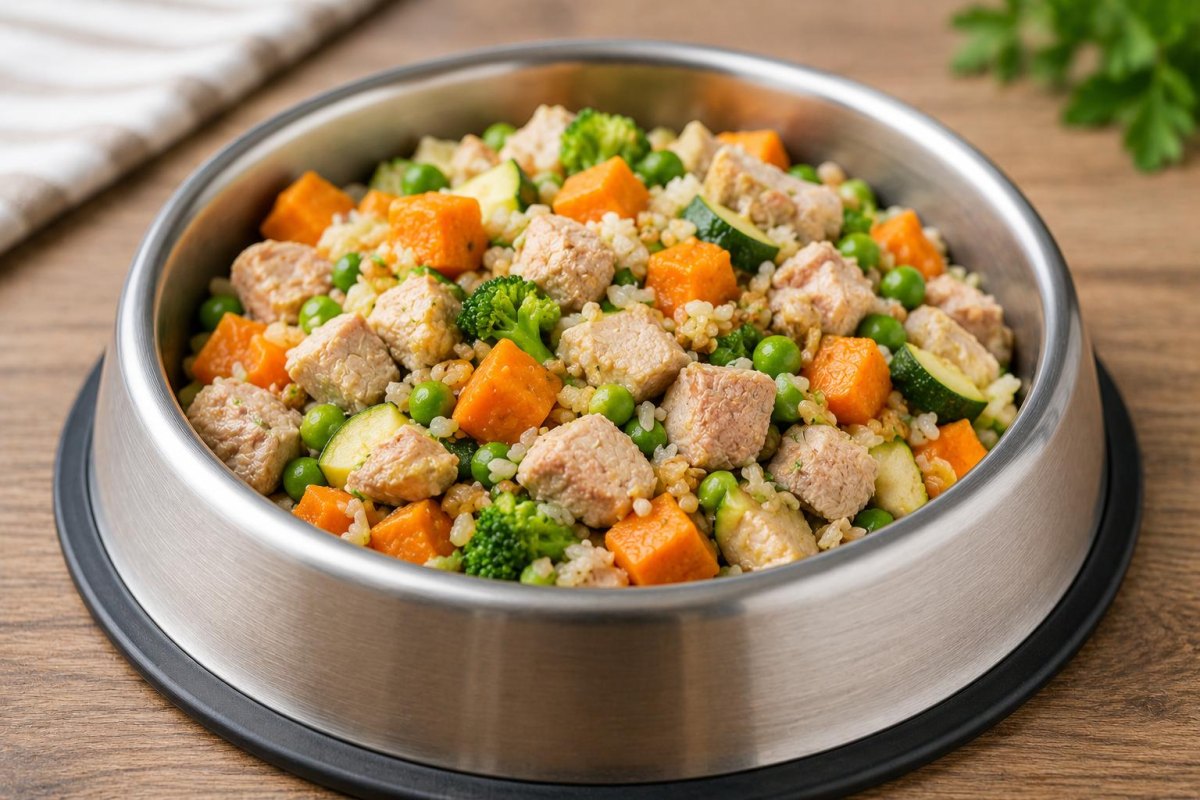
Lamb and oatmeal offer a softer alternative to the usual meat-and-rice combination. For this simple cooked topper, use lean, boneless lamb, cook it thoroughly, and trim away excess fat. Prepare plain oatmeal with water until soft, then combine a small amount with the cooled meat.
Lamb can be relatively rich, depending on the cut, so I'd be particularly careful with portions for dogs who gain weight easily or have been advised to eat a lower-fat diet. This mixture is not a complete daily meal; it lacks the carefully calculated range of vitamins, minerals and other nutrients a dog needs. The PetMD guide to homemade dog food explains why a veterinary nutritionist should formulate recipes intended for regular feeding.
Mind the fat
Don't add butter, cream, rich cooking juices or seasoning. If your dog has a history of pancreatitis or needs a therapeutic diet, check with your vet before offering lamb.Salmon and Barley Recipe
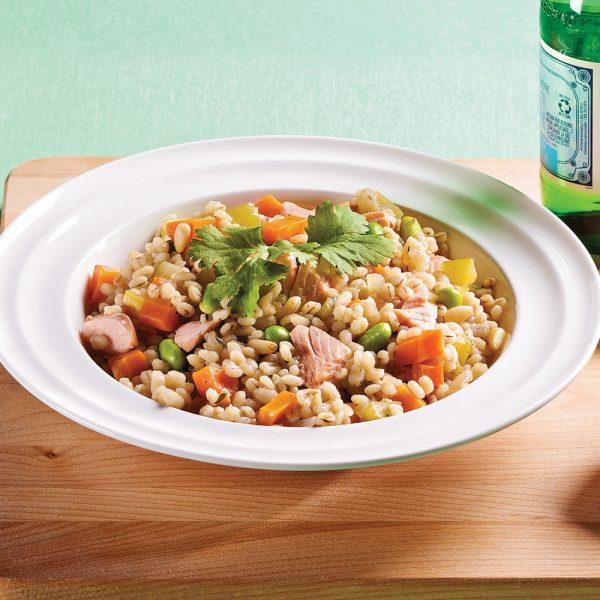
Salmon is useful for adding variety, and its naturally occurring omega-3 fatty acids are one reason it appears in many commercial dog foods. To prepare this salmon and barley topper, cook plain salmon thoroughly, check it carefully for bones, and flake it into small pieces. Cook the barley until soft and allow everything to cool before mixing.
I'd keep the portion modest because salmon can add a meaningful number of calories, particularly when the dog already eats a complete food. The combination is an occasional extra, not a balanced diet. Dogs with allergies, digestive problems or prescribed diets may need a different approach, so ask your vet before introducing fish as a regular ingredient.
Fish without fuss
Use fresh or appropriately stored frozen salmon, cooked without oil, sauces or salt. Never serve it raw or leave bones in the finished portion.Venison and Lentil Recipe
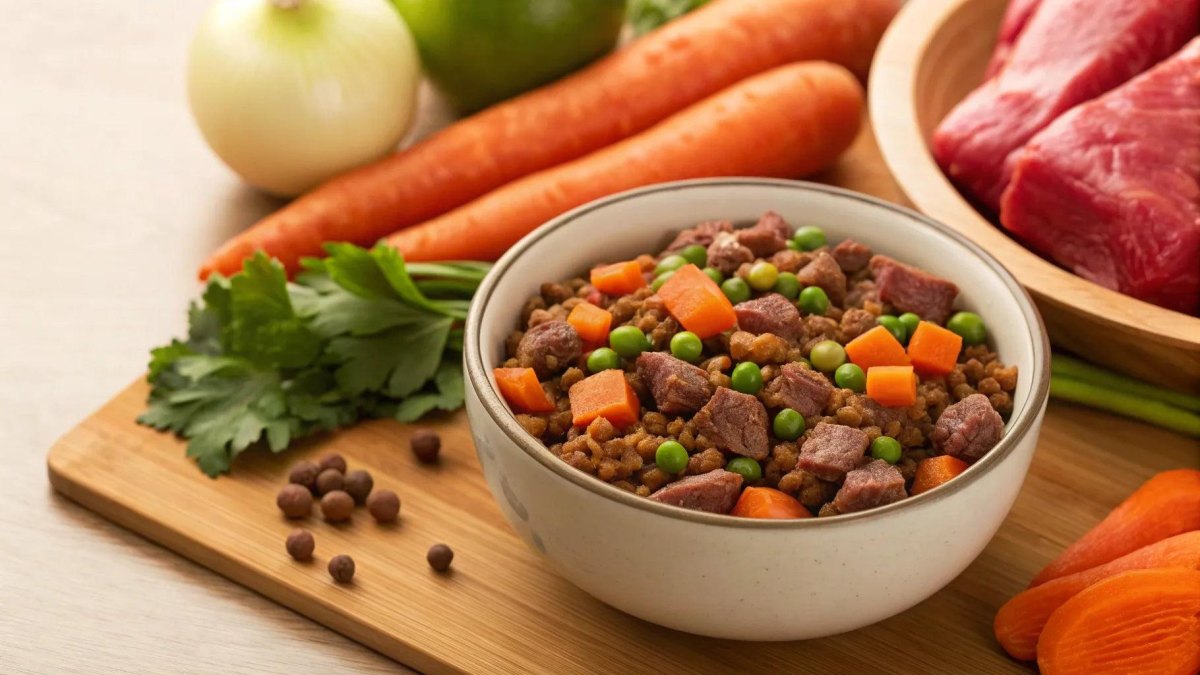
Venison is a less familiar protein in many kitchens, but it can make an interesting occasional topper for a dog that tolerates it well. Cook plain, lean venison thoroughly and combine a small amount with well-cooked lentils. Keep the texture soft and remove all bones, tough connective tissue and excess fat.
Some commercial diets use venison as a novel protein, but feeding a little venison at home does not diagnose or treat a food allergy. If your vet suspects a dietary allergy, a carefully controlled feeding trial is different from experimenting with several new ingredients. The PetMD guide to venison for dogs discusses its nutritional qualities and potential role in canine diets. I would keep this mixture small and occasional unless a professional has formulated it for regular use.
Check the source
Use properly handled meat intended for consumption and cook it thoroughly. Don't use raw game meat or meat that may have been contaminated during field dressing.Duck and Millet Recipe
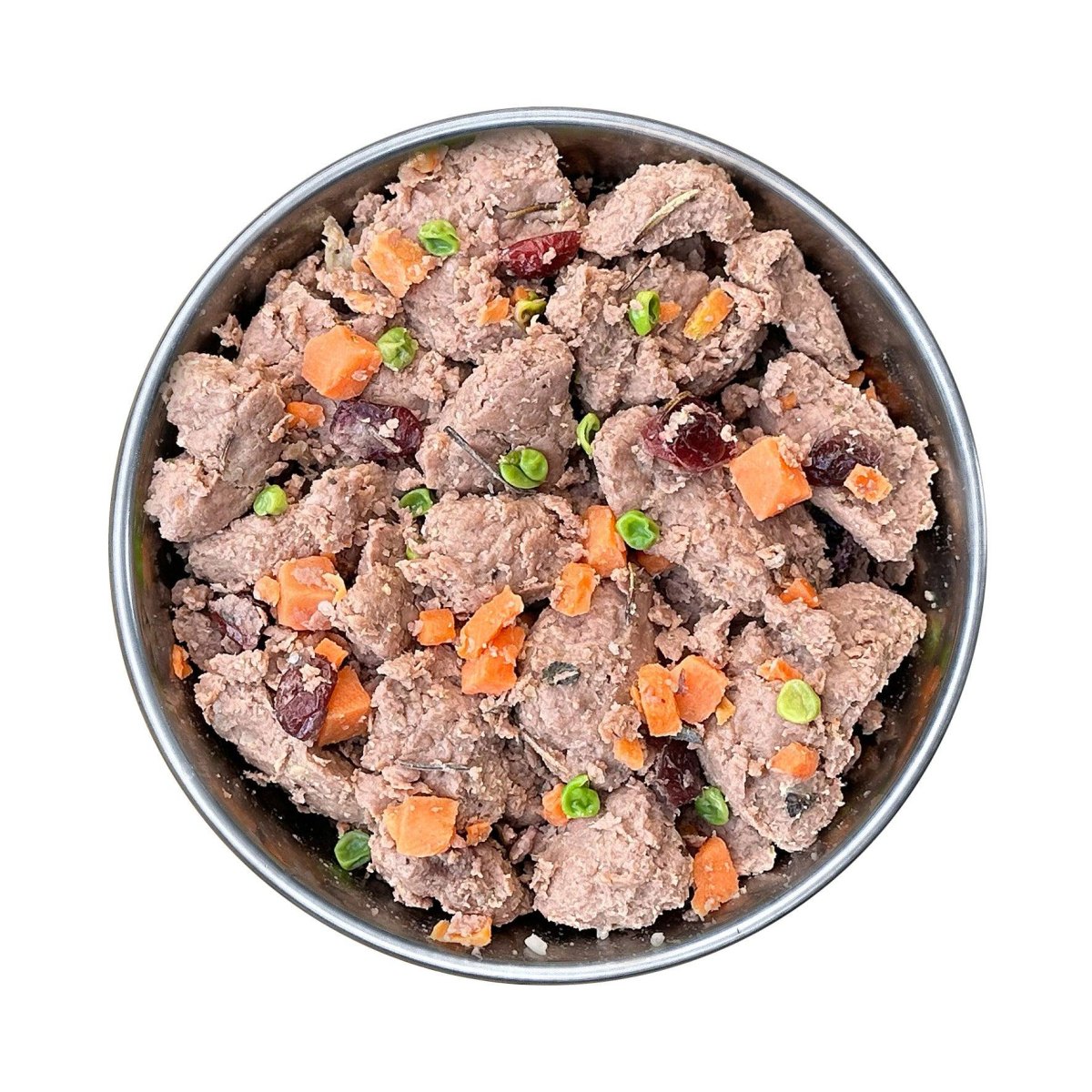
Duck brings a different flavour, although it can be fattier than other poultry. For a duck and millet topper, choose plain boneless duck, remove the skin and visible fat, cook the meat thoroughly, and serve a small amount with millet that has been cooked until soft.
Because fat content varies considerably between cuts, I wouldn't assume duck is suitable for every dog. A dog that needs weight management or has a medical condition may need a different option, and your vet can help you decide. As with the other combinations, duck and millet alone are not nutritionally complete. Veterinary guidance on home-prepared diets, including the VCA home-made diet resource, emphasises that the exact recipe and nutrient balance matter.
A leaner preparation
Skip the rich roasting juices, butter and seasoning. Never offer cooked duck bones, and make sure the meat has cooled before serving.Pork and Vegetable Recipe
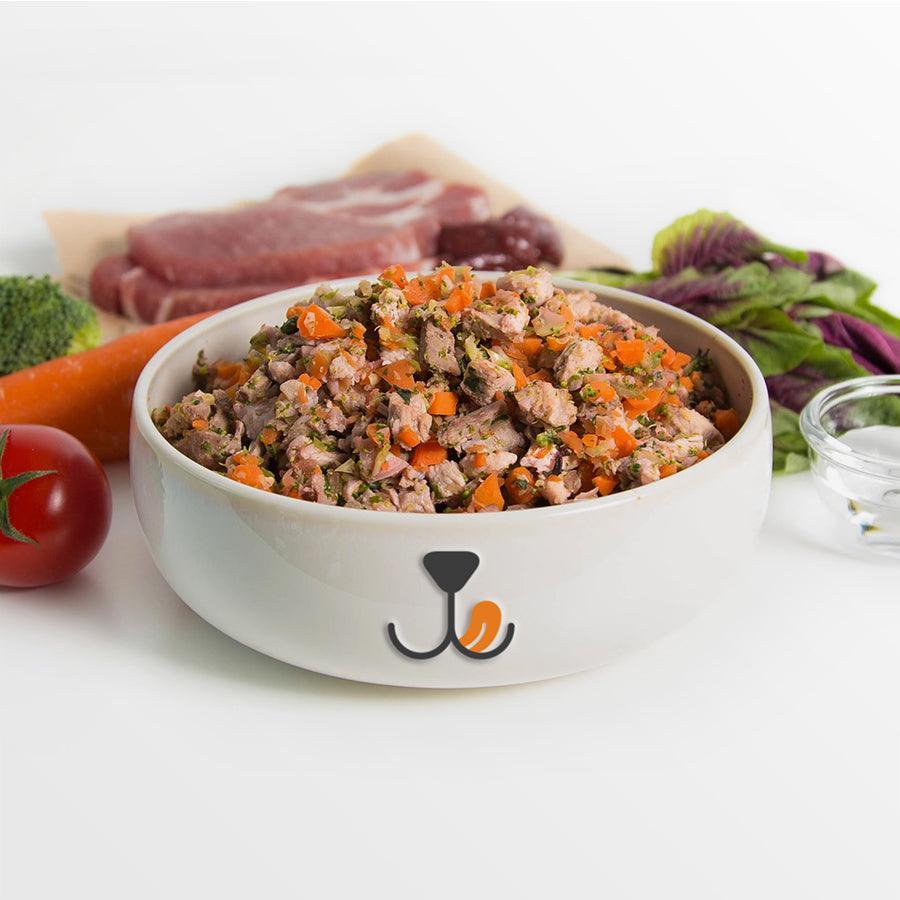
Plain pork can provide another protein option when prepared carefully. I would choose a lean, boneless cut, cook it thoroughly, trim excess fat and dice it finely. Combine a small quantity with soft, cooked vegetables such as carrots or green beans for a simple pork and vegetable topper.
Processed pork products are not a sensible shortcut: ham, bacon and sausages can contain considerable salt, fat and seasonings. Keep this preparation plain and portion-controlled, and remember that vegetables and pork do not supply every nutrient required for a complete diet. The American Kennel Club's guide to homemade dog food explains the importance of professional formulation and careful ingredient measurements.
Avoid leftovers with seasoning
Do not use pork cooked with onion, garlic, rich sauces or gravy. If you cannot establish what is in the leftovers, choose something else.Egg and Cottage Cheese Recipe
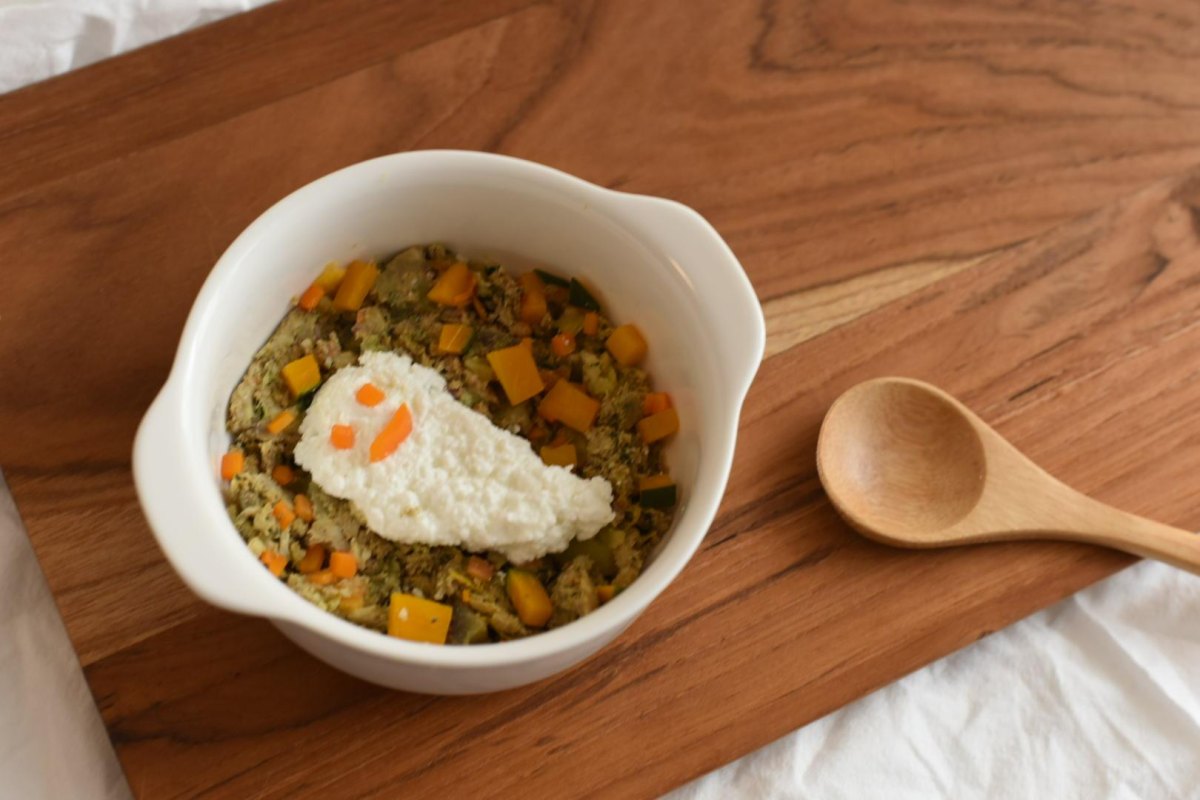
This is a useful reminder that every recipe needn't involve a large piece of meat. For an egg and cottage cheese topper, cook an egg thoroughly without butter, oil or seasoning, allow it to cool, and offer a small amount with plain cottage cheese. Choose an unseasoned product and check the label for added ingredients.
Dairy tolerance varies from dog to dog, and cottage cheese can contribute both calories and salt. I'd introduce this combination cautiously and stop offering it if it causes digestive upset. For dogs with a prescribed diet or a suspected food intolerance, ask your vet before experimenting. Eggs and cottage cheese on their own are not a complete source of canine nutrition.
Keep the serving small
Offer cooked egg rather than raw egg, and avoid flavoured dairy products. If your dog has never eaten dairy before, begin with a particularly small taste and monitor tolerance.White Fish and Pumpkin Recipe
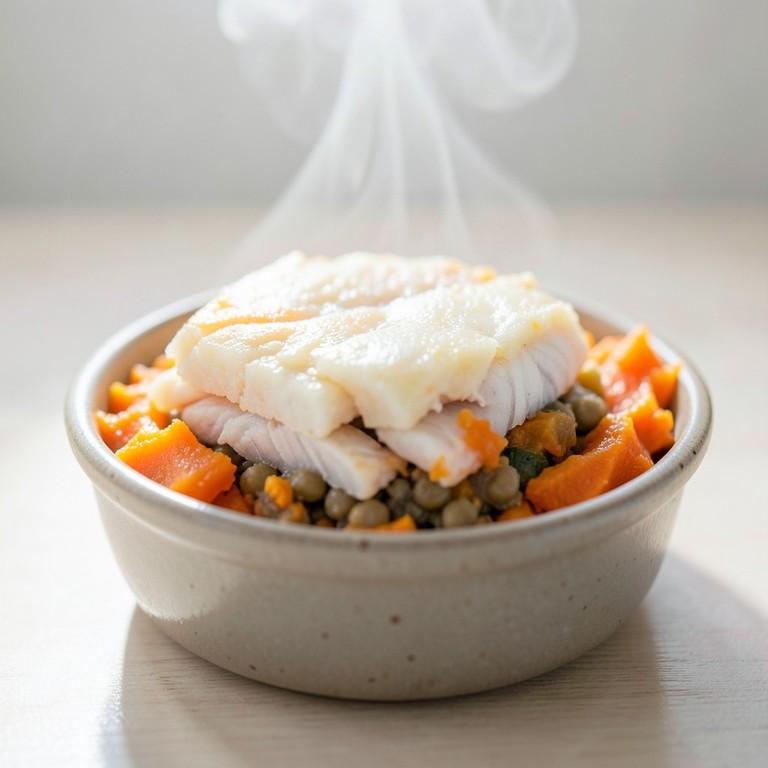
White fish and pumpkin make a mild-looking combination for owners who want an alternative to red meat. Cook a plain white fish such as cod thoroughly, check for bones, and flake it into small pieces. Mix with a little plain cooked pumpkin for a soft fish and pumpkin topper, allowing the mixture to cool before serving.
Pumpkin is not a cure for digestive illness, and a dog with ongoing diarrhoea, vomiting or other symptoms needs appropriate veterinary advice rather than a succession of kitchen experiments. This recipe is an occasional addition rather than a complete meal. For any dog already receiving a therapeutic diet, check with the prescribing vet before adding ingredients that could affect the diet's intended balance.
Choose plain pumpkin
Use cooked pumpkin without added sugar, spices or salt, not sweetened pie filling. Avoid seasoning the fish, and remove every bone you can identify.Bison and Vegetable Recipe
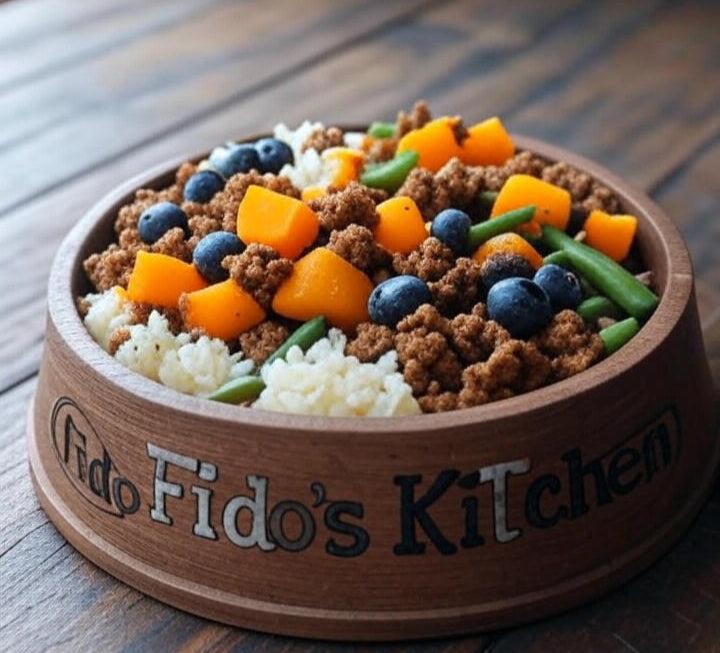
Bison may be available from some butchers and specialist suppliers, and it can be prepared much like other lean red meats. For a bison and vegetable topper, cook plain boneless bison thoroughly, remove excess fat, and combine a small amount with soft, cooked carrots or green beans.
There is no special nutritional advantage in choosing bison simply because it is less common. What matters is the dog's overall diet, individual tolerance and the nutritional quality of everything fed over time. I would treat this combination as a small extra alongside complete food, not as a substitute for a formulated meal. The Cornell canine diet guidance is a useful reminder that homemade food must meet a dog's full nutritional needs.
No need to make it elaborate
Use one or two plain vegetables your dog already tolerates. Avoid onion, garlic, rich sauces and seasoning, and let the cooked mixture cool completely.Rabbit and Rice Recipe
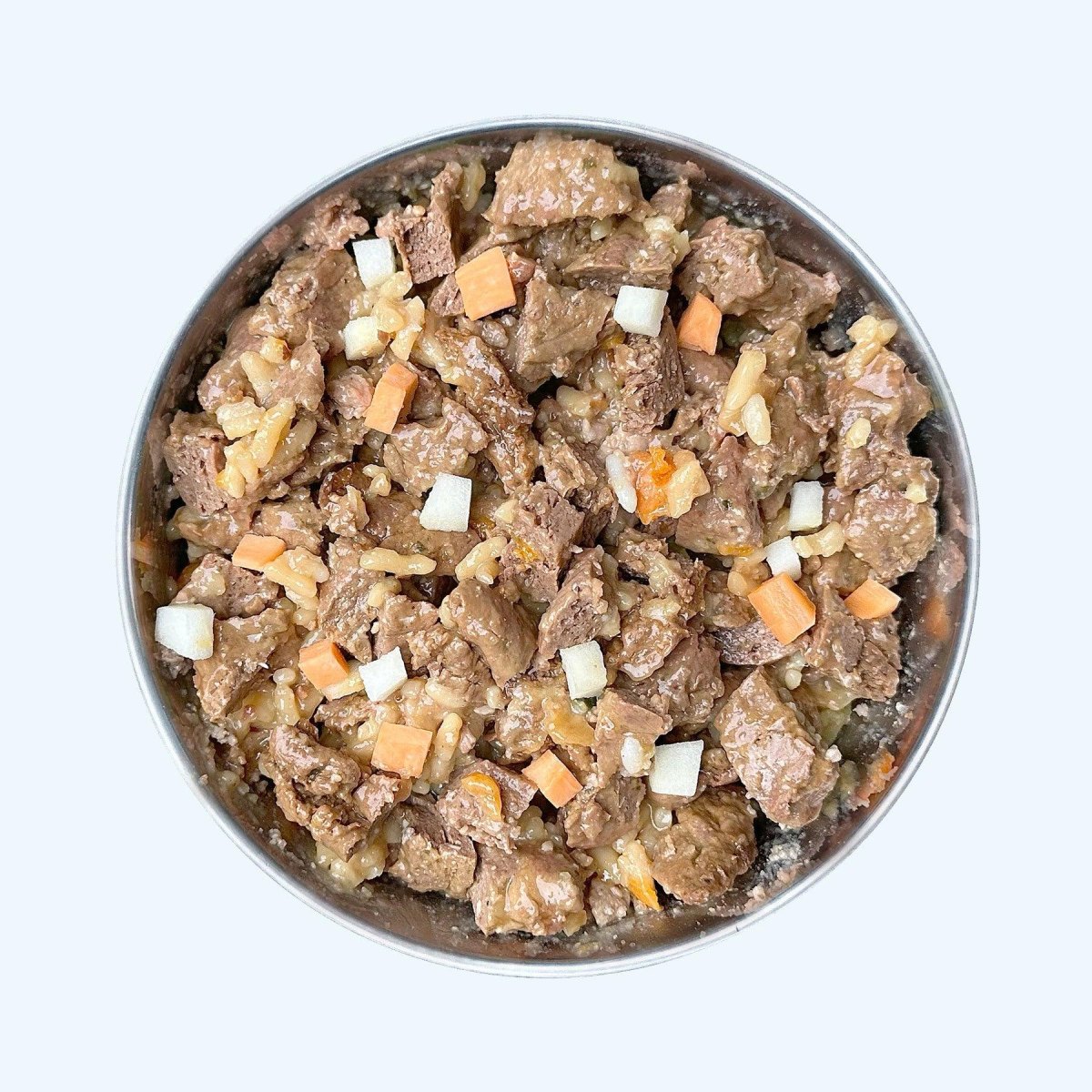
Rabbit and rice may appeal to owners looking for another lean-protein combination. If you prepare it at home, use properly sourced rabbit meat, cook it thoroughly and remove all bones with care. Combine a small amount of the cooked meat with soft, plain rice for a rabbit and rice topper.
Rabbit is not automatically the right choice for a dog with allergies, and rice does not make a meat-based recipe nutritionally complete. If you're considering a novel protein because your dog has itching or digestive symptoms, speak to your vet rather than trying several proteins in succession. I would keep this dish occasional and measured unless a veterinary nutritionist has designed a complete recipe for your dog.
Be meticulous about bones
Rabbit bones can be small and difficult to spot. Never feed cooked bones, and don't serve the meat if you cannot confidently remove every bone fragment.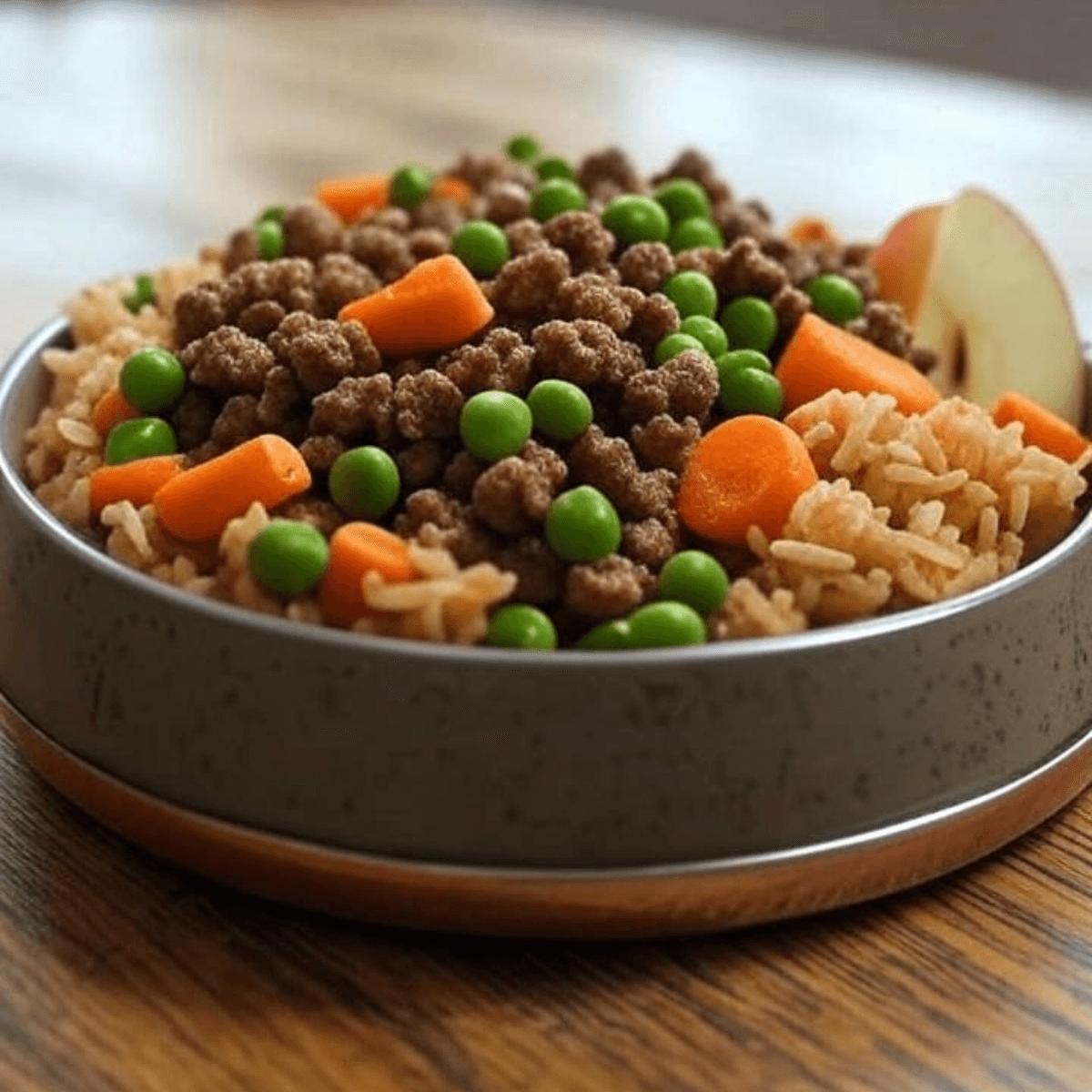
More Pinterest Visuals



 Dog Food Recipes19 Homemade Dog Food Recipes for Corgis That Are Healthy and Easy to Make
 Senior Dog Care20 Signs of Dog Dementia and How to Recognise Cognitive Decline
 Dog Breeds6 Best Dog Breeds for City Living and Apartment Life
 Dog Grooming14 Cordless Pet Grooming Tools That Make At-Home Care Easier