

There is a particular sort of worry that comes with watching an older dog change. They may stand in the middle of a familiar room looking lost, wake repeatedly through the night, or suddenly forget something they have done perfectly well for years. I've seen how easily these little changes can be dismissed as simply getting old.
In dogs, dementia is commonly called canine cognitive dysfunction syndrome (CCDS). It is an age-related condition affecting the brain, and its signs can develop gradually. Some dogs show one or two changes initially, while others experience several together. The important thing is to notice what is different from your dog's usual behaviour.
I've spent nineteen years working as a registered veterinary nurse, although I left clinical practice in 2016. I am not currently practising, and I cannot diagnose your dog. Veterinary knowledge and recommendations change, so your own vet must guide any assessment or treatment. Cognitive dysfunction is also a diagnosis made after other possible medical causes have been considered.
What to look for in an older dog
- Confusion and disorientation in familiar surroundings.
- Changes to sleep, toileting and previously learned behaviours.
- Different interactions with family members and other pets.
- New anxiety, repetitive activity and reduced interest in everyday life.
- Gradual changes that become more noticeable over time.
Veterinary professionals often use the DISHAA framework to organise the signs: disorientation, altered interactions, sleep-wake changes, house-soiling, changes in activity and anxiety. I'll look at each of the everyday clues below, including some that are easily confused with arthritis, hearing loss or other problems.
Increased Disorientation and Confusion in Familiar Surroundings
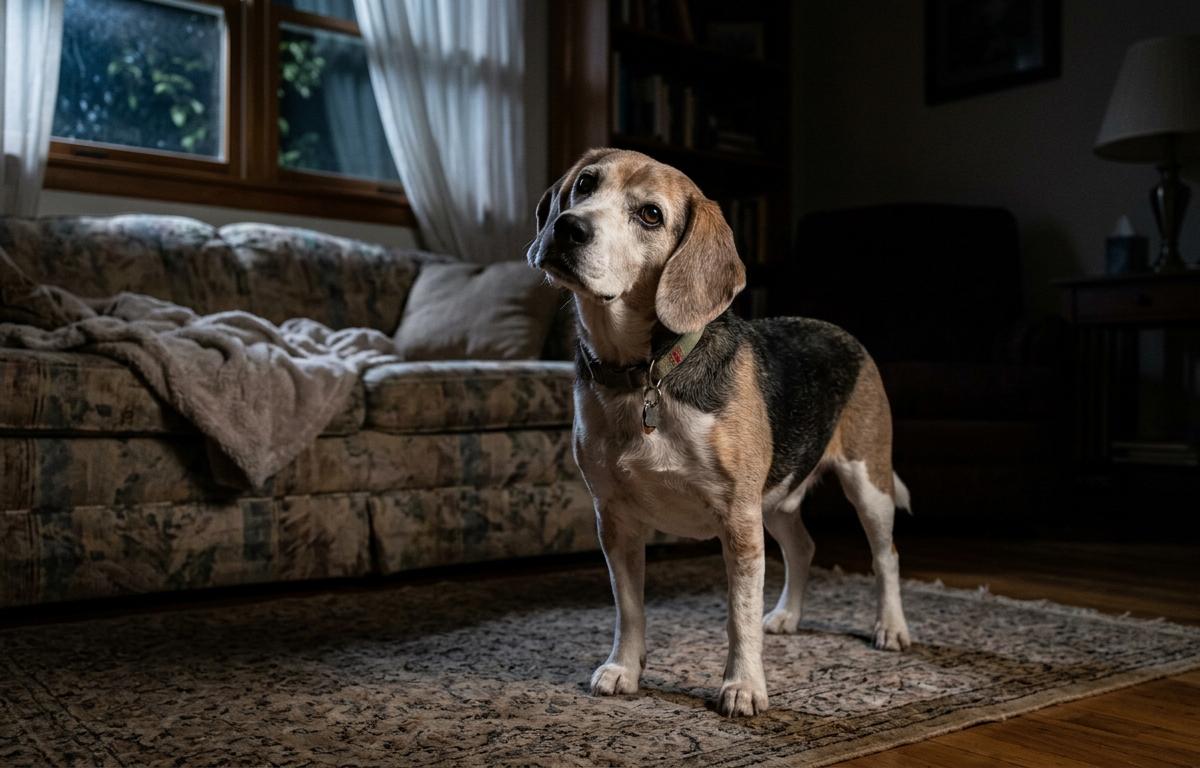
One of the first things I would pay attention to is a dog who seems confused in familiar surroundings. Your dog may pause in the kitchen as though they cannot remember why they came in, or stand in a room looking uncertain about where to go next. Places they have navigated comfortably for years may suddenly seem unfamiliar.
Canine cognitive dysfunction can affect spatial awareness and the ability to process familiar information. However, impaired sight, hearing problems, pain and neurological conditions can produce similar signs. I'd book a veterinary appointment this week if the change is gradual, and ring the vet today if confusion appears suddenly. Cornell University's veterinary guidance describes disorientation as a recognised feature of cognitive dysfunction.
Getting Lost in Familiar Places Around the Home
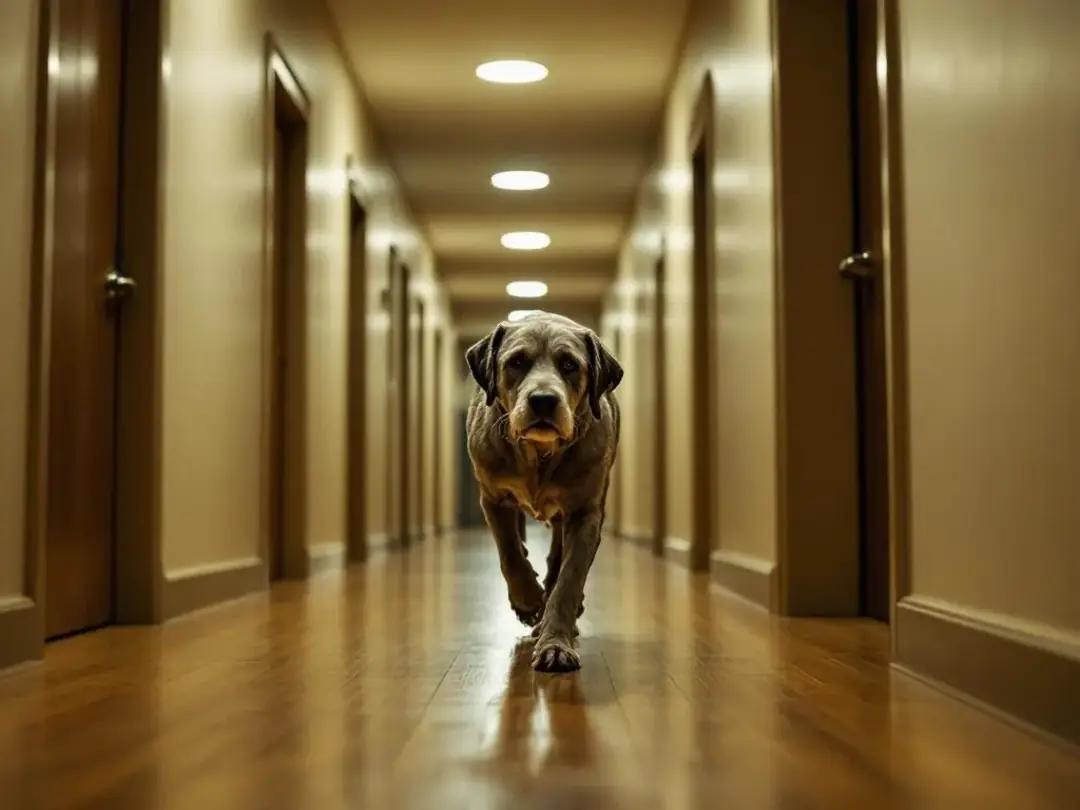
A dog who has lived in the same house for years should know the route from their bed to the garden door. When that familiar journey becomes difficult, I would make a note of it. Some older dogs wander into the wrong room, approach the hinge side of a door or appear unable to work out where a familiar doorway is.
This can be a sign of spatial disorientation, particularly when it happens alongside other cognitive changes. Keep the furniture layout consistent and make familiar routes as clear as possible. I'd arrange a vet appointment this week rather than assuming this is normal ageing. If the confusion develops abruptly, ring the vet today. The PDSA's dementia guidance includes getting lost in familiar places among the recognised signs.
Changes in Sleep Patterns and Nighttime Restlessness
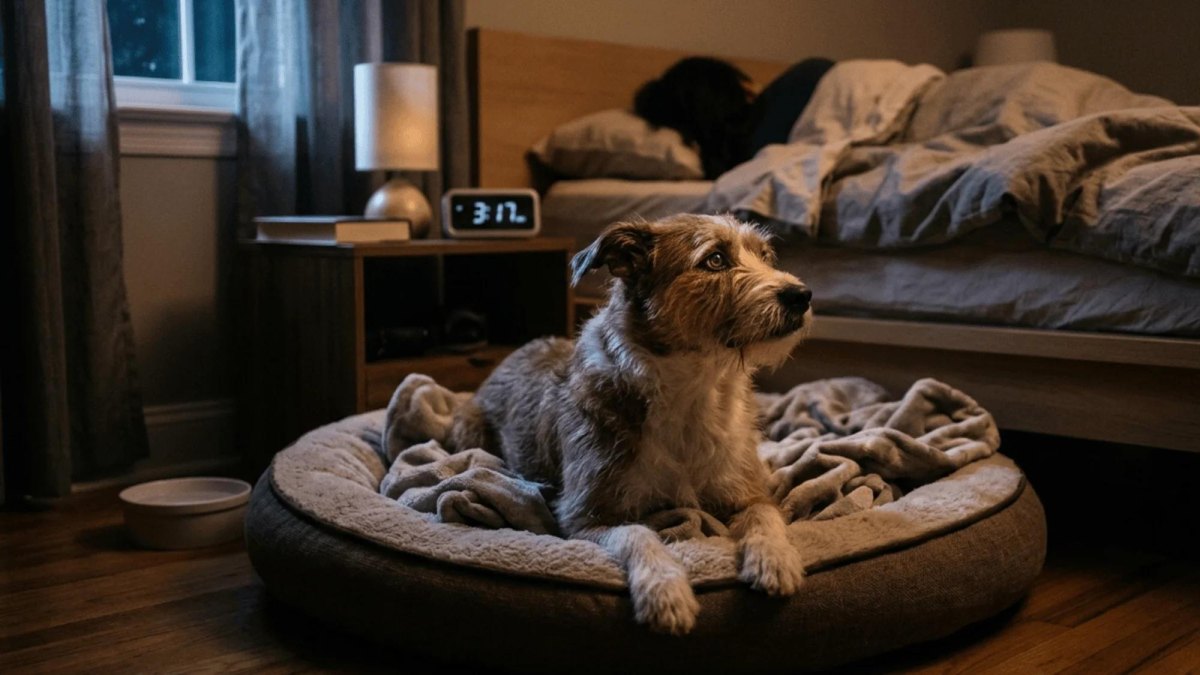
Sleep changes are among the signs I would particularly want owners to notice. A dog who once settled comfortably through the night may start waking, wandering around the house or asking to go outside repeatedly. They might then sleep for much of the following day, leaving the household wondering what has happened to their usual routine.
This reversal of the normal sleep-wake cycle is a recognised feature of canine cognitive dysfunction. Night-time whining, unsettled sleep and repeated pacing may accompany it. Keep a simple record of bedtime, waking times and daytime naps. Book an appointment this week if the pattern develops gradually. Ring your vet today if your dog suddenly cannot settle or appears painful or unwell. AAHA's senior-care guidance discusses sleep disruption in older dogs.
Increased Barking, Whining, or Unusual Vocalization
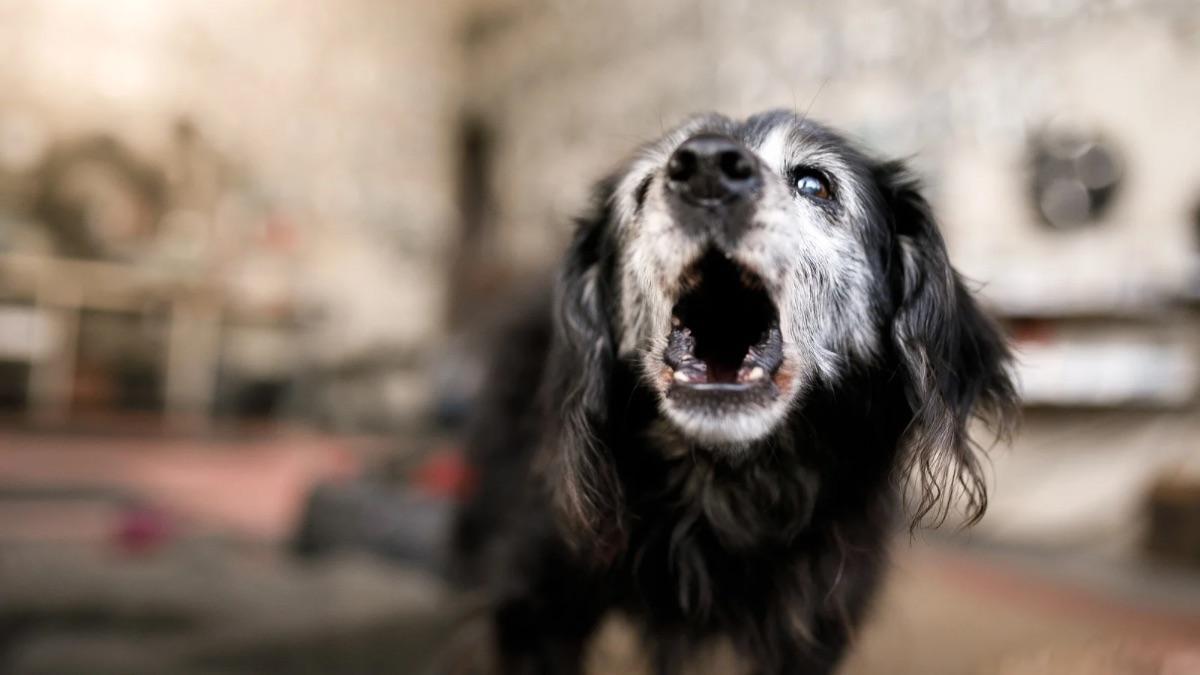
Some older dogs become noticeably more vocal. You might hear barking at an empty hallway, whining after bedtime or howling when there is no obvious reason for it. A dog who was previously quiet may start making noises at unusual times, particularly during the night.
Changes in vocalisation can accompany confusion and anxiety associated with cognitive decline. But I would not automatically attribute barking or whining to dementia. Dental pain, arthritis, hearing changes, discomfort and other illnesses can also cause it. Record when the noises occur and what is happening around your dog. Arrange a vet appointment this week for persistent new vocalisation, or ring today if it begins suddenly alongside distress. The PDSA guide to dementia in dogs identifies increased barking and vocalisation as possible symptoms.
Forgetting Familiar Commands and Previously Learned Behaviors
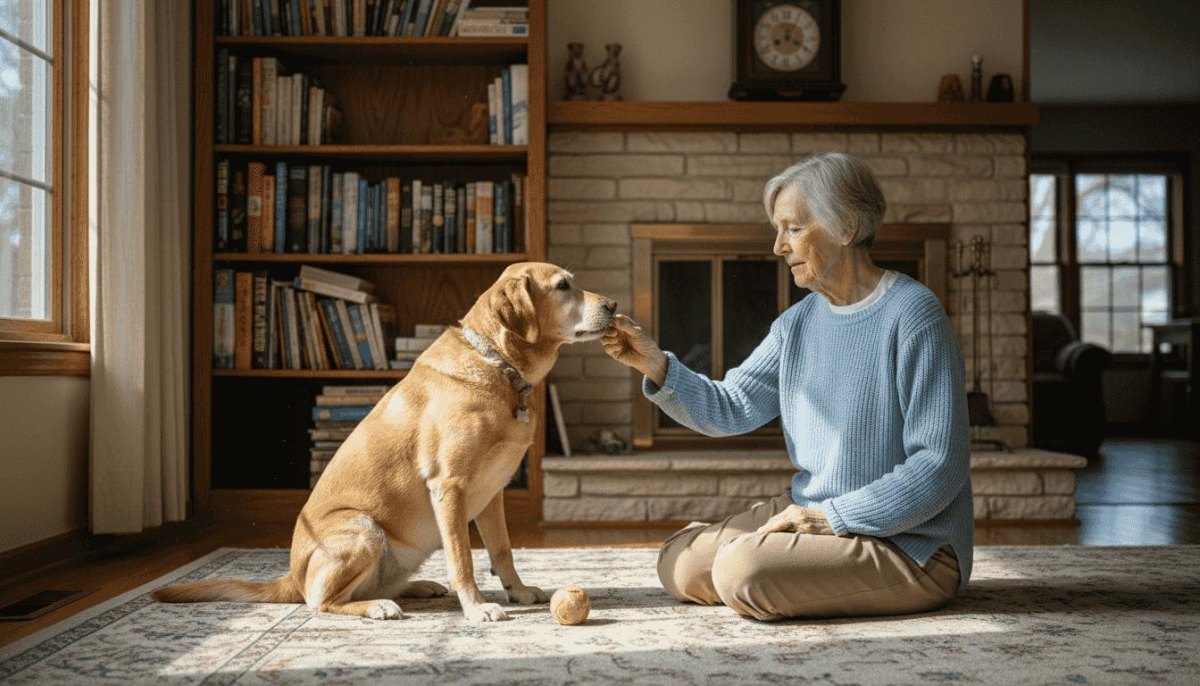
It can be unsettling when a dog who has responded to familiar everyday cues for years suddenly seems unable to understand them. They might no longer respond to a familiar instruction or appear uncertain about a routine they have followed hundreds of times.
This may reflect changes in memory and learning ability, both recognised areas of canine cognitive dysfunction. It is worth distinguishing this from hearing loss, poor eyesight or a change in physical ability. For example, a dog with painful joints may understand what is being asked but struggle to carry it out. Book a veterinary appointment this week for gradual changes, or ring today if the loss of responsiveness is sudden. I leave behaviour and obedience training to qualified trainers, but a new loss of previously established abilities deserves a medical assessment. Cornell's cognitive dysfunction information includes changes in learned behaviours.
Loss of House Training and Accidents Indoors
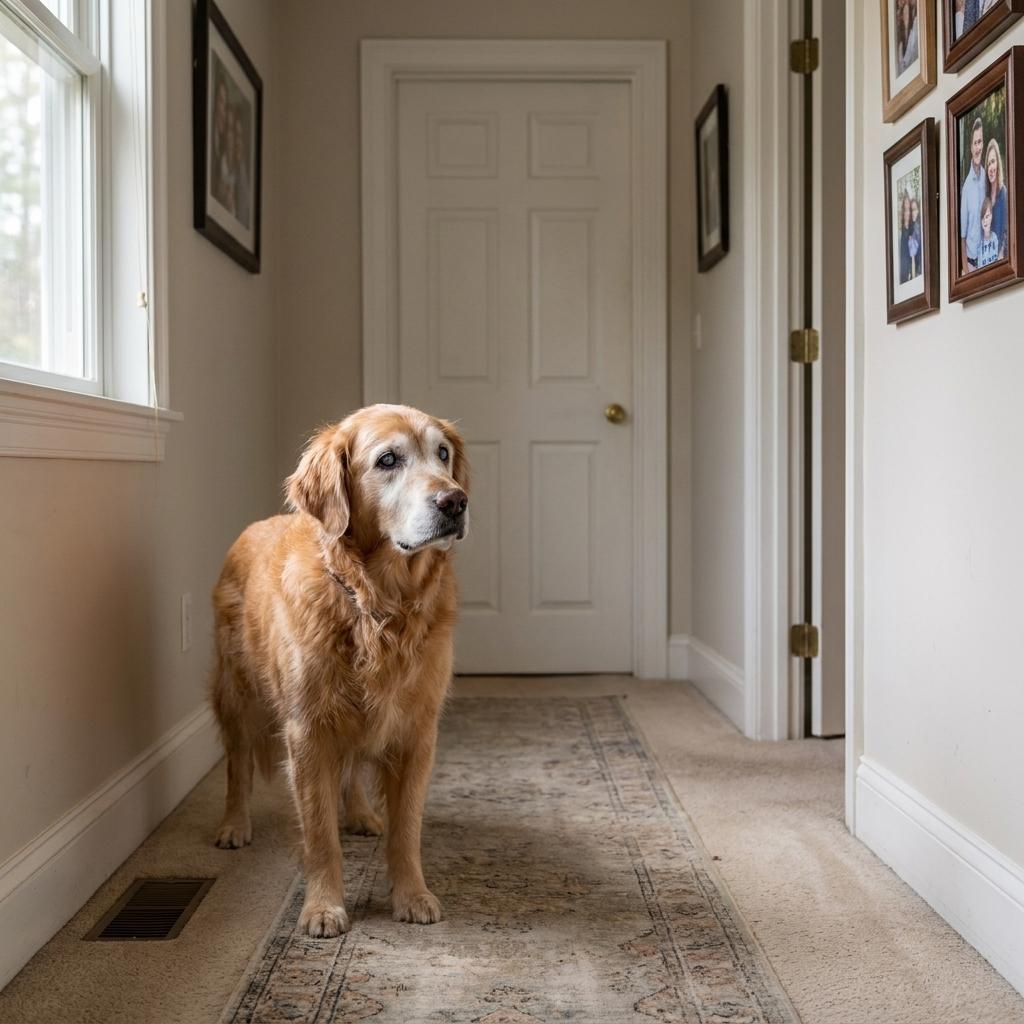
One of the more upsetting changes for owners is discovering an indoor accident when their dog has been reliably house-trained for most of their life. It might happen shortly after a garden visit, beside the usual door or even where the dog sleeps. Sometimes they simply stop indicating that they need to go outside.
Loss of house training is a recognised symptom of canine cognitive dysfunction. A dog may forget the familiar toileting routine or become confused about where to go. However, urinary infections, kidney disease, diabetes, digestive problems and age-related incontinence can also cause accidents. I would arrange a veterinary appointment promptly rather than assuming dementia. Ring your vet today if there is blood in the urine, repeated straining or discomfort. Straining to urinate without producing urine is an emergency and means going straight to veterinary care. The PDSA explains the connection between cognitive dysfunction and house-soiling.
Staring Blankly at Walls or Into Empty Spaces
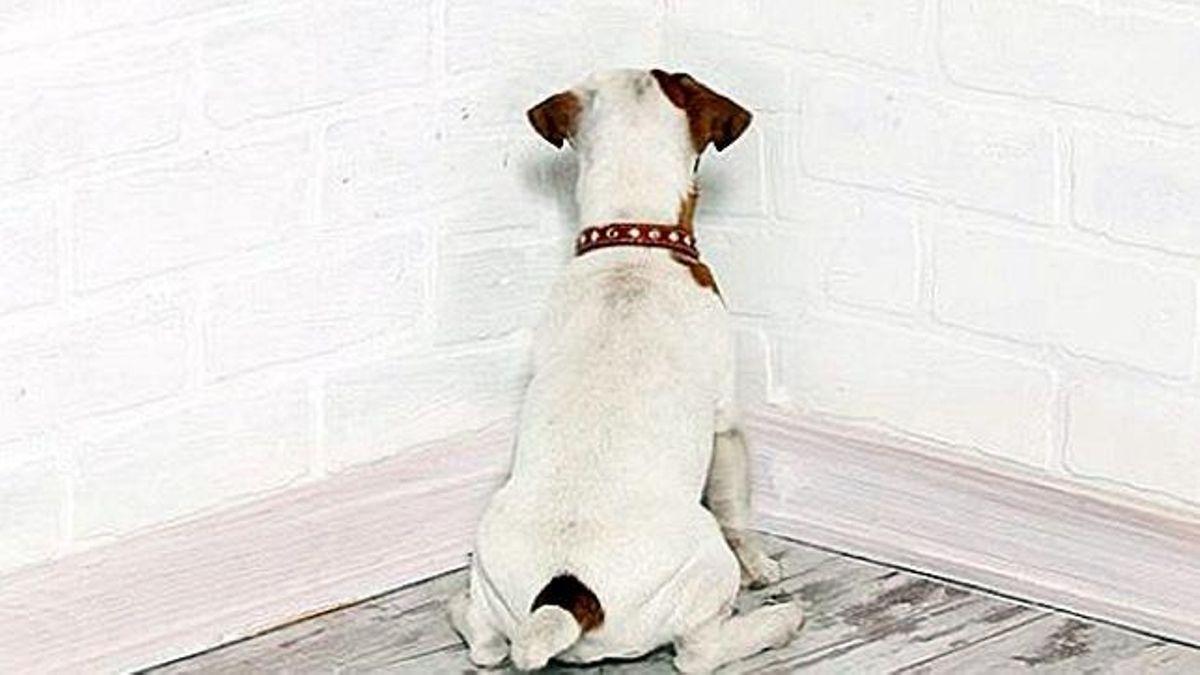
I've always thought that a dog's expression tells you a great deal, particularly when you know them well. An older dog who repeatedly stands staring at a wall, floor or empty corner may be experiencing something quite different from ordinary resting or watching a passing shadow.
Persistent staring can be associated with disorientation and altered awareness. It is particularly worth mentioning when accompanied by getting lost, pacing or changes in social interaction. There are other possible explanations, including visual impairment and neurological disease. Book an appointment this week if the behaviour is recurring. If staring comes with a seizure, collapse or sudden loss of awareness, seek emergency veterinary care immediately. Cornell identifies staring into space as one possible sign of cognitive dysfunction.
Getting Stuck Behind Furniture or in Corners
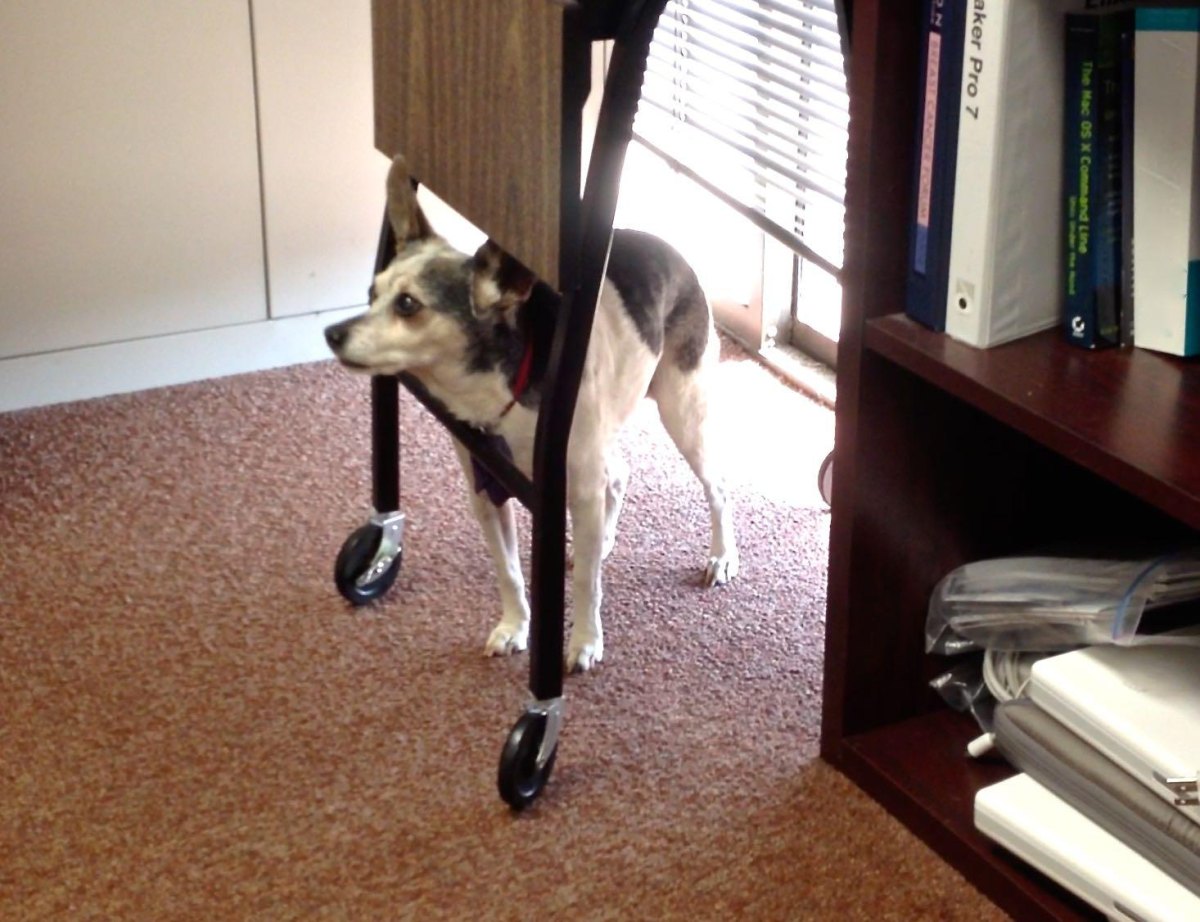
Imagine your dog walking behind the sofa and then appearing unable to work out how to come back out. They may stand in a corner, shuffle around repeatedly or wait for you to help them. This is not necessarily stubbornness or a lack of physical strength.
Some dogs with cognitive dysfunction experience difficulty with spatial problem-solving. They may no longer recognise an obvious route around furniture or understand how to reverse out of a tight space. Make sure there are clear walking routes and block access to awkward gaps where your dog could become trapped. I'd book an appointment this week if this is a new, recurring problem. Sudden inability to move, severe weakness or collapse needs immediate veterinary attention. Cornell specifically includes getting stuck in corners among the signs of senior dog dementia: Cornell's senior dog dementia guide.
Reduced Interest in Family Members and Social Interaction
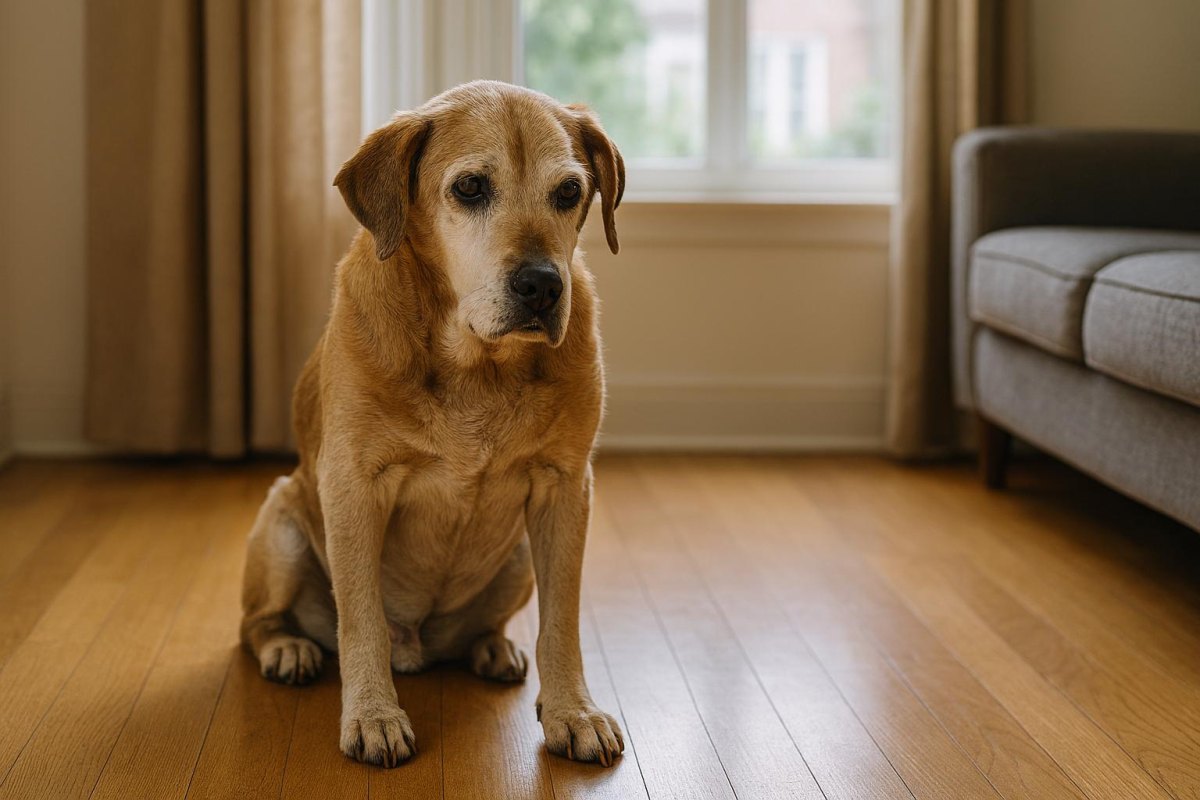
A change in the way your dog interacts with the household can be particularly difficult to notice because it often happens gradually. Perhaps they no longer come to greet you at the door, prefer lying in another room or seem less interested when familiar family members sit beside them.
Changes in social behaviour are part of the interaction category in the DISHAA framework. Some dogs become less sociable, while others become more dependent on particular people. Pain, reduced hearing, impaired sight and general illness can also affect how much interaction a dog wants. If the change is gradual, arrange a vet appointment this week. If your dog suddenly becomes withdrawn and unwell, ring today. The AAHA senior-care guidelines recognise reduced interaction as a common clinical sign.
Increased Clinginess and Separation Anxiety
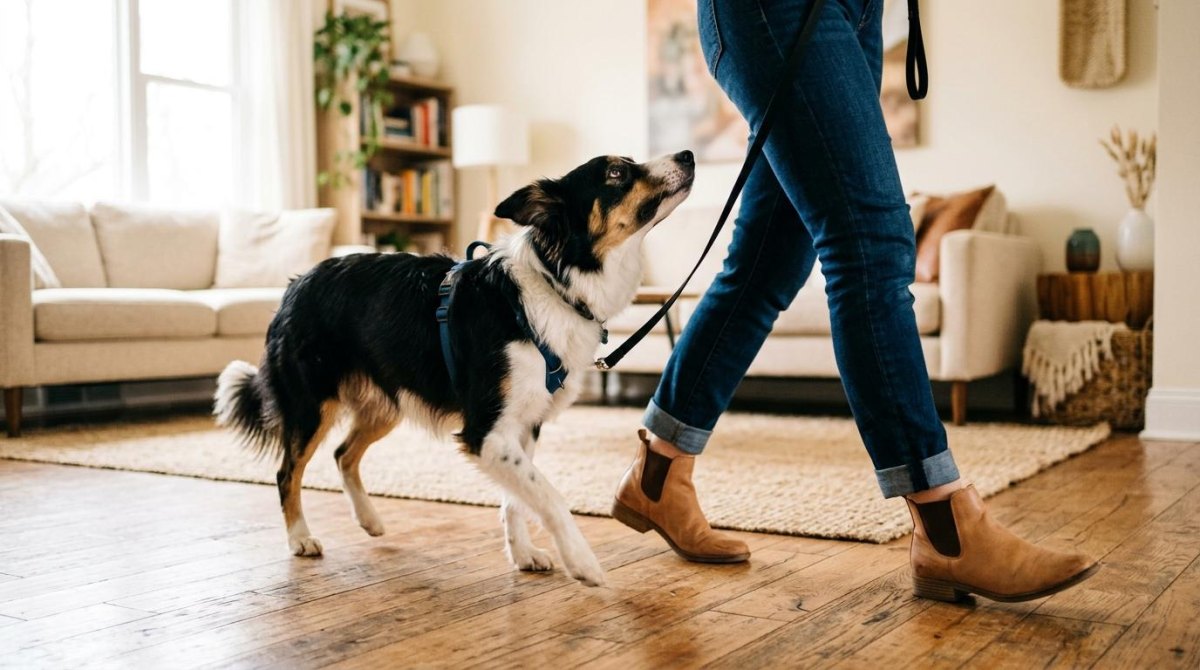
Not every dog with cognitive decline becomes distant. Some become much more attached to their owners. They may follow you from room to room, become unsettled when you leave their sight or struggle to settle when left alone.
This change can reflect increased anxiety and altered social behaviour. Your dog may find familiar situations less predictable than before, making reassurance from a trusted person particularly important. Keep daily routines consistent and note when the clinginess occurs. Book an appointment this week if it is a new, persistent pattern. Sudden severe distress accompanied by physical symptoms deserves a same-day veterinary call. If the vet rules out medical causes and anxiety remains a concern, a qualified clinical behaviourist can help with the behavioural side. Cornell also describes increased clinginess as a possible interaction change in older dogs: Cornell's cognitive dysfunction guidance.
Loss of Interest in Favorite Toys and Activities
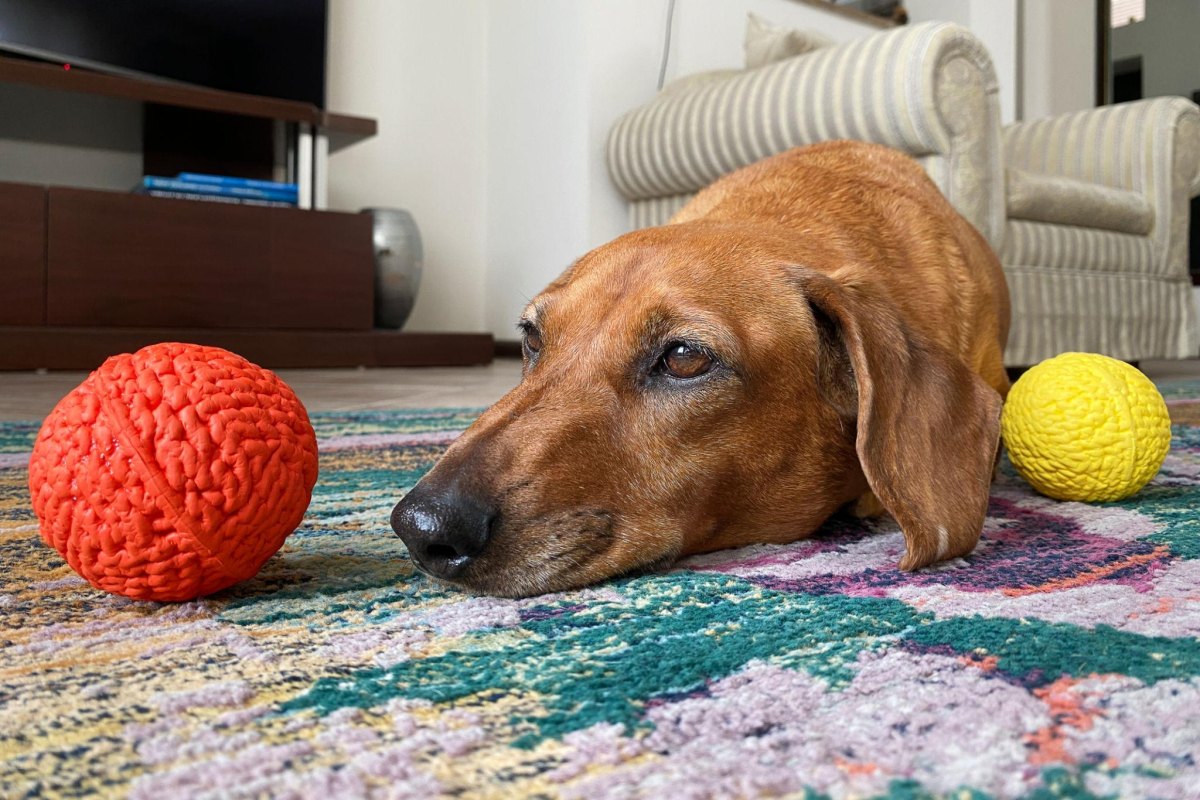
When a dog who once enjoyed a favourite toy, garden game or familiar walk begins showing little interest, I would take notice. It may be a gradual reduction in enthusiasm rather than a complete loss of interest. The dog might look at a toy without engaging or spend more time resting than exploring.
Reduced activity and loss of interest in enjoyable activities can accompany cognitive decline. However, arthritis, heart disease, respiratory problems and other age-related conditions can make movement or play uncomfortable. This is particularly important in larger breeds and dogs with existing joint problems. I'd book a veterinary appointment this week to investigate the change. If your dog suddenly cannot exercise, collapses or struggles to breathe, seek emergency help. The PDSA's dementia information includes reduced interest in activities among the possible signs.
Changes in Appetite and Eating Habits
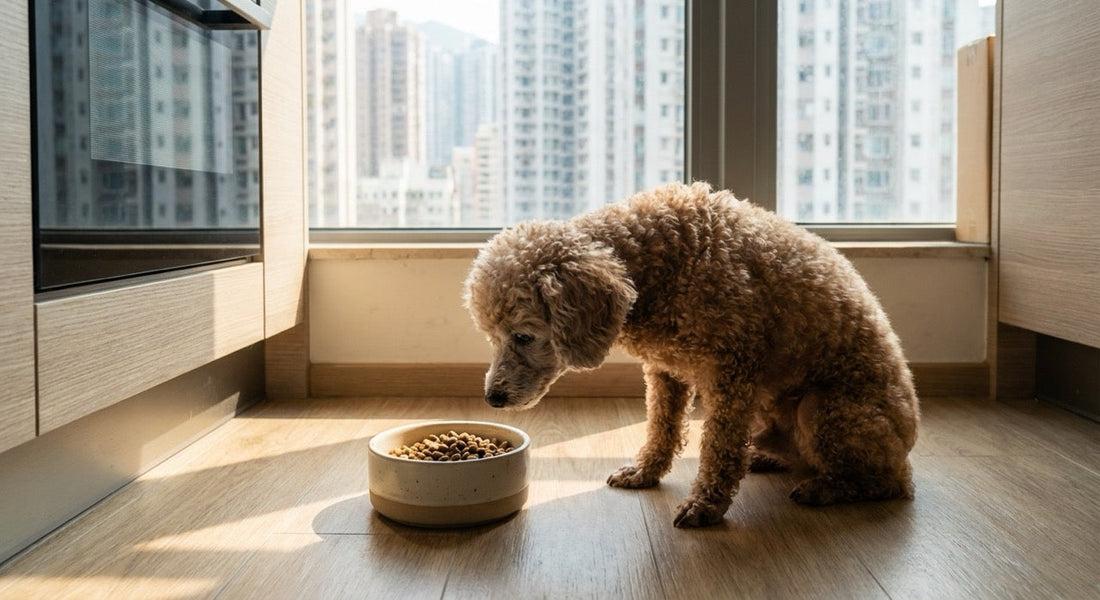
Food habits can change in older dogs for several reasons. Your dog might leave meals unfinished, seem to forget that they have eaten or become less interested in food they previously enjoyed. Some may appear hungry again shortly after a meal.
Appetite changes can occur alongside cognitive dysfunction, but they are not specific to dementia. Dental disease, nausea, kidney problems, hormonal conditions and medication effects are all possibilities. I would not start changing foods repeatedly or adding supplements without veterinary advice. Arrange an appointment this week for a gradual appetite change. Ring your vet today if your dog stops eating and appears unwell, is repeatedly vomiting or cannot keep water down. The AAHA guidance also recognises appetite changes as a possible accompanying sign.
Repetitive Pacing and Aimless Wandering
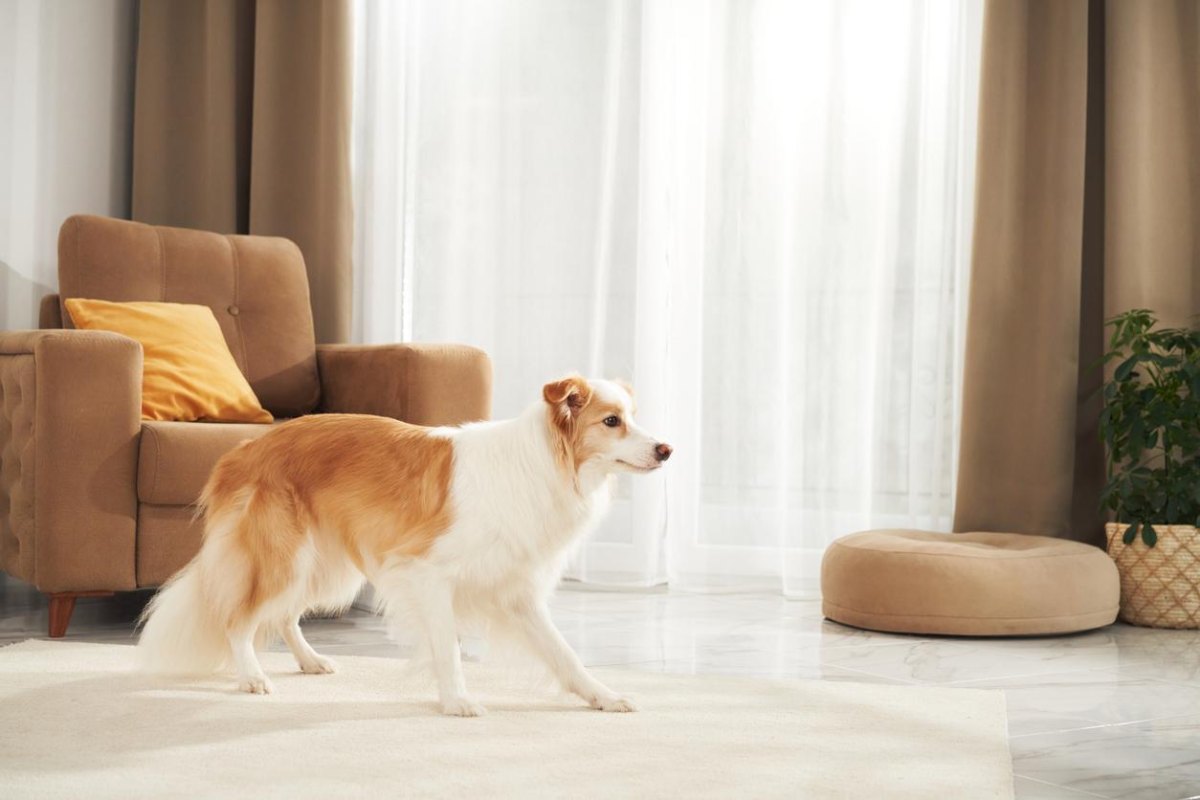
There is a difference between a dog walking purposefully towards the garden and one who repeatedly wanders around the same rooms without an obvious destination. You might notice your dog walking back and forth, circling a room or repeatedly retracing the same route.
Repetitive movement and aimless wandering are associated with changes in activity levels in canine cognitive dysfunction. They may be more noticeable at night, particularly when the dog's normal sleeping pattern has changed. Keep pathways clear and record how often the pacing happens. Book an appointment this week if it is becoming a regular behaviour. If the pacing is sudden and accompanied by a swollen abdomen, unsuccessful retching or marked distress, treat it as an emergency because bloat can be life-threatening. The PDSA lists pacing and wandering among recognised symptoms of dog dementia.
Difficulty Recognizing Familiar People and Pets
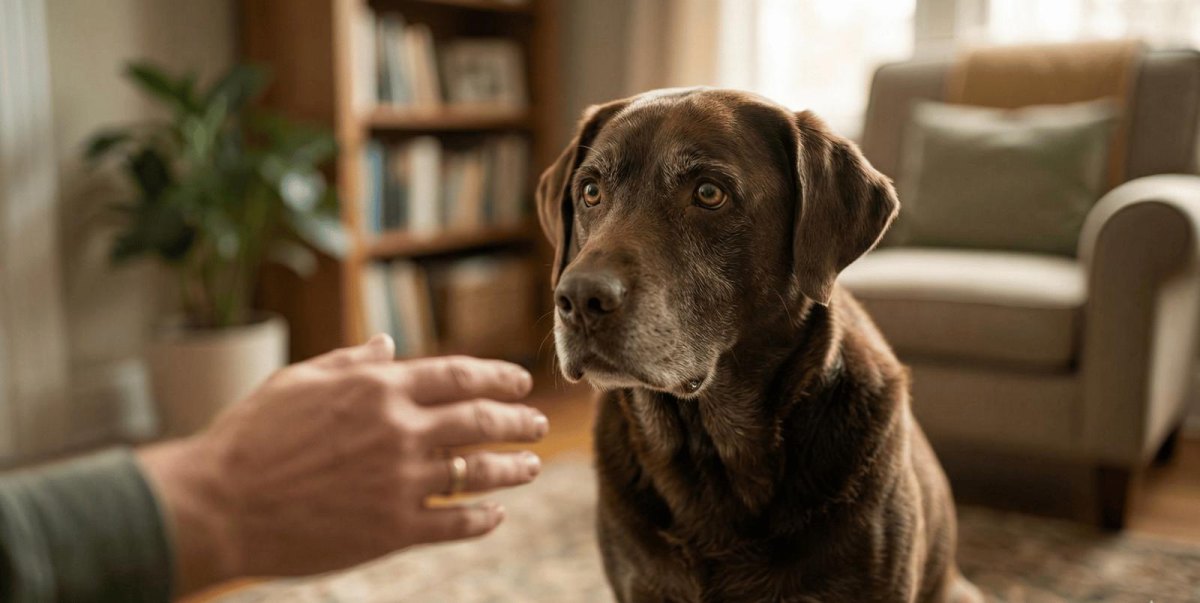
Perhaps one of the hardest changes to watch is a dog who appears uncertain around someone they have known for years. They may not greet a familiar family member in their usual way, seem hesitant around another household pet or react as though a familiar visitor is a stranger.
This can be related to changes in recognition and social processing associated with cognitive dysfunction. It does not necessarily mean your dog has completely forgotten the person. Reduced sight, hearing or smell can also make recognition harder, particularly in very old dogs. Arrange a veterinary appointment this week if you notice a recurring change. If a sudden change is accompanied by neurological signs or severe illness, ring the vet immediately. Cornell's senior dog dementia information discusses dogs failing to recognise familiar people and animals.
Decreased Response to Familiar Sounds and Their Name
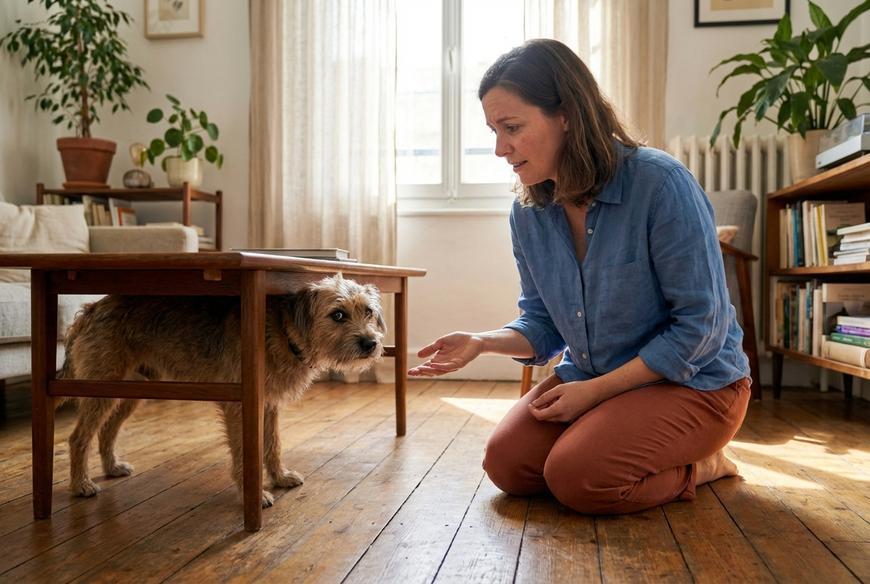
When a dog stops responding to their name, a familiar household sound or someone entering the room, it is tempting to assume they are simply becoming forgetful. That is one possibility, but I would first want to know whether their hearing has changed.
Reduced responsiveness can occur with cognitive disorientation, but age-related hearing loss and other sensory changes are important alternatives. A dog may also be less responsive because of pain, illness or medication effects. Make a note of which sounds still get a response and arrange a veterinary appointment this week. A sudden loss of responsiveness, particularly with collapse or abnormal movements, requires immediate assessment. The BSAVA ageing canines booklet discusses reduced responses to familiar sights and sounds as a possible sign of cognitive change.
Unusual Irritability, Anxiety, or Personality Changes
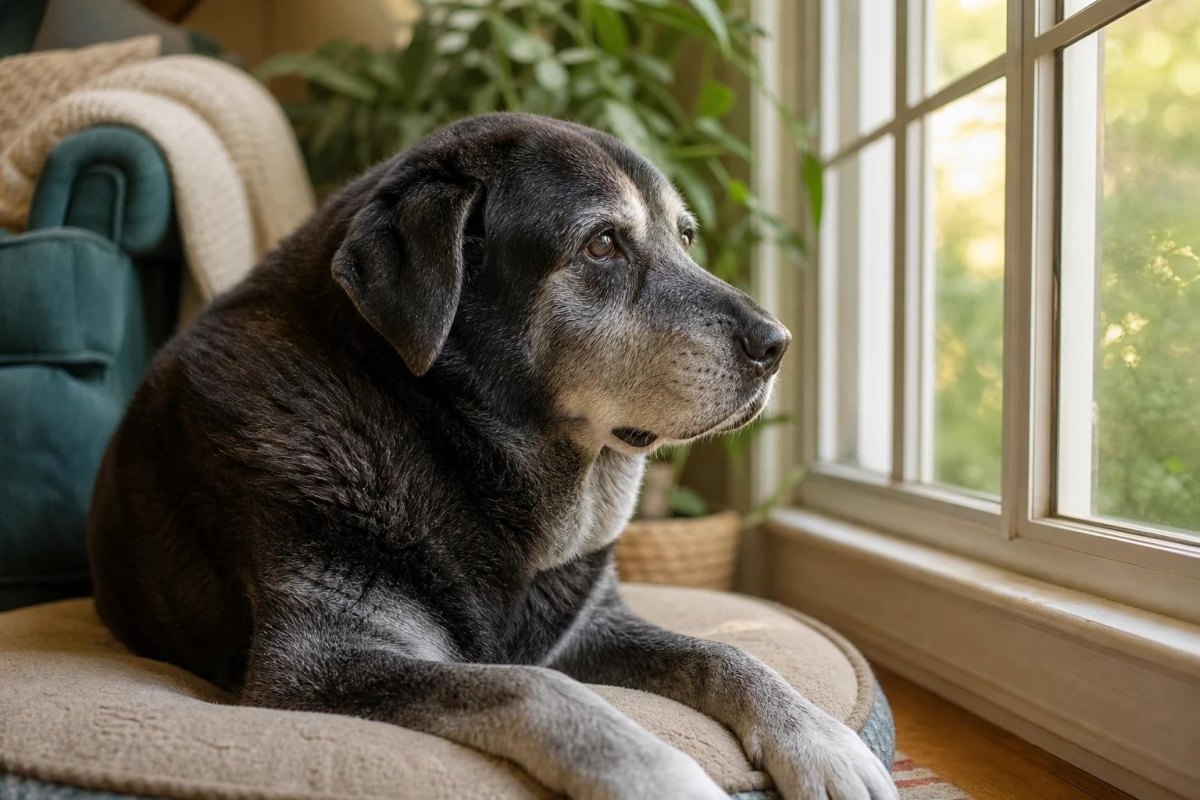
Owners often know when their dog is not quite themselves. A previously relaxed dog may become nervous in ordinary situations, react more strongly to familiar household noises or appear irritated when approached. Others develop new fears or become unsettled by changes that never bothered them before.
These changes may reflect altered emotional responses associated with cognitive dysfunction. They can also be caused by arthritis, dental pain, impaired vision, hearing loss or other medical problems. Please do not punish a dog for an unexpected reaction or assume they are being difficult. Book a vet appointment this week for gradual personality changes, or ring today if the behaviour changes abruptly. If medical causes are excluded, a qualified behaviourist can advise on any remaining behavioural difficulties. The AAHA guidelines discuss anxiety and irritability in dogs with cognitive dysfunction.
Difficulty Navigating Stairs and Moving Through Doorways
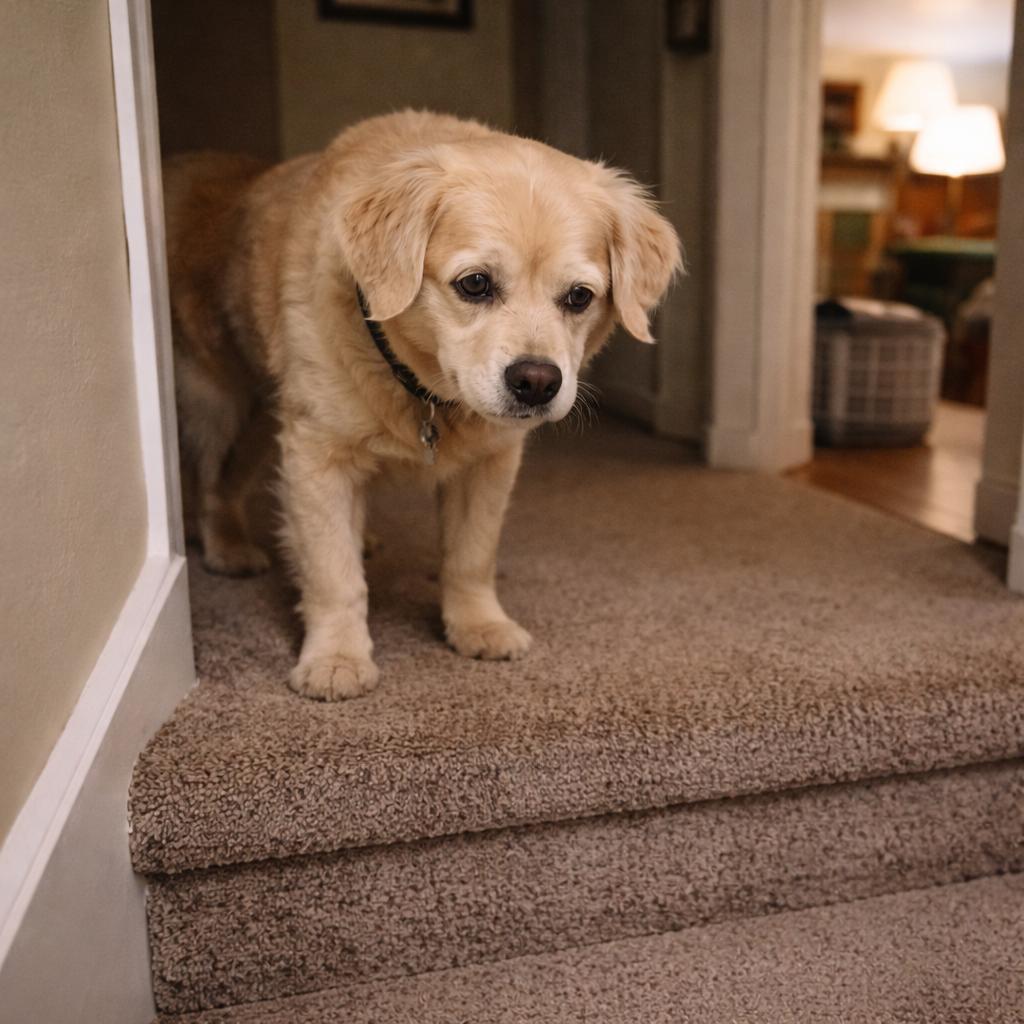
Stairs and doorways can become troublesome for older dogs, but I would be careful about attributing this particular symptom to dementia. A dog who hesitates at the bottom of the stairs may be struggling with joint pain, reduced muscle strength, impaired eyesight or difficulty judging distances.
Sometimes, however, the difficulty is more about spatial orientation than movement. Your dog might approach the wrong side of a doorway or seem uncertain about a route they have always known. These differences matter, so arrange a veterinary appointment this week. Until then, prevent unsupervised access to stairs and provide a non-slip route through the house. Sudden inability to stand or walk is an emergency, particularly when accompanied by collapse or weakness. The ASPCA's guidance on older dogs explains how mobility problems, pain and sensory impairment can resemble cognitive changes.
Reduced Awareness of Surroundings and Environmental Changes
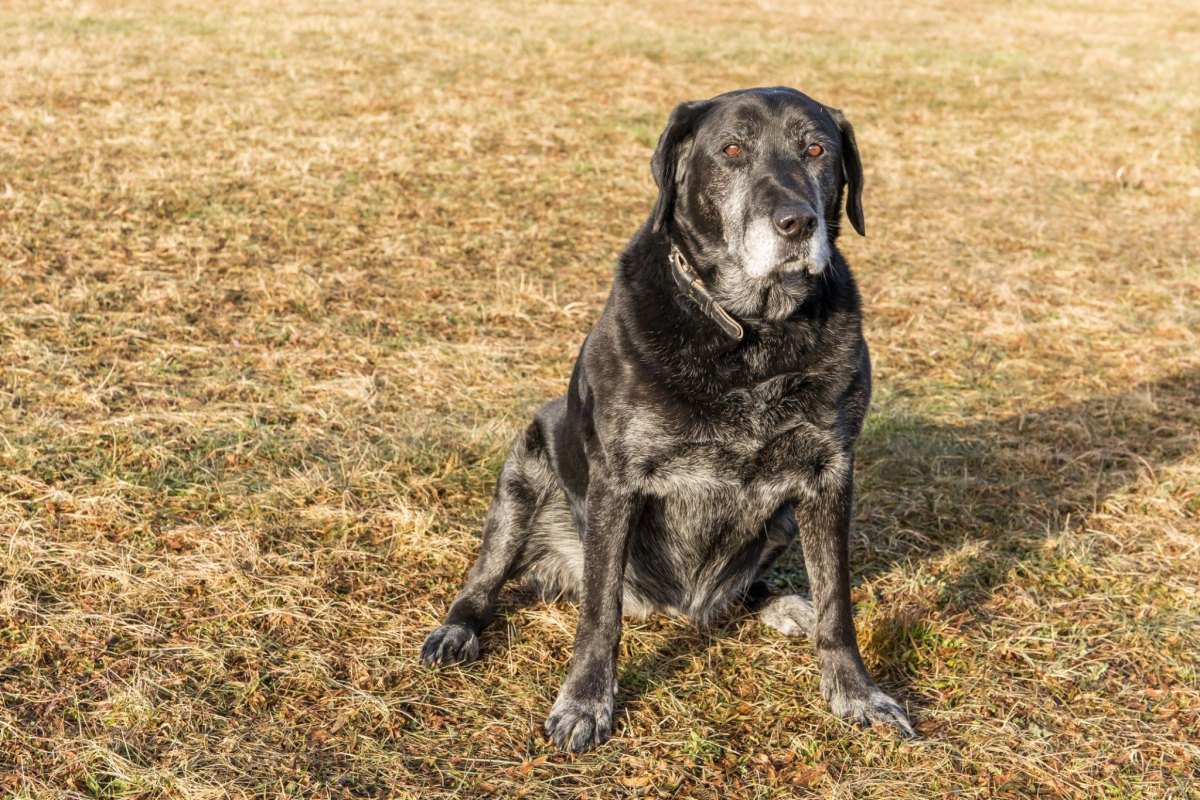
Some older dogs appear less aware of what is happening around them. They may fail to notice a familiar household activity, seem slow to react when someone enters the room or become confused when something in their surroundings changes.
Such behaviour can be linked to changes in sensory processing and awareness, but it is important not to jump to a dementia diagnosis. Hearing loss, failing eyesight and neurological conditions may create a similar picture. Keep the home layout predictable and avoid moving essential items unnecessarily. Book an appointment this week if the change is gradual. If your dog suddenly seems unaware of their surroundings, collapses or has a seizure, seek emergency veterinary care. The Cornell veterinary overview explains how cognitive changes can affect a dog's ability to process familiar information.
Decreased Self-Grooming and Changes in Daily Hygiene
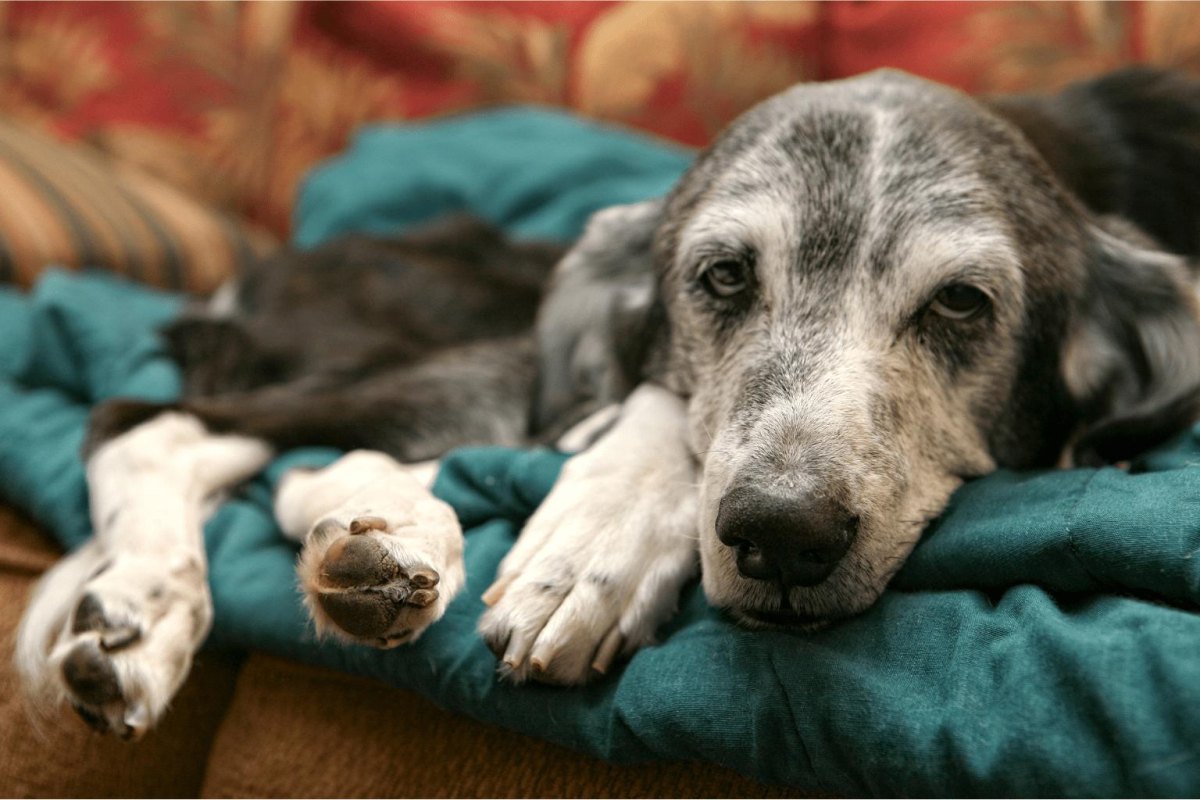
Coat condition can tell you a surprising amount about how an older dog is managing. You might notice that your dog is no longer cleaning themselves as regularly, has a messier coat or is allowing dirt and debris to accumulate. They may also struggle to maintain their usual toileting hygiene.
Reduced grooming is not one of the defining signs of canine dementia, but it can accompany reduced activity and changes in daily routines. Arthritis can make turning and reaching difficult, while dental problems, skin disease and general illness can affect grooming habits. I'd arrange a vet appointment this week if you notice a persistent change. In the meantime, use gentle, regular coat checks and seek a professional groomer if the coat becomes matted. Never attempt to cut close to the skin through mats. Veterinary assessment is more important than trying to tidy away a symptom.
Withdrawal, Reduced Engagement, and Loss of Interest in Everyday Life

Sometimes the changes are not dramatic enough to identify individually. Your dog simply seems less involved in the household. They may spend more time resting, show little interest in familiar activities or appear less curious about the garden and the people around them.
This can be associated with reduced activity and altered interaction, both recognised parts of canine cognitive dysfunction. However, persistent withdrawal can also indicate pain, depression-like changes associated with illness, heart problems or other conditions. I would book a veterinary appointment this week rather than assuming it is an unavoidable part of ageing. Ring today if your dog becomes suddenly lethargic or refuses food and water while appearing unwell. The PDSA's dog dementia guide includes low energy and reduced engagement among the possible symptoms.

More Pinterest Visuals


 Dog Food Recipes19 Homemade Dog Food Recipes for Corgis That Are Healthy and Easy to Make
 Dog Breeds6 Best Dog Breeds for City Living and Apartment Life
 Dog Grooming14 Cordless Pet Grooming Tools That Make At-Home Care Easier
 Dog Treats & NutritionHundefutter mit Ei selber machen – einfaches Rezept und wichtige Tipps