
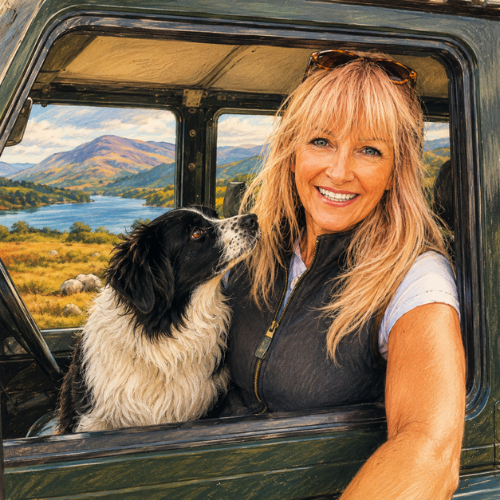
A good dog grooming station at home needn't take over a spare room or cost a fortune. In my six years running a small home grooming service, I learned that a sensible layout, suitable tools and a dog who feels secure matter far more than buying every gadget on the shelf.
Here in the Trossachs, a wet walk can leave even a respectable-looking collie carrying half the track home in her coat. I like to keep grooming equipment together, with towels ready and muddy paws dealt with before they reach the kitchen. Skye, now twelve, also reminds me that a setup must work for an ageing dog who cannot comfortably stand for long periods.
The guidance below draws on current advice from UK animal welfare organisations, including PDSA grooming guidance and Blue Cross bathing advice. I am a registered veterinary nurse, but I left clinical practice in 2016; for current medical advice, skin conditions and individual care needs, your own vet remains the right person to ask.
What I would prepare first
- A secure, non-slip grooming and bathing area suited to your dog's size.
- Coat-specific brushes, dog shampoo, towels and suitable drying equipment.
- Separate storage for sharp tools, cleaning products and first-aid supplies.
- A calm, well-lit room where you can stop whenever your dog needs a break.
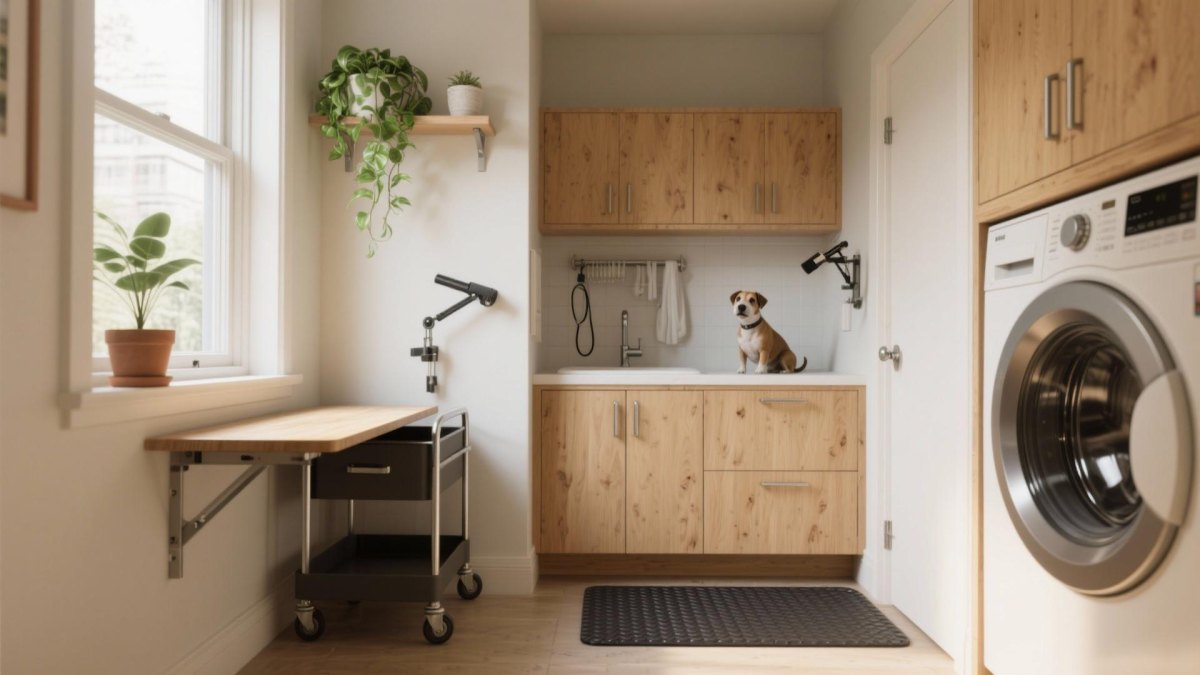
Choose a Dedicated Grooming Table
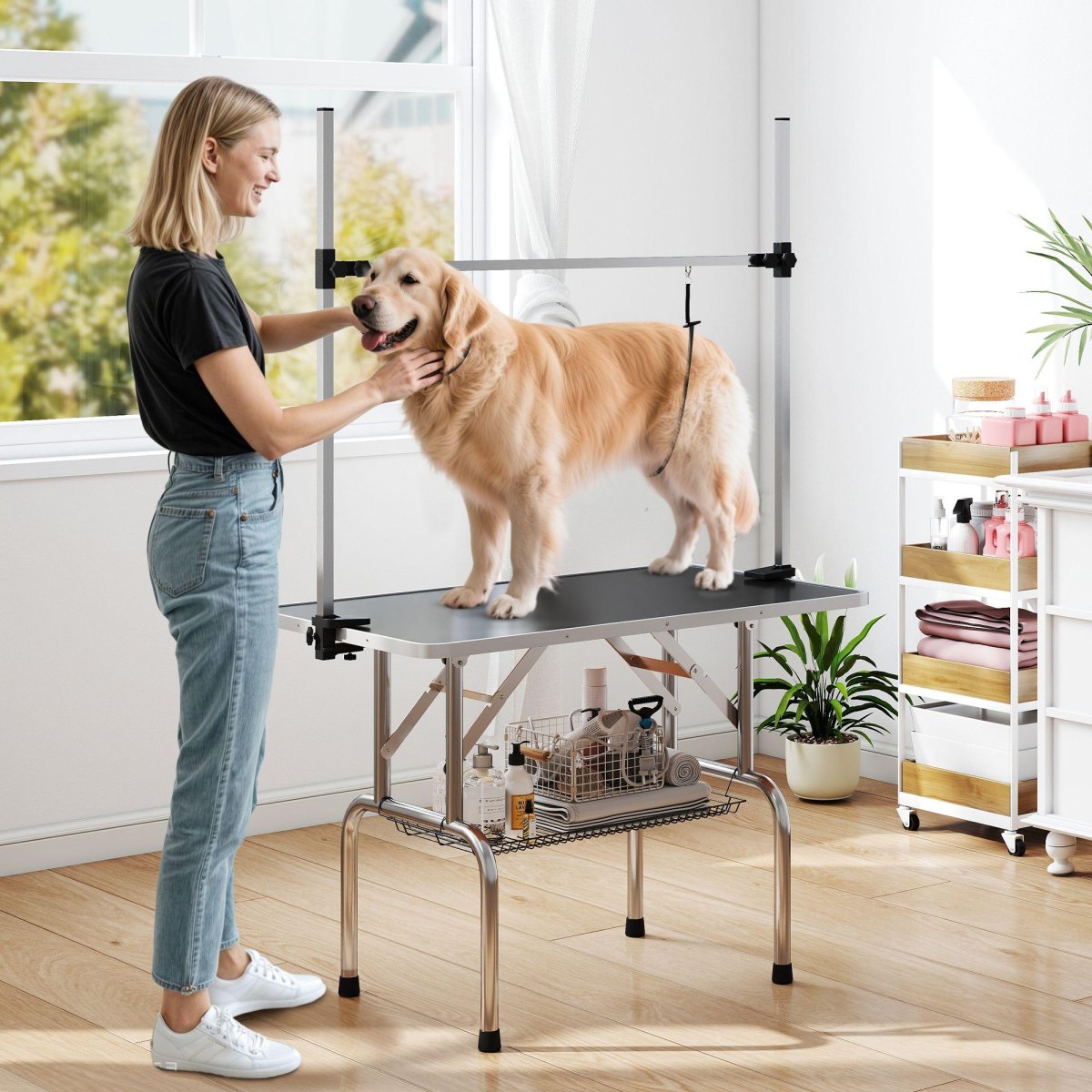
For a small or medium-sized dog who is comfortable being handled, a stable grooming table can save your back and give you a clearer view of the coat. I would look for a sturdy frame, a surface with good grip and a height that lets me work without bending awkwardly. Check the table's weight limit and make sure it cannot wobble or slide.
A table is not essential for every household. Large dogs, dogs with mobility problems and seniors such as Skye may be safer being groomed on a non-slip surface at floor level. I would never lift an older dog onto a high table simply because that is what a grooming salon uses. The PDSA grooming advice recommends choosing equipment to suit the individual animal and seeking professional help where necessary.
Install a Safe Grooming Arm and Restraint
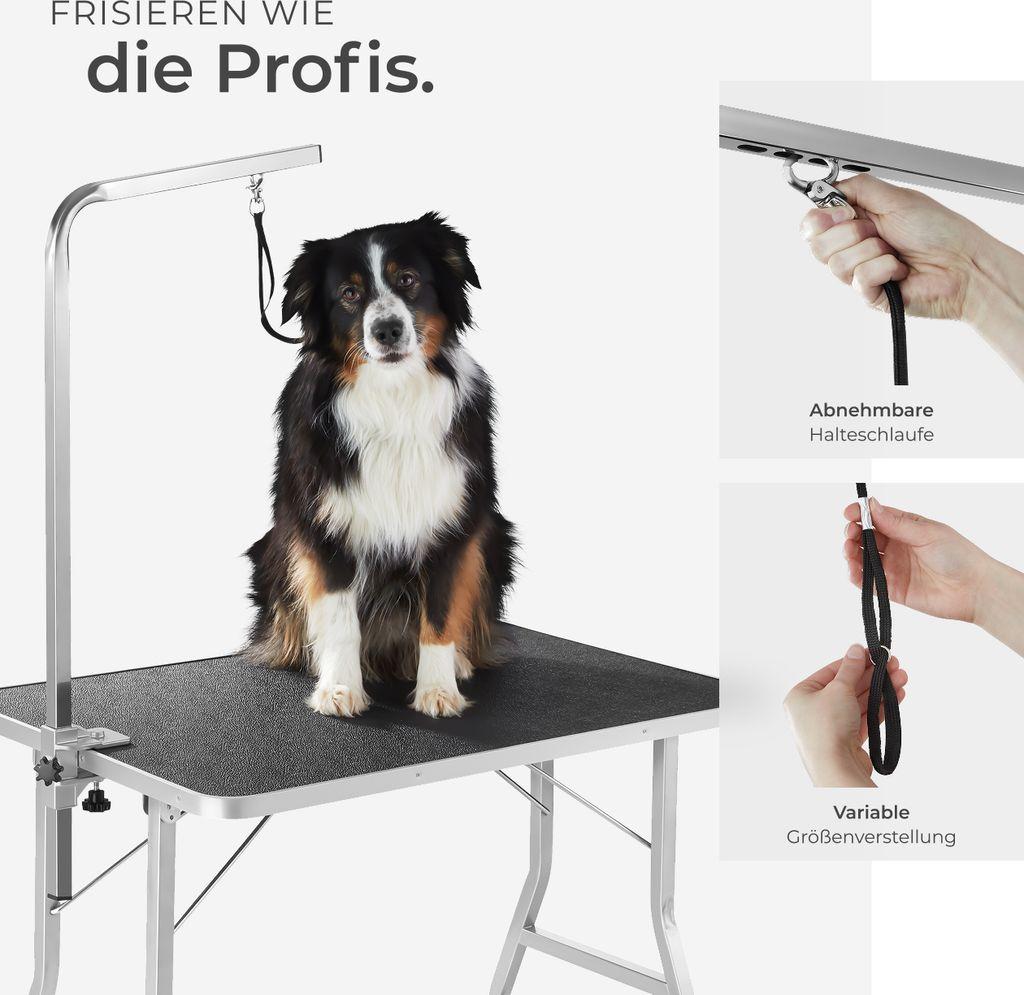
A grooming arm and suitable loop may help position a dog for a short session, but I treat them as safety equipment, not a substitute for supervision. The restraint must fit correctly and must never put pressure on the throat or interfere with breathing. Follow the manufacturer's instructions and use equipment appropriate for the dog's size and condition.
I would not leave a dog attached to a grooming arm while I fetch a brush or answer the door. A dog can slip, twist or panic in seconds. For a dog who struggles, has breathing difficulties or cannot comfortably stand, stop and speak to a reputable groomer or your vet about a safer alternative. The RSPCA's grooming guidance stresses welfare, safe handling and attentive supervision.
Organize Dog Shampoos and Conditioners

I keep bathing products together on a shelf away from the dog's reach. Choose a shampoo formulated for dogs, with a conditioner only when it is suitable for the coat and product instructions. Human shampoos can irritate canine skin, and a dog with allergies or a diagnosed skin condition may need a product recommended by their vet.
Before bathing, I check the coat for tangles because washing can tighten existing mats. Use lukewarm water, keep products away from the eyes and ear canals, and rinse thoroughly so residue does not irritate the skin. Most dogs do not need frequent baths unless their coat or circumstances call for them. Muddy paws often need only a warm-water rinse, which saves both shampoo and time. See the Blue Cross guide to bathing dogs for further practical advice.
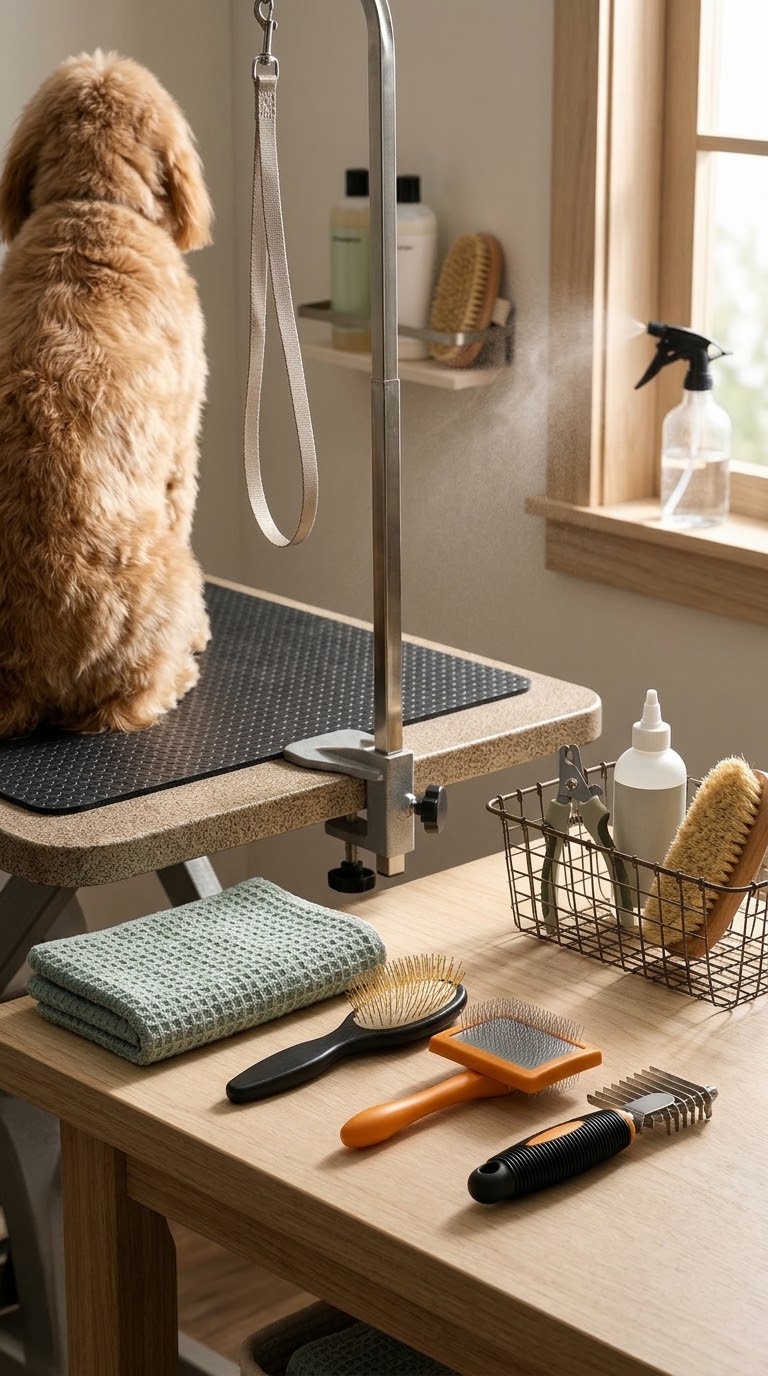
Arrange Brushes and Combs
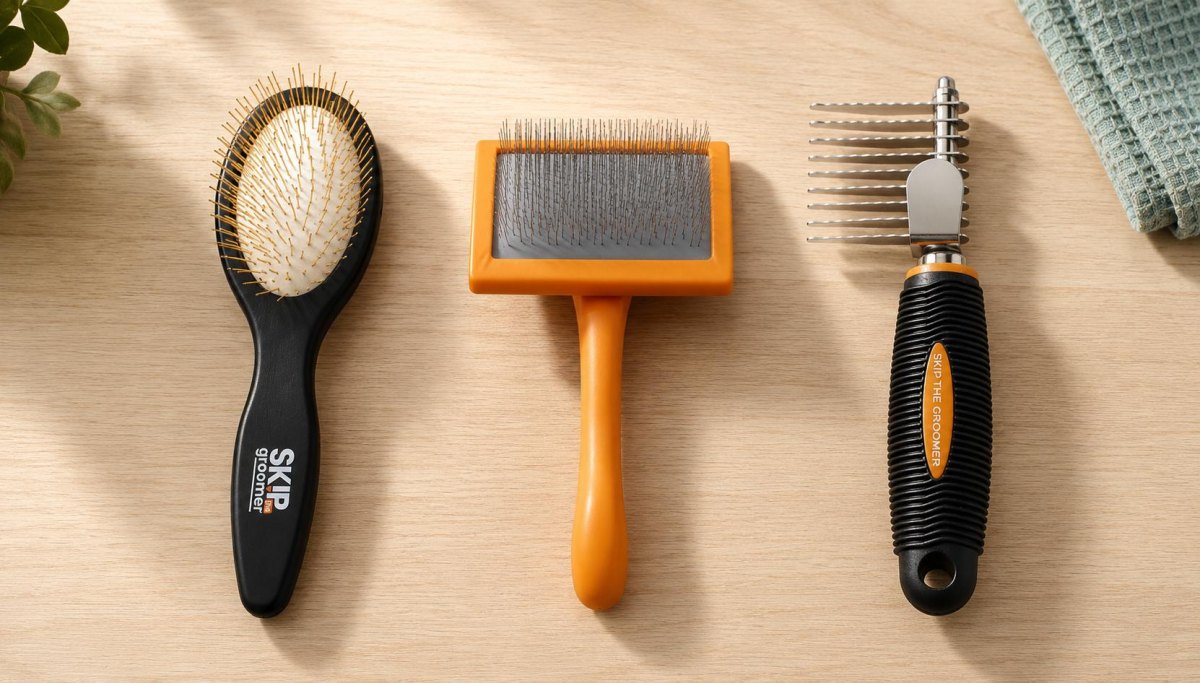
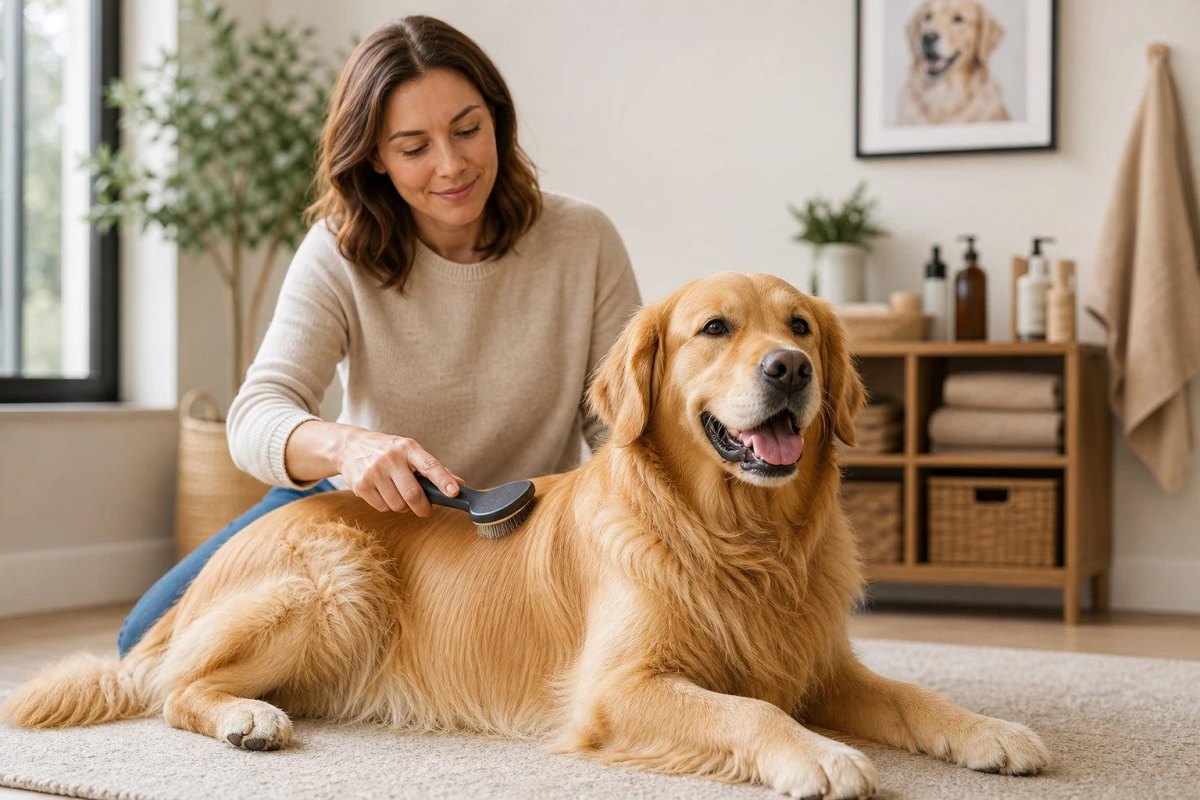
Brushes are where I would spend a little time choosing carefully. A coat-appropriate brush and comb are more useful than a drawer full of tools bought on impulse. Smooth-coated dogs often need less intensive brushing than long-coated breeds, while curly coats can knot readily and double coats need careful maintenance without indiscriminate clipping.
Long-coated dogs may need daily brushing, whereas some short-coated dogs do well with less frequent sessions. The right schedule depends on the individual coat, season and lifestyle. Work gently in small sections and check behind the ears, under the legs and around the tail, where tangles can hide. Do not pull at tight mats or cut them out with scissors against the skin; the PDSA recommends professional help for mats. A reputable groomer can show you which tools suit your dog.
Set Up a Nail-Trimming Station
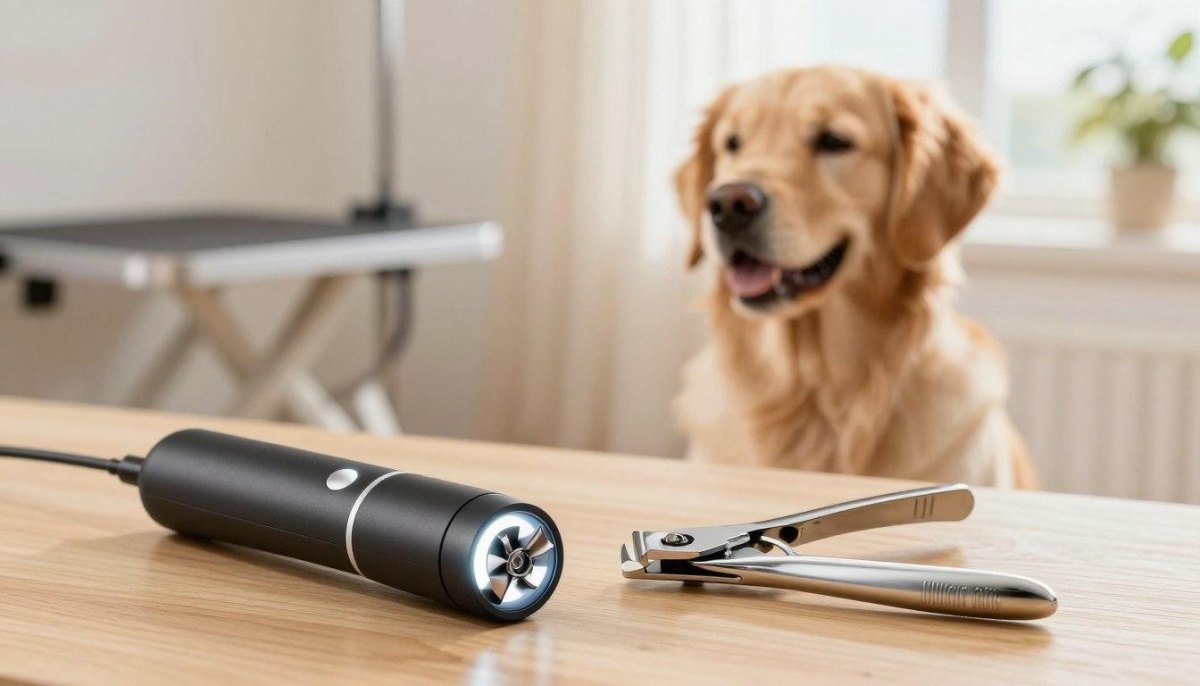
Keep dog nail clippers or a suitable nail grinder together with good lighting and a steady place for your dog to rest. Human nail clippers are not designed for canine nails. I prefer to examine each nail first and trim only a little at a time, particularly when the nails are dark and the quick is difficult to see.
If you are unsure where to cut, ask your vet or vet nurse to demonstrate the technique before trying it yourself. Dogs with arthritis, thickened nails or a history of painful handling may need professional help. Have a suitable styptic product available for minor accidental bleeding, but seek veterinary advice if bleeding is heavy or does not stop. Nail trimming should never become a wrestling match; if your dog is distressed, leave the job and arrange help.
Keep Ear-Cleaning Supplies Accessible
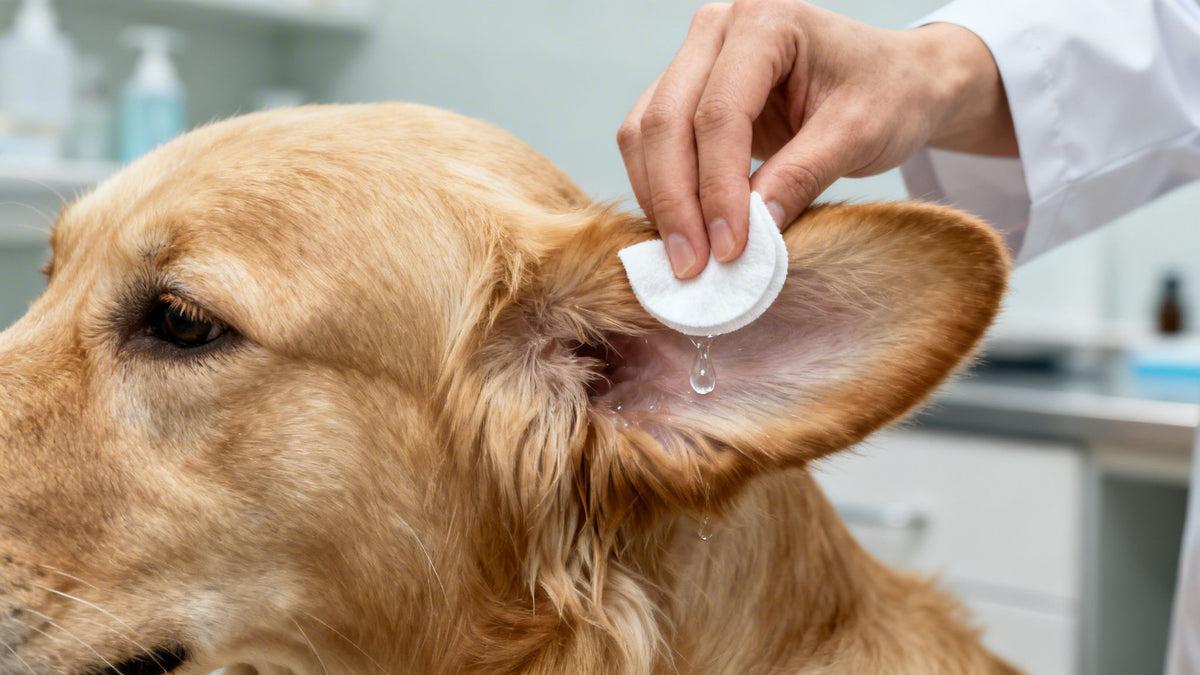
I keep soft cotton pads and a dog-specific ear cleaner in a clean container, but having supplies ready does not mean every dog needs routine ear cleaning. Some dogs rarely need their ears cleaned at all. Follow your vet's advice for your own dog's ears and only wipe areas you can see safely.
If you notice an unpleasant smell, redness, swelling, discharge, soreness or repeated head shaking, contact your vet rather than trying to clean the problem away. Do not insert cotton buds into the ear canal or pour in a household remedy. PDSA's guide to cleaning dog ears advises contacting a vet before cleaning when a problem is present. My former nursing experience makes me particularly wary of masking an ear problem with repeated cleaning.
Create a Dental-Care Corner

Dog grooming is a convenient time to keep dental supplies to hand. I would choose a dog toothbrush and dog-safe toothpaste, storing them separately from human toiletries. Never use human toothpaste: some products contain xylitol, also called birch sugar, which is toxic to dogs.
Daily toothbrushing is an excellent aim when your dog tolerates it, but start gently and let your vet show you an appropriate approach if you are uncertain. Do not force the mouth open or continue if your dog is painful. Bad breath, bleeding gums, loose or broken teeth, facial swelling or difficulty eating deserve veterinary attention. Brushing will not remove established hard tartar, so a dental check may be needed. The PDSA dental-care advice explains why regular brushing helps prevent plaque build-up.
Store Soft Towels Within Reach
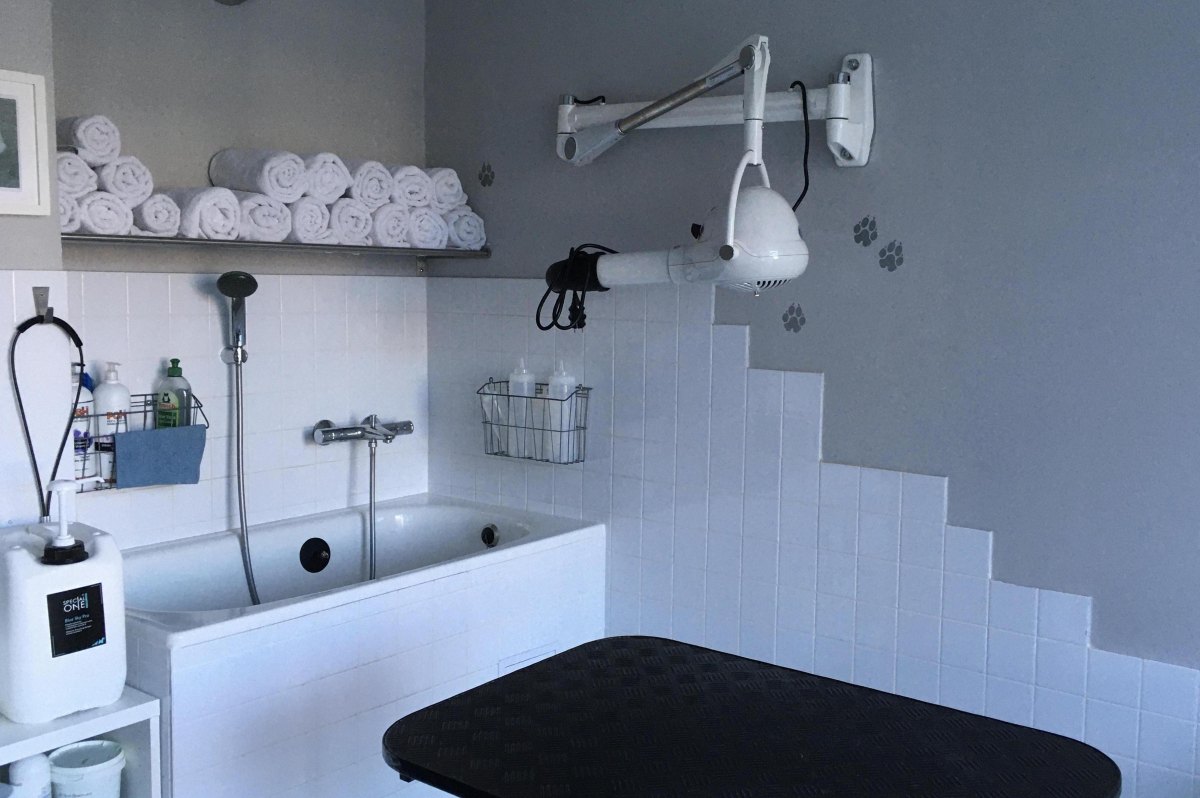
A stack of absorbent towels is one of the most useful things in a home grooming station. I keep several within reach before starting a bath, because a wet dog who has finished shaking will usually choose the moment you turn away to shake again. Microfibre towels can help remove excess water, while ordinary washable towels are perfectly practical.
Use a fresh towel when one becomes heavily soiled, and wash used towels thoroughly before putting them away dry. If your dog has skin problems or an infectious condition, ask your vet about appropriate cleaning and whether towels should be kept separate. For older dogs, I also keep a towel handy for wiping paws after wet walks without asking them to stand in the bath unnecessarily.
Add a Pet-Safe Drying Station
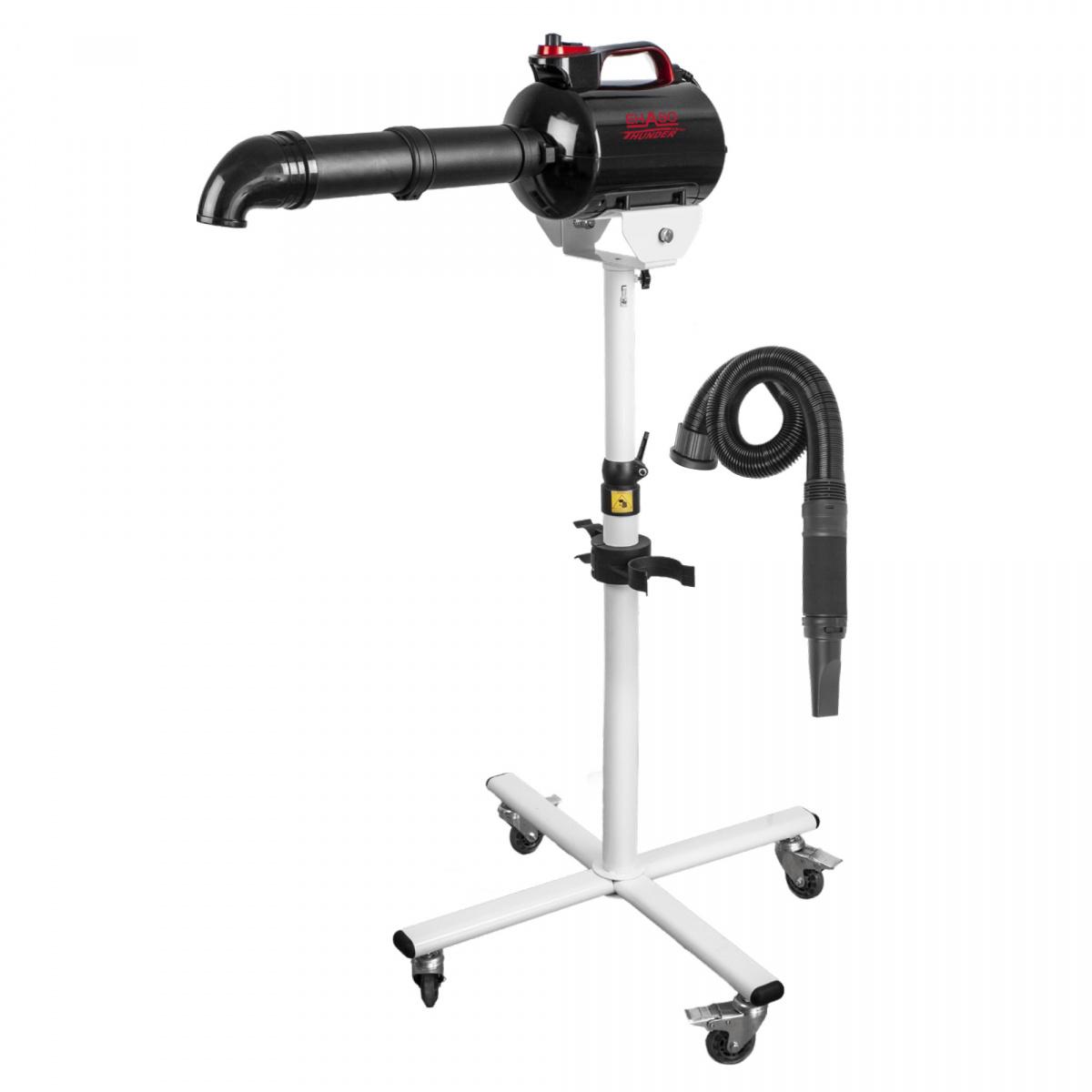
For dogs with dense or long coats, drying can take longer than the bath itself. I would choose a dryer designed for pet grooming and follow the manufacturer's directions, keeping the airflow moving and checking the dog's comfort throughout. Towel drying first reduces the amount of time spent using a dryer.
Avoid hot air directed at one patch of skin, and stop if your dog becomes distressed or overheated. Never leave a dog unattended while drying, and do not use an enclosed heated drying box. The RSPCA warns about the risks of drying equipment that prevents a dog from moving away from heat. Puppies, senior dogs and dogs with breathing or other health problems need particular care; ask your vet or professional groomer about the safest approach for them.
Use a Non-Slip Floor Mat
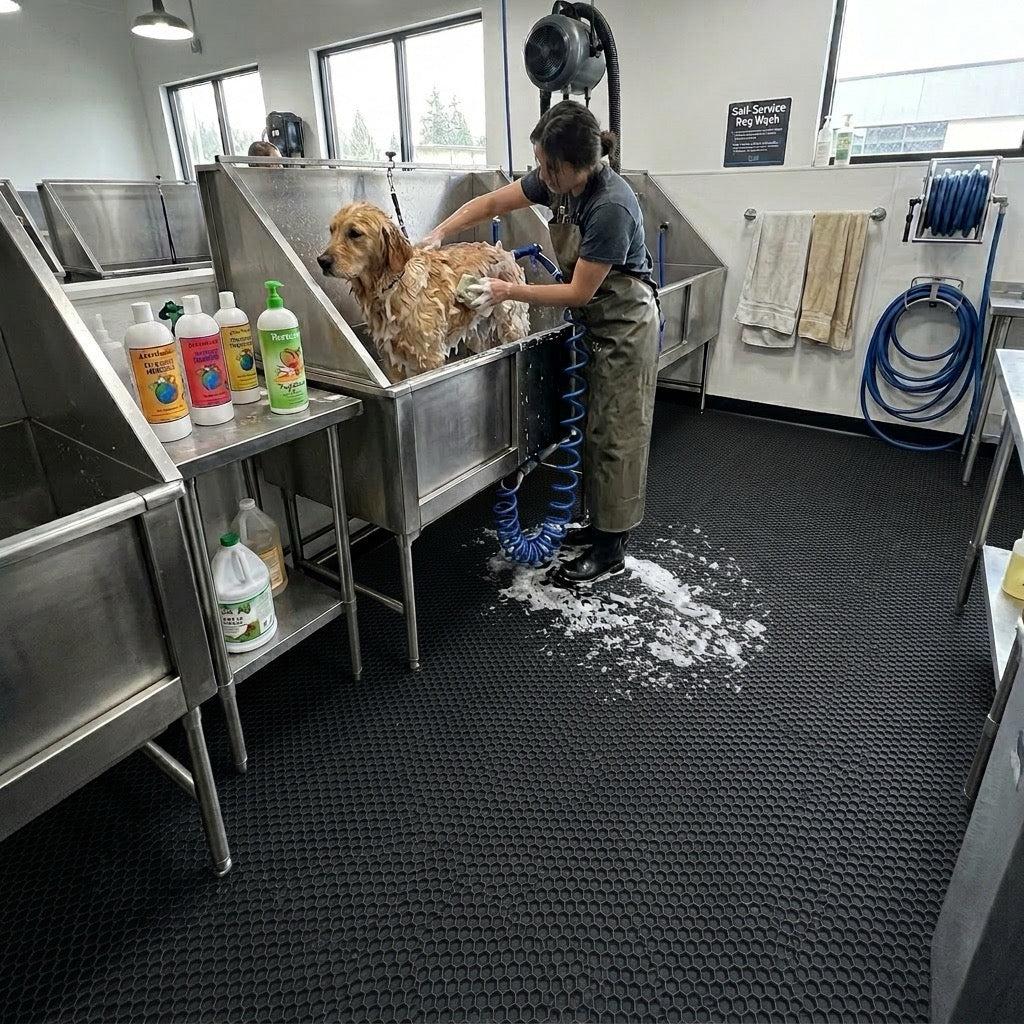
Wet tiles and an excited dog are a poor combination. A non-slip, washable mat can give your dog better footing near the bath or grooming table and help catch loose hair and splashes. Choose one that lies flat, stays in place and can be cleaned easily.
Check the mat regularly for curled edges, damaged backing or trapped moisture beneath it. A mat is useful, but it is not a guarantee against slipping, especially for dogs with arthritis or weakness in their hind legs. For Skye, comfortable footing and the ability to change position matter more than having a smart-looking grooming area. If your dog is unsteady, use a low, accessible surface and ask your vet for advice on mobility support.
Install Organized Storage Shelves
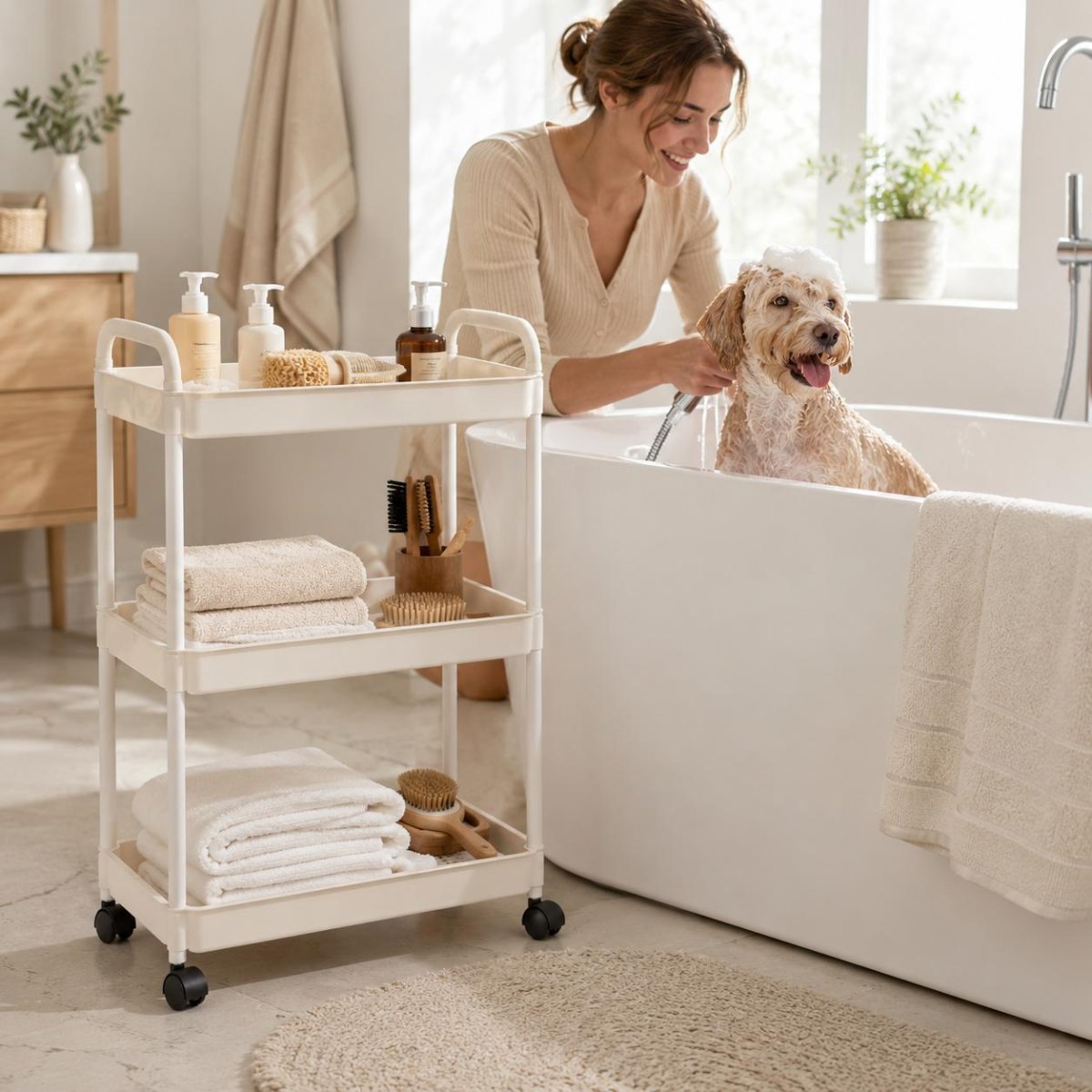
I like a small shelf or rolling cart with separate places for brushes, clean towels, bathing products and nail-care equipment. Organised storage means I can reach what I need without leaving a dog unattended or rummaging through a cupboard with wet hands.
Store scissors, clippers, electrical equipment and cleaning chemicals securely, well beyond a dog's reach. Keep clean items apart from used towels and dirty brushes, and return products to their proper containers after each session. If you share the house with children, make sure the grooming trolley cannot become an interesting collection of bottles and sharp objects at toddler height. A tidy station is not just pleasant to use; it helps reduce avoidable accidents.
Prepare a Treats and Rewards Station
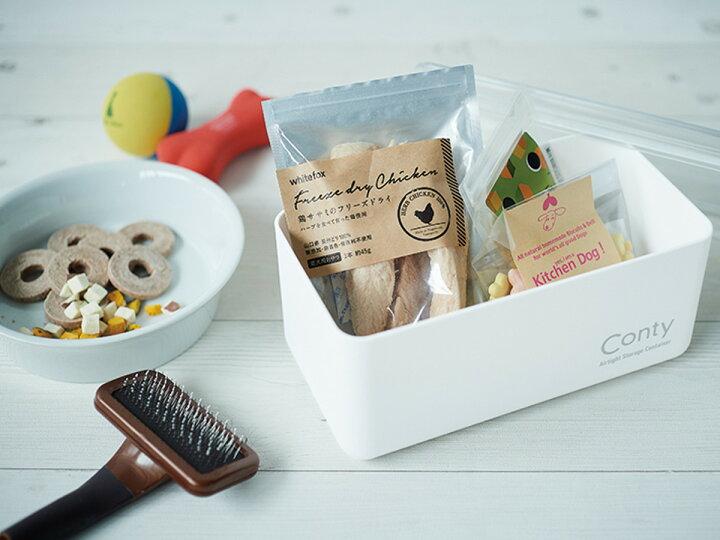
A small sealed container of treats can make grooming a more pleasant experience. I use tiny, suitable rewards and keep them separate from shampoos and cleaning products. A treat should be an incentive for a calm moment, not a reason to continue when a dog is frightened or uncomfortable.
Keep treats appropriate for the dog's size, age and dietary needs, and account for them in the daily food allowance. Treats should remain a small proportion of the overall diet. For puppies, older dogs and dogs on therapeutic diets, check with your vet if you are unsure which treats are suitable. If grooming regularly becomes a struggle, I would stop and seek advice from a qualified, reward-based professional rather than attempting to solve a behavioural problem through grooming equipment alone.
Set Up a Cleaning and Disinfection Area
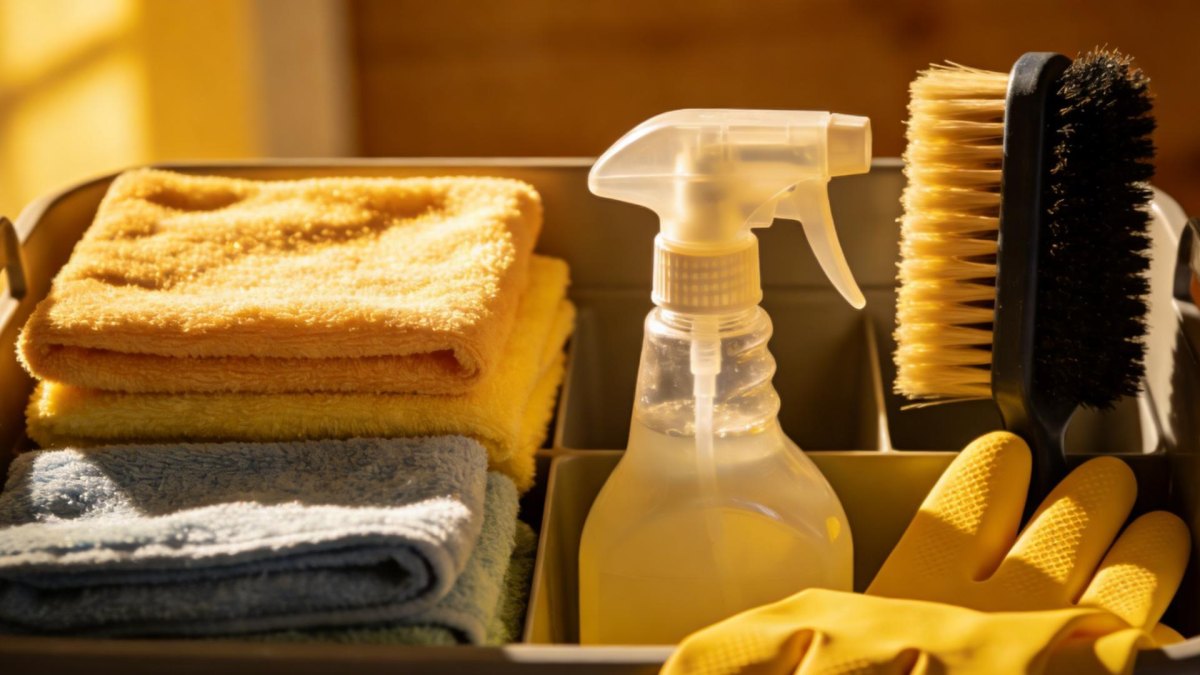
Dog hair has a remarkable talent for travelling into rooms it has never been invited into. I keep surface-cleaning supplies, washable cloths and paper towels in a separate, secure place so that I can clear hair, dirt and spills after every session.
Follow the cleaner's label for dilution, contact time, ventilation and whether a surface must be rinsed. Keep your dog away from treated areas until they are safe to use, and never mix cleaning products. Brushes and reusable tools should be cleaned according to their material and manufacturer's instructions. If your dog has a skin infection or another condition that could affect hygiene, ask your vet which cleaning measures are appropriate rather than guessing.
Improve Ventilation and Lighting
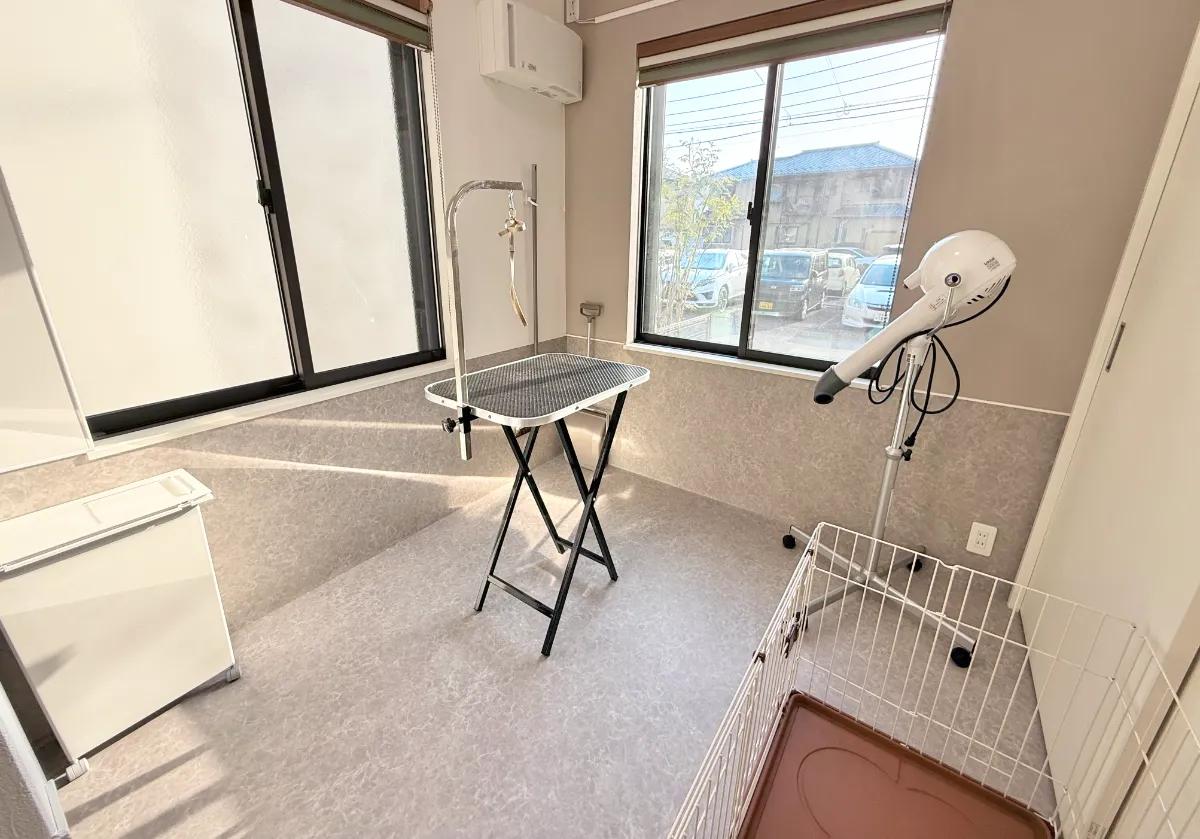
Good lighting lets me see the skin beneath the coat, spot small tangles and handle tools more accurately. I would choose a bright, well-ventilated room with enough space to move around the dog without stepping over bottles or electrical leads.
Open a window when conditions are suitable, or use safe ventilation to reduce humidity and lingering product smells. Avoid draughts, excessive heat and noisy fans that might unsettle your dog. Electrical equipment must be kept away from standing water and connected safely. If your dog is panting unusually, seems weak or struggles to breathe, stop grooming and move them to a safe environment. Breathing difficulty or collapse is an emergency requiring immediate veterinary attention, not a problem to solve by adjusting the room.
Keep Protective Grooming Equipment Ready
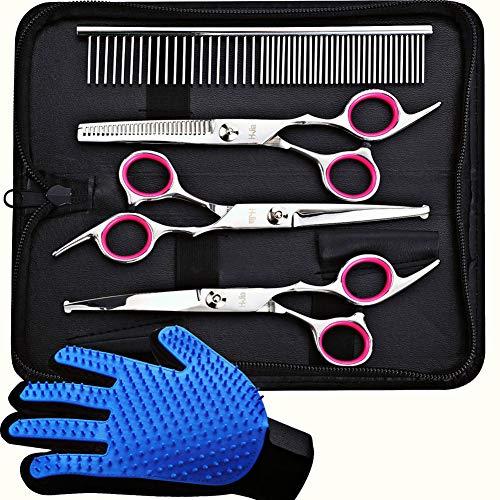
Depending on the task, I would keep appropriate protective equipment such as well-maintained clippers, suitable scissors and protective gloves for cleaning work. Rounded-tip scissors can be useful for certain tasks, but they are not a licence to cut out knots close to the skin. A dog's skin can be pulled into a mat, making an apparently simple snip dangerous.
Use each tool only for its intended purpose, check blades and cords for damage, and clean equipment after use. If a coat is badly matted, leave it to an experienced professional; painful de-matting at home can damage skin and distress the dog. I also avoid improvising with restraint or cutting tools when a dog is moving. A professional groomer is the sensible choice when the job requires expertise beyond ordinary brushing and bathing.
Prepare a Pet First-Aid Kit
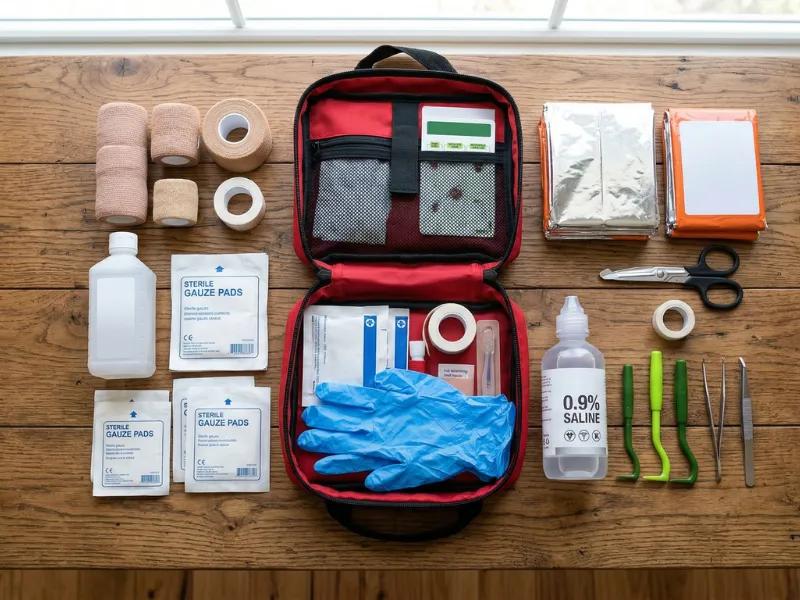
I keep a small pet first-aid kit where I can find it quickly, along with my veterinary practice's telephone number. Useful basics include sterile gauze, non-adhesive dressings, suitable bandages, sterile wound or eye wash and blunt-ended scissors. Check supplies periodically and replace anything damaged or out of date.
First aid is for immediate support while arranging appropriate help, not for treating an injury yourself. Do not give human painkillers or other medicines unless your vet specifically instructs you to. Uncontrolled bleeding, serious eye injuries, collapse, breathing difficulty or suspected poisoning require immediate veterinary assistance. If a nail is cut too short and the bleeding is minor, apply appropriate pressure and seek veterinary advice if it continues. Blue Cross has a useful current list in its dog first-aid guide, reviewed in August 2025.
Design a Calm and Comfortable Grooming Space
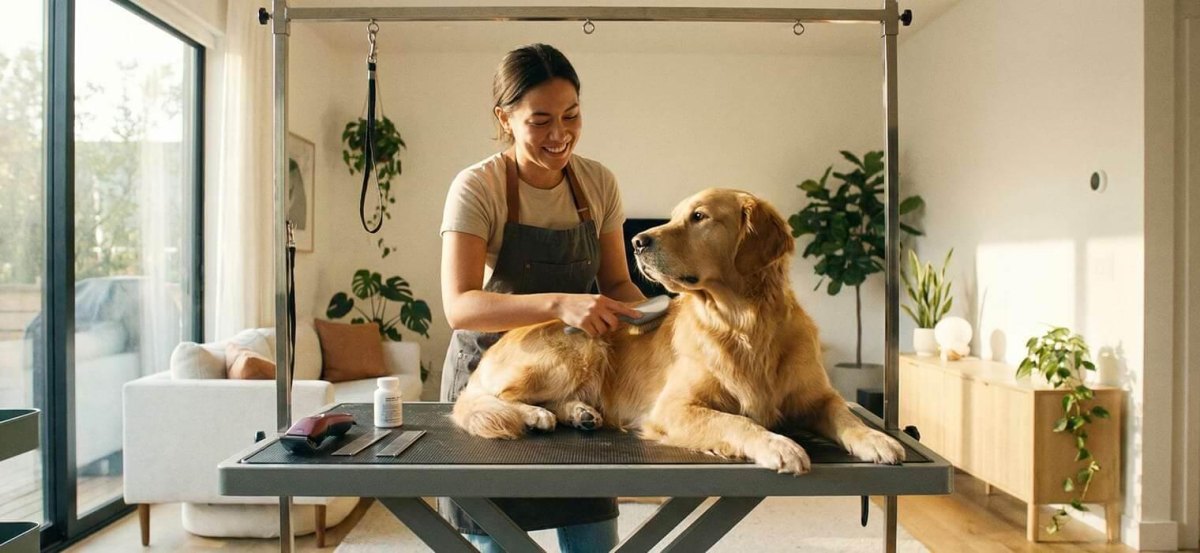
The best station is one your dog can manage comfortably. I would keep the room quiet, the floor secure and the equipment familiar, then work in short, manageable sessions with breaks whenever needed. A puppy may need very brief introductions to brushing, while an adult with a heavy coat may need regular maintenance. An older dog may need to sit or lie down rather than remain standing.
Watch how your dog responds and stop if they become distressed, painful or unusually tired. Grooming is not the time to push through fear or force a difficult task. If your dog cannot be handled safely, ask a reputable groomer for help and speak to your vet if pain or a health problem may be involved. For difficult behaviour, consult a qualified trainer or clinical animal behaviourist rather than improvising. My rule is straightforward: comfort comes before a perfect finish. A clean dog who has had a calm, safe experience is a better result than a beautifully clipped coat achieved at the cost of their wellbeing.
Before the next muddy walk, I would put out the towels, check the brush and make sure the floor is dry. You do not need a professional salon at home; you need a practical space that suits your dog, the coat they have and the stage of life they are in.
More Pinterest Visuals
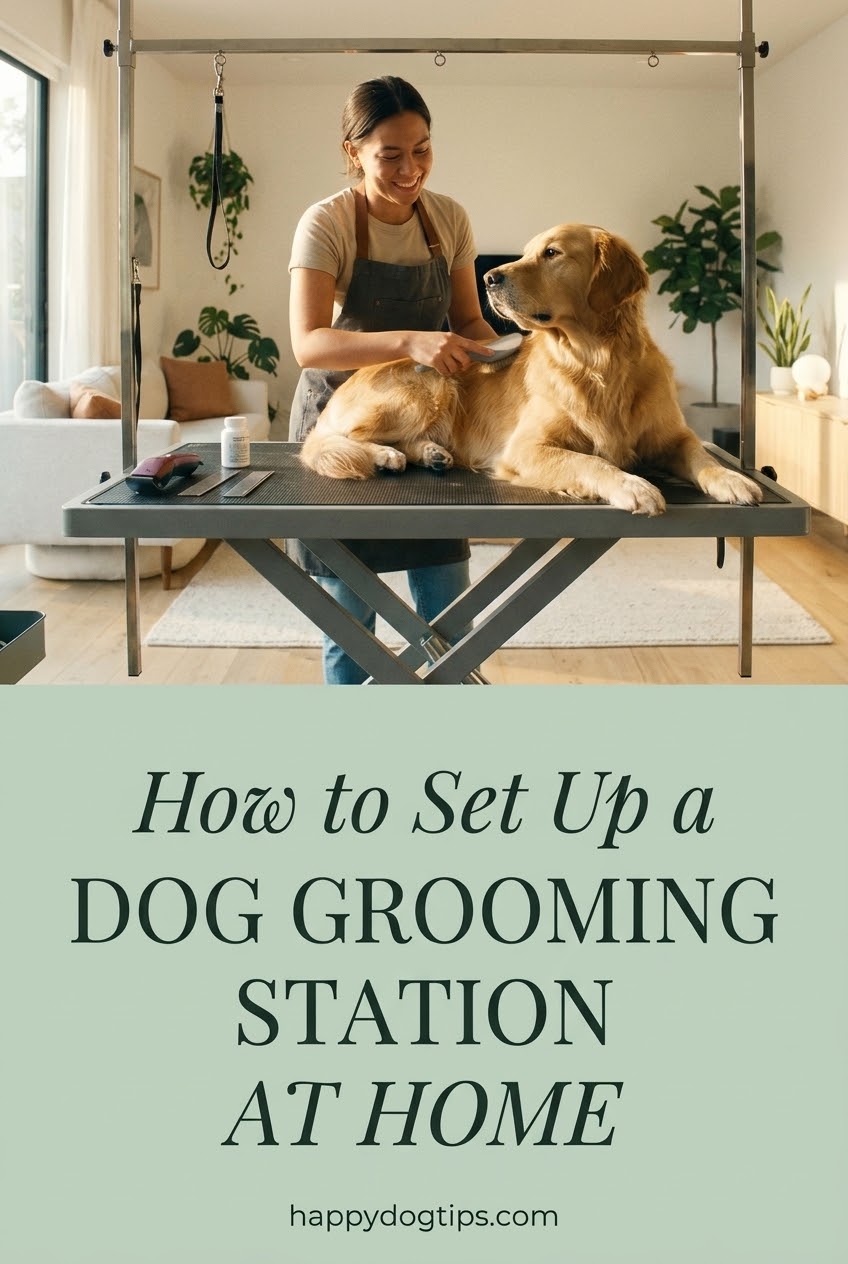



 Dog Food Recipes19 Homemade Dog Food Recipes for Corgis That Are Healthy and Easy to Make
 Senior Dog Care20 Signs of Dog Dementia and How to Recognise Cognitive Decline
 Dog Breeds6 Best Dog Breeds for City Living and Apartment Life
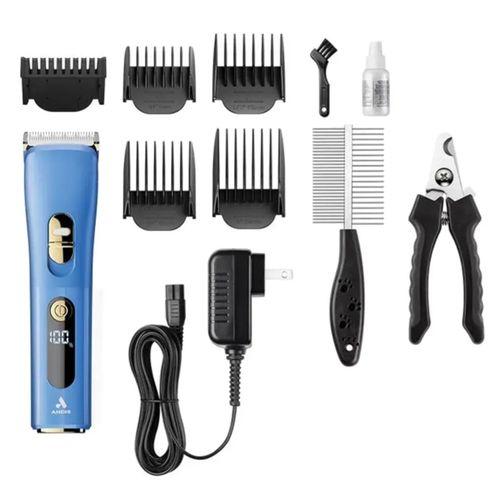 Dog Grooming14 Cordless Pet Grooming Tools That Make At-Home Care Easier