
Living in a flat doesn't mean you have to miss out on the pleasure of sharing your home with a dog. I've looked after dogs in all sorts of homes over the years, and I've found that the right temperament and daily routine matter far more than the size of your garden.
Of course, city living brings its own practical considerations. There are pavements instead of muddy tracks, lifts instead of garden gates, and the occasional awkward dash downstairs when your dog decides it's time to go out. You'll also need to think about exercise, toilet breaks, noise, neighbours and how long your dog will be left alone.
I've selected six breeds worth considering for urban households. Each has different needs, and I'll be honest about the drawbacks as well as the advantages. My background is as a Registered Veterinary Nurse, although I've been out of clinical practice since 2016. My experience informs this advice, but your own vet should guide current health checks and individual care decisions.
What makes a dog suitable for city living?
- A manageable size for your available indoor space.
- Exercise requirements that fit your daily routine.
- A temperament that can adapt to urban surroundings.
- Grooming and healthcare needs you can realistically afford.
- Enough companionship and enrichment to prevent boredom.
French Bulldog: The Perfect Apartment Companion
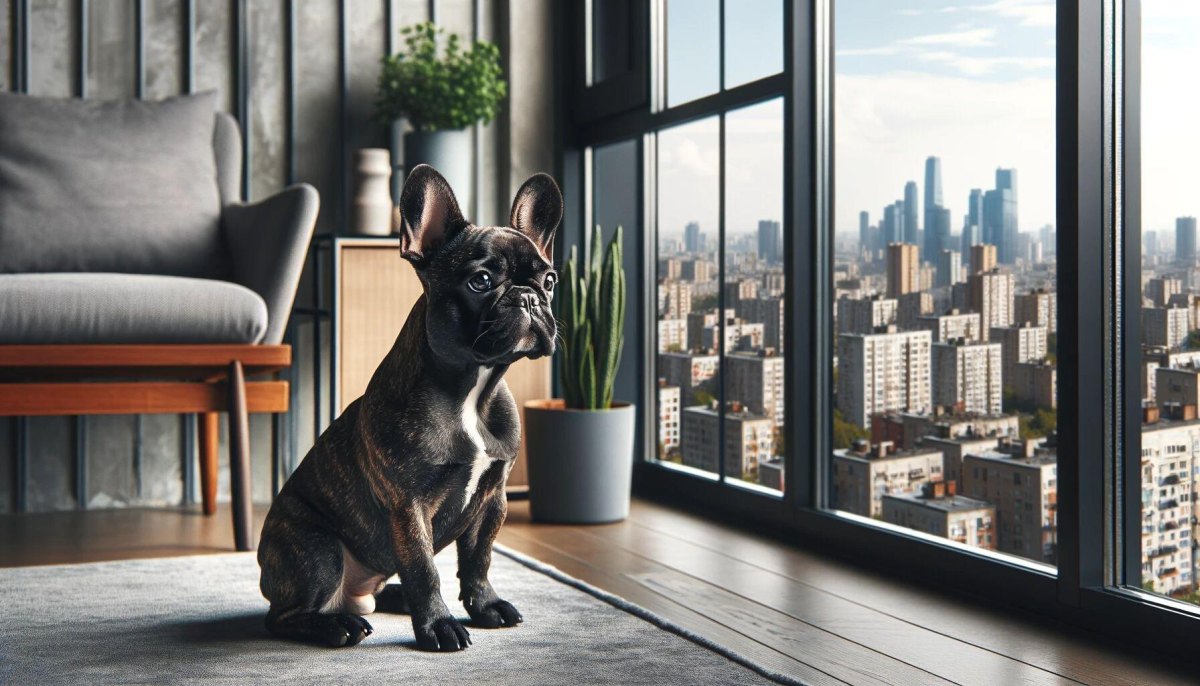
French Bulldogs are easy to recognise, with their distinctive bat-like ears, compact bodies and wonderfully expressive faces. They're often considered an excellent choice for apartment living because they're relatively small and enjoy being close to their families. Their affectionate, people-oriented nature can make them lovely companions in a smaller home.
However, I wouldn't recommend choosing a French Bulldog simply because you expect a quiet dog that needs very little exercise. The PDSA recommends up to an hour of daily exercise, divided into shorter walks and play sessions. They also benefit from indoor enrichment, such as food puzzles and interesting toys. Regular gentle activity still matters, even when a dog isn't particularly athletic.
There is a serious health consideration with this breed. French Bulldogs are brachycephalic, meaning they have shortened faces, which can contribute to breathing difficulties and overheating. Brachycephalic obstructive airway syndrome (BOAS) is a particular concern. I would think very carefully before taking on a dog with exaggerated facial features, and I would never regard noisy breathing as something to dismiss as normal.
Grooming is relatively straightforward. Their short, smooth coat benefits from a weekly brush, but the facial folds need regular attention and must be kept clean and thoroughly dry. They can also be prone to skin irritation. Healthcare costs deserve proper consideration, particularly given the breed's potential breathing, spinal and skin problems.
A health-first decision
I'd encourage prospective owners to consider a healthier breed or a rescue dog with a known medical history before choosing a French Bulldog. If you do decide on this breed, investigate health screening and choose health and functional breathing over fashionable appearance. Never leave a French Bulldog in a hot car, and remember that breathing difficulty or suspected heatstroke requires immediate veterinary attention.Cavalier King Charles Spaniel: A Gentle and Adaptable City Dog
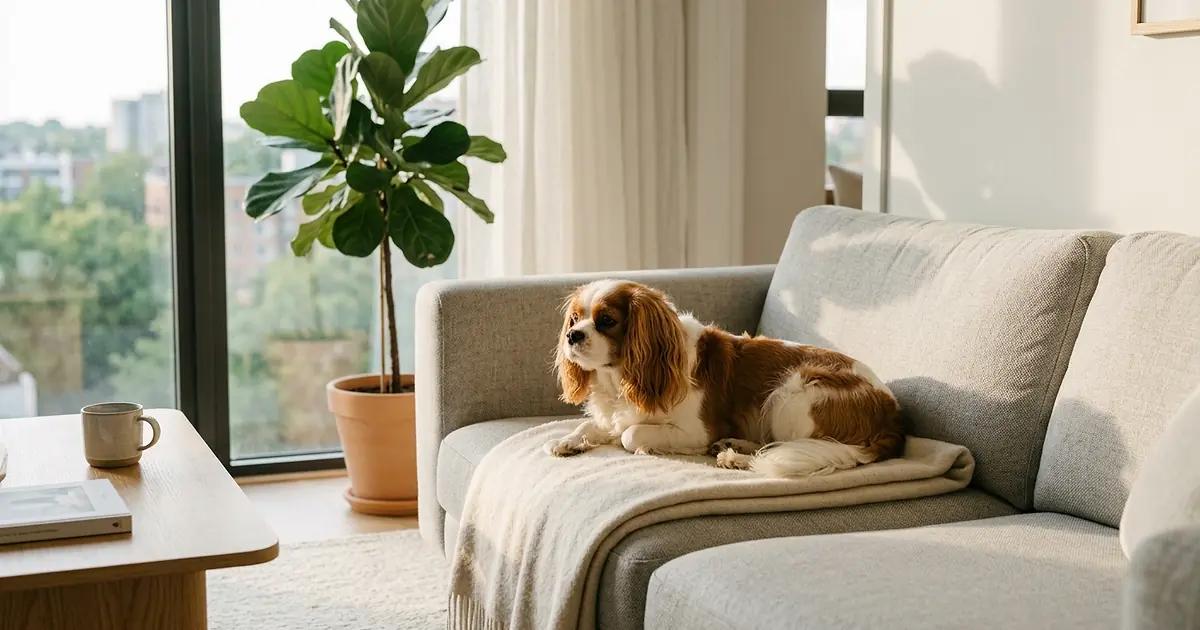
If I were looking for a small, affectionate dog with a particularly gentle nature, the Cavalier King Charles Spaniel would certainly be on my list. These charming little spaniels enjoy human company and can adapt to apartment living remarkably well. Their friendly, affectionate temperament makes them appealing companions for individuals, couples and families.
Don't mistake their small size for a lack of energy, though. The PDSA recommends at least an hour of exercise each day, ideally split between walks and opportunities to explore safely. They enjoy sniffing, playing and spending time with their people. Daily mental and physical stimulation is just as important in a city flat as it is in a country home.
One thing I would particularly emphasise is companionship. Cavaliers generally enjoy being around their owners and can struggle if left alone for long periods. If you work away from home all day, you'll need a realistic arrangement for company and toilet breaks. A small dog still has the same need for attention and daily care as a larger one.
Their silky, medium-length coat needs regular brushing, with particular attention to the ears, chest and feathering where knots can develop. I've seen plenty of otherwise lovely coats become uncomfortable because owners underestimate the time required to maintain them.
Health screening is essential when considering this breed. Cavaliers are particularly associated with mitral valve disease, a heart condition, and can also develop syringomyelia and certain eye problems. Ask about the health history of both parents and available screening schemes before taking on a puppy.
My practical tip
Keep a soft grooming brush near your dog's usual resting place. A few minutes of gentle coat care most days is much easier than tackling a collection of knots after several weeks.Pug: A Small Dog with a Big Personality
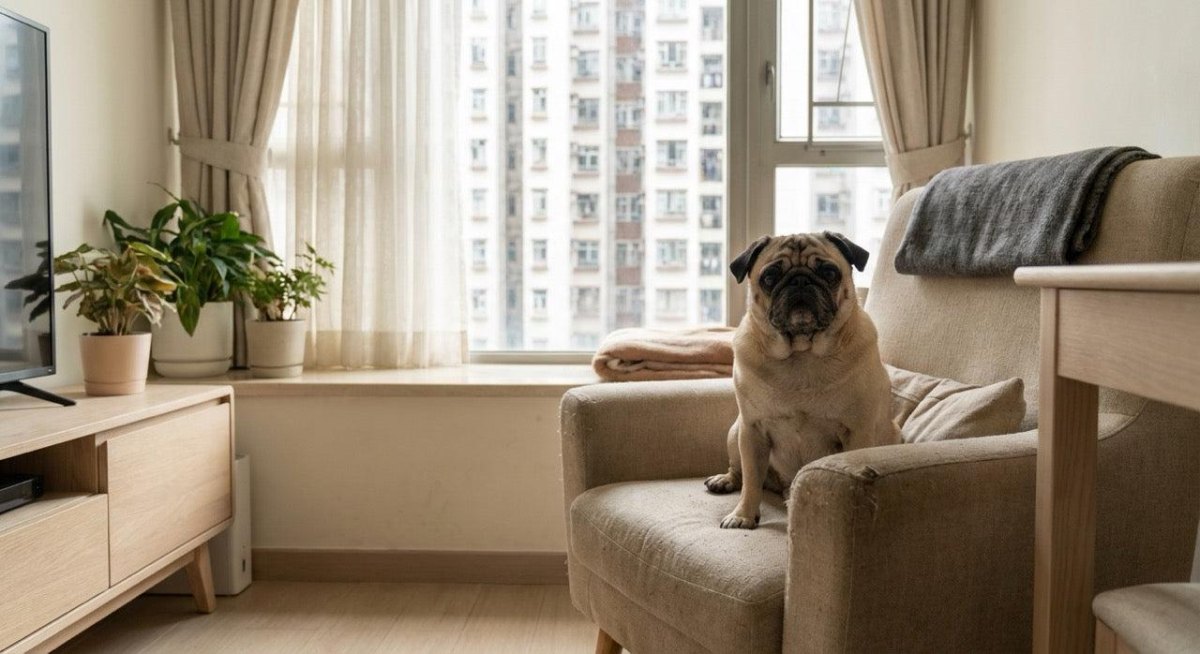
There's no mistaking a Pug. Those round eyes, wrinkled face and compact body give this little dog an unmistakable appearance. Pugs are affectionate, sociable and often very entertaining companions. They tend to enjoy being involved in everyday family life, which can suit an apartment household where someone is around for much of the day.
They're not particularly large dogs, and their exercise needs are generally moderate. The Pug Breed Council recommends regular activity, with shorter walks being a sensible option, particularly in warmer weather. I would also provide indoor enrichment through suitable toys, gentle play and food puzzles. Keeping a Pug active without overexerting it is an important part of everyday care.
There is, however, something I wouldn't gloss over. Pugs are another brachycephalic breed, and their shortened airways can make breathing and temperature regulation difficult. They are particularly vulnerable in hot and humid weather. Avoid strenuous walks during warm periods, keep your home comfortably cool and monitor their breathing carefully. A flat face is not a health benefit, regardless of how appealing the appearance might be.
Grooming is relatively simple, although Pugs can shed considerably despite having short coats. A weekly brush helps remove loose hair. Their facial wrinkles also need regular inspection and gentle cleaning, followed by thorough drying. Keep an eye on their weight, too, because extra weight can make existing breathing difficulties worse.
Another consideration is their attachment to people. Pugs often prefer company and may not be comfortable spending long periods alone. Before choosing one, consider your working arrangements and whether you can provide a suitable daily routine. They need companionship as well as a comfortable bed.
Don't underestimate breathing problems
Persistent noisy breathing, struggling to exercise or difficulty recovering after activity deserve veterinary attention. Sudden breathing difficulty or suspected heatstroke is an emergency. I would also investigate the dog's medical history and insurance options carefully before taking on this breed.Dachshund: A Compact Companion for Urban Living

Dachshunds are small, distinctive dogs with long bodies, short legs and plenty of character. Available in smooth-haired, long-haired and wire-haired varieties, they offer a little more choice when it comes to coat type. Their compact size can make them suitable for apartment living, provided their exercise and enrichment needs are met.
I wouldn't describe a Dachshund as a dog that simply wants to sleep on the sofa all day. These little dogs were originally developed for hunting, and they retain an active, curious nature. The PDSA recommends at least an hour of daily exercise for standard Dachshunds and around half an hour for miniature varieties. Sniffing opportunities and interesting walks are particularly useful ways to keep them occupied.
Their long backs deserve special attention. Dachshunds have an increased risk of intervertebral disc disease (IVDD), a condition affecting the discs between the vertebrae. Maintaining a healthy body condition and good general fitness is important. I'd also make sensible decisions about furniture access, slippery floors and repeated high-impact jumping. Ask your vet about suitable exercise and home adaptations for your individual dog.
Grooming depends on which variety you choose. Smooth-haired Dachshunds are generally the easiest to maintain, with occasional brushing usually sufficient. Long-haired coats need more frequent brushing, particularly around the ears, chest and tail. Wire-haired Dachshunds have a different coat that may need professional hand-stripping to maintain its texture. Don't assume all three varieties have identical grooming requirements.
In a flat, I'd make sure there is enough room for a comfortable bed, a quiet resting area and space for indoor play. You'll also need a dependable routine for outdoor toilet breaks. A Dachshund can be a very rewarding urban companion, but it isn't a substitute for daily activity.
Think about your flooring
Slippery laminate and polished floors can make moving around more difficult. Non-slip rugs in frequently used areas can provide better footing, particularly for puppies and older Dachshunds.Bichon Frise: A Cheerful and Low-Shedding Apartment Dog
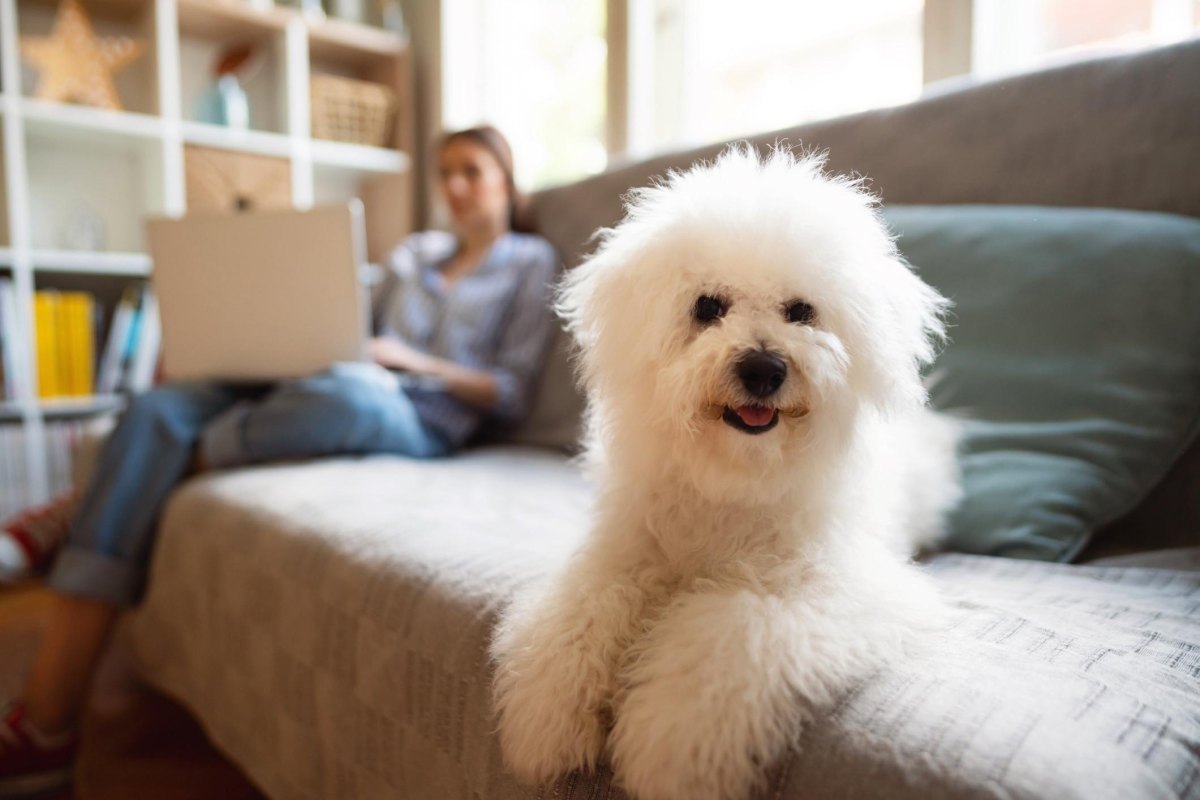
The Bichon Frise is a cheerful little companion with a soft, curly white coat and a generally sociable nature. I can understand why this breed appeals to apartment owners. They're small, affectionate and often happy to enjoy a mixture of outdoor walks and comfortable indoor time. Their relatively low shedding is another attraction, particularly for people who prefer not to have dog hair throughout their home.
The Royal Kennel Club lists the Bichon Frise as suitable for a flat or apartment and gives its exercise requirement as up to 30 minutes daily. Individual dogs may need more depending on age, health and energy levels, so I'd still make room for regular walks and play. A small home can provide plenty of enrichment when there's a thoughtful daily routine.
Now for the grooming, because this is where new owners sometimes get caught out. A Bichon's curly coat can mat surprisingly quickly. Daily brushing is important, and professional clipping is generally needed every six to eight weeks. During my years running a small grooming service, I saw how easily neglected curly coats could become uncomfortable. Once a coat is badly matted, it is a job for a professional groomer rather than a home de-matting experiment.
Low shedding does not mean low maintenance. You'll need to budget for regular grooming, suitable brushes and routine coat care. Depending on your location and the groomer, professional appointments can become a substantial annual expense. I'd include that cost in your decision before bringing a puppy home.
Bichons can also be prone to certain health problems, including allergies, luxating patellas and bladder stones. Regular veterinary checks and a sensible approach to weight management help you stay on top of their general health. If you notice a change in comfort, movement or toileting habits, discuss it with your vet rather than assuming it's simply part of getting older.
Budget for the coat
Before choosing a Bichon, contact a couple of local professional groomers and ask about their prices and appointment intervals. It's much better to understand the ongoing commitment before you fall in love with a fluffy puppy.Miniature Poodle: An Intelligent and Adaptable Urban Companion
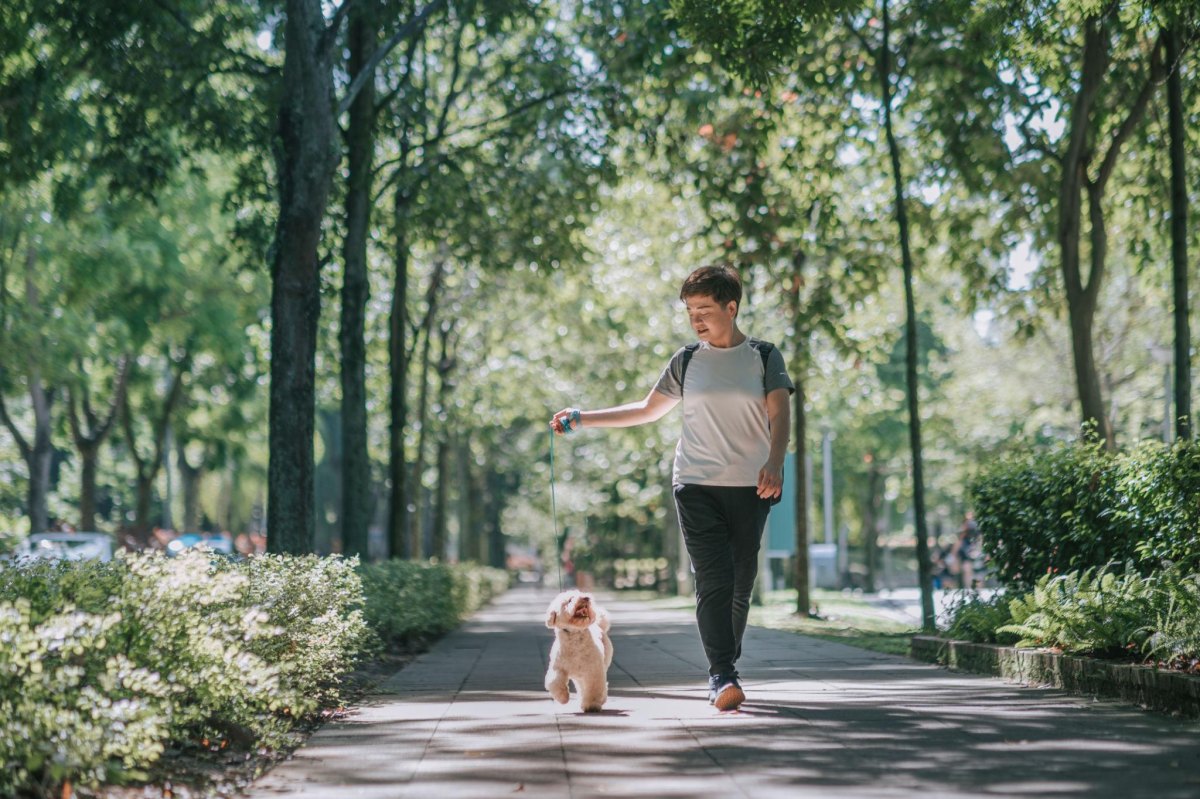
My final choice is the Miniature Poodle, a small-to-medium dog with an impressive combination of intelligence, athleticism and adaptability. Although people sometimes associate Poodles with elaborate show clips, they're versatile companions with a practical history as working water retrievers. Their size can work well in an apartment, and they can enjoy a busy urban lifestyle when their needs are properly met.
The Royal Kennel Club classifies the Miniature Poodle as small-medium and lists up to an hour of daily exercise. I would divide this into walks, opportunities to explore and suitable indoor activities. They need more than a short stroll around the block, and their active minds benefit from regular enrichment. Food puzzles, scent-based games and appropriate interactive toys can all help make apartment life interesting.
Their curly coat is a major consideration. Poodles shed very little, but their hair continues to grow and can become tangled or matted without consistent care. Daily brushing is a sensible target, alongside regular professional clipping and shaping. This is a breed where grooming must be part of the household budget, not an occasional extra. A manageable pet clip is often a practical choice for everyday life.
I've always liked the versatility of a well-cared-for Poodle, but I wouldn't recommend one to someone who wants a completely effortless companion. They are active dogs and need attention, exercise and opportunities to use their brains. Their grooming also takes commitment, particularly if you prefer to keep the coat longer.
Health screening is worth investigating before choosing a puppy. Poodles can be affected by several inherited conditions, including eye problems and luxating patellas. Ask breeders about relevant health testing and the medical history of the parents. A rescue centre may also have an adult Miniature Poodle whose temperament and care requirements are already known.
My recommendation
If you enjoy regular walks, have time for daily coat care and want an intelligent little companion, a Miniature Poodle is well worth considering. Arrange a conversation with a professional groomer before committing, so you know exactly what maintaining that lovely curly coat involves.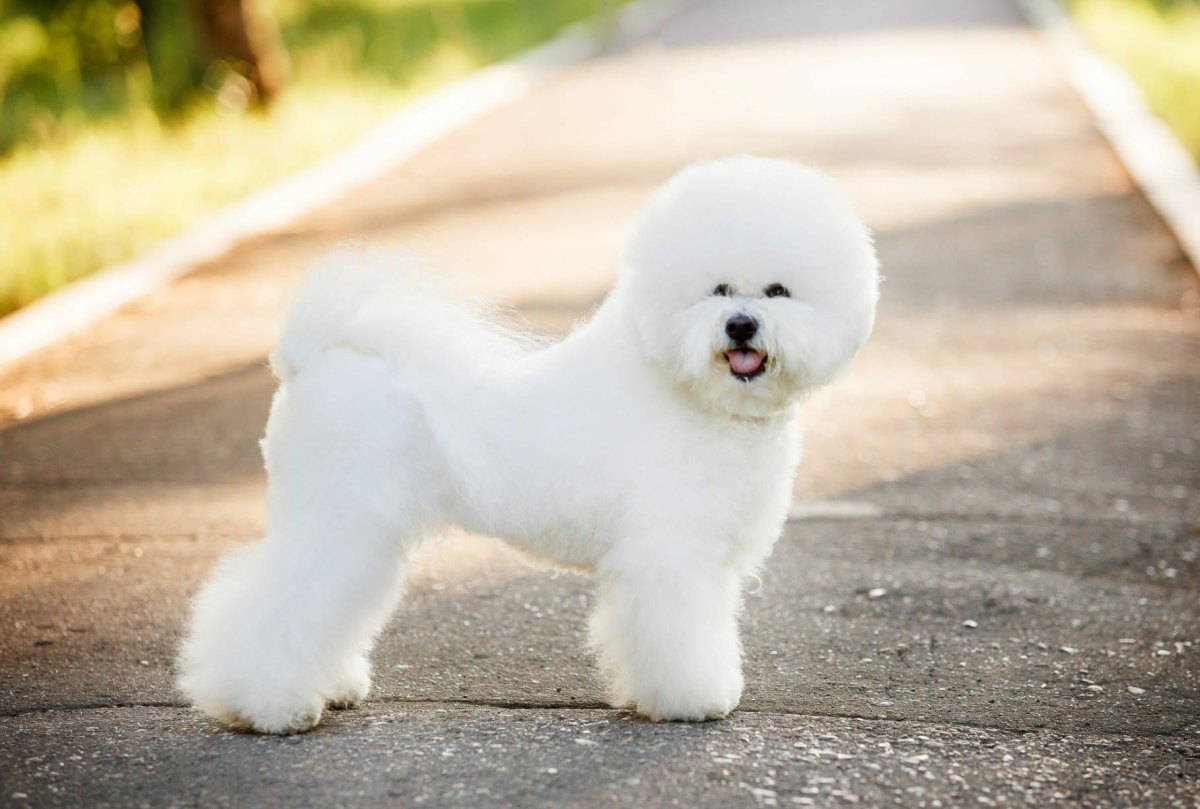
More Pinterest Visuals
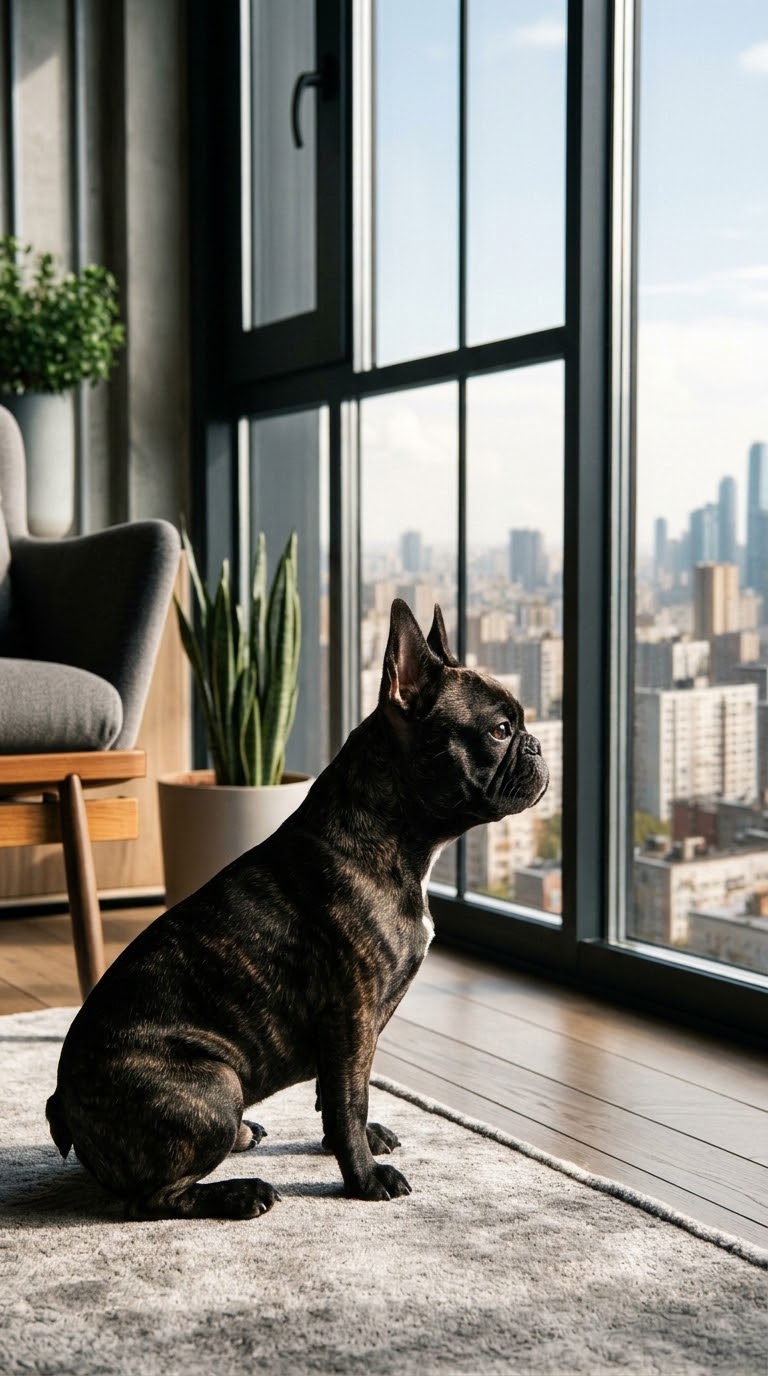


 Dog Food Recipes19 Homemade Dog Food Recipes for Corgis That Are Healthy and Easy to Make
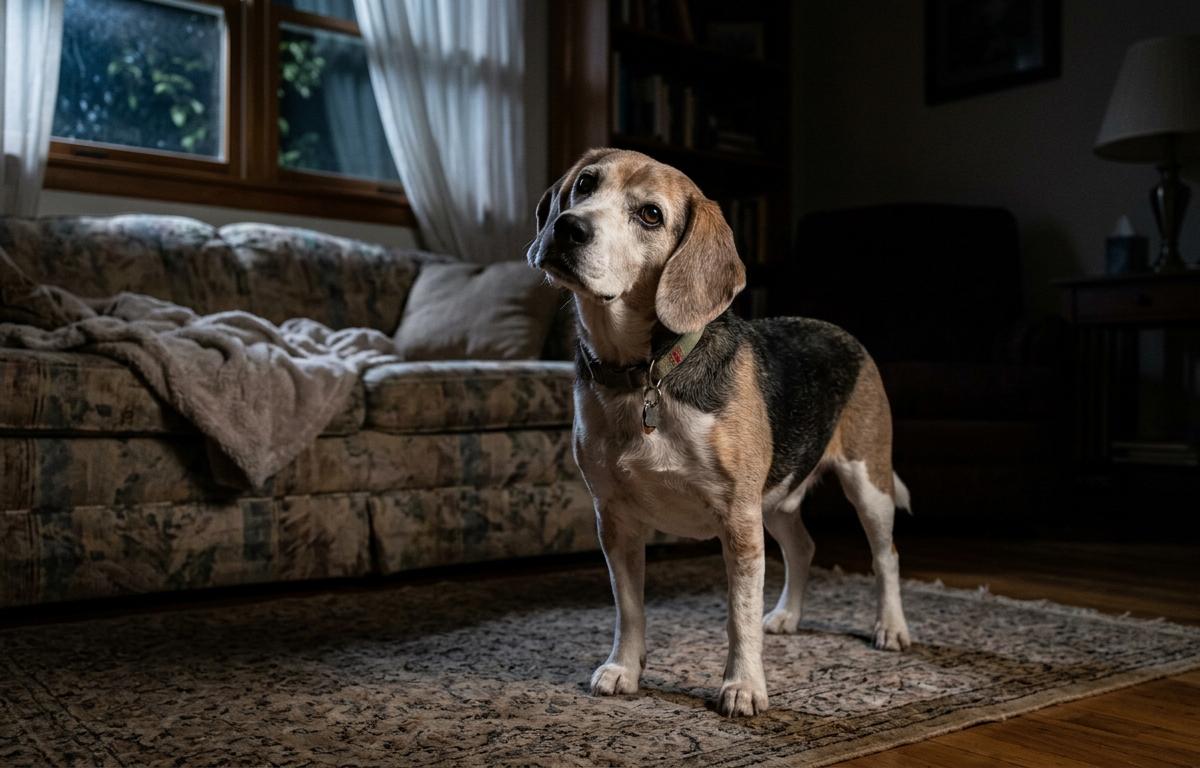 Senior Dog Care20 Signs of Dog Dementia and How to Recognise Cognitive Decline
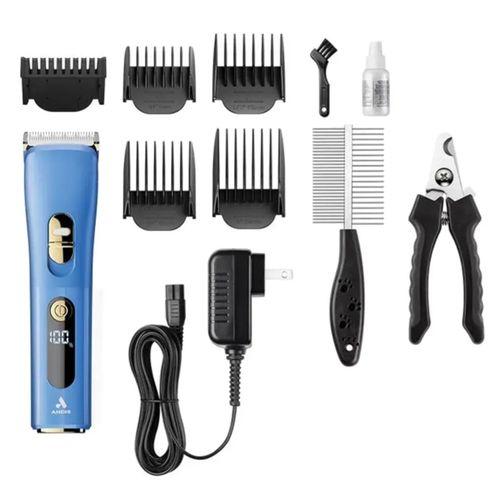 Dog Grooming14 Cordless Pet Grooming Tools That Make At-Home Care Easier
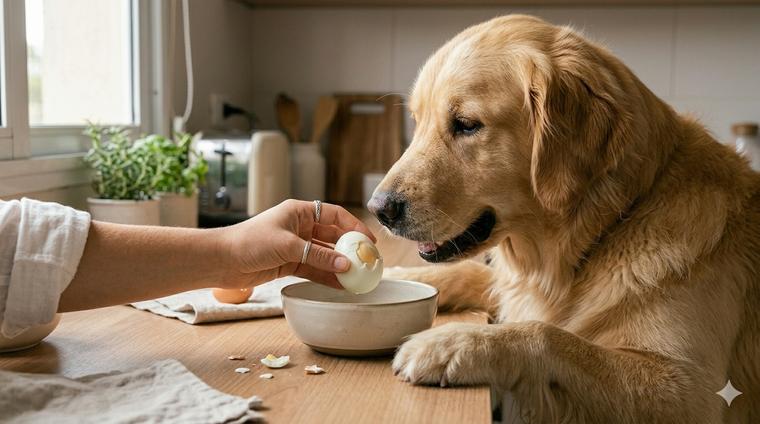 Dog Treats & NutritionHundefutter mit Ei selber machen – einfaches Rezept und wichtige Tipps