
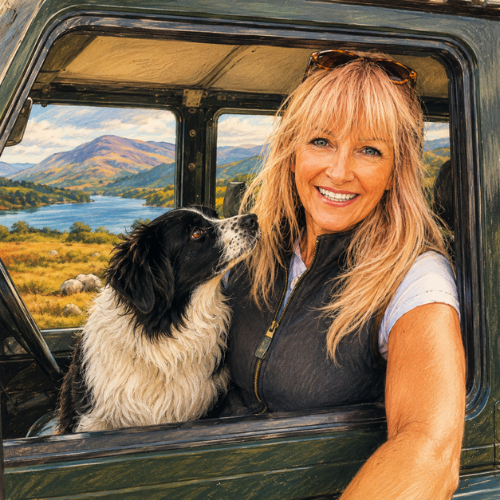
When the weather turns wild up here in the Trossachs, even my own dogs sometimes need their exercise adjusted. A muddy track and an older dog like Skye mean I have learned that movement does not always need acres of land behind it.
I have spent years caring for dogs in homes of all sizes, and I have found that a small space can still provide plenty of healthy activity when it is used thoughtfully. These ideas focus on gentle exercise, enrichment and keeping dogs comfortable rather than trying to wear them out.
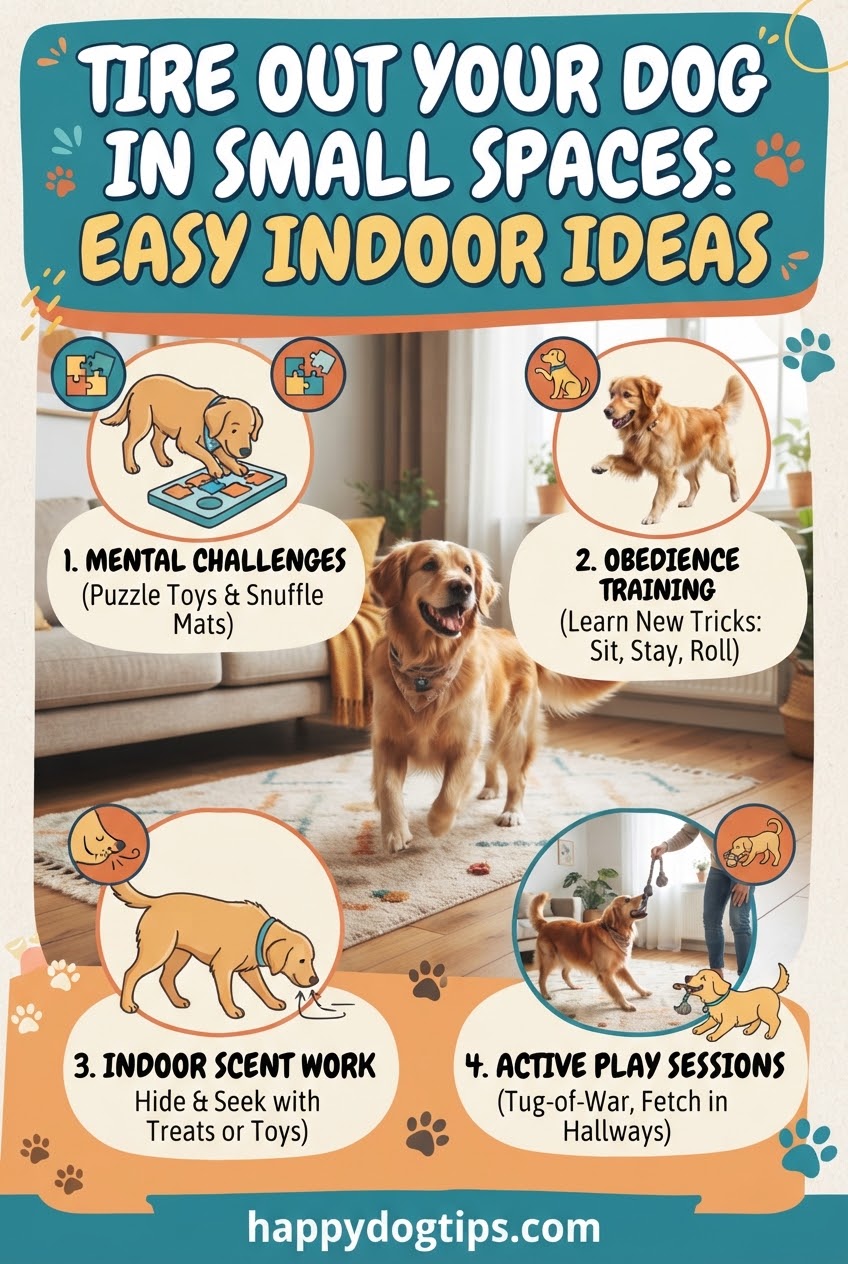
Small-space dog exercise ideas I rely on
- Short games that encourage movement without needing a garden
- Simple enrichment to keep a dog's mind busy as well as the body
- Activities that can be adapted for puppies, adults and older dogs
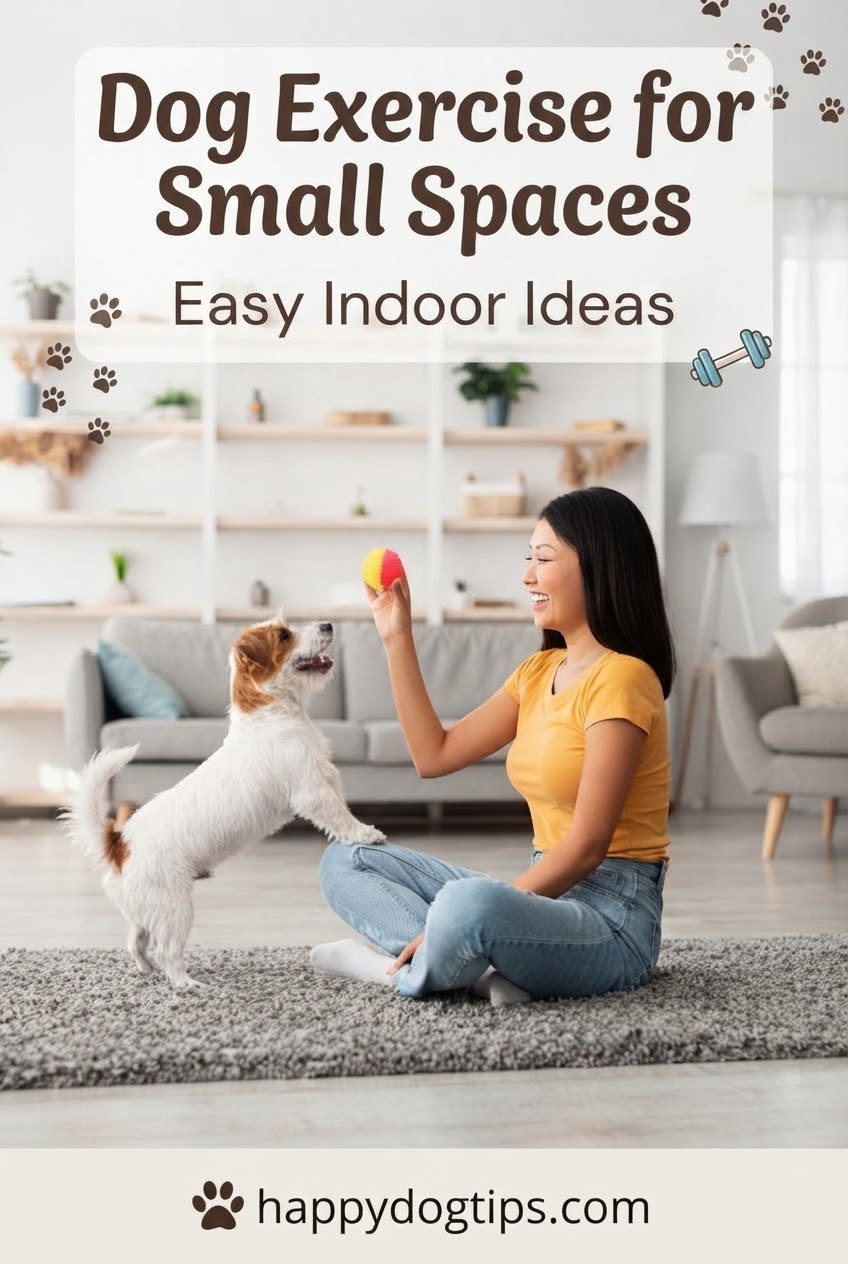
Indoor Fetch Games for Small Rooms
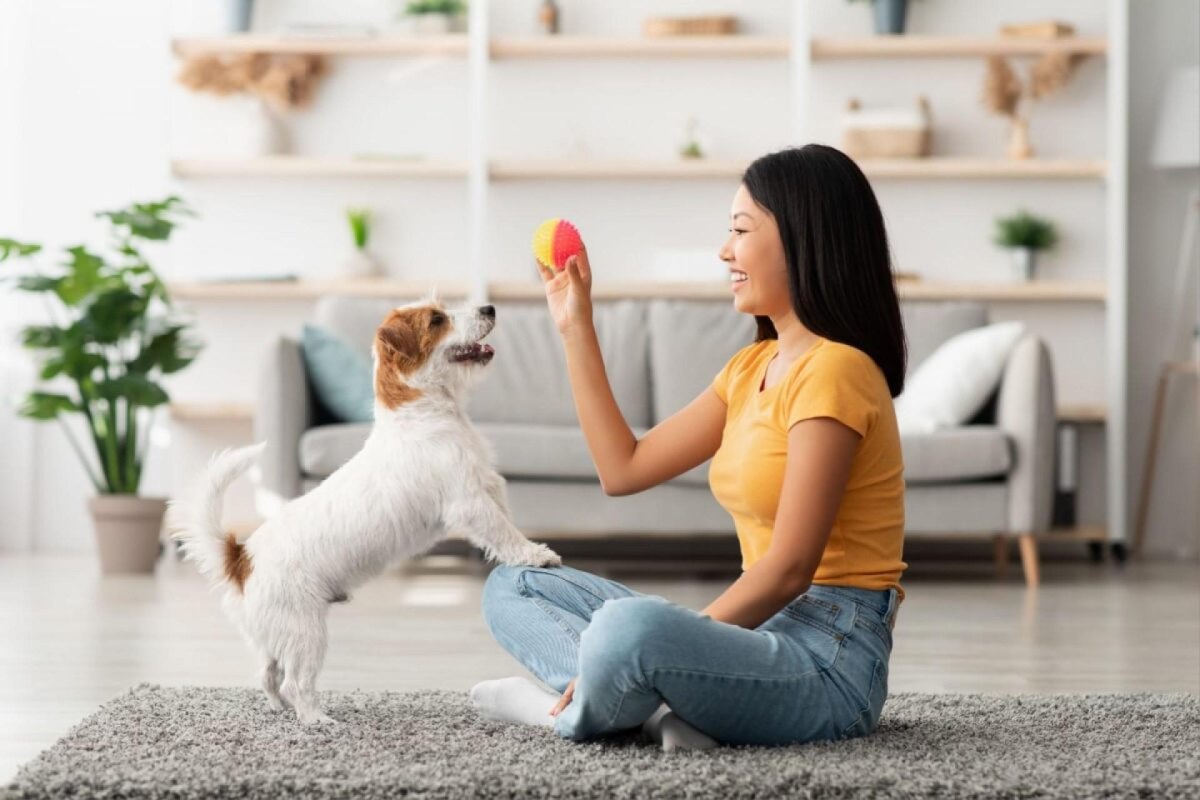
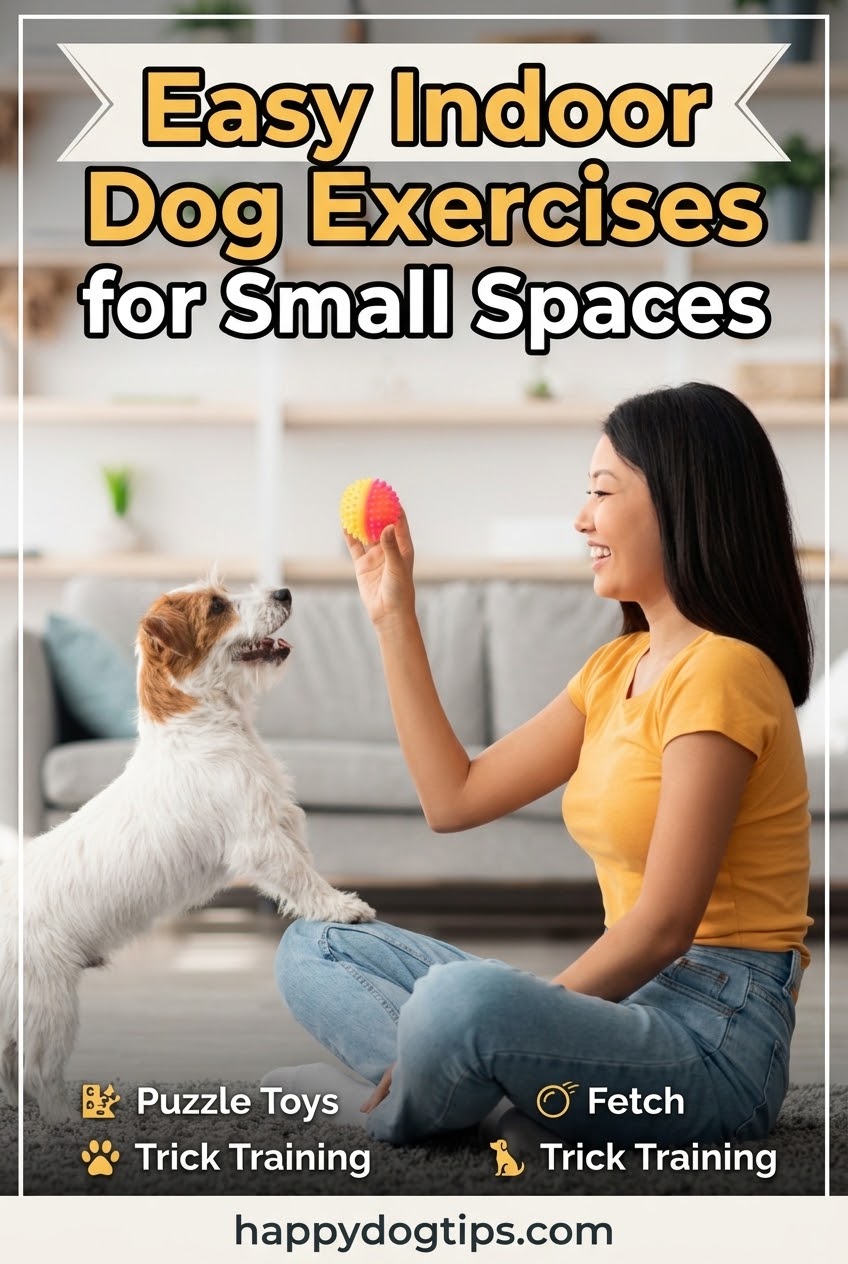
A hallway or clear patch of floor can be enough for a gentle game of fetch. I use softer toys indoors because I have seen plenty of enthusiastic dogs send a hard ball straight into furniture, lamps and, occasionally, a human ankle.
For smaller rooms, I keep the throws short and focus on repeated movement rather than distance. Senior dogs especially may benefit from slower games with fewer sudden turns.
My practical tip
Remove slippery rugs or obstacles before play. A confident little dog can still pull a muscle or slide awkwardly on a polished floor.
Tug-of-War Exercises for Limited Space
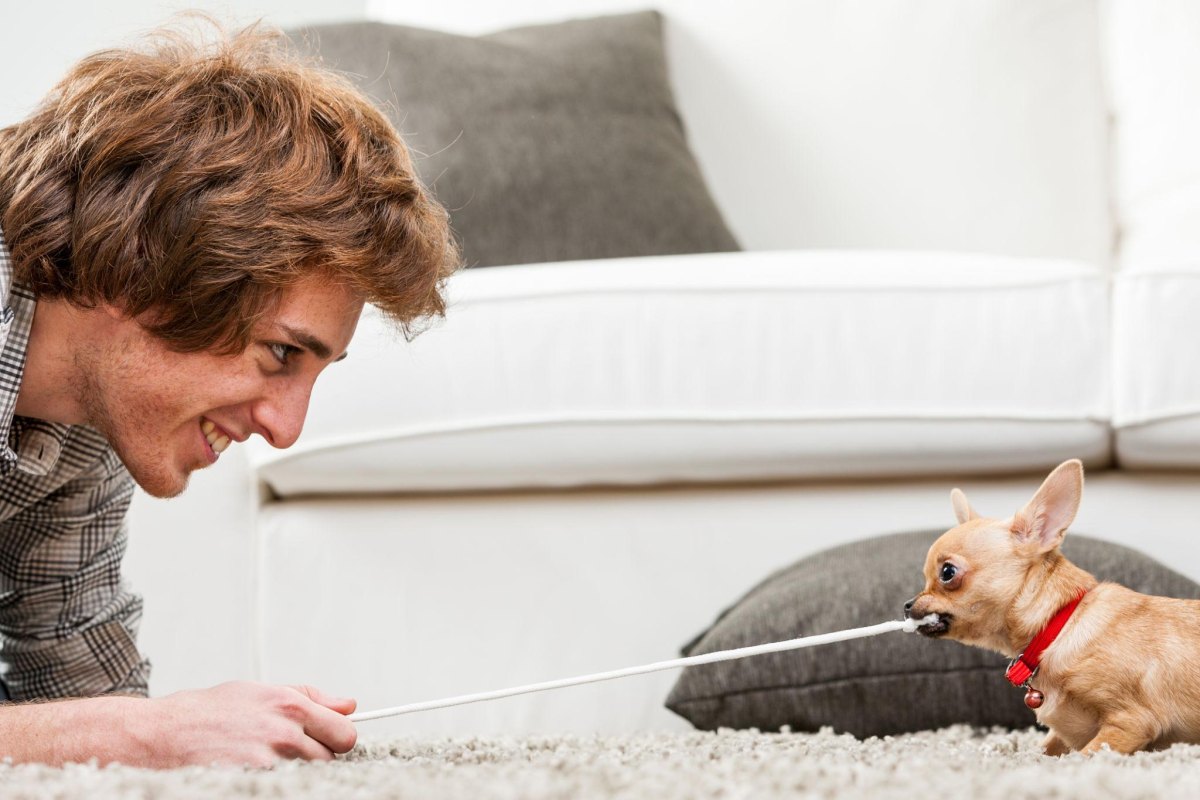
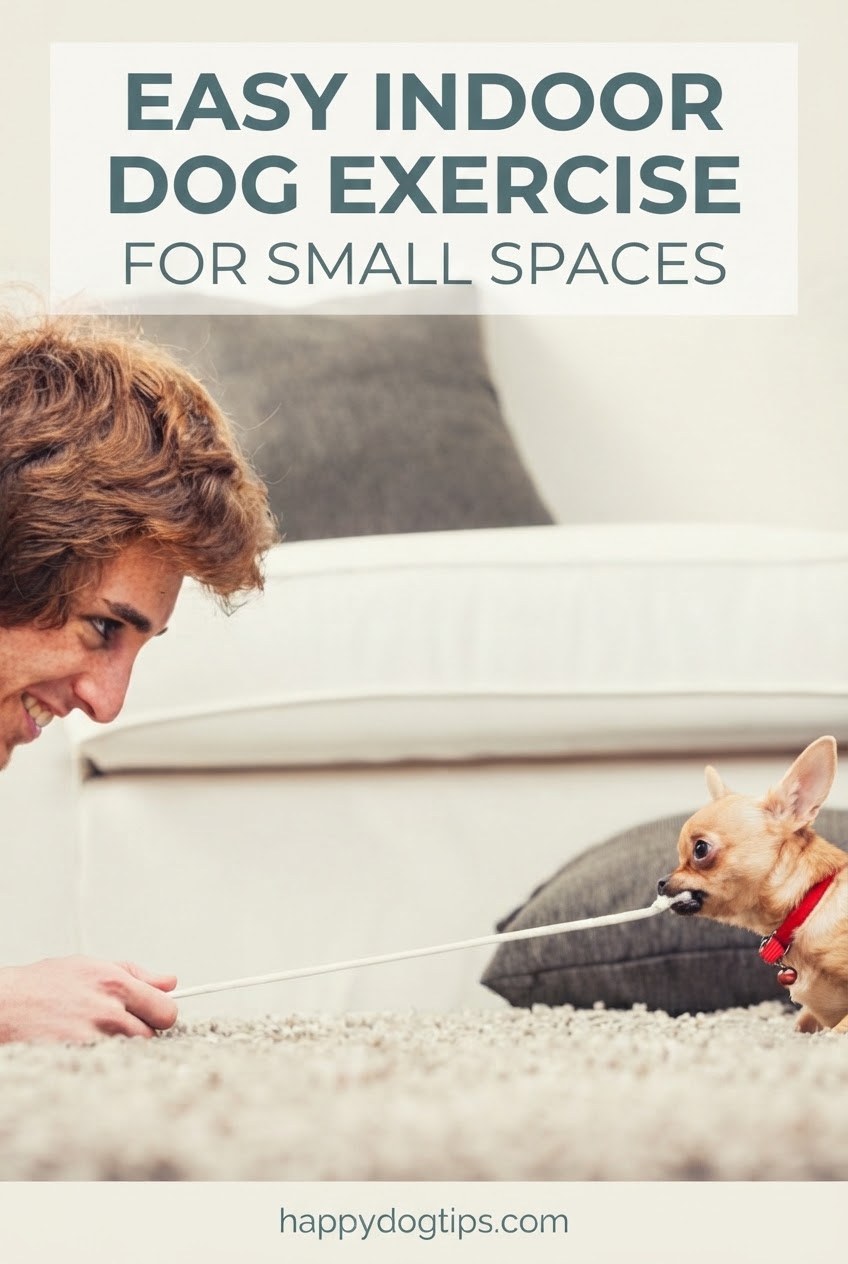
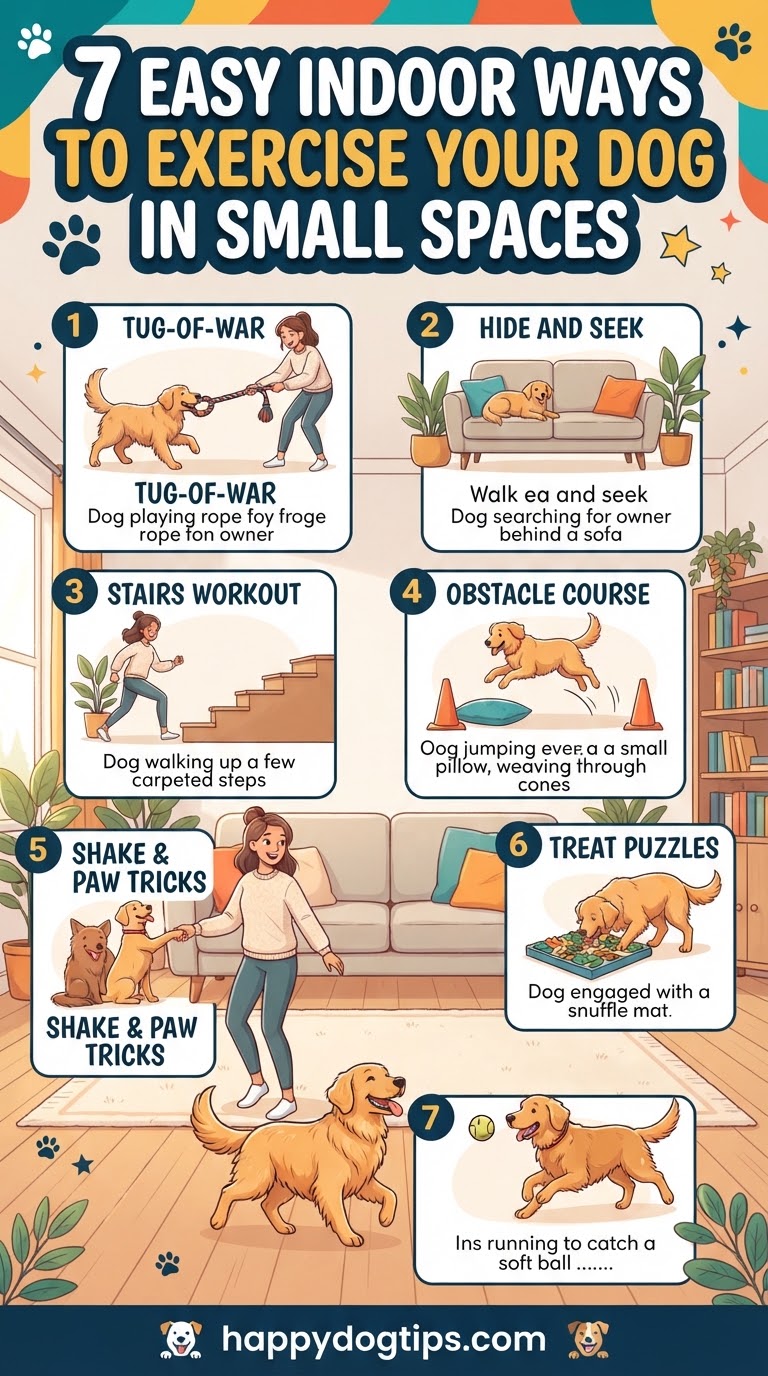
Tug-of-war is one of the easiest ways to add activity when space is limited. I have used it with many dogs during my home boarding years because it gets shoulders, legs and attention involved without requiring a long run.
I choose sturdy toys that suit the dog's size and check them regularly for wear. A small dog still needs an appropriately sized toy, not simply the cheapest option on the shelf.
A safety note
If a dog has neck, back or joint concerns, ask your own vet whether this type of play is suitable before making it a regular activity.
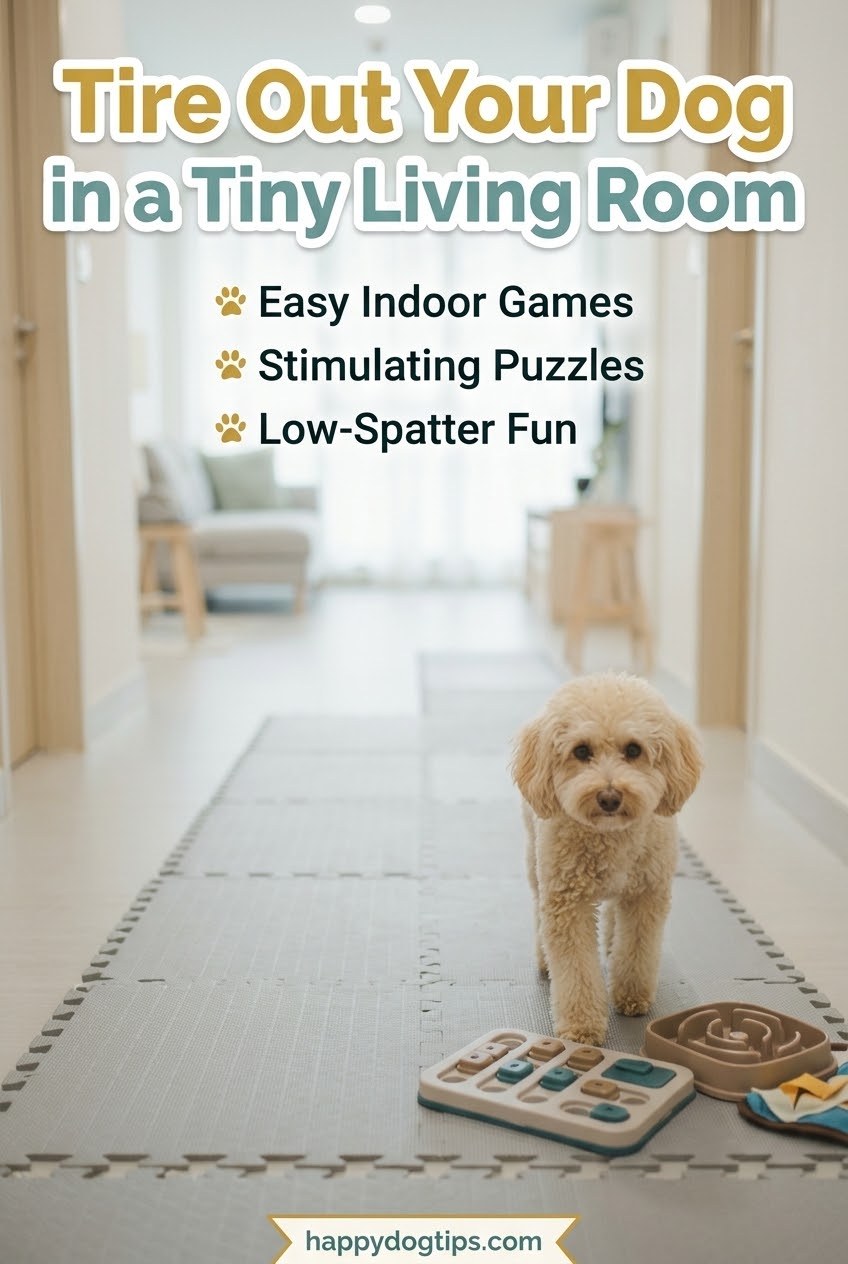
Puzzle Toys for Mental and Physical Stimulation
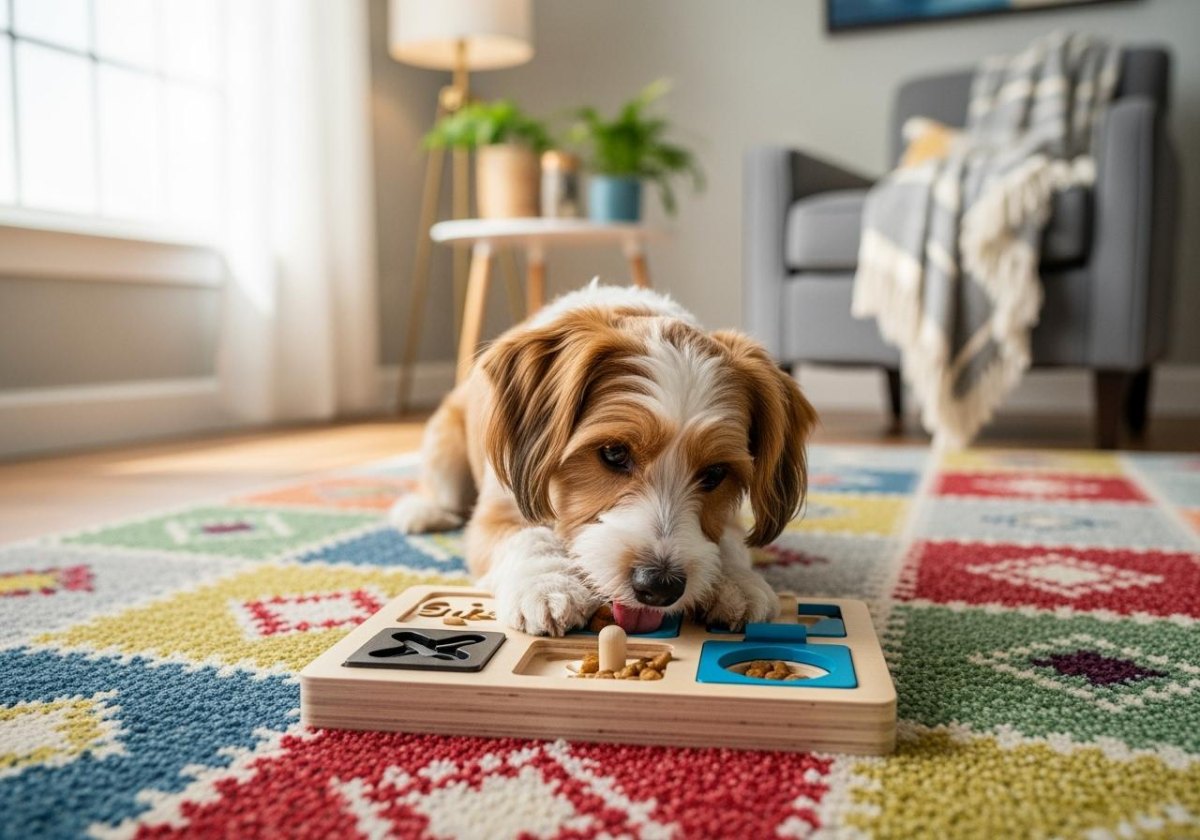
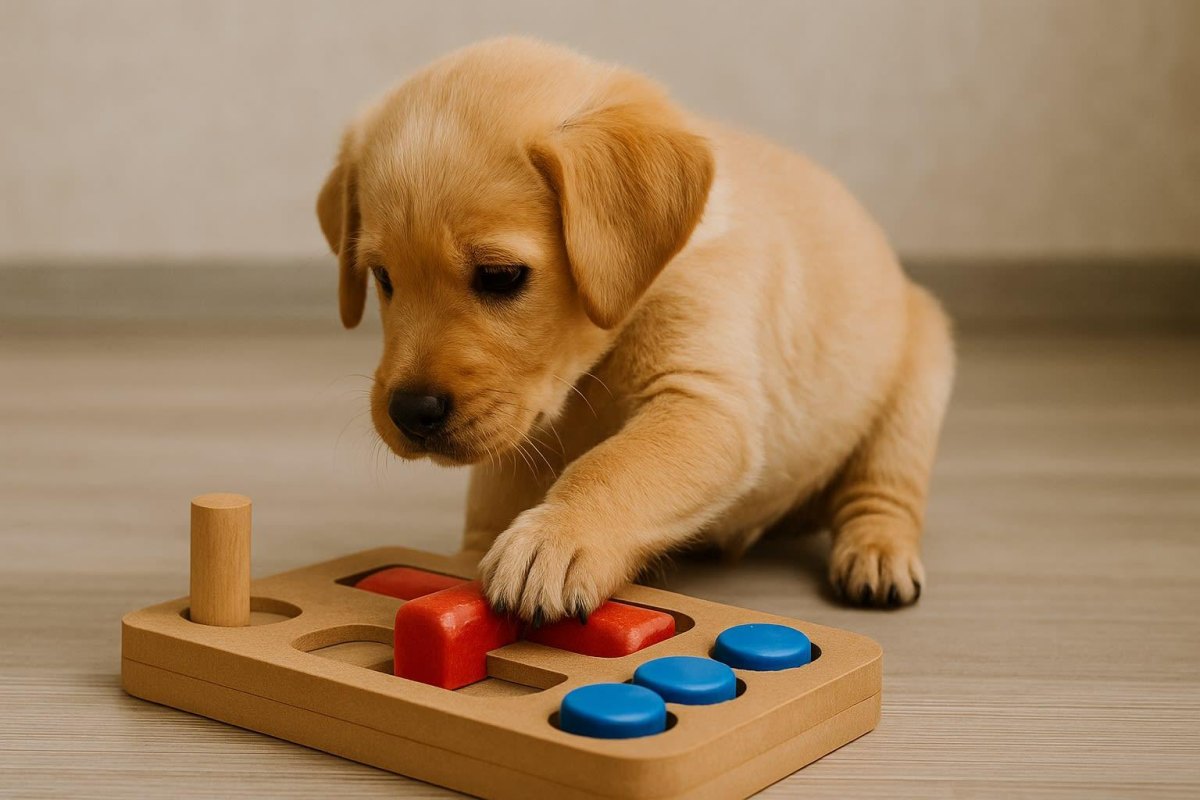
Exercise is not only about legs. Puzzle toys can keep a dog occupied when outdoor walks are shortened by rain, ice or recovery from an illness. Tam, my collie cross, can spend ages working out a food puzzle, although he still believes the postman is the day's main event.
I prefer simple enrichment that allows a dog to succeed. The aim is interest and engagement, not frustration.
- Choose toys that match your dog's size and chewing habits.
- Supervise new toys until you know how your dog uses them.
- Count treats from puzzles as part of the daily food amount.
Hallway Walking and Short Indoor Training Drills
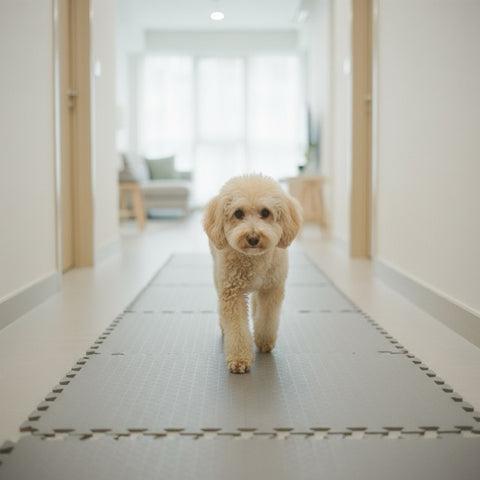
A few trips along a hallway or through a safe indoor route can be surprisingly useful. I am talking about movement and gentle activity here, not behaviour or obedience work, which is best handled by a qualified trainer or behaviourist.
For older dogs, several short bursts are often kinder than one long session. Skye's days are built around what her joints can manage now, rather than what she could do years ago.
For ageing dogs
Keep surfaces steady and avoid asking a stiff dog to make quick turns on slippery flooring.
Stair Exercises for Safe Energy Release
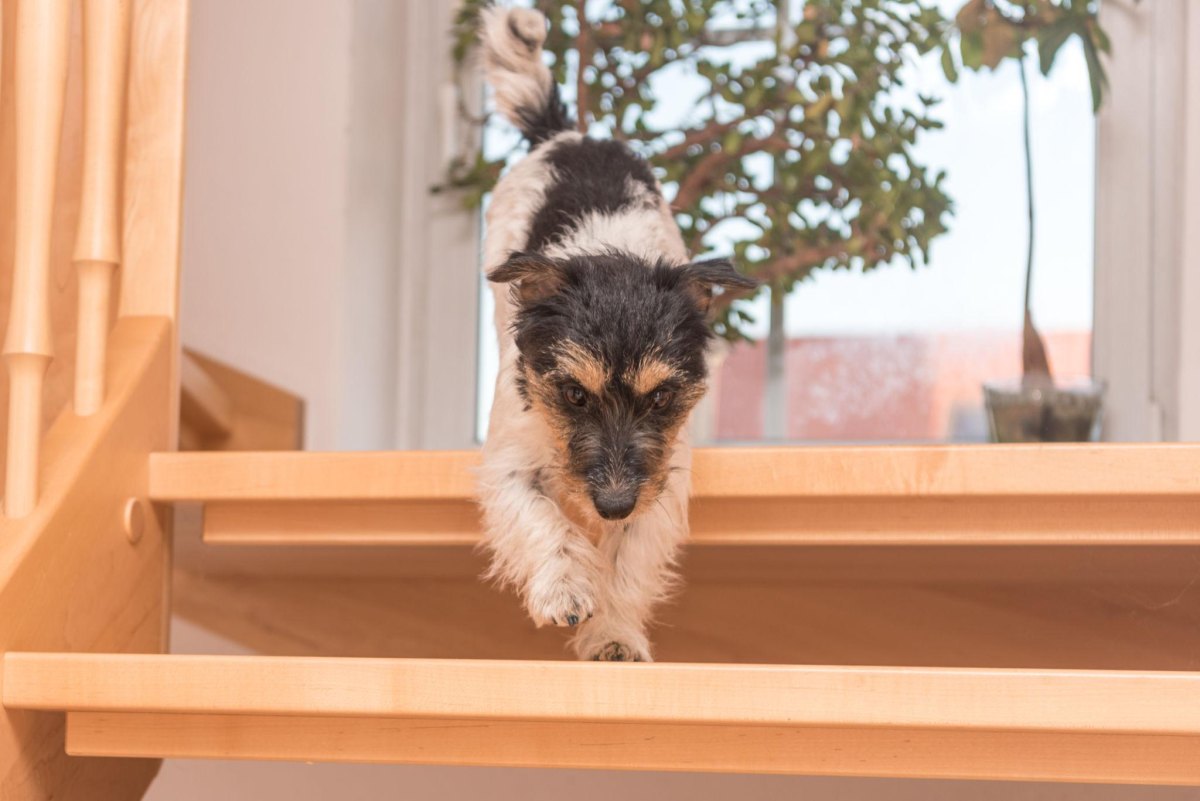
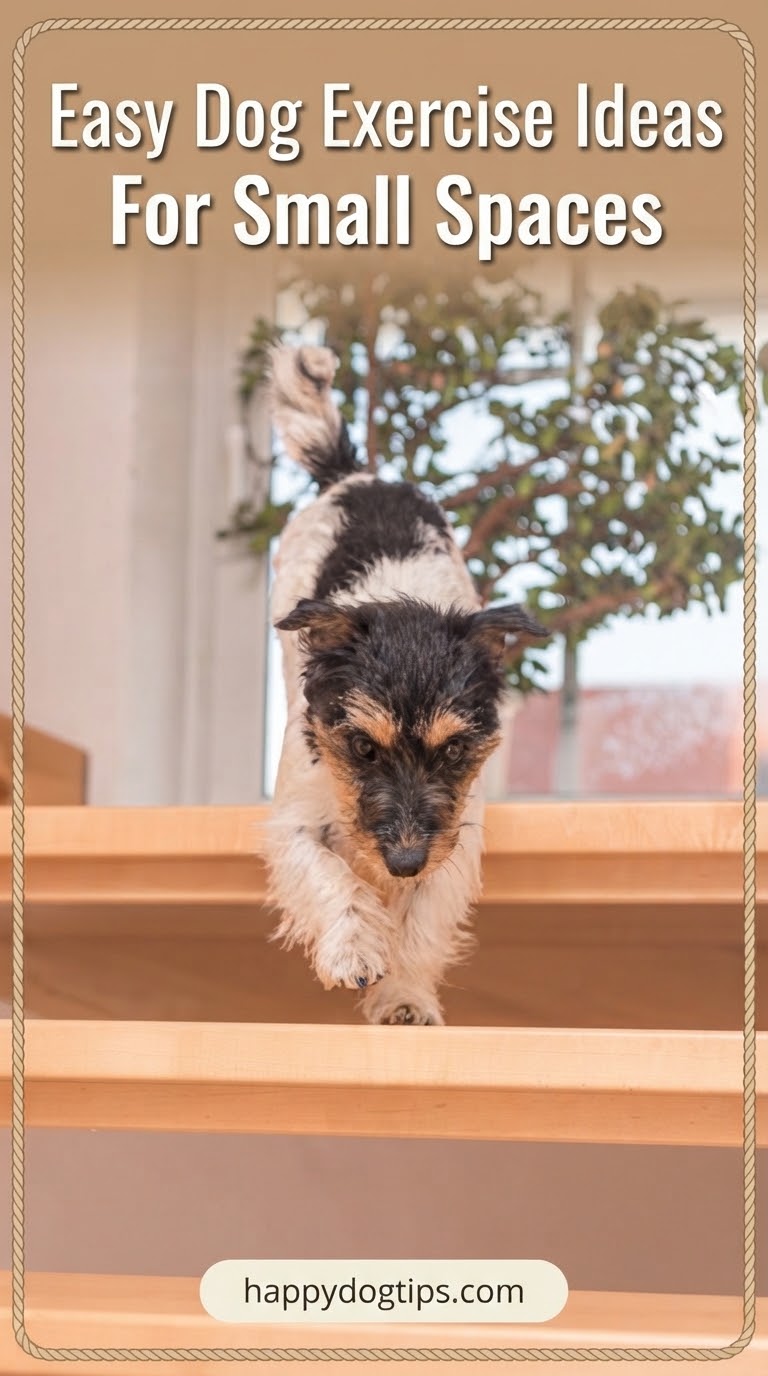
Stairs are available in many homes, but I do not treat them as a free exercise machine. They can be useful for some healthy adult dogs, yet they are not suitable for every dog.
Puppies, dogs with joint problems and senior dogs may need different options. My old veterinary nursing background taught me one important lesson: the same activity can be helpful for one dog and too much for another.
Remember
I left clinical practice in 2016, so for current advice about a dog's mobility or pain, your own vet is the right person to ask.
Hide-and-Seek Games for Active Play
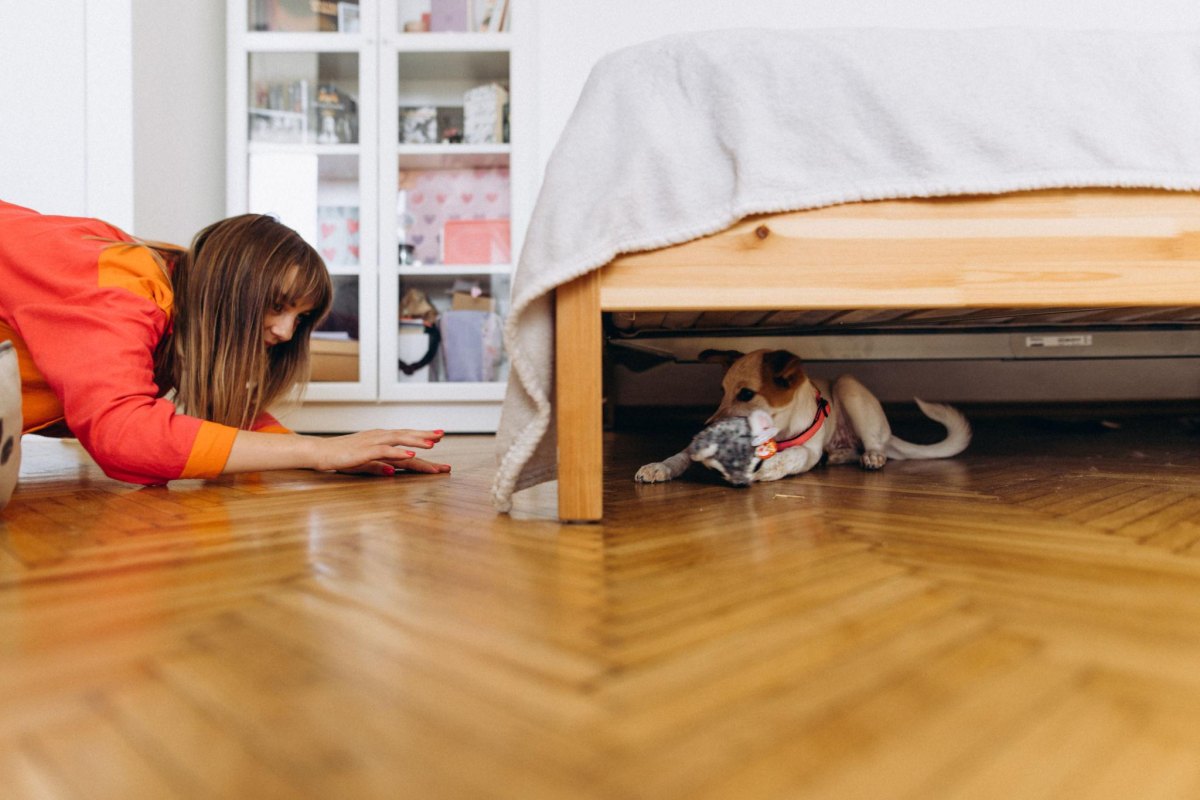
Hide-and-seek is a lovely way to make a small home feel more interesting. I often suggest simple searching games because they use a dog's senses as well as their body.
You can hide a favourite toy or a small portion of their normal food in safe, easy-to-find places. I avoid making these games too difficult, especially for older dogs whose confidence may change with age.
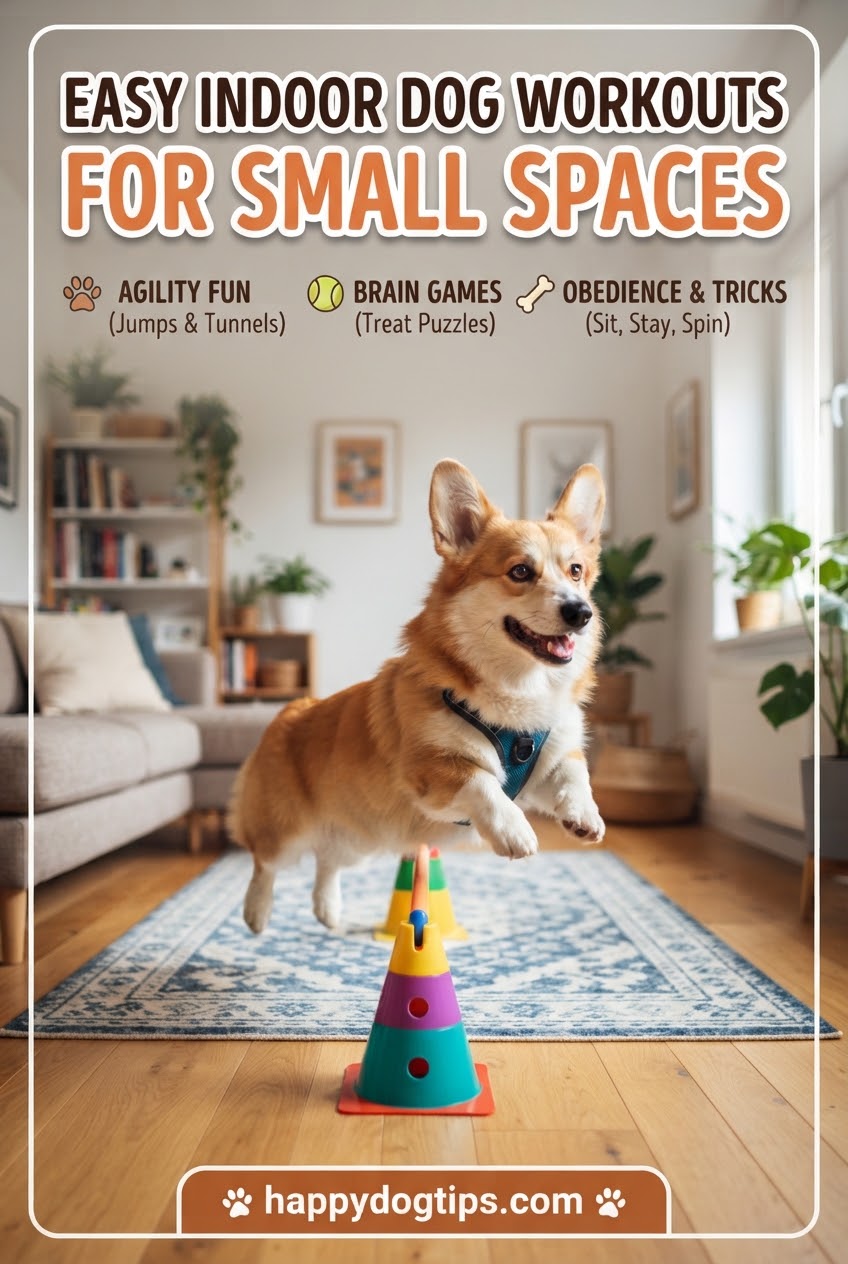
Indoor Agility Courses Using Household Items
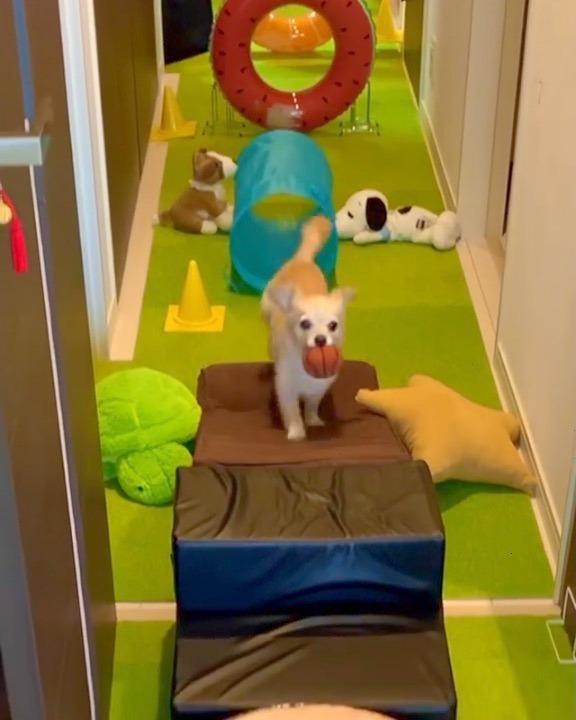
A few cushions, boxes or low obstacles can create a little indoor activity course. I keep these setups simple because safety matters more than making something impressive for a photograph.
This is about gentle movement and confidence around the home, not formal agility training. If a dog shows hesitation, discomfort or fear, I would change the activity rather than push on.
- Use: Stable objects that cannot collapse or slide.
- Avoid: High jumps or anything that encourages risky twisting.
- Adapt: Make it easier for puppies and older dogs.
Stretching and Mobility Exercises for Small Dogs
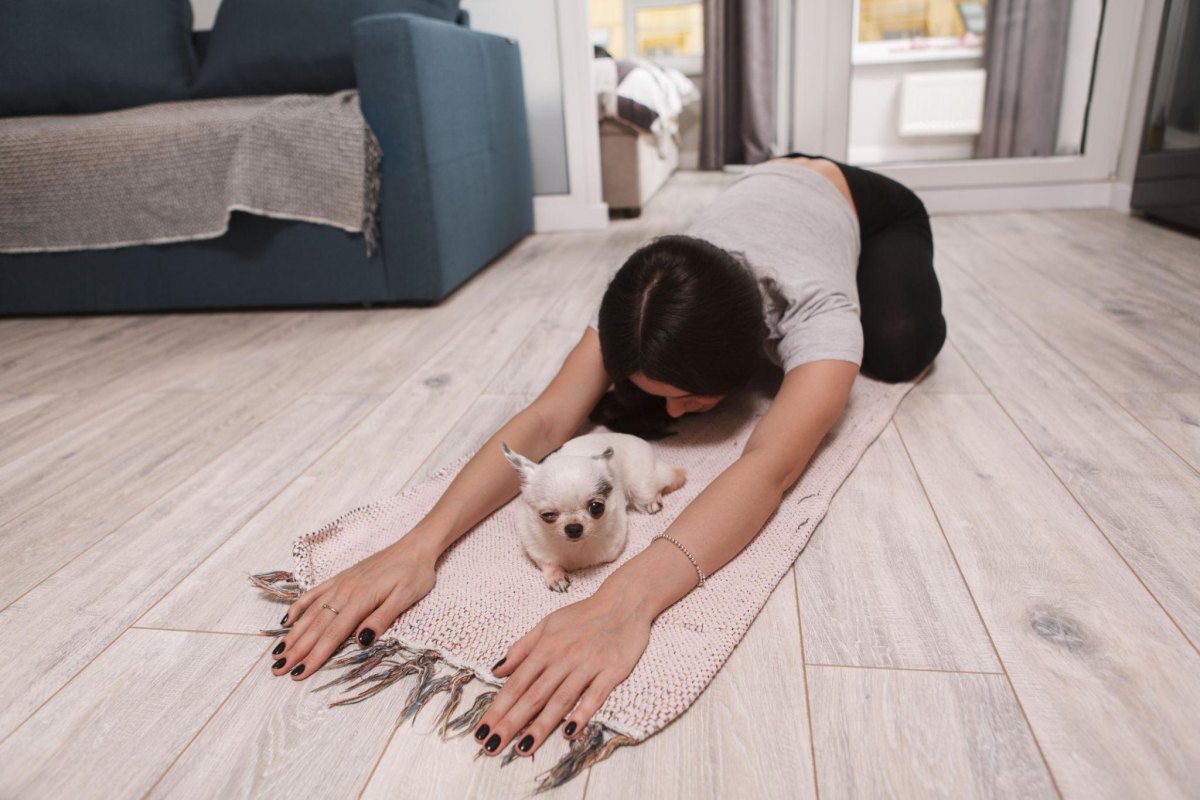
Gentle movement matters even when a dog cannot manage long walks. I like calm activities that help dogs stay comfortable, particularly as they move into their senior years.
I never force a stretch or manipulate a joint. If a dog appears painful, suddenly less mobile or reluctant to move, that moves into a conversation with the vet rather than a home exercise experiment.
Can a small dog get enough exercise indoors?
Yes, many dogs can benefit from regular indoor games, enrichment and short movement sessions when outdoor space is limited.
How long should indoor exercise sessions be?
It depends on the dog's age, health and fitness. Several short sessions can work well, especially for puppies and older dogs.
Are indoor games suitable for senior dogs?
Many gentle games can be adapted for senior dogs, but changes in mobility or pain should be discussed with your own vet.
More Pinterest Visuals



 Dog Food Recipes19 Homemade Dog Food Recipes for Corgis That Are Healthy and Easy to Make
 Senior Dog Care20 Signs of Dog Dementia and How to Recognise Cognitive Decline
 Dog Breeds6 Best Dog Breeds for City Living and Apartment Life
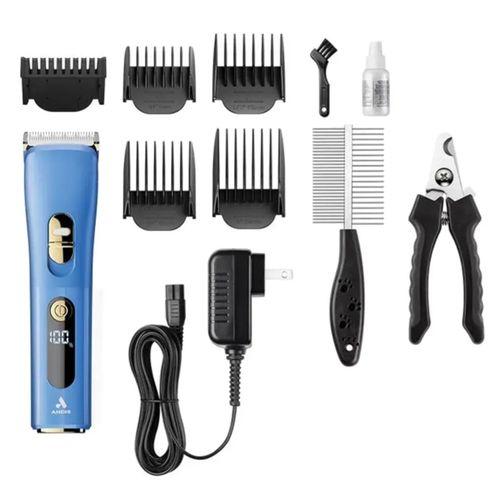 Dog Grooming14 Cordless Pet Grooming Tools That Make At-Home Care Easier