
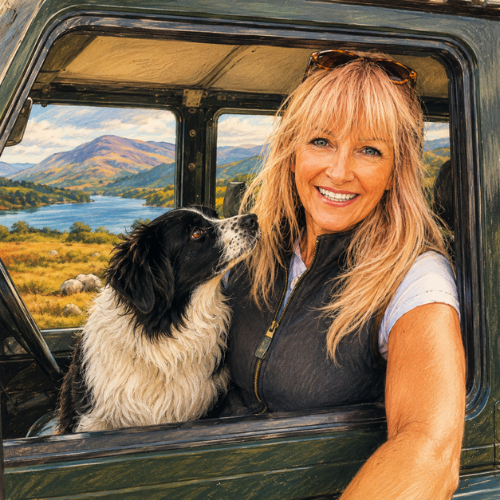
Some dogs come home from a walk, have a drink and settle down. Others come home, collect a toy and look at you as if the day's work has not even begun. I've known both sorts over 35 years of living with dogs, and the trick is not always to walk further. Often, a combination of physical exercise and mental enrichment makes a much more satisfying day.
With Skye, my 12-year-old Border Collie, I've had to rethink what tiring a dog out means. Her joints need consideration now, whereas Tam, my five-year-old collie cross, still enjoys more energetic outings. I tailor activities to the dog in front of me rather than following a one-size-fits-all exercise target. As a former registered veterinary nurse, out of clinical practice since 2016, I also know that exercise advice must take account of health and age; your own vet is the right person to consult about individual limitations.
What works best for a tired, contented dog
- Combine movement and sniffing rather than relying on miles alone.
- Use food puzzles and search games for indoor enrichment.
- Choose activities appropriate for your dog's age, fitness and mobility.
- Build in water breaks and rest, and stop before your dog becomes exhausted.
Go for a Long Walk
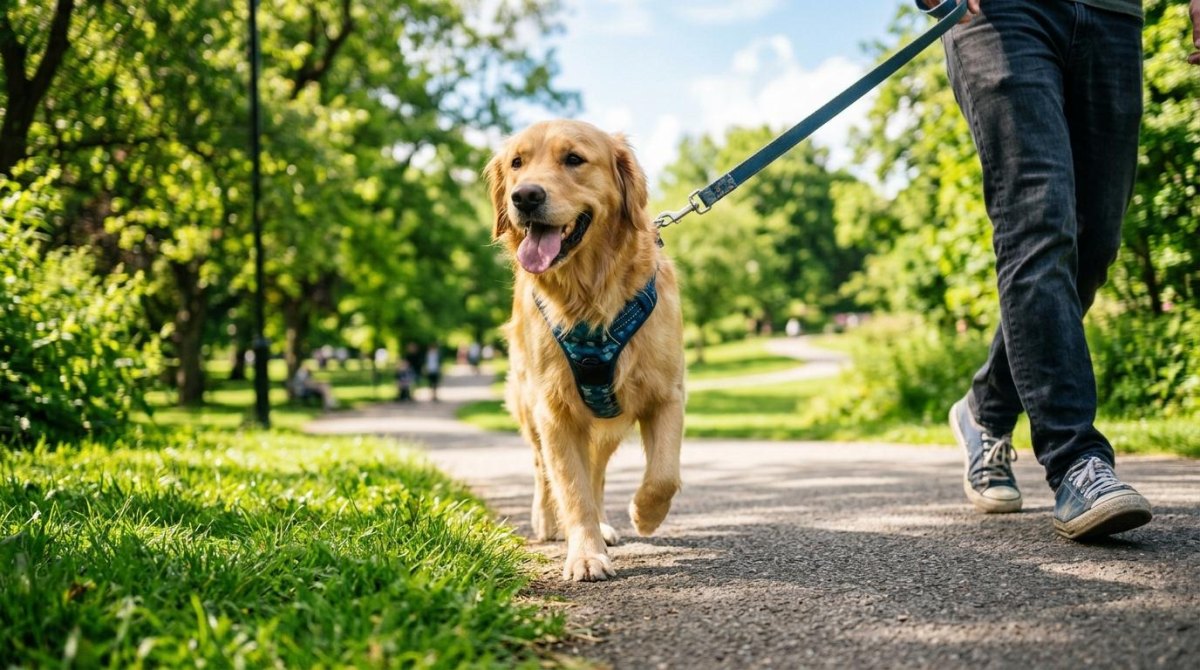
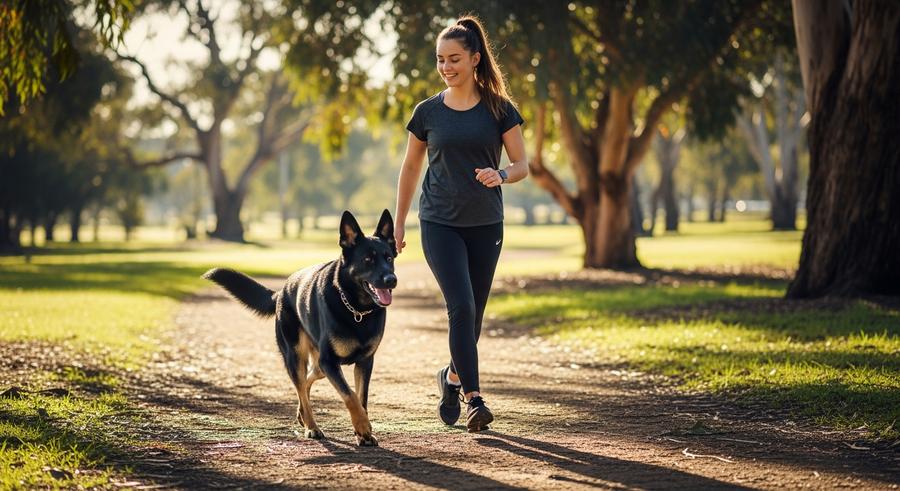
A good walk is still one of my favourite ways to give a dog a satisfying outing. The important part is not simply the distance covered. Allowing time to sniff hedgerows, investigate interesting smells and explore at a comfortable pace provides mental stimulation alongside physical exercise. A steady, interesting walk can be more rewarding than marching briskly past everything worth investigating.
I adjust the length and pace to the individual. A healthy adult dog may enjoy a longer outing, while a puppy needs age-appropriate activity and a senior dog may do better with several shorter walks. Skye is much happier with manageable routes and time to sniff than she would be attempting one of Tam's longer rambles. The RSPCA's senior dog guidance also emphasises that older dogs still need regular exercise, with shorter walks sometimes being more suitable. Comfort matters more than mileage.
My walking tip
Vary the route when you can, carry fresh drinking water and check your dog's paws afterwards. In warm weather, avoid strenuous walks during the hottest part of the day. If your dog develops persistent stiffness, limping or an unusual reluctance to walk, stop and contact your vet rather than pushing on.Explore New Hiking Trails
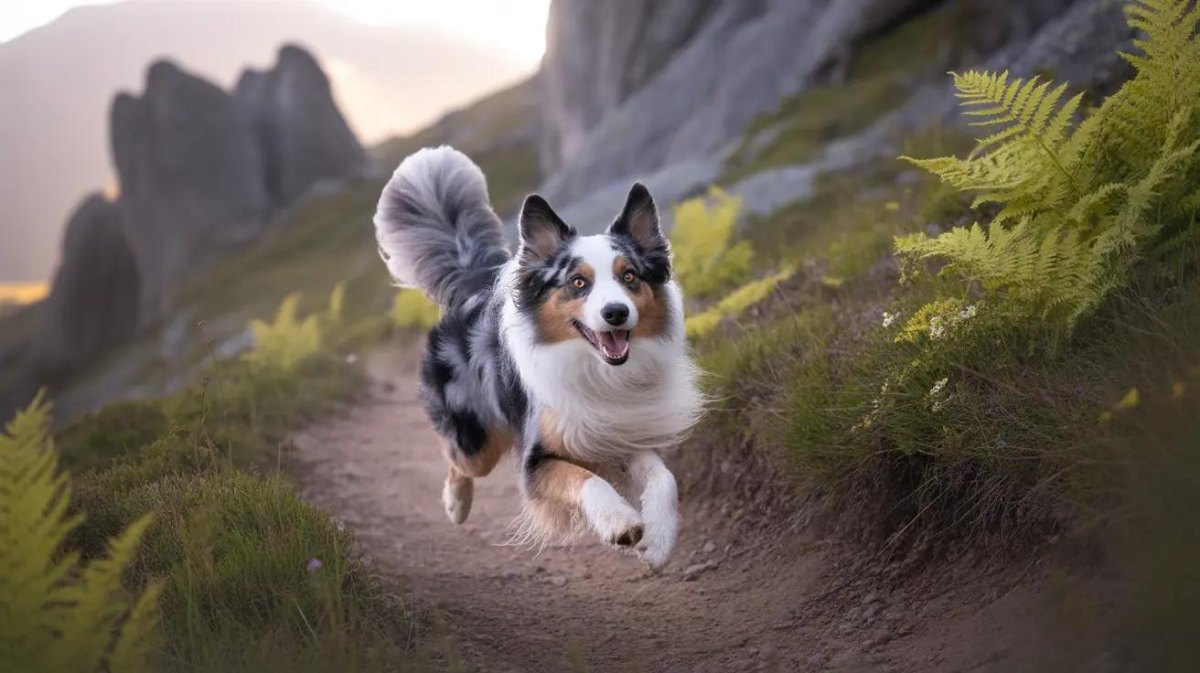
For a fit adult dog who enjoys exploring, a new hiking route can turn an ordinary outing into a proper adventure. Different ground textures, woodland smells and changing scenery provide variety for body and brain. I enjoy countryside walks, but I never assume that a dog who is keen at the start has the stamina to finish a long, steep route.
Build up the distance gradually, take breaks and choose terrain that suits your dog's fitness. Puppies are still growing, and dogs with arthritis, breathing difficulties or other medical conditions may need a different plan agreed with their vet. In the Scottish countryside, I also keep an eye out for ticks, loose stones and seasonal hazards. Follow the Countryside Code, use a lead around livestock and wildlife where appropriate, and respect local access restrictions. The PDSA countryside walking advice is a useful checklist before heading out.
I would rather turn back while a dog is still comfortable than finish a route simply because it was on the map. A safe walk beats an exhausting one, particularly when the weather turns or the ground becomes slippery.
Play a Game of Fetch
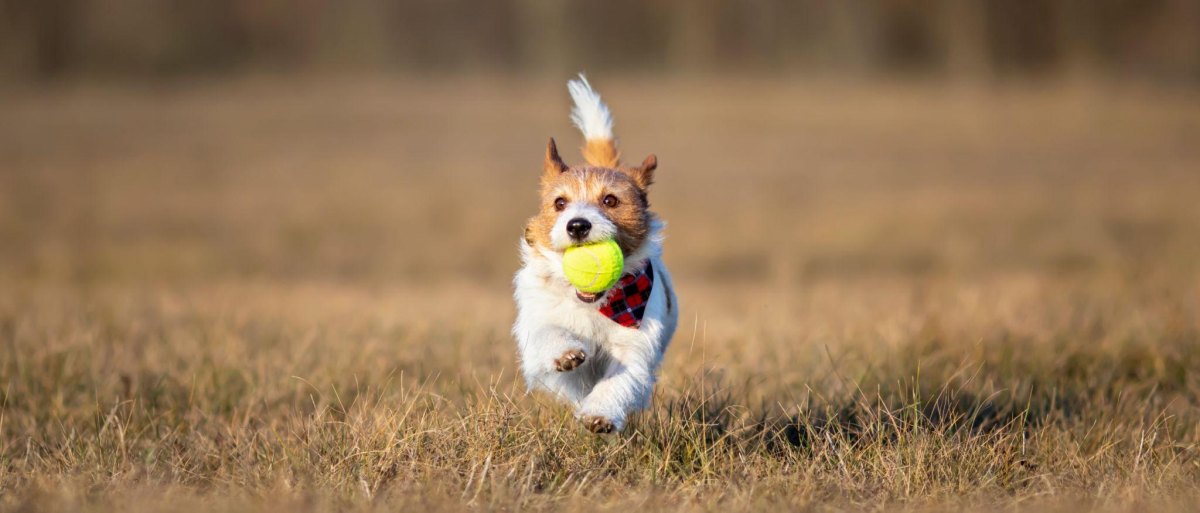
Fetch is an easy way to encourage movement in a suitable space, and many dogs enjoy chasing a ball or favourite toy. I like to keep sessions short and varied, with pauses between throws instead of repeatedly launching a ball until the dog can barely keep going.
There is a reason I am careful about repetitive chasing. Dogs can make sharp turns, accelerate suddenly and slam on the brakes, placing stress on their joints. The Blue Cross guide to playing with your dog warns that repeated fetch can take a toll on the body. I prefer rolling or throwing a toy a modest distance over level ground and allowing the dog time to reset between turns. Avoid slippery surfaces and high jumps, and do not encourage a dog with mobility problems to chase at speed.
For an older dog, I may hide a ball in an easy-to-reach spot and let the dog find it instead. That gives nose work with less impact. If your dog starts lagging, panting heavily or moving awkwardly, end the game and let them rest.
Engage in Tug-of-War
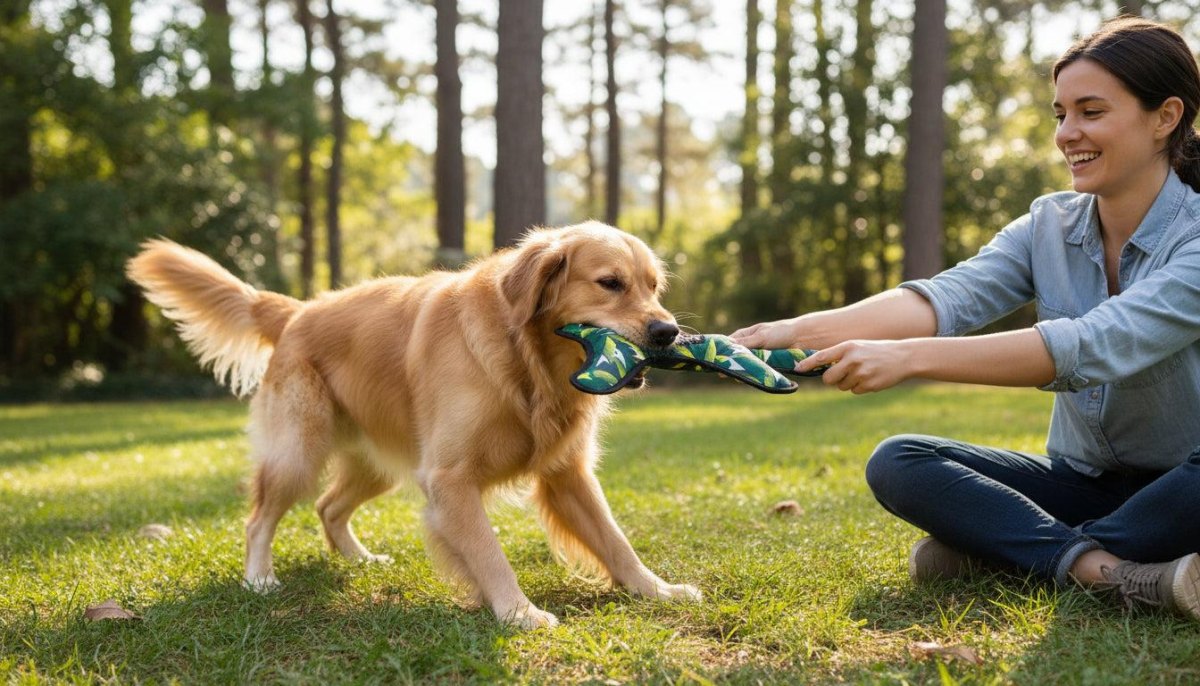
Tug-of-war can be a satisfying indoor or outdoor game, particularly when the weather has turned the garden into a muddy mess. A sturdy tug toy lets a dog pull, grip and interact with you without requiring a long run. I see it as shared play rather than a contest; there is no prize for making the dog work harder than necessary.
Choose a toy that is large enough for your dog to grip safely, keep the movements controlled and avoid jerking the head or twisting the neck. I favour a toy that allows a comfortable grip for both of us, with plenty of room around the dog's face. If your dog has dental problems, neck or back pain, or another condition that might make pulling unsuitable, ask your vet before playing. Gentle movement is the aim, not vigorous shaking.
Some dogs become overexcited during games or guard toys from people. I don't improvise behaviour advice in those circumstances. A qualified reward-based trainer or appropriately qualified behaviourist can help you choose safe play and address any concerns. If play stops being comfortable or cooperative, put the toy away without turning it into a struggle.
Use Puzzle Toys and Food Dispensers
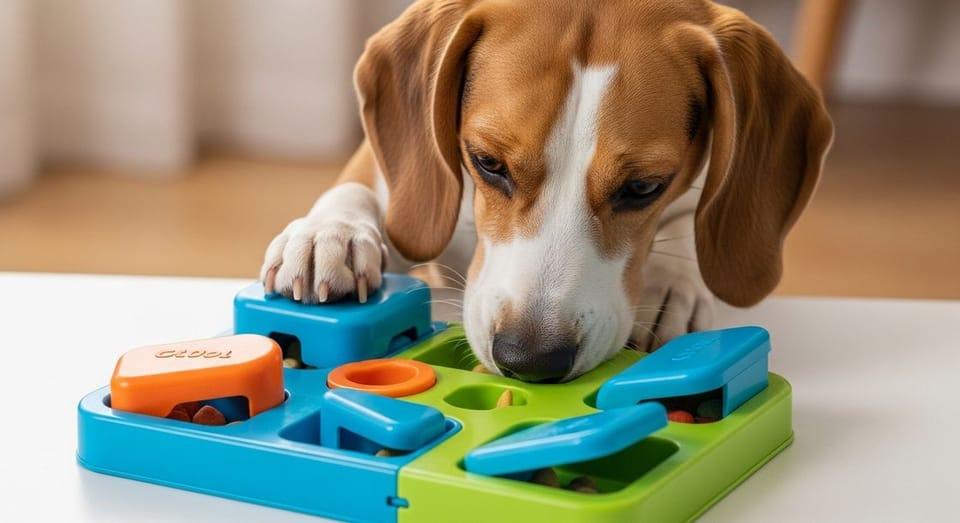
When the weather is miserable or a dog needs a quieter day, I reach for food-based enrichment. Puzzle feeders, snuffle mats and suitable treat-dispensing toys give a dog something constructive to investigate. They are particularly useful when outdoor exercise needs to be limited, because thinking and sniffing take effort too.
Start with something simple. A few pieces of your dog's usual food scattered in a snuffle mat or placed in an easy puzzle are often enough for a beginner. Make sure the dog can succeed without becoming frustrated, and supervise any homemade cardboard activity so that the dog does not swallow pieces. The Blue Cross enrichment guide recommends matching the difficulty to the dog and gradually building up as they gain experience.
I also count food used in games as part of the day's food allowance, rather than adding unlimited extras. That is especially important for dogs who need help maintaining a healthy weight. Enrichment should be enjoyable, not frustrating, so change the activity if your dog gives up, chews the equipment or becomes upset.
An easy activity for today
Put a small portion of your dog's normal kibble in a snuffle mat or scatter it over a clean, safe patch of floor. Stay nearby, keep the difficulty low and let your dog work at their own pace.Practice Short Training Sessions
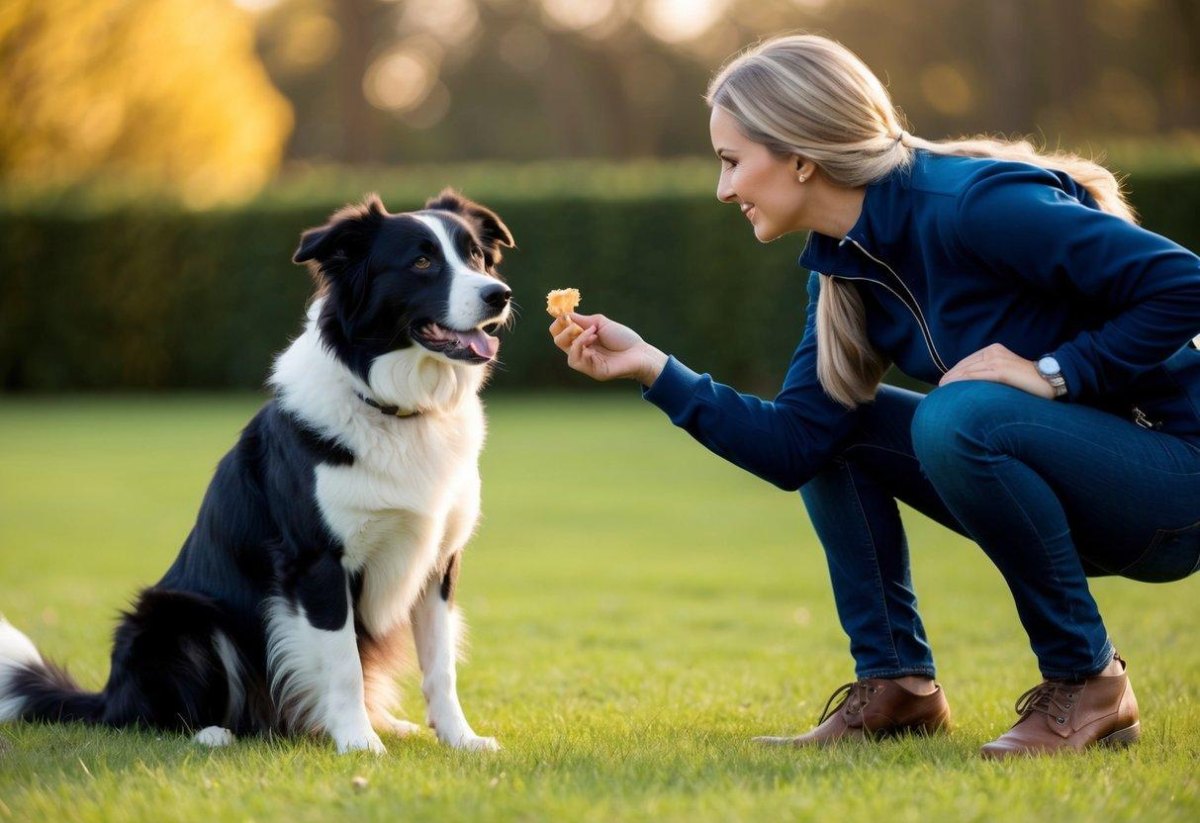
Learning activities can give a dog a mental workout, but I keep this part simple and positive. A few minutes of practising a familiar, reward-based activity may be more useful than a long session in which both dog and owner become tired and frustrated. Brief, rewarding practice also gives you a chance to notice when your dog has had enough.
I'm not a dog trainer, and behaviour and obedience work are outside my remit. For new skills, recall difficulties, lead manners or behaviour concerns, I recommend a qualified reward-based trainer. The Dogs Trust guidance on positive reinforcement explains how food, praise and toys can reward wanted responses. If you already have an activity your dog enjoys, keep it light and finish on a comfortable success.
For food rewards, use small pieces and account for them in daily feeding. Some dogs prefer a toy or praise instead. Watch your dog's body language: if concentration disappears, frustration rises or fatigue sets in, finish for now. A few good minutes are enough; there is no need to turn every interaction into a lesson.
Let Your Dog Swim
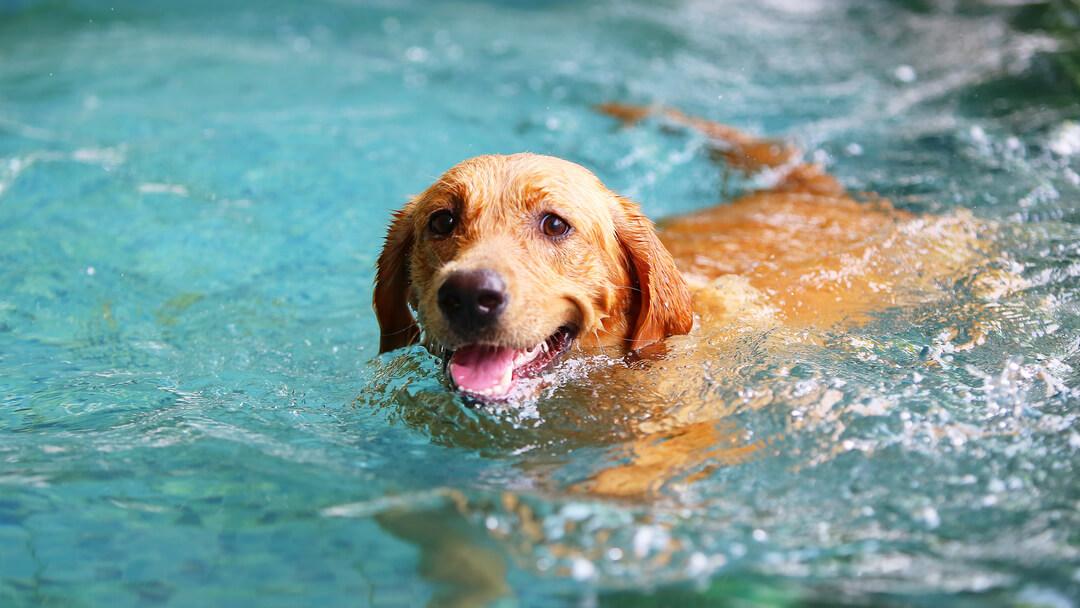
For dogs who enjoy water and are physically suited to swimming, a safe swim can provide movement without the same impact as running on hard ground. It can be a useful option for some dogs who need lower-impact activity, although I would ask the vet before using swimming as exercise for a dog with arthritis, an injury or another medical condition. Not every dog is a natural swimmer, and nobody should be pushed into the water.
Choose a calm, dog-safe swimming area, supervise continuously and keep your dog away from strong currents, flooded rivers and rough seas. Take extra care around lochs and ponds: blue-green algae can release toxins that cause severe illness. The PDSA water safety guidance advises avoiding water suspected of contamination and contacting a vet immediately if exposure to blue-green algae is possible.
Introduce water gradually and give your dog a clear way to get out. Rinse the coat with clean water afterwards and dry your dog as appropriate. Stop before your dog tires, because fatigue in water can become dangerous quickly. If your dog struggles to breathe, collapses or may have swallowed contaminated water, seek urgent veterinary help.
Set Up a Dog Agility Course
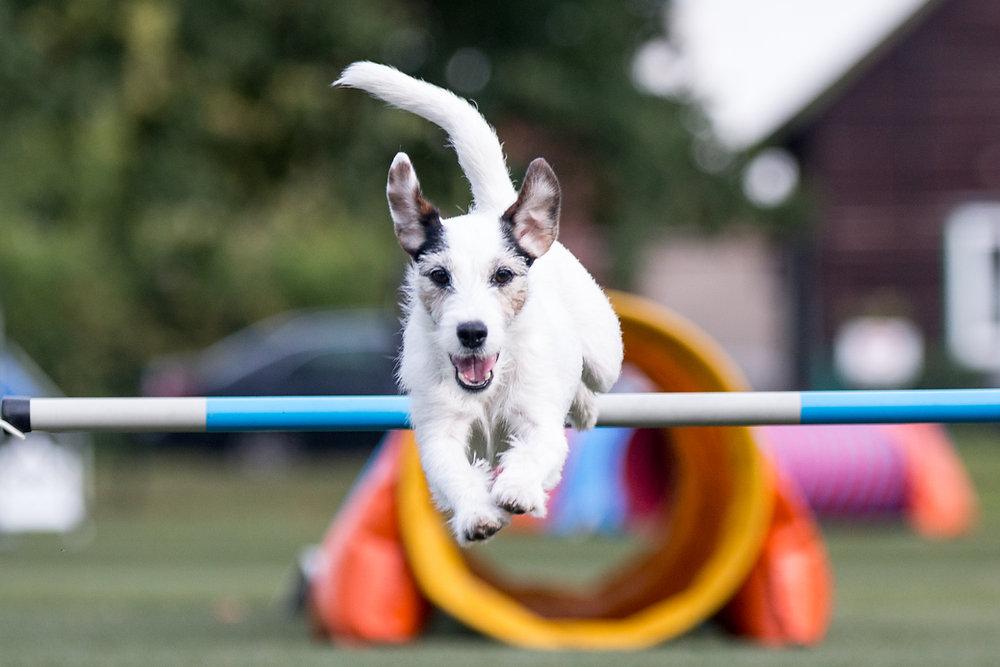
A simple obstacle course can add variety to a dog's day without requiring a huge garden or expensive equipment. I would begin with low, stable obstacles, broad paths to walk around and easy opportunities to explore. The point is variety and confidence, not speed or impressive jumps.
Use cones to weave around at walking pace, set up a safe route around garden chairs or encourage your dog to step over a low, stable pole if their age and mobility make that appropriate. Avoid unstable furniture, slippery flooring, high jumps and repeated tight turns. Growing puppies and dogs with joint problems need particular care; ask your vet whether this kind of activity suits them before getting started.
Formal agility involves specific handling and training skills, so I would leave that to a suitable instructor rather than trying to teach a complete course from a blog. For everyday enrichment, a few easy obstacles are plenty. Keep the course low-impact, reward your dog for exploring and stop while the activity is still going well.
Arrange Playtime with Other Dogs
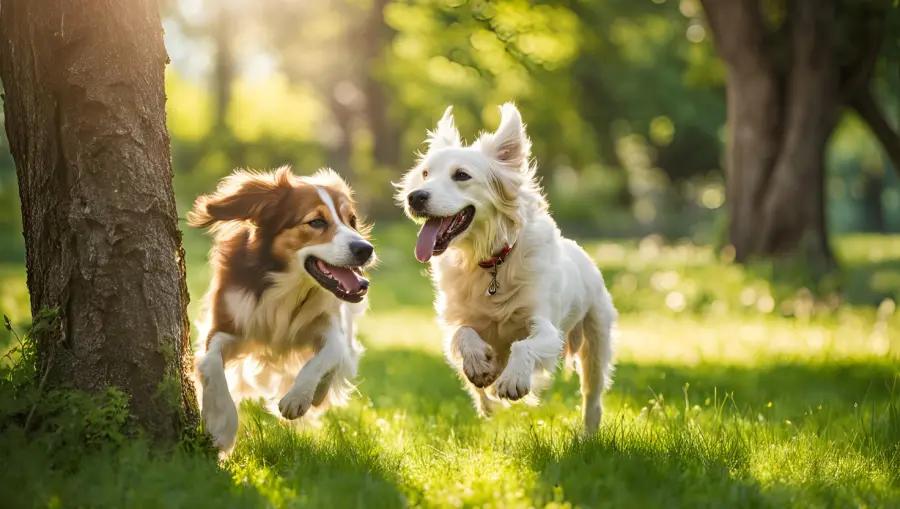
Some dogs love running and playing with familiar canine companions. A well-matched playmate can provide social interaction and movement in a way that a walk alone cannot. Others would rather sniff quietly alongside another dog, and that is perfectly acceptable too. I never assume that every dog needs a dog-park session to be fulfilled.
Choose companions with compatible play styles and arrange introductions in a calm, spacious place. Watch for relaxed, reciprocal play, regular pauses and both dogs choosing to re-engage. If one dog repeatedly tries to escape, hides, freezes or is persistently chased, interrupt the session and give them space. Both dogs should have a choice about whether the game continues.
Keep an eye on size differences, rough play and fatigue, and make sure vaccinations and health precautions are appropriate for the dogs involved. If your dog is uncomfortable around other dogs or becomes reactive, speak to a qualified trainer or behaviourist rather than forcing contact. A quiet parallel walk with a familiar dog may be a better fit than direct play. For general guidance on canine social needs, the RSPCA advice on dog behaviour is a useful starting point.
Play Scent and Nose-Work Games
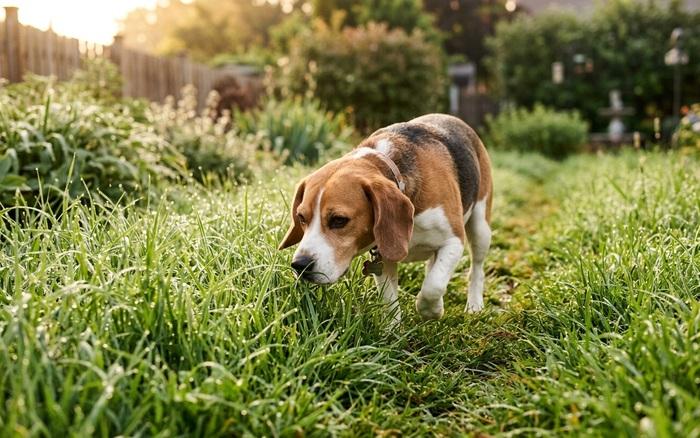
If I had to choose one indoor activity for a dog who needs something to think about, scent games would be high on my list. Dogs experience the world through smell, and a simple search can turn a handful of ordinary kibble into an engaging activity. Using the nose is real enrichment, even when the dog is moving only a short distance.
Start by showing your dog a piece of their usual food and placing it somewhere easy to find, such as beside a chair leg or on a clear patch of floor. Let them search, then gradually try a few safe hiding places once they understand the game. You can also scatter a portion of their meal over a clean snuffle mat. The Blue Cross guide to scent work offers further ideas for food searches, finding toys and simple hide-and-seek games.
Keep hiding places accessible and away from cleaning products, medicines, small swallowable objects and anything toxic. Never hide food where your dog might climb dangerously or enter an unsafe area. For older dogs or dogs on restricted exercise, gentle sniffing games are an excellent alternative to high-impact play. If a search becomes frustrating, make the next one easier.
Try this in five minutes
Hide three or four pieces of your dog's normal food in easy, safe places in one room. Let your dog watch the first hiding, then encourage them to investigate. Keep the game simple and finish before interest fades.Provide Safe Chew Toys
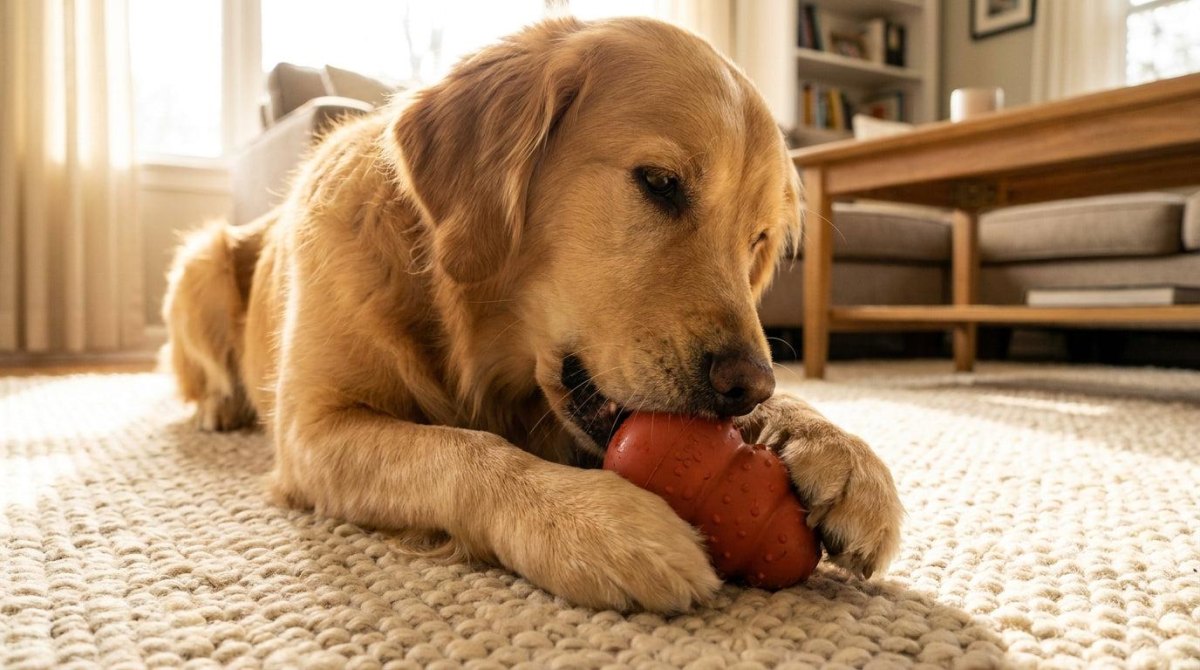
Chewing gives many dogs a satisfying activity when the household is quiet. A suitable chew toy can occupy a dog for a while and provide calm, independent enrichment after a walk or a scent game. It will not suit every dog, and the safest choice depends on the dog's size, chewing strength and health.
Choose a durable toy of an appropriate size and inspect it regularly for damage. Avoid items that can splinter, break into sharp pieces or be swallowed whole, and do not assume that a very hard object is automatically safe for teeth. Supervise your dog, particularly when introducing a new toy, and remove it if pieces start coming away. The PDSA choking guidance recommends choosing correctly sized toys and supervising dogs during play and chewing.
For food-filled toys, use suitable dog food and account for the portion in the daily ration. If your dog has dental disease, a history of swallowing objects or difficulty chewing, ask your vet for individual advice. Safe chewing should end before the toy becomes a hazard. A dog who is quietly occupied and then settles down has had a useful activity, even if it has involved very little running.
More Pinterest Visuals



 Dog Food Recipes19 Homemade Dog Food Recipes for Corgis That Are Healthy and Easy to Make
 Senior Dog Care20 Signs of Dog Dementia and How to Recognise Cognitive Decline
 Dog Breeds6 Best Dog Breeds for City Living and Apartment Life
 Dog Grooming14 Cordless Pet Grooming Tools That Make At-Home Care Easier